Navigating Skincare in Your 60s and Beyond: Expert Advice for Mature Skin
As we journey through life, our skin undergoes significant transformations. By the time we reach our 60s, the changes are more pronounced than in our 30s or 40s. Collagen production slows, elastin fibres fragment, and the skin’s natural oil production decreases, leaving the skin barrier more vulnerable. These shifts can lead to increased dryness, a duller complexion, heightened sensitivity, and a noticeable loss of firmness.
Dr. Conal Perrett, a consultant dermatologist at The Devonshire Clinic, explains that by our 60s, the skin has experienced substantial structural and hormonal alterations. For women, particularly those who have gone through menopause, a reduction in oestrogen levels can accelerate skin thinning and diminish elasticity. Adding to this, Dr. Susan Mayou, a consultant dermatologist at the Cadogan Clinic, points out that years of sun exposure often manifest as pigmentation issues, uneven skin tone, and the appearance of visible blood vessels.
Consequently, skincare routines in this decade should pivot from aggressive exfoliation and oil control towards prioritising barrier repair, deep hydration, and consistent collagen support. If you’re looking to streamline your regimen, dermatologists recommend focusing on five essential product categories.
The Five Pillars of Mature Skincare
1. Broad-Spectrum SPF: Your Daily Shield
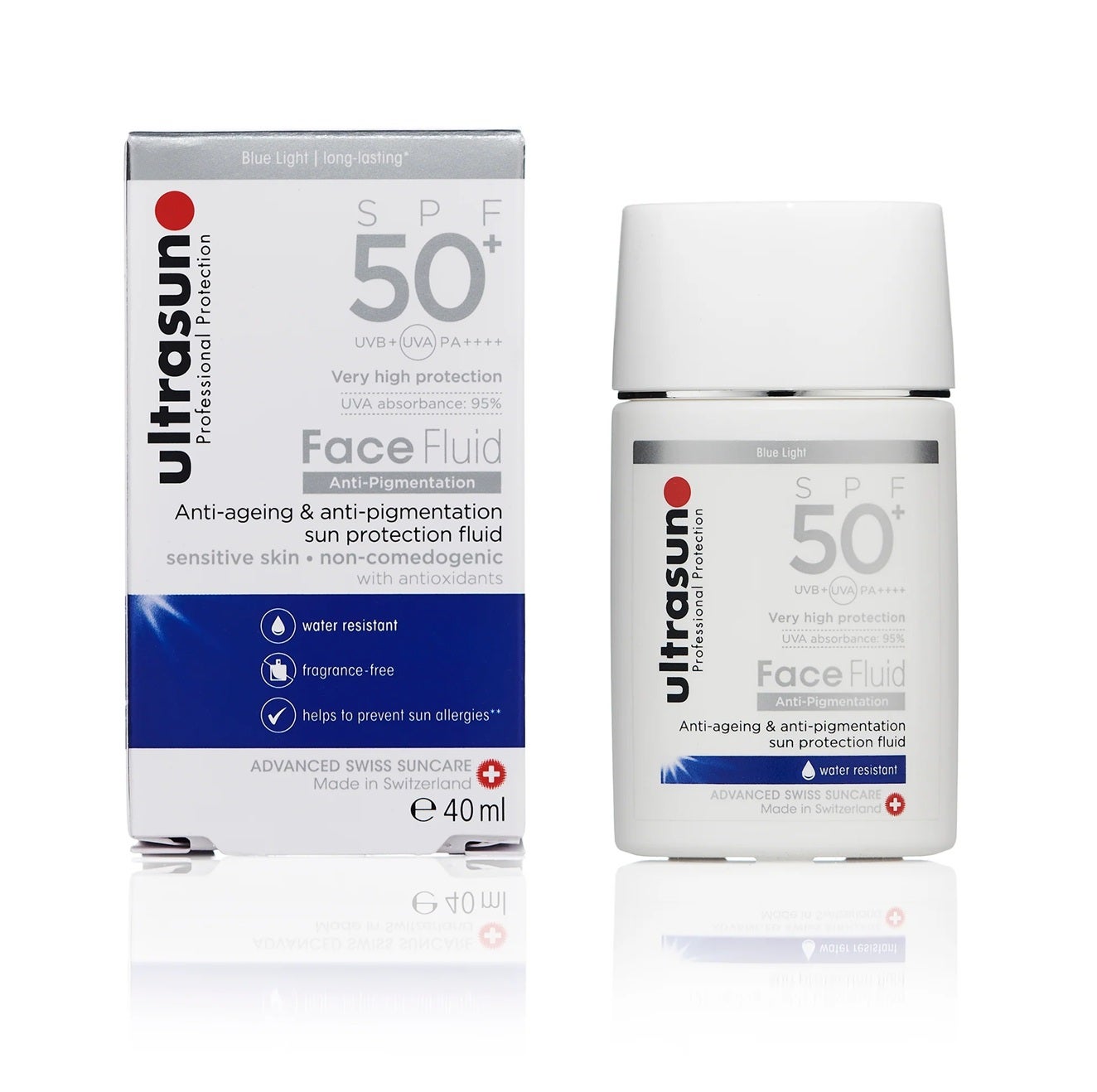
Sunscreen remains the undisputed champion of skincare, regardless of age. Dr. Perrett asserts that UV exposure is responsible for up to 80% of visible skin ageing. Even in your 60s and beyond, daily application of a broad-spectrum SPF 50 sunscreen is crucial. It acts as a vital defence against further collagen breakdown, pigmentation, and textural changes caused by UVA and UVB rays. Dr. Mayou emphasises that sun protection is not a lost cause once signs of ageing have appeared; consistent use helps maintain skin quality and significantly reduces the risk of precancerous skin changes. It forms the bedrock of any effective skincare strategy.
Ultrasun Anti-Pigmentation Face Fluid 50+SPF, £29
2. A Gentle Retinoid: The Collagen Catalyst
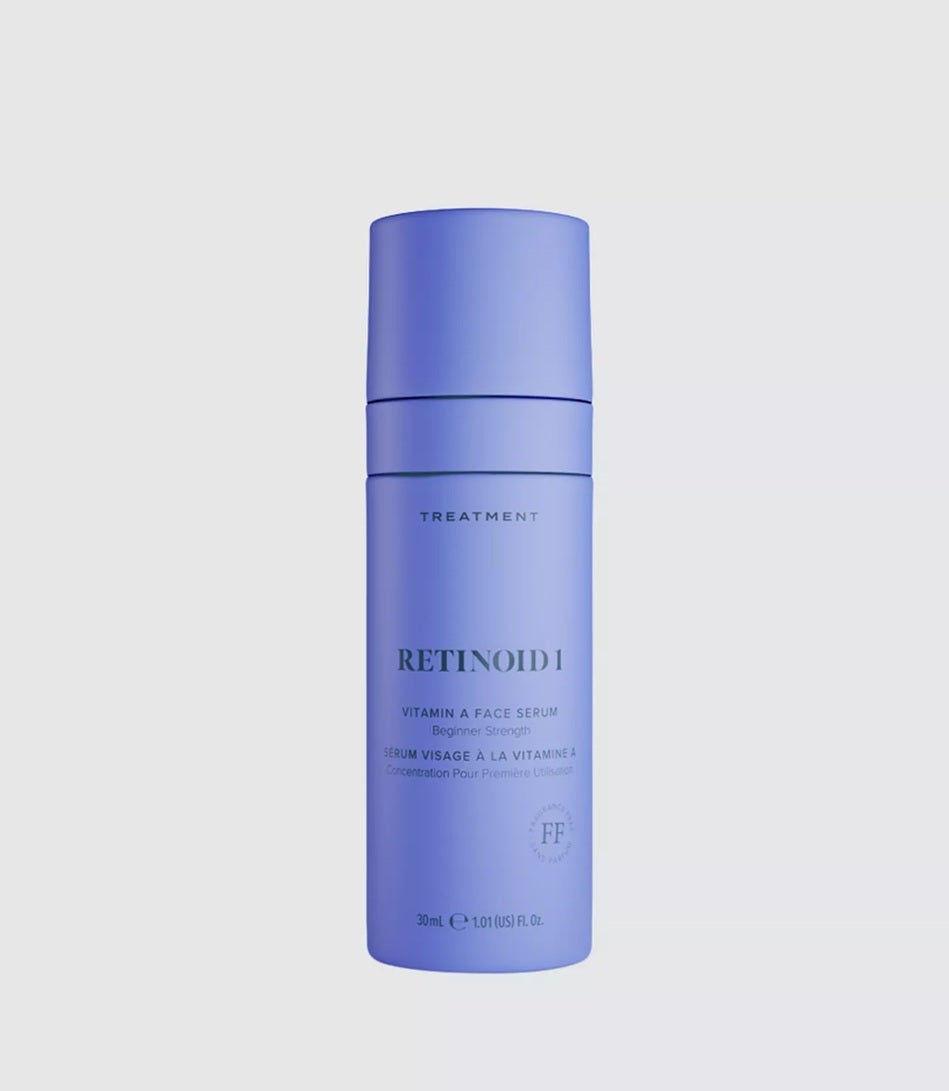
Retinoids continue to be the gold standard for refining skin texture and bolstering collagen synthesis. “These ingredients stimulate collagen production, diminish the appearance of fine lines, and support cellular turnover,” states Dr. Perrett. However, he advises opting for gentler, well-formulated retinoid products in your 60s to minimise potential irritation. Mature skin can still reap substantial benefits from vitamin A derivatives, but it’s essential to adjust the strength and frequency of use. Dr. Mayou clarifies that retinoids are not off-limits with age; rather, they should be introduced gradually and used consistently. At this stage, a higher tolerance is more beneficial than sheer intensity.
Skin Rocks Retinoid 1 – Vitamin A Face Serum, £70
3. Hydrating Serum with Hyaluronic Acid: The Moisture Magnet
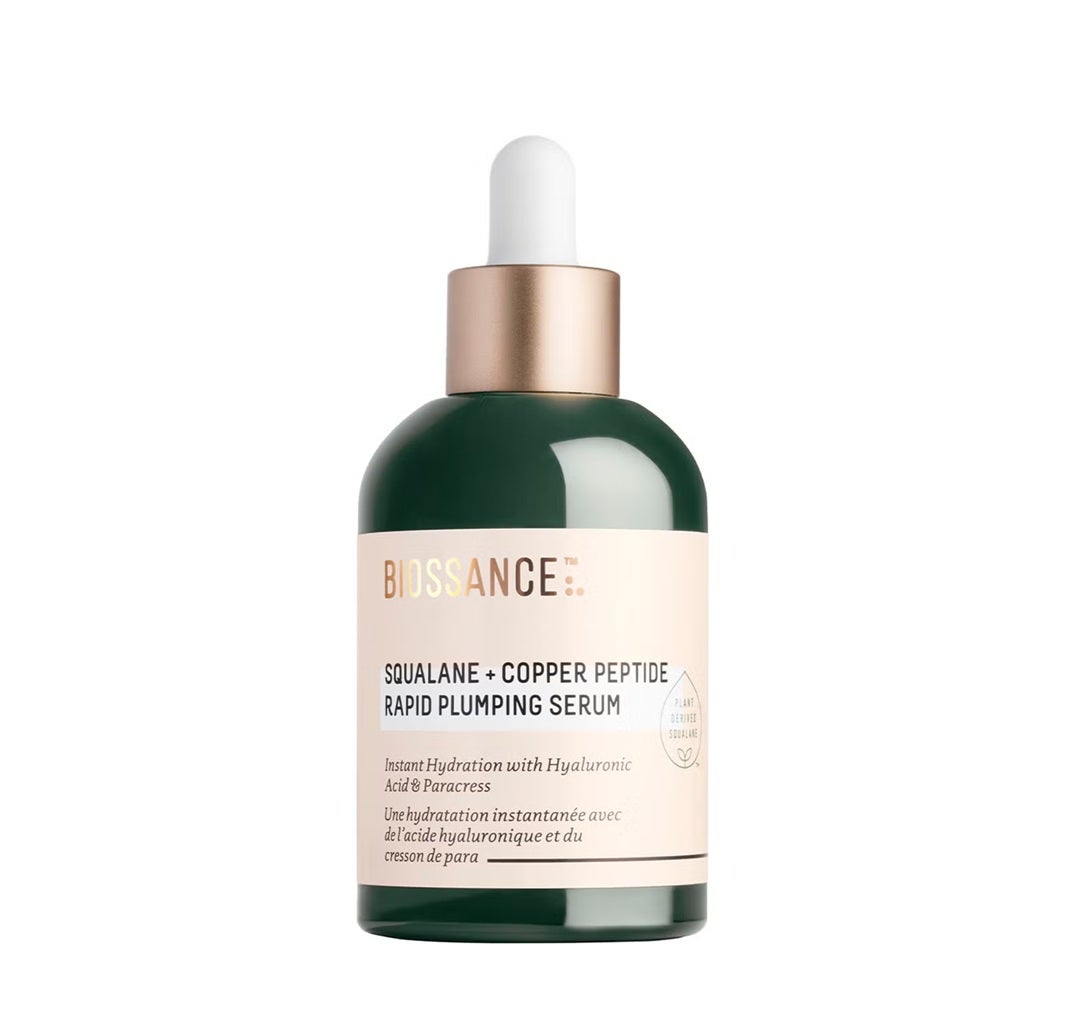
As natural oil production declines, maintaining adequate hydration becomes paramount. Hyaluronic acid is a powerhouse ingredient that attracts and retains moisture within the skin, promoting a smoother, more supple appearance. Dr. Mayou notes that hyaluronic acid can effectively soften fine lines caused by dehydration and enhance comfort, particularly for skin that feels tight or fragile. Dr. Perrett suggests layering a hyaluronic acid serum under your moisturiser to boost plumpness. Applying it to slightly damp skin and sealing it with a rich cream can significantly improve texture and luminosity.
Biossance Squalane + Copper Peptide Rapid Plumping Serum, £54, Look Fantastic
4. Barrier-Supporting Moisturiser: The Resilience Builder
With age, the skin barrier’s integrity weakens, making it more susceptible to irritation and moisture loss. Replenishing essential lipids is therefore vital. Dr. Perrett highlights the importance of ingredients like ceramides and barrier lipids, which are instrumental in repairing and maintaining the skin’s protective function. Without this crucial support, dryness and inflammation can escalate. Dr. Mayou recommends rich moisturisers formulated with ceramides, fatty acids, or hyaluronic acid to restore comfort and resilience. Mature skin generally thrives with cream or balm-based cleansers and nourishing moisturisers, steering clear of overly foaming or mattifying products. “Over-stripping the skin at this stage often exacerbates dryness and inflammation, rather than enhancing radiance,” Dr. Perrett explains.
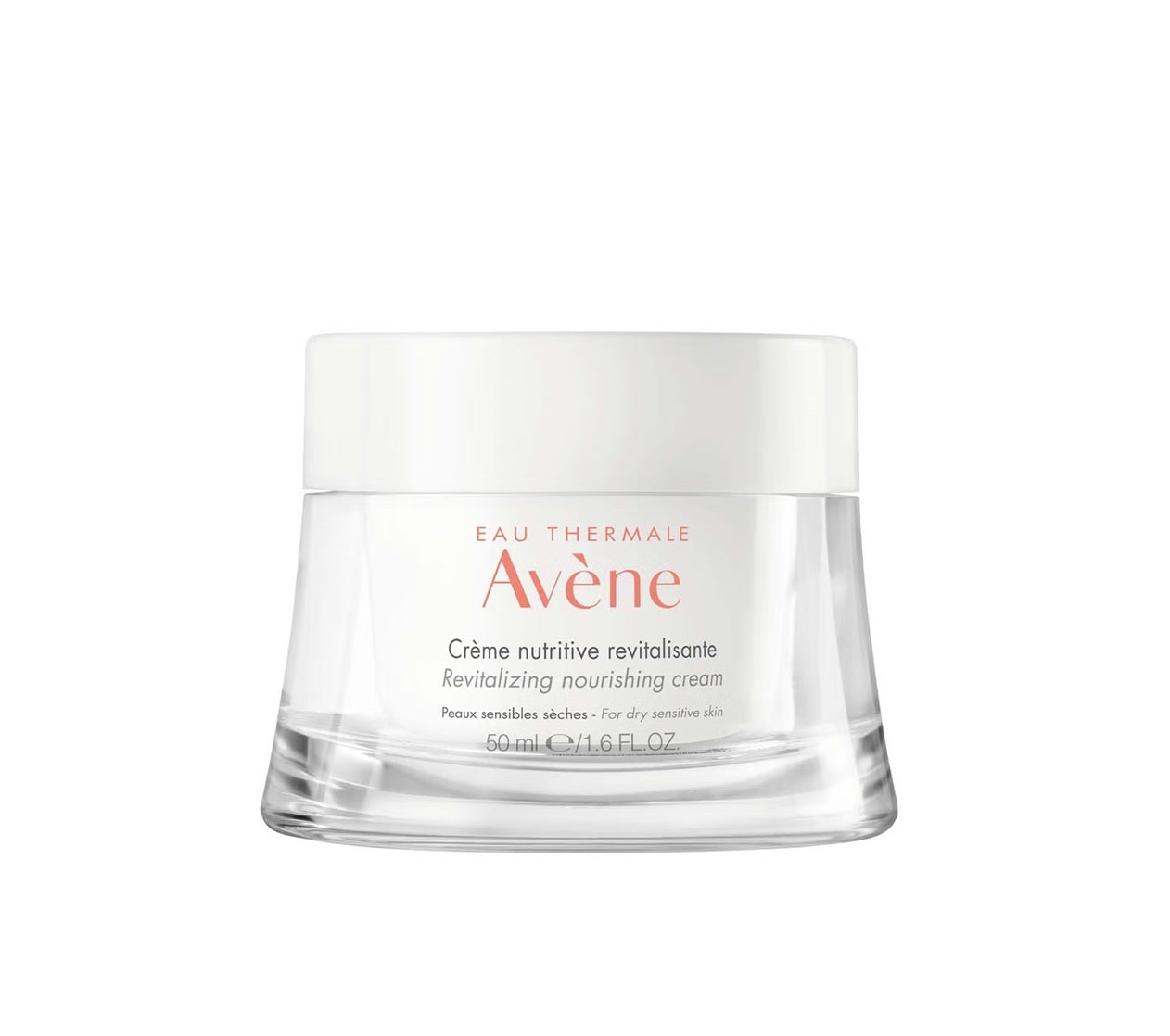
Avène Les Essentiels Revitalizing Nourishing Cream for Dry, Sensitive Skin, £23, Boots
5. Antioxidant Powerhouse (e.g., Vitamin C): The Brightening Protector
Environmental stressors, such as pollution and UV exposure, contribute to dullness and uneven skin tone through oxidative stress. An antioxidant serum can effectively counteract these effects. “Antioxidants like vitamin C combat oxidative stress, leading to improved brightness and a more even complexion,” says Dr. Perrett. Vitamin C also plays a role in supporting collagen formation, offering an additional layer of benefit. Dr. Mayou adds that niacinamide can be a valuable addition to mature skin routines, helping to reduce redness, enhance skin tone, and strengthen the skin barrier. Consistent morning application of antioxidants provides a daily defence against environmental damage and boosts overall radiance.
Medik8 C-Tetra Advanced 20% Vitamin C Gel-Serum With Phyto Exosomes, £70
What to Reconsider in Your Routine
Beyond incorporating the right products, dermatologists often observe that women over 60 may be holding onto skincare items that are no longer beneficial for their evolving skin needs. Harsh foaming cleansers formulated for oily or acne-prone skin, overly frequent use of high-strength exfoliating acids, and toners laden with alcohol can all compromise a delicate skin barrier. A long-term reliance on mattifying products or spot treatments might inadvertently worsen dryness. The overarching goal should shift from “fighting age” to actively nurturing skin health. Mature skin responds far better to nourishment and gentle, consistent stimulation than to aggressive treatment plans.
Dispelling the Biggest Myth
One of the most persistent misconceptions, according to Dr. Perrett, is the belief that it’s “too late” to make a significant difference to one’s skin. “Skin remains biologically active well into our later decades,” he assures. While no product can turn back the clock entirely, it is indeed possible to stimulate collagen, improve pigmentation, and restore barrier strength. Dr. Mayou concurs, stating that a tailored and consistent skincare approach can yield meaningful improvements in hydration, tone, and resilience. The key takeaway is that consistency, not necessarily intensity, is the most powerful driver of positive change.