Cancer Ward Closures at Scotland’s Superhospital Raise Serious Safety Concerns
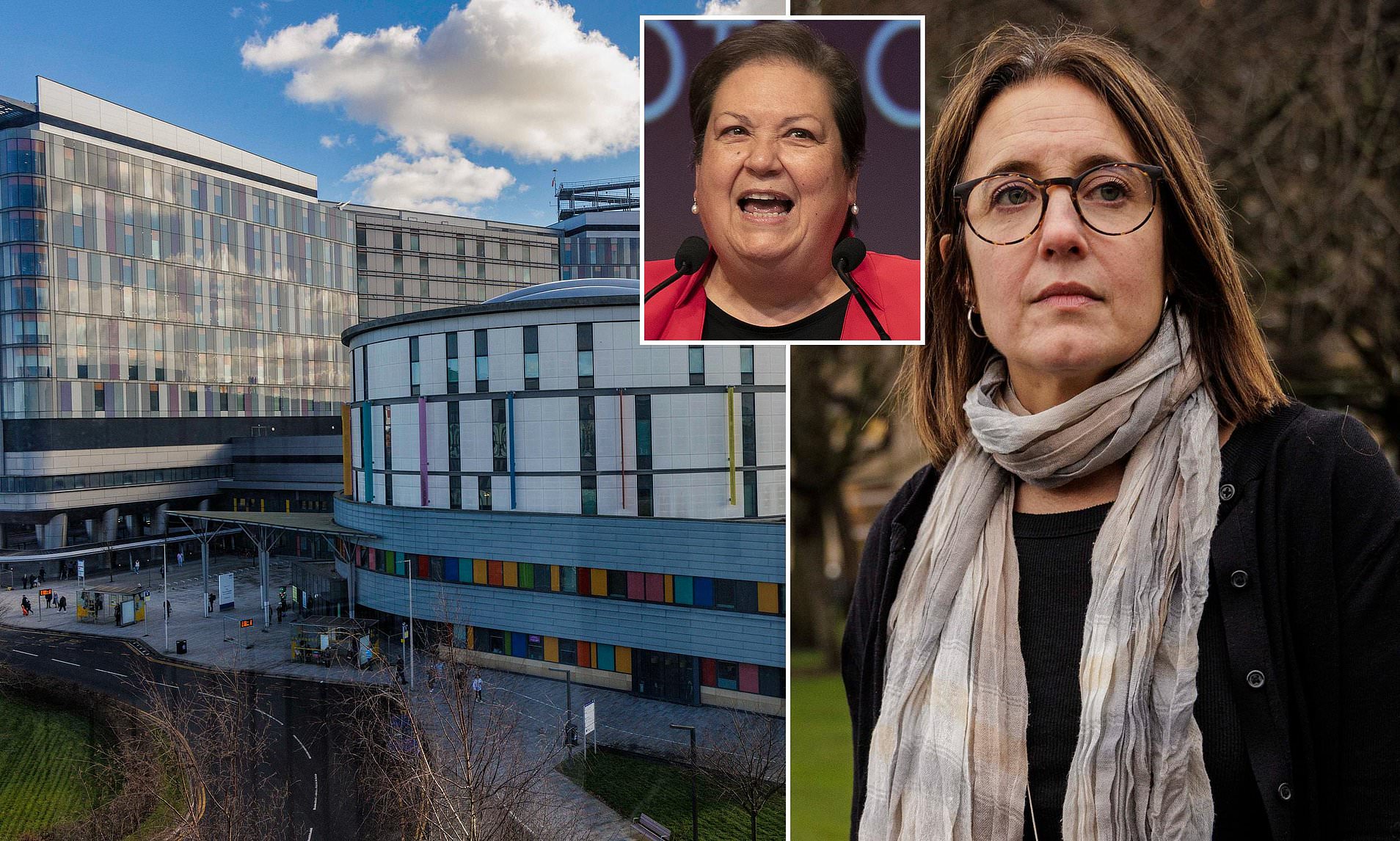
Serious concerns are mounting over the safety and cleanliness of a vital cancer treatment ward at Scotland’s scandal-plagued Queen Elizabeth University Hospital (QEUH). In the past six months, a staggering five rooms on the bone marrow transplant unit have been forced to close due to issues with water damage and mould, with one closure occurring just days ago. This represents more than a fifth of the 24 rooms available on this critical unit.
The revelations come as the £1 billion QEUH, intended to be a state-of-the-art facility, continues to grapple with a decade-long saga of operational problems and patient safety failures.
A Pattern of Closures and Contamination Fears
The latest room to be sealed off was on March 4th, a consequence of a leaking water connection. This occurred on the very same day that First Minister John Swinney expressed confidence in the site’s safety. Currently, three rooms remain shut.
Further details have emerged regarding two other rooms that were closed in the week ending February 20th, 2026. NHS Greater Glasgow and Clyde (NHSGGC) stated these were shut “as a precaution” due to “marks on the ceiling in one room.” Five days later, an infection alert, known as a Healthcare-Associated Infection Alert Team (HIIAT), was issued in relation to these closures. While NHSGGC has confirmed that some patients were “clinically investigated” following this incident, they maintain that all have since been discharged and are not causing concern. The exact cause of the HIIAT and whether it was linked to patient infections remains undisclosed.

Patients undergoing bone marrow transplants are particularly vulnerable, possessing severely compromised immune systems. They require a heightened level of protection from infections within a hospital environment. The history of the QEUH is already marred by documented cases where dozens of cancer patients contracted rare bugs, with a government-commissioned review suggesting a link between approximately 30 cases and the hospital’s water or ventilation systems.
Adding to the growing list of issues, a third room was closed on March 4th, 2026, due to a leak from a hose connected to the heating battery. This leak has since been repaired. The day after this closure, the health board escalated the infection alert for the ward to “red,” the highest level. Minister John Swinney later informed MSPs that this escalation was to “acknowledge the heightened public anxiety around this matter,” and not due to any increased risk to patients.
These recent closures follow two rooms being shut in August last year due to concerns about leaking ensuites. At the time, NHSGGC deemed the incident not to require an infection alert.
Political Scrutiny and Calls for Transparency
The ongoing revelations have drawn sharp criticism from opposition parties. Scottish Conservative health spokesman Dr. Sandesh Gulhane MSP stated that “Despite John Swinney’s blithe assurances, there are clearly serious ongoing issues with safety and cleanliness that pose a danger to patients.” He questioned the “veracity of what we’ve been told by SNP ministers and health board chiefs” and demanded an end to “secrecy and spin.”
Scottish Labour Health spokeswoman Jackie Baillie echoed these sentiments, suggesting that “John Swinney may have been misleading the Parliament and the public over the safety issues at this hospital.” She emphasised that “Patient safety has to come first,” and criticised the Health Board and the SNP government for appearing to focus on “protecting their own reputations.” Baillie urged for an end to “secrecy and cover-up” to reveal the truth about the QEUH.
Health Board’s Response and Public Anxiety
Despite the serious nature of these room closures and leak concerns, the health board failed to mention them at its latest board meeting or in a recently published “Reassurance update,” which was intended to alleviate public anxiety. A spokeswoman for NHSGGC stated that room closures “would not be discussed at any board meeting unless there was ongoing governance concern.”
Louise Slorance, whose husband Andrew died at the QEUH in 2020 while awaiting a stem cell transplant, expressed her deep concern. “Any signs of water damage have the potential to pose a risk to transplant patients,” she said. “It’s vital that the health board focus not on downplaying this ongoing incident but on making sure patients affected are appropriately followed up and all signs of water leakage are fully removed from this high-risk ward, and the source of leaks repaired. Patient safety much come before reputation.”
A Troubled History for the QEUH
The QEUH campus has been a site of persistent problems since its opening a decade ago. The Scottish Mail on Sunday previously reported that NHS chiefs admitted dirty water at the site was likely linked to rare infections in children undergoing cancer treatment. The health board has also been named as a suspect in a corporate homicide investigation examining the deaths of four patients, including Milly Main, aged 10, and Gail Armstrong, aged 73. The deaths of Andrew Slorance, Tony Dynes, and Molly Cuddihy are also under investigation by the Crown Office.
A Scottish Government spokesman indicated that they are “in close contact with NHS GGC in relation to Ward 4B and we receive regular updates to maintain an accurate picture of any ongoing developments.”