Atlassian Slashes Workforce by 1600 Amid “AI Era” Pivot
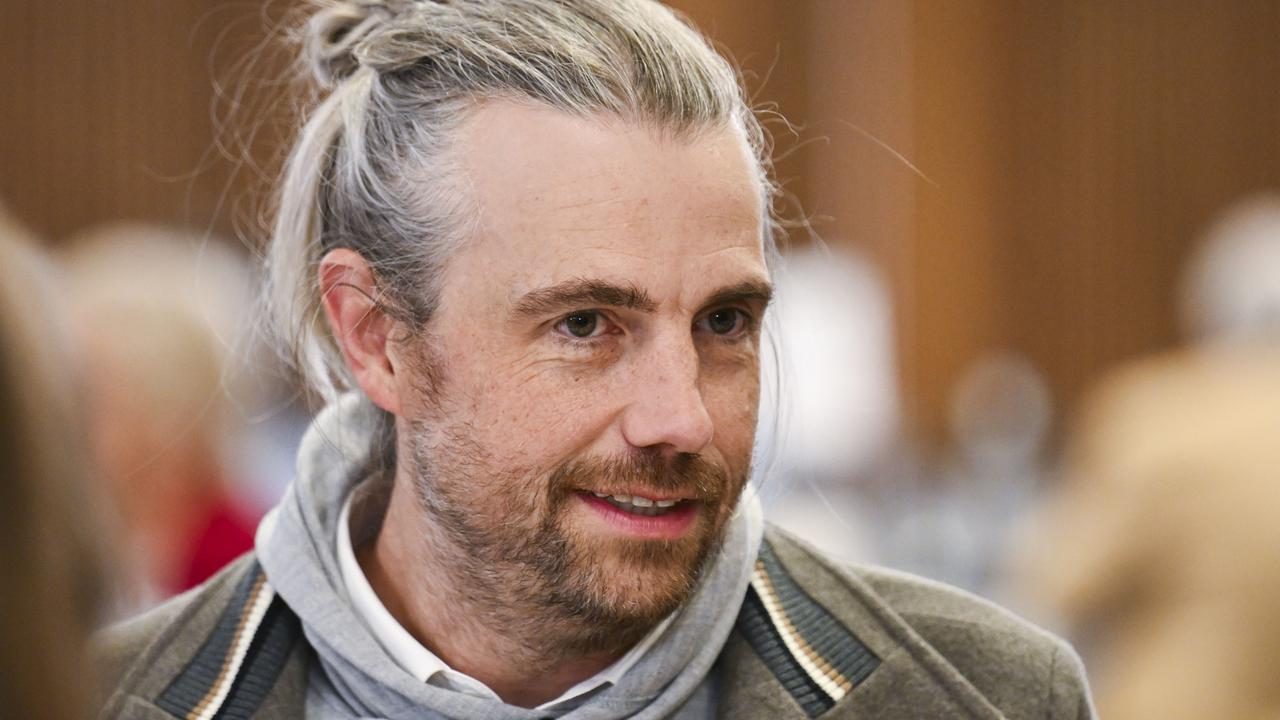
Tech giant Atlassian, headquartered in Sydney, has announced a significant workforce reduction, cutting approximately 1600 jobs globally. This substantial layoff, representing about 10 per cent of its total workforce, is a direct response to the evolving landscape shaped by artificial intelligence. The company disclosed these redundancies in a filing with the Securities and Exchange Commission (SEC) on Thursday morning.
Of the affected roles, roughly 30 per cent, equating to 480 employees, are based in Australia, a company spokeswoman confirmed.
“These actions are intended to rebalance the Company to accelerate building the future of teamwork in the AI era,” the statement from Atlassian read.
In an internal communication to all staff, Chief Executive Mike Cannon-Brookes outlined the process, informing employees they would receive an email within 20 minutes indicating if their position had been impacted or if consultations were commencing in their region.
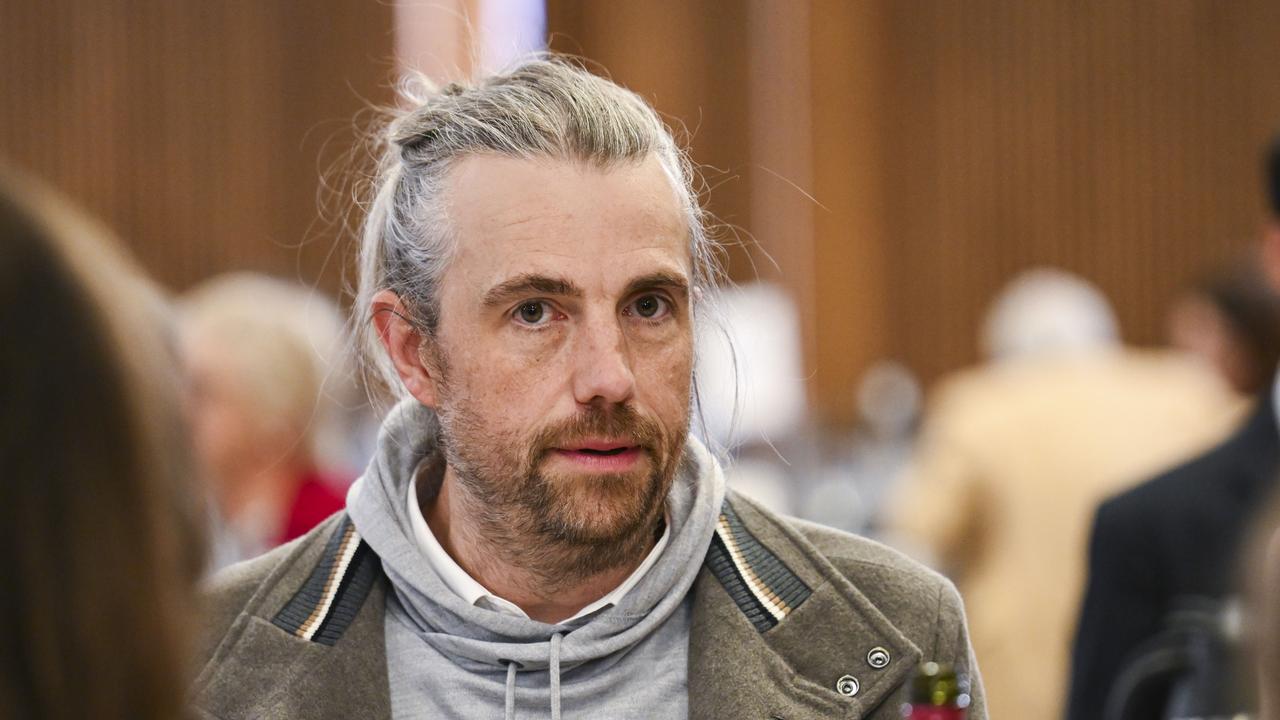
Cannon-Brookes articulated Atlassian’s strategic shift, declaring the company is reframing itself as an “AI-first company.” While he stressed that artificial intelligence would not directly replace human roles, it is the fundamental catalyst for this organisational change.
“We fundamentally believe people and AI create the best outcomes,” he stated. “Our approach is not ‘AI replaces people’. But it would be disingenuous to pretend AI doesn’t change the mix of skills we need or the number of roles required in certain areas. It does.” He further explained, “This is primarily about adaptation. We are reshaping our skill mix and changing how we work to build for the future.”
Employees whose roles are impacted will receive a comprehensive separation package. This includes a minimum of 16 weeks’ pay globally, with an additional week for each year of service. Pro-rata bonuses for FY26, a $US1000 technology stipend upon the return of company laptops, and an extended six-month period of paid health care coverage for eligible employees and their families are also part of the package.
“I believe this is the right decision for Atlassian,” Cannon-Brookes acknowledged. “But that doesn’t mean it’s easy. Far from it. I know this has a huge impact on each of you, and it weighs heavily on me and Atlassian today.” He detailed the rationale behind the move: “We are doing this to self-fund further investment in AI and enterprise sales, while strengthening our financial profile. We’re also changing the way we work and reorganising around our System of Work to move faster.”

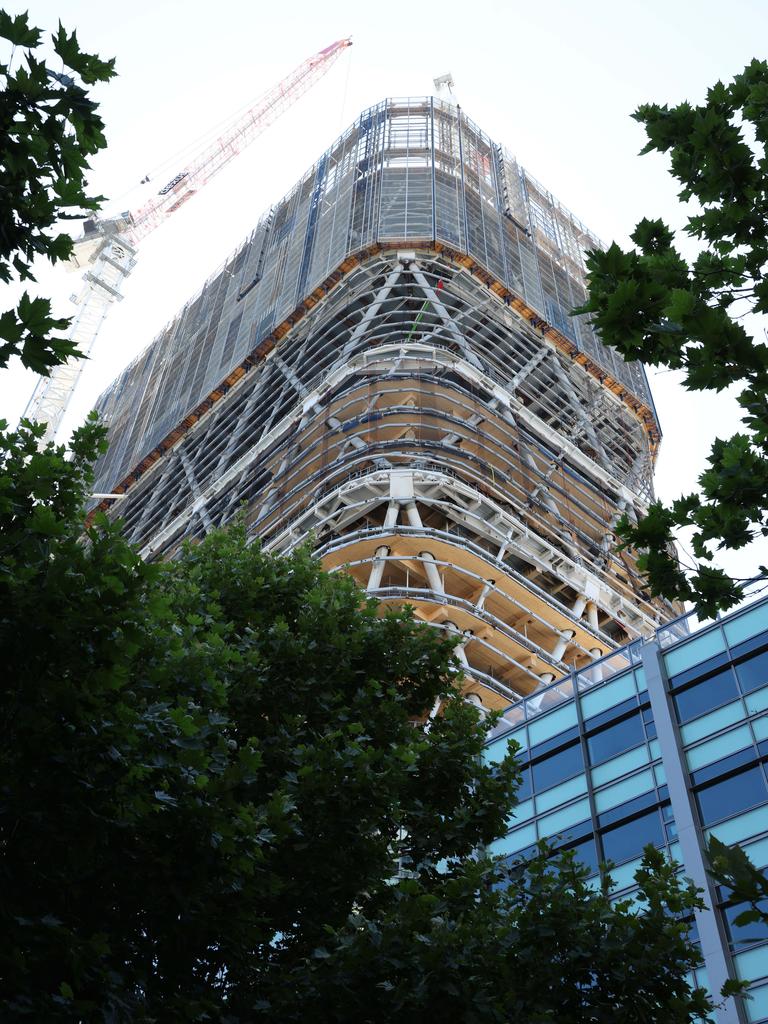
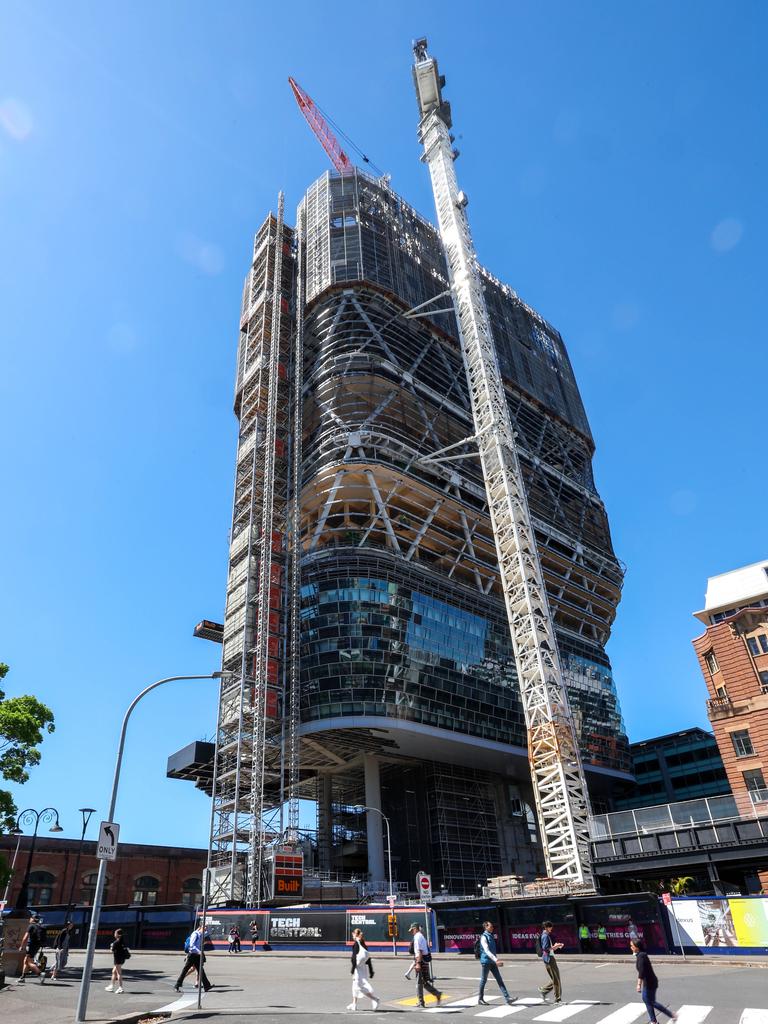
The financial implications of this restructure are estimated to cost Atlassian up to $US236 million. The majority of this expenditure is allocated to severance packages, with the remainder covering “exit charges associated with office space reductions.” Notably, the company’s new $1.45 billion headquarters in Sydney remains under construction.
Billionaire Co-founder’s Wealth Dip Amidst Tech Sell-off
This period of significant restructuring for Atlassian coincides with a substantial financial downturn for its co-founder, Mike Cannon-Brookes. As one of Australia’s wealthiest individuals, Cannon-Brookes has seen his net worth plummet by approximately $7.2 billion, a consequence of a broader global tech sell-off driven by anxieties that AI could render established tech companies obsolete.
The climate activist and staunch advocate for net-zero emissions, who was worth an estimated $14.9 billion last year, now holds a net worth closer to $7.7 billion. This decline is largely attributed to the persistent downward trend in Atlassian’s share price.
Despite these market pressures, Cannon-Brookes has publicly dismissed claims that AI poses an existential threat to his company, labelling them as “ludicrous.” Atlassian, a prominent Australian-American software company renowned for its products in software development, project management, and team collaboration, has experienced a dramatic fall in its NASDAQ-listed share price, plummeting nearly 74 per cent over the past 12 months.
A primary driver of this share price erosion is the growing investor apprehension that advanced AI technologies, such as the “AI Agents” released by companies like Anthropic and OpenAI in early February 2026, could automate tasks and code generation, potentially displacing Atlassian’s core user base of human software developers.
Furthermore, Atlassian’s revenue model, which relies on the number of “seats” or users a company subscribes to, is vulnerable to AI-driven efficiency gains. If a company can utilise AI to perform the work of ten individuals with only two, Atlassian could face an 80 per cent reduction in revenue from that client. The increasing capabilities of AI in performing technical roles, including coding, also raise concerns about the future demand for IT staff within large corporate clients.
On the surface, Atlassian’s financial performance appears robust. The company reported an adjusted net profit of $US320.9 million in the December quarter, an increase from $US255.6 million in the same period the previous year. Total sales also saw a healthy 23 per cent growth, reaching $US1.6 billion. However, investors have evidently reacted negatively to projections indicating a slowdown in growth, anticipating a deceleration from 23 per cent towards the high teens. In the volatile stock market, such signs of slowing growth can trigger significant sell-offs.
Despite the market’s jitters, Cannon-Brookes has expressed optimism to investors about future opportunities, even as he has been consistently selling his own shares in the company. Reports indicate he was selling approximately 7665 shares daily in the month leading up to the financial results, with prices ranging from $US161.11 (AU$227) per share on January 8 to $US105.14 on February 4.
During an appearance on the 20VC podcast hosted by venture capitalist Harry Stebbings, Cannon-Brookes reiterated his stance on the “death of SaaS” narrative, calling it “ludicrous.” He asserted that Atlassian is not merely adding AI features to existing products but is fundamentally “building it” from the ground up, challenging the perception that the company is lagging in AI development.
Hiring Freeze and Internal Conflicts
In light of the share price volatility and AI-related concerns, Atlassian implemented a hiring freeze last month, halting recruitment for engineers and other related positions across its global operations. This abrupt cessation of hiring has led to widespread frustration among job seekers, with many reporting being “ghosted” or having job offers rescinded at the last minute.
Disgruntled applicants have taken to social media and professional forums like Blind to voice their disappointment. One individual shared on Blind, “Got an [engineering] offer… After three weeks of silence I finally messaged the hiring manager on LinkedIn they told me its a hiring freezing [sic].” Another post from the previous week detailed a similar experience: “Same my interview in 6 hours was just cancelled and all I was told was the position is no longer available. Very frustrating as I’ve been prepping for weeks.”
Atlassian, which typically employs over 12,000 people and maintains hundreds of open positions, now lists a significantly reduced number of vacancies. Its global jobs board currently displays only 40 roles in sales and a dozen positions for general interns and graduates.
Billionaire’s Private Jet Conundrum
Mike Cannon-Brookes, a prominent figure in Australia’s business landscape and a vocal proponent of environmental sustainability and net-zero initiatives, has also faced scrutiny regarding his personal carbon footprint. Late last year, he acquired a new private jet, a Bombardier 7500, acknowledging a “deep internal conflict” over the carbon-intensive nature of such travel.
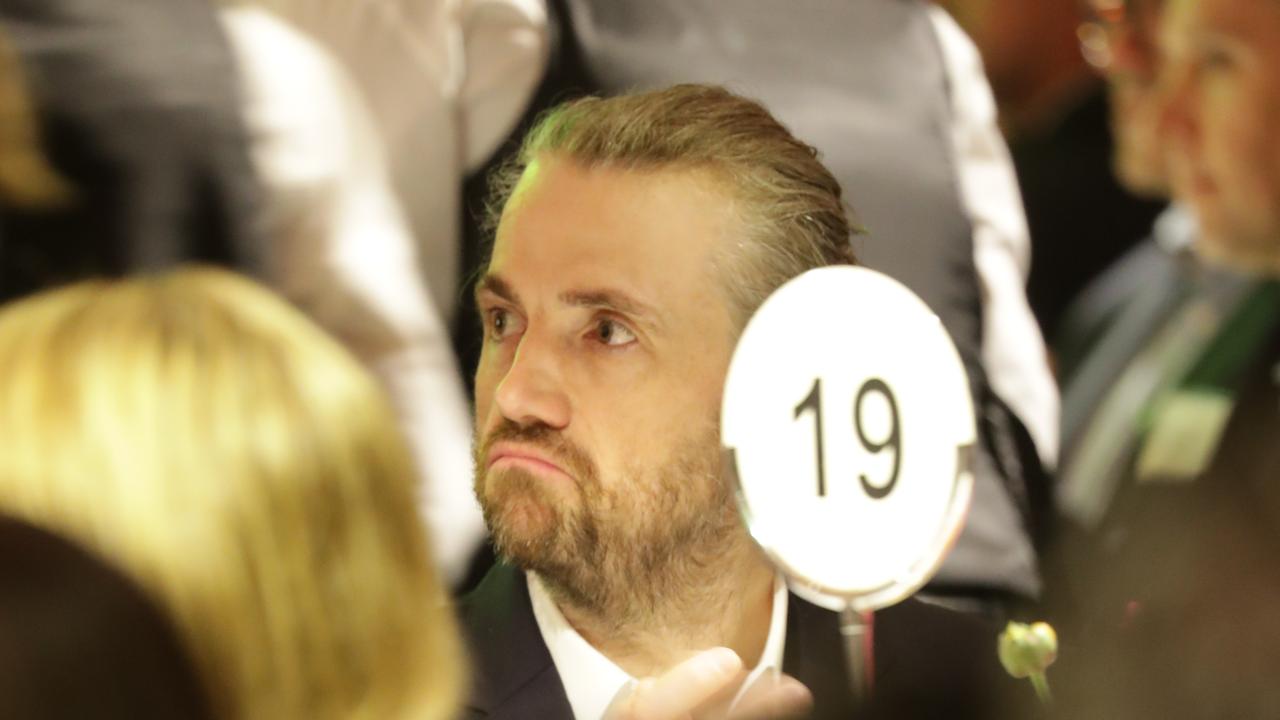
The Atlassian co-founder and CEO intends to use the jet for business travel, which spans his diverse global interests, including a minority stake in the Utah Jazz NBA team and a sponsorship with Formula 1. In a LinkedIn statement, Cannon-Brookes confirmed the purchase, admitting it represents a “carbon-intensive” mode of transport.
“I’m not denying I have a deep internal conflict on this,” he stated. “There’s a couple of reasons I’ve purchased a plane. Personal security is the primary reason (an unfortunate reality of my world) but also so I can run a global business from Australia, and still be a constantly present dad. So, this is a hard, continual trade-off I’ve decided to make.” He further commented, “Although private aviation is far from a big contributor to global emissions, it is a carbon-intensive way to travel.”
The Bombardier 7500 is equipped with GE Passport engines, offering a maximum range of 7700 nautical miles and a top speed of Mach 0.925, capable of carrying up to 19 passengers. Cannon-Brookes claims he will “far exceed” his personal carbon flight footprint through a “rigorous carbon regime,” incorporating direct air capture and sustainable fuels. He posits that these options, while not practical for commercial flights, are viable for private aviation, leading to flights with a “net negative carbon footprint.” He maintains his commitment to climate action remains strong, with a focus on large-scale impact through investments and philanthropy. Cannon-Brookes is a key investor in SunCable’s ambitious Australia-Asia PowerLink project, which aims to transmit solar energy from the Northern Territory to Singapore via an undersea cable.