Cyprus Tourism Feels the Pinch as Regional Tensions Escalate
British holidaymakers are reportedly cancelling trips to the popular Mediterranean island of Cyprus, fuelled by growing anxieties surrounding the escalating conflict in the Middle East. This comes despite assurances from Cypriot officials that the island remains a safe destination.
Cyprus, a perennial favourite for international travellers, welcomed an impressive four million visitors in 2025. A significant portion of this influx originates from the United Kingdom, with British tourists accounting for approximately one-third of all arrivals. However, the island’s strategic location in the eastern Mediterranean, a mere 100 miles from the coastlines of Lebanon and Syria, has placed it precariously close to a region experiencing mounting instability.
Recent events, including heightened tensions involving Iran, the United States, and Israel, have understandably cast a shadow over travel plans. A particularly concerning incident occurred on March 2nd when a drone, reportedly launched by a pro-Iranian militia, struck the British military base at RAF Akrotiri. This base is situated within the Western Sovereign Base Area, directly bringing the island into closer proximity with the unfolding regional security crisis.
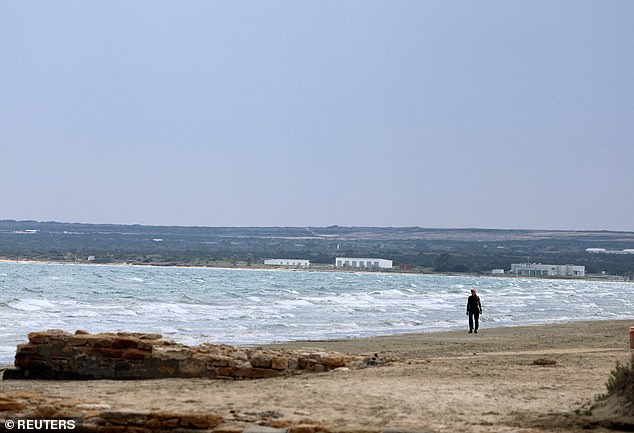
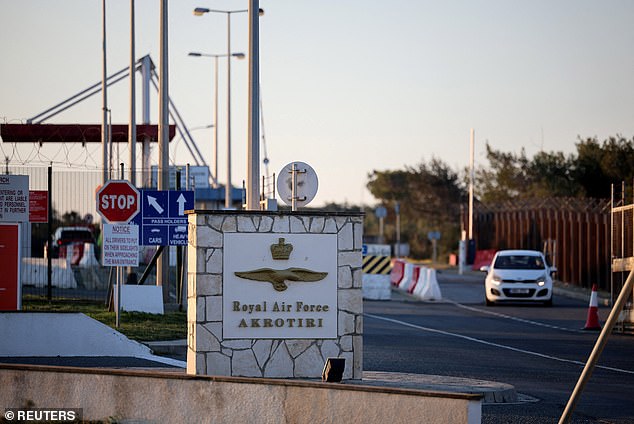
Following this drone attack, a noticeable ripple effect has been observed in air travel. Numerous flights to and from Cyprus have faced cancellations, with the Cyprus Mail reporting that as many as 36 flights were grounded on a single day. This uncertainty appears to be prompting potential tourists to re-evaluate their holiday aspirations. Local businesses, keenly aware of the approaching Easter holiday period, are expressing concern about the potential economic fallout from the conflict.
Vassilis Georgiou, a local business owner interviewed by The Guardian, shared that prospective visitors are indeed “thinking twice” about making the journey. He elaborated, “It may be early days, but I’ve been here since 1992, and suddenly hoteliers are saying bookings are down.” This sentiment is echoed by other establishments. One hotelier revealed to the i Paper that April bookings were running “about 10 per cent behind” compared to the same period last year.
Foto Kikillos, a representative from the Ayia Napa town hall, confirmed that “We’re hearing of cancellations.” While acknowledging the concerns, Kikillos was keen to stress the prevailing safety on the island. “Life here is very safe. People are enjoying themselves,” he stated, adding, “The last thing we want in Cyprus is to be dragged into this war.”
UK Response and International Naval Presence
The UK’s Foreign Office currently does not advise against travel to Cyprus. However, its travel advice for the island acknowledges the prevailing risks, stating: “Regional escalation poses significant security risks and has led to travel disruption.”
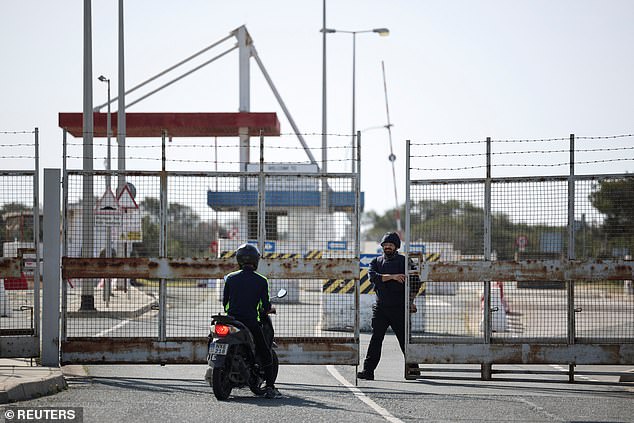
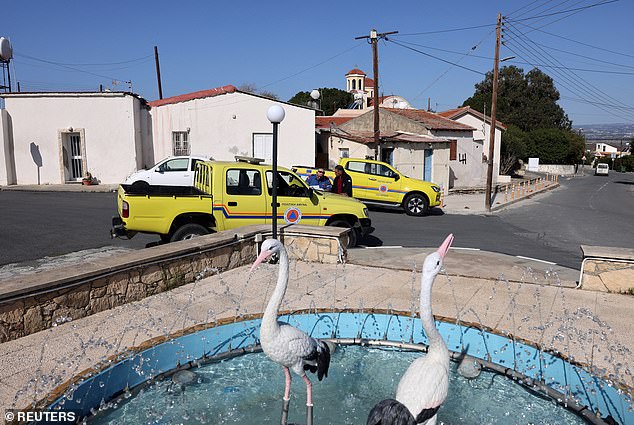

In a move aimed at bolstering the island’s defence against potential future Iranian attacks, the UK dispatched a Royal Navy warship, HMS Dragon, to the region this week. The Type 45 destroyer departed from Portsmouth on March 10th, a week after receiving orders to prepare for deployment to the Mediterranean. This deployment followed an apparent embarrassment for Britain, as France and other European Union and NATO states had already stepped in to send naval vessels to support the island’s defence in the aftermath of the drone strike on RAF Akrotiri.
While HMS Dragon was en route, with an estimated arrival time of about a week, a French aircraft carrier and other European naval assets were already in position around Cyprus. The crew of HMS Dragon were visibly present, lining the deck as the vessel navigated its departure from Portsmouth Harbour.
Broader Regional Context and Impact
The situation in Cyprus highlights the interconnectedness of global security and the far-reaching implications of regional conflicts. While officials strive to maintain confidence in the island’s safety, the visible impact on tourism bookings underscores the anxieties of potential visitors. The ongoing diplomatic and military responses from various nations aim to de-escalate tensions and prevent further incidents, but the immediate concern for Cyprus remains the potential disruption to its vital tourism sector. The coming weeks will be crucial in determining the short-term impact of these regional events on the island’s economy and its appeal as a holiday destination.