As the days lengthen and the mercury begins to climb, there’s a palpable shift in the air, heralding the arrival of spring and, for many, the much-anticipated Gardener’s World. This annual return signals more than just lighter evenings and the triumphant return of laundry drying on the line; it also points to the approaching Easter break. While the allure of chocolate eggs is undeniable, a sugar-fuelled Easter holiday for the kids can quickly lead to an energetic, and perhaps slightly chaotic, household. This year, why not channel that boundless energy into the great outdoors? The Easter holidays present a perfect opportunity to engage children in the garden, fostering fun, learning, and a healthy dose of outdoor activity.
Dickon Harding, the Gardens and Landscape Manager at Raby Castle, Park and Gardens in County Durham, describes Easter as a period of “reawakening” for the garden. “After a long, cold winter, everything is springing back to life, making its presence felt,” he remarks with a knowing smile. “For any gardener, it’s a time of genuine celebration and immense relief.” He highlights the unique chance for children to witness and understand the intricate workings of a garden and the natural world. “We can observe its progress as new growth emerges, watching it develop from the smallest beginnings,” Harding explains.
He stresses the importance of igniting a passion for gardening in children from a young age. “The children we engage today are the naturalists of the future,” he asserts. “With the environment and conservation becoming increasingly critical, it’s vital that we foster an awareness of our green spaces and our role in caring for them.”
No Garden? No Problem!
The reality is, not everyone has expansive gardens. Perhaps you have a compact patio, a breezy balcony, a single pot adorning your doorstep, or even just a sunny windowsill. The good news is, a lack of a traditional garden doesn’t preclude you from experiencing the joys of nature.
“With my own children, wherever we went, we’d always be looking at what was around us. Even in the car, you could see the trees coming into leaf,” Harding recalls. “Bird, animal, and insect life is all around us, regardless of whether we have a garden. It’s about taking the time to point these things out to our children.” Beyond your immediate surroundings, local parks and larger garden attractions like Raby Castle, National Trust, and English Heritage properties offer fantastic opportunities for exploration.
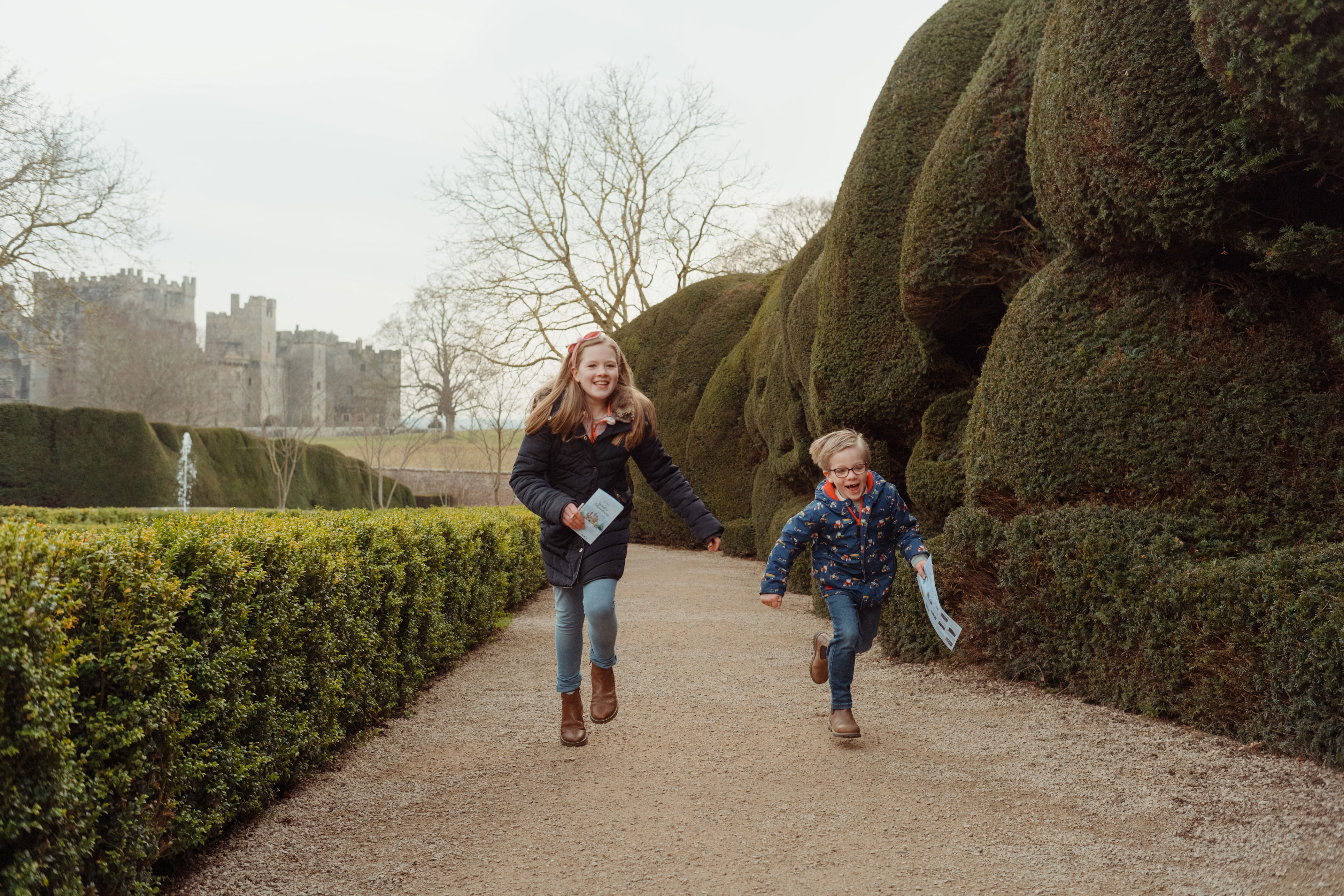
Eight Engaging Easter Garden Projects
Encouraging children to don their wellies and coats can sometimes feel like a challenge, but the rewards are well worth the effort. “There’s a certain amount of effort required,” Harding concedes. “The key for any parent is to find activities that the children genuinely enjoy.”
Sow Seeds: Whether sown directly outdoors or started indoors on a windowsill, seed sowing is a fantastic introduction to the growth cycle. Harding recommends broad beans as an excellent starting point. “They’re such large seeds, we can split them open and examine the internal structure even before they begin to grow,” he suggests. “Sunflowers are another superb choice; they develop into such magnificent, tall plants by the end of the season.”
For an Easter twist, try sowing seeds in hollowed-out eggshells, filling them with soil and planting your chosen seeds. Alternatively, scatter a packet of wildflower seeds across bare earth, lightly rake them in, and water them to encourage a vibrant display.Build a Bug Hotel: Raby Castle features a communal bug hotel that visitors can contribute to throughout Easter, making it increasingly elaborate. “You don’t need to construct a grand structure like ours,” Harding reassures. “A simple and effective bug hotel can be made using an empty plastic bottle and some rolled-up newspaper.” Other creative options include a simple pile of twigs and leaves, stacked cut branches, or even a pallet stuffed with cardboard tubes and bits of bamboo, providing a haven for minibeasts.

Hunt for Creepy Crawlies: “Children absolutely love discovering something wiggly and intriguing beneath rocks and stones,” Harding observes. “Lift a few stones and see what fascinating creatures reside underneath.” Inspecting rotting logs or carefully digging a small patch of earth in the garden, ready for planting, can also reveal the presence of earthworms and other fascinating invertebrates.
Create Willow Structures: “I cultivate a lot of willow, which is wonderfully versatile for creating structures like small wigwams that plants can climb,” Harding shares. Willow stems are readily available at most garden centres or can be purchased online. These can be woven together and secured with twine to create natural supports for climbing plants.
Build a Pond: “Water is absolutely vital in any garden, even if it’s just a simple bucket or a repurposed half-barrel,” Harding emphasises. “I have some substantial ponds, and each spring, I witness incredible annual migrations of toads. Amphibian life is a source of endless fascination for children.” Introducing water features not only provides essential habitats for pollinators, benefiting your plants, but also opens up a world of discovery for young minds.
Spot the Birds: Station the children near a window with some snacks and encourage them to create a list of the birds they observe. “A bird is not simply ‘a bird’,” Harding explains. “There are hundreds of different species, and it’s about taking the time to identify them, notice their distinctions, listen to their calls, and observe their behaviours.” For assistance with identifying birdsong, consider downloading the Merlin Bird ID app.
Set Up a Camera Trap: Do you have a bird box or an interest in discovering your garden’s nocturnal visitors? Placing a wireless camera inside a bird box can reveal which feathered friends decide to nest there. Alternatively, a camera trap strategically placed in the garden can capture footage of hedgehogs, squirrels, foxes, and even badgers. “There is an astonishing amount of life in the garden, and much of it is highly active during the Easter period,” Harding notes.
Maintaining the Momentum
Simply sowing a seed and then neglecting it won’t create a lasting impression or foster a lifelong appreciation for gardening. “The trick is to keep children engaged throughout the entire process,” Harding advises. “If we embark on seed sowing, we must nurture those seeds. We need to water them, protect them from pests and weeds, and maintain that engagement throughout the season. It’s not about forgetting about them, but rather about establishing a routine, like saying, ‘Don’t forget it’s Tuesday. Today, we check on our plants.’”
Ultimately, it’s about “spending quality time with the children. That’s what truly makes a difference,” Harding concludes. “It becomes a more enjoyable experience for the parents too, being out in the garden; they’ll derive just as much satisfaction and enjoyment as the child.”