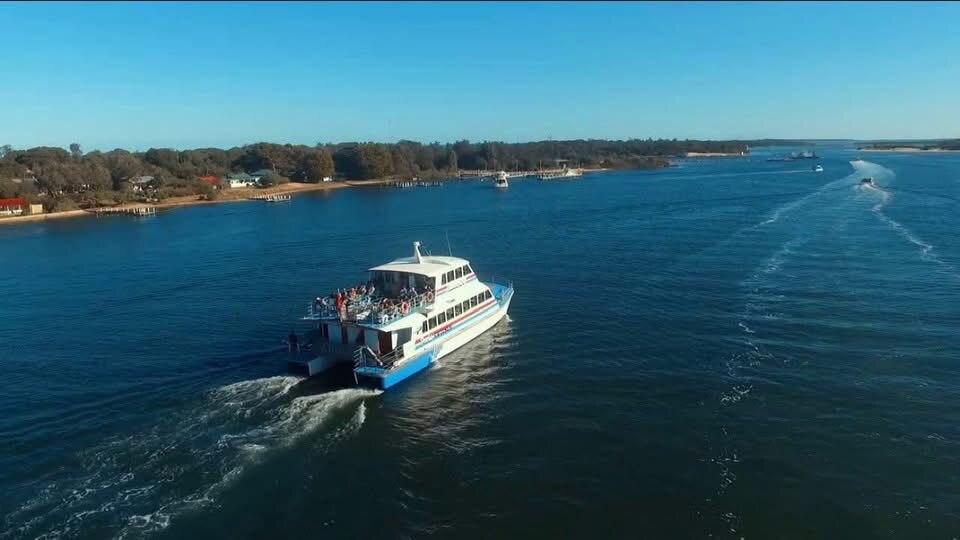
Nestled amidst the stunning Gippsland Lakes, Peels Cruises, a family-run operation for four generations, is bracing for its busiest period of the year as Easter approaches. However, the rising cost of fuel is casting a shadow over the picturesque waterway, with operator Amanda Peel expressing concern that potential travellers might be deterred by the increased expense.
“People might want to get out and about, but they’ve got to weigh up whether that extra $20, $30, or $50 for fuel can stretch their budget further,” Ms Peel explained. “We’re hopeful people will still make their way down here, but we absolutely understand the financial pressures everyone is facing.”
The ripple effect of these escalating fuel costs is being felt nationwide. Recent figures from the Australian Institute of Petroleum indicate a significant jump in the national average petrol price, rising by 17 cents in the past week to reach $1.98 per litre. In some areas of Victoria, motorists are already contending with prices as high as 229.9 cents for a litre of unleaded fuel.
This latest financial strain, exacerbated by global events such as the conflict in the Middle East, presents yet another challenge for regional tourism operators. It follows a series of setbacks, including devastating bushfires, widespread floods, and the lingering impact of the global pandemic.
“Every hit we take, especially in the tourism sector, sets us back considerably,” Ms Peel noted. “Any dip in visitor numbers is incredibly tough. We still have to maintain our vessels, we still have to keep them fuelled up.” She added that the surge in petrol prices directly impacts her business’s profit margins and could pose a “real problem” if the trend continues unabated.
Broader Impact Across Victoria’s Tourism Landscape
The financial pressure on both travellers and tourism providers is not confined to the Gippsland Lakes region. The Australian Tourism Industry Council’s chief executive, Erin McLeod, highlighted that the ramifications of elevated petrol prices will be widespread across regional Victoria.
“Drive tourism is, in essence, the lifeblood of many regional destinations,” Ms McLeod stated. “When we witness fuel costs climbing, it forces individuals to re-evaluate their travel plans and make difficult decisions about their holiday arrangements.”
While she anticipates that people will still embark on holidays, Ms McLeod suggested that their travel habits might undergo a transformation due to the increased expenditure. “Our industry is often one of the first to be affected by global events and frequently among the last to fully recover,” she observed. “It might not necessarily mean that people forgo travel altogether; rather, we could see a shift towards shorter trips or a preference for destinations closer to home.”
The Caravan Industry Adapts to Shifting Travel Habits
Echoing these sentiments, the caravan industry in Victoria also acknowledges the influence of higher fuel prices on tourism trends. Daniel Salberg, the chief executive of Caravan Industry Victoria, indicated that while fuel costs are a significant consideration for travellers, most are opting to modify their itineraries rather than cancel their plans entirely.
“Regional tourism relies heavily on the caravan sector, with a substantial 91 per cent of all trips undertaken by caravanners heading to regional areas,” Mr Salberg explained. “However, I believe people will simply adjust their trips and their activities accordingly.”
He elaborated on the seasonal patterns observed in the industry, noting, “The summer period is our peak season, accounting for roughly 60 per cent of activity, followed by the Easter period with about 38 per cent. We’re seeing a trend where people are undertaking more frequent, but shorter, trips. Journeys within a two-hour radius of their current location or home base appear to be becoming the new norm.” This adaptation demonstrates the resilience of the Australian tourism industry, as travellers find innovative ways to explore the country despite economic headwinds.