

My first encounter with Fez was less than ideal. Plastered against a toilet bowl, I made a solemn vow: “Never again.” I’d stumbled into what felt like the ninth circle of hell, courtesy of a rather aggressive bout of Moroccan food poisoning. Even before touching down in Fez, a sense of unease had settled in. The welcome wasn’t exactly warm; the weather mirrored the dreary conditions I’d left behind in the UK, with whispers of “the worst rainfall in 40 years” circulating. Not exactly the sun-drenched escape I’d envisioned.
This was the unpromising start to what proved to be a challenging trip. However, now that my bags are unpacked and my digestive system has finally returned to its factory settings, I’m beginning to suspect that perhaps the problem wasn’t entirely Fez’s fault. A few different choices, and my journey to this unique Moroccan city could have been an entirely different experience.
Discovering Fez: A City Steeped in History
Beyond its association with a certain style of hat, Fez is Morocco’s oldest imperial city. Established in 808 AD, it once thrived as a centre for creatives, philosophers, and scholars, serving as the nation’s capital intermittently for approximately 800 years. Remarkably, the world’s first university, founded in 859 AD by Fatima al-Fihri, is also located here.

The city itself is a visual feast. Streets are adorned with a kaleidoscope of colourful tiled mosaics, and its residents are fiercely proud of their heritage, generally extending a warm welcome to visitors.
Navigating the Labyrinth: The Medina of Fez
Fez is broadly divided into three distinct zones: Fez el-Bali, commonly known as the Medina; Fez el-Jdid, the “new” Fez which, despite its name, is still centuries old and houses the historic Jewish Quarter; and Ville Nouvelle, the most modern district developed by French colonisers in the early 1900s.
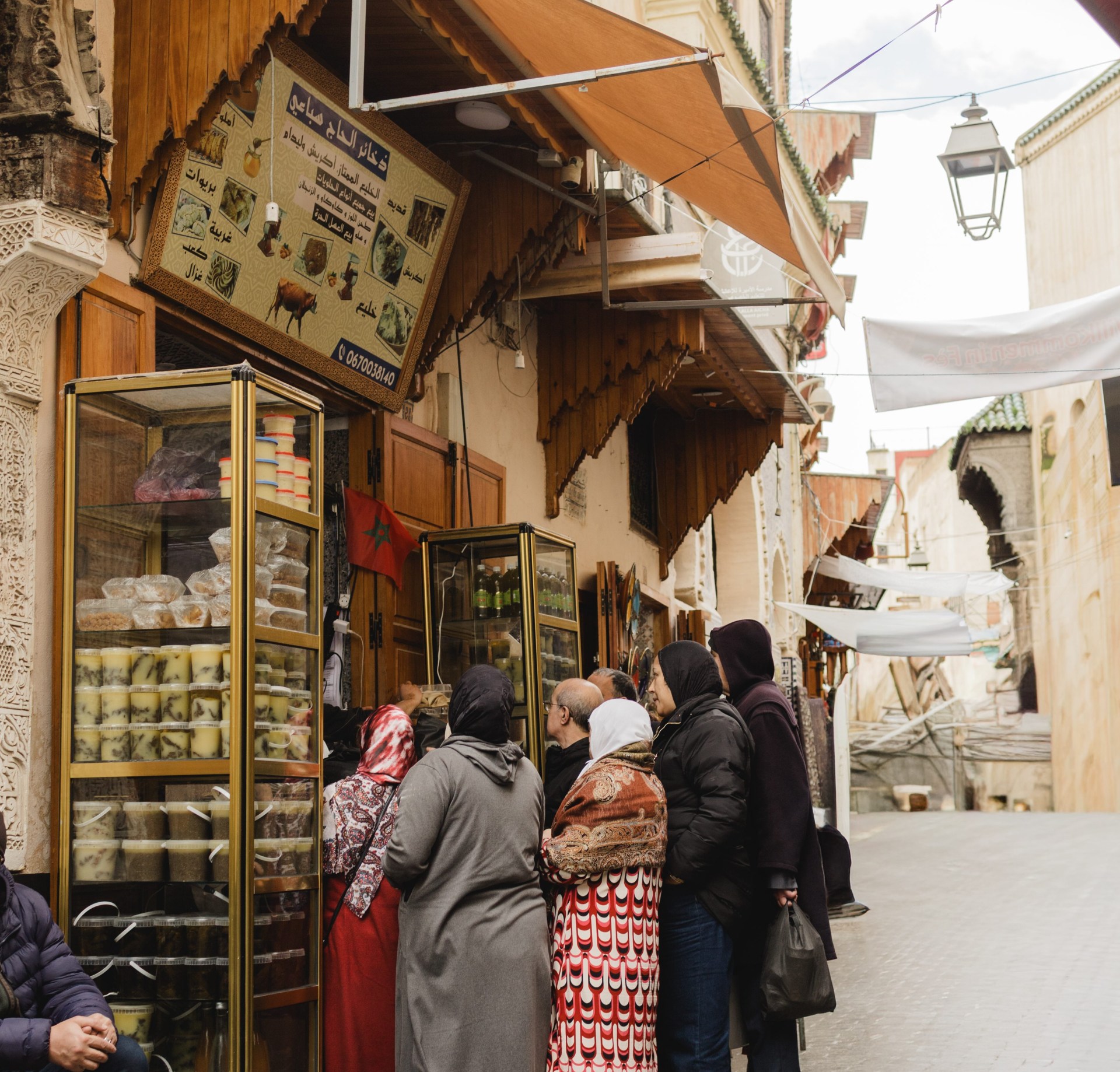
Of these, the Medina is undoubtedly the pulsating heart of Fez. This UNESCO World Heritage site is a sprawling labyrinth of an estimated 9,000 narrow streets, packed into an area roughly equivalent to two Hyde Parks, and home to around 150,000 residents.
Wandering through the Medina is an assault on the senses – in the best possible way. Shops overflow with vibrantly coloured ceramics, handcrafted shoes, and intricately woven rugs. The potent aroma of strong Moroccan coffee hangs in the air, offering a natural pick-me-up. Market stalls are piled high with local produce: plump figs, countless jars of olives, and freshly baked flatbreads emerging from communal ovens. Cats lounge near butcher stalls, seemingly oblivious to the live chickens nearby.

Significantly, the Medina is entirely pedestrianised, meaning no traffic to contend with, though you might need to sidestep the occasional donkey and cart. It’s a wonderfully chaotic, and at times overwhelming, experience. To truly appreciate its intricacies and avoid getting hopelessly lost, booking a walking tour is highly recommended.
I opted for the ‘Fes: Museum, Al Attarine Madrasa & Tannery and Medina Tour’ through Get Your Guide. For just £10 per person and lasting three and a half hours, it was an absolute bargain. Our expert guide led us through key sites, including the Nejjarine Fountain, the Chouara Tannery (famous for its traditional leather dyeing), and the Bou Inania Madrasa, a stunning example of a historical Islamic college.

The tour also included a stop for lunch at the Palais Mnebhi, a grand 20th-century palace where the Treaty of Fez was signed. Today, it operates as a Moroccan restaurant and has even hosted celebrity diners, including Madonna. For a more relaxed dining experience within the Medina, Fez Cafe offers a charming, plant-filled terrace serving local delicacies.
A Taste of Fez: The Joy of a Cooking Class
The absolute highlight of my trip was undoubtedly a traditional Moroccan cooking class. Hosted by Jessica and Mohamed, a delightful couple, we were welcomed into their home, Dar Sunrise, nestled within the Medina. Jessica, originally from Hong Kong, met Mohamed ten years prior while on holiday in Morocco. He was working at the Riad where she was staying, and as she recounted, “it was love at first sight.” Jessica believes she is the only Hong Kong expatriate currently living in Fez, where she resides with Mohamed, his family, and their young daughter.

Our culinary journey began with our head chef, Yassin, who quizzed us on our cooking preferences while we enjoyed a delectable assortment of Moroccan biscuits, including the irresistible ghriba, a peanut shortbread. Following this, Mohamed led us on a market expedition to procure fresh ingredients – whatever we fancied for our meal went straight into the basket.
Back in the kitchen, the real cooking commenced. Yassin and his sister skillfully guided us, making us feel involved as we chopped, sliced, seasoned, and sautéed. Their expertise was evident, even though they modestly downplayed their skills. The atmosphere in the compact kitchen was infectious, filled with Moroccan music and the tantalising aromas wafting from simmering tagines and pots on the stove. An impromptu dance break erupted when Yassin produced the garagab, a percussion instrument resembling iron castanets, and invited us to try our hand – with predictably amusing results.
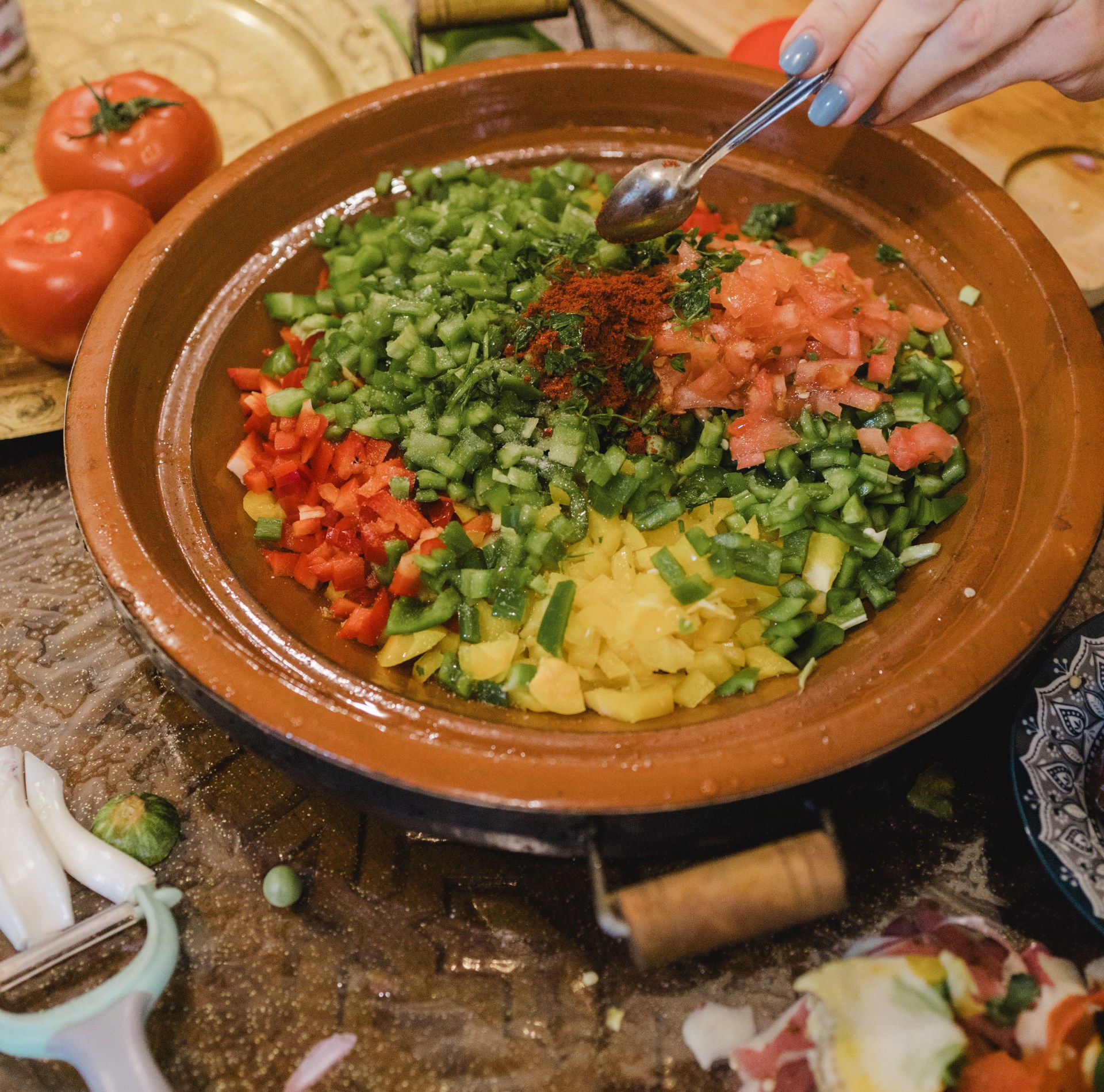
Finally, the feast was ready. We savoured a spread including vegetable tagine, tagine kafta (meatball tagine), and lamb with fried eggplant, among other dishes. The undisputed star of the meal was the magnificent pastilla, a traditional sweet and savoury pie made with shredded chicken, spices, and almonds. You absolutely must try one during your visit to Fez.
The hygiene standards in the kitchen were impeccable. If you have concerns about food safety, as I did after my earlier experience, it’s advisable to avoid raw fruits and vegetables, ice in your drinks, and undercooked eggs – the latter being my personal downfall.
When to Visit: Embracing the Spring Sunshine
My visit in early February, hoping for a touch of winter sun, was met with unseasonably heavy rainfall. Following seven years of drought, Fez experienced unprecedented winter rains, a trend that climate experts suggest could persist due to climate change.

Unfortunately, Fez is not ideally equipped for wet or cold weather. Many tourist activities are outdoors, and homes are designed to stay cool. The staff at my Riad were constantly working to dry the tiled floors to ensure guest safety. Heating and insulation are also not standard features; my hotel mattress was equipped with not one, but two electric blankets.
Whether I was in my hotel room or dining out, I consistently felt too cold, despite packing a heavy coat. For this reason, I plan to return in spring, when average temperatures hover around a pleasant 25°C.
Cultural Nuances: Understanding Fez’s Conservative Nature
Fez is generally considered more conservative than other Moroccan cities, and it’s worth being aware of a few cultural points. While alcohol is not illegal and is available in more upmarket hotels and in Ville Nouvelle, it’s not widely served. You may also observe that men and women tend to socialise separately. I noticed during my time in the Medina that groups of men were frequently seen chatting and socialising, but this was less common among women.
Since my return, I’ve been asked about the prevalence of cat-calling. While I personally did not experience this, I dressed modestly and was accompanied by a male guide for most of my excursions. However, on my flight home, a fellow passenger shared his daughter’s distressing experience with harassment. These observations are not intended to deter visitors, but rather to inform potential travellers so they can make an educated decision about whether Fez aligns with their comfort levels before booking a trip.
Beyond the City Walls: Exploring Further Afield
The intensity of the city can be overstimulating at times, and on a future visit, I would definitely plan some excursions to explore the surrounding areas.
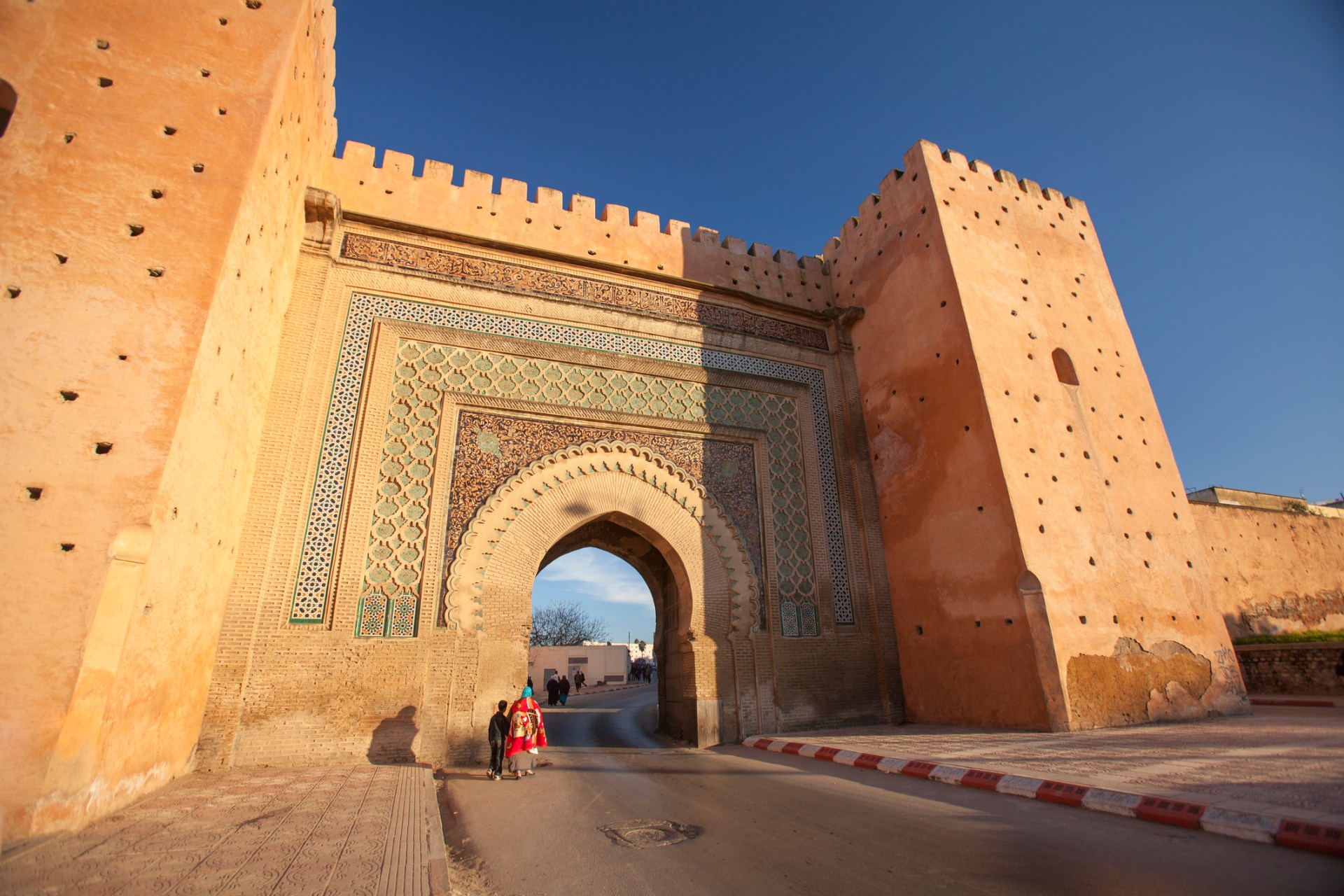
A popular day trip is to Meknes, often described as a more relaxed counterpart to Fez. Meknes also boasts its own Medina and a magnificent city gate, Bab Mansour, which is considerably larger than its Fez counterpart. An inscription on Bab Mansour proudly declares it “the most beautiful gate in Morocco.”
This excursion is frequently combined with a visit to Volubilis, an ancient Roman city abandoned around 300 AD. This UNESCO-listed site is considered the best-preserved archaeological site in Morocco.
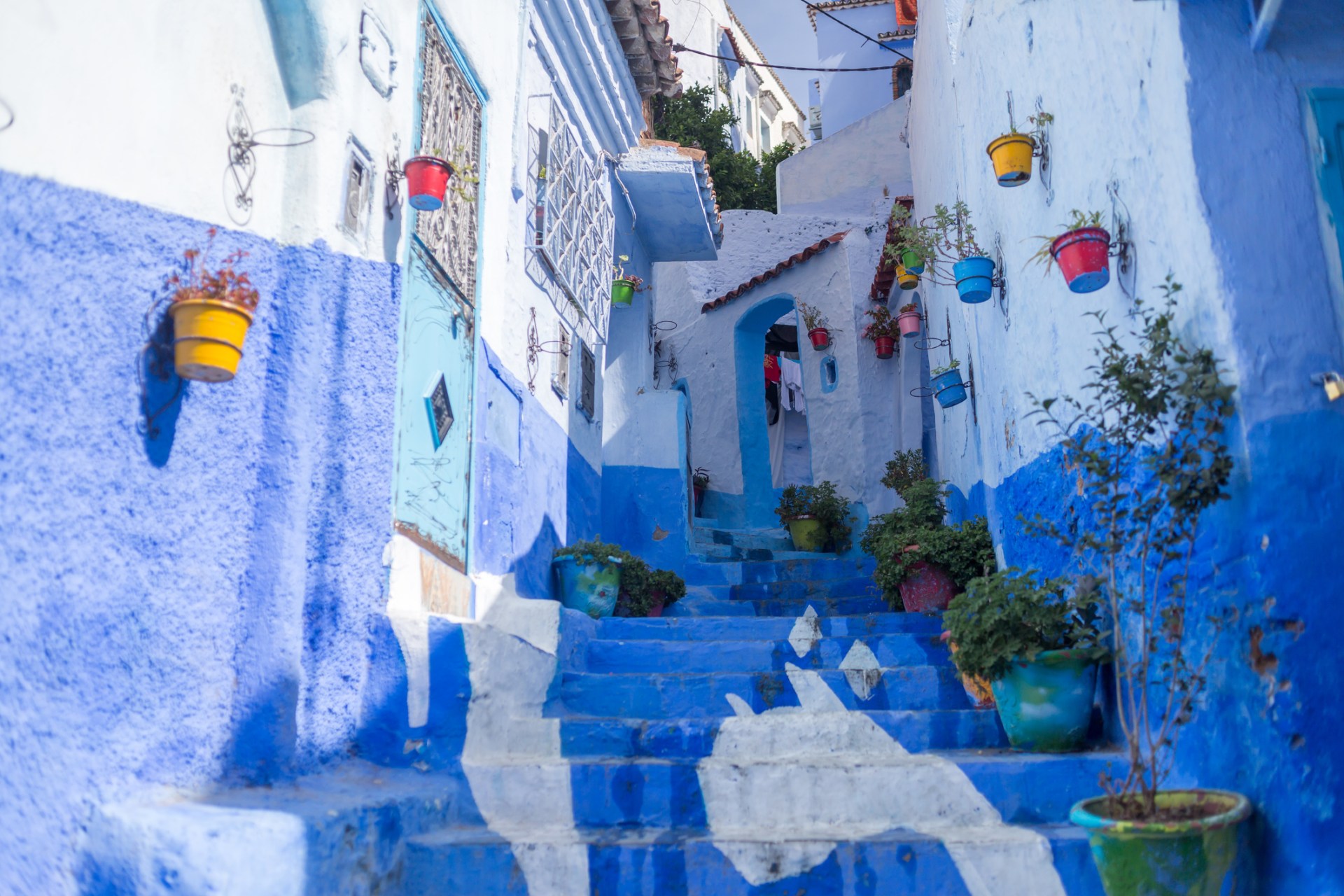
Another highly recommended excursion is to Chefchaouen, Morocco’s famed “Blue City.” Be advised, however, that the journey can take around four hours each way. Nestled in the Rif Mountains, this artistic village is painted in various shades of blue, a tradition believed to have been initiated by Jewish refugees after World War II.

Today, Chefchaouen attracts tourists eager to wander through its enchanting azure streets. For outdoor enthusiasts, hiking opportunities abound in the surrounding mountains, or a short drive can lead to the stunning Akchour waterfalls.
Practical Information: Flights and Accommodation
- Flights: Return flights with Ryanair from London Stansted to Fez can start from approximately £140.
- Accommodation:
- A deluxe room at Riad El Kadi/La Maison Bleue starts from around £200 per night.
- For a five-star luxury experience, a deluxe room at Hotel Sahrai begins at approximately £278 per night.


