World Cup Dream Derailed? Middle East Tensions Spark Travel Chaos for Football Qualifiers
The road to the 2026 FIFA World Cup is facing unprecedented disruption, with escalating geopolitical tensions in the Middle East creating significant logistical nightmares for teams vying for a spot in the expanded tournament. The immediate concern centres on crucial qualification matches, particularly Iraq’s inter-confederation play-off, which is currently hanging in the balance.
Originally slated for March 31 in Mexico, this pivotal fixture pits Iraq against either Bolivia or Suriname. It represents one of the final hurdles for teams from various confederations to secure one of the remaining coveted berths in the 48-team World Cup, set to be co-hosted by the United States, Canada, and Mexico.
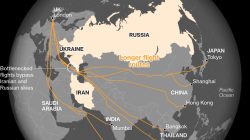
However, the path to Mexico is proving to be a treacherous one. According to reports, significant hurdles have already emerged for the Iraqi contingent. A number of players and essential team staff are reportedly still awaiting their visas, a critical step that has been hampered by the volatile regional situation. Compounding these issues, widespread airspace closures across the Middle East have severely complicated travel arrangements, making it exceedingly difficult for the squad to convene and prepare.
Coach’s Plea for Assistance
The gravity of the situation has not been lost on Iraq’s head coach, who has openly voiced his frustrations and concerns. The coach highlighted the immense challenges faced in assembling his team, stating that the current circumstances have made effective preparation “extremely difficult.”
In an urgent appeal, the coach implored for support, explaining the dire predicament of his players who are struggling to even depart Iraq. He suggested that a delay in the upcoming match could provide a much-needed lifeline, allowing the team adequate time to prepare properly for such a significant fixture.
The proposed alternative schedule involves Bolivia and Suriname playing their match first. Iraq would then face the winner of that tie at a later date, ideally closer to the commencement of the World Cup itself. This approach, he argued, would not only alleviate the current travel complications but also grant all participating teams more time to focus on their tactical preparations, ensuring a fairer contest.
Regional Conflict Fuels Global Uncertainty
The travel woes impacting World Cup qualification are a direct consequence of a rapidly escalating conflict involving Iran, the United States, and Israel. The situation has seen a dramatic increase in hostilities, leading to widespread instability across the region.
Reports indicate that the United States and Israel initiated what officials termed a “major combat operation” against Iran on February 28. Tragically, later that same day, Iran’s supreme leader, Ali Khamenei, was reportedly killed in an airstrike that targeted his office in Tehran. This event triggered a swift and forceful response from Iran, which subsequently launched missile strikes against US and Israeli military bases in various parts of the Middle East. The retaliation led to extensive airspace closures, further disrupting international travel and logistics.
Following these events, Iranian authorities announced the appointment of Mojtaba Khamenei, the son of the late leader, as the country’s new supreme leader. Officials in Tehran have also issued stern warnings of continued retaliatory attacks, underscoring the ongoing volatile nature of the conflict. Amidst this backdrop, US President Donald Trump has commented on the conflict, suggesting it might be nearing its conclusion and was proceeding ahead of schedule.
FIFA’s Unwavering Stance on the World Cup
Despite the growing geopolitical instability and its ripple effects on qualification matches, FIFA has maintained that the 2026 World Cup itself is not expected to be directly affected. The governing body for world football has reiterated its commitment to the tournament proceeding as planned.
The 2026 World Cup is poised to be a landmark event, marking the first time the tournament will feature an expanded 48-team format. The logistical undertaking of hosting across three North American nations is already substantial, and FIFA appears determined to ensure that the global showpiece remains insulated from regional conflicts.
Speaking to media outlets, FIFA’s chief operating officer expressed confidence that a resolution to the current tensions would be found, allowing the World Cup to proceed. He emphasised the immense significance of the tournament and the hope that all qualified nations would be able to participate.
As of now, FIFA has not announced any alterations to the established qualification calendar. However, the uncertainty surrounding Iraq’s play-off match persists, with ongoing travel restrictions and the unpredictable nature of the geopolitical landscape continuing to pose significant challenges for the team and potentially other nations with logistical ties to the affected regions. The dream of World Cup glory for many hangs precariously in the balance, a stark reminder of how global events can impact even the most anticipated sporting spectacles.