Navigating the Turbulence: Understanding Airfare Hikes and Your Holiday Plans
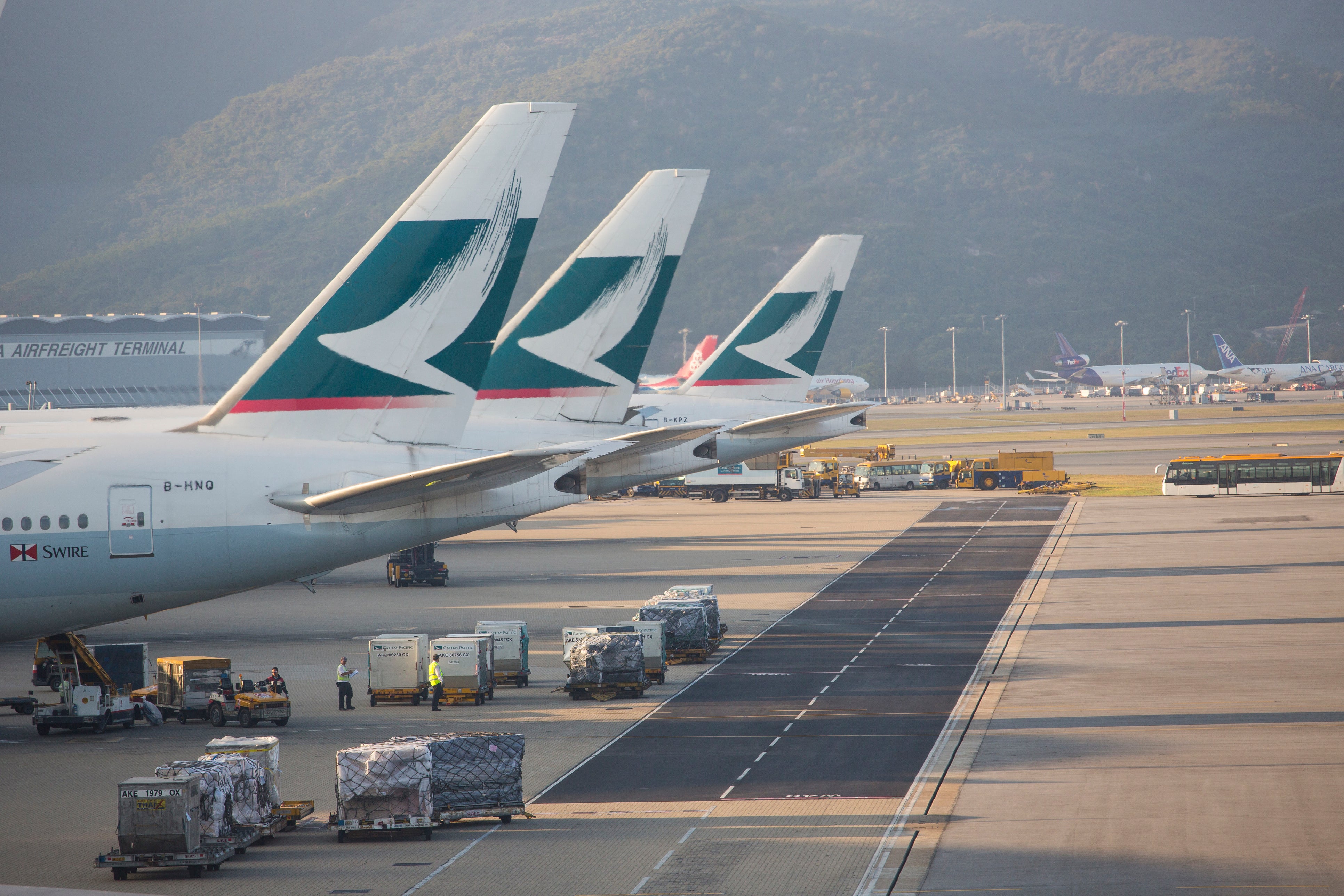
The skies are looking a bit bumpy for travellers, with whispers of exorbitant airfares circulating. Reports have surfaced of return flights from Sydney to London priced at a staggering £20,000 on Cathay Pacific’s website. While this figure might seem like the stuff of nightmares, particularly amid geopolitical tensions in the Middle East and their potential impact on aviation, it’s important to note that such astronomical prices are rarely, if ever, paid. Similar to the occasional bafflingly high domestic fares seen with some airlines, these outliers don’t reflect the reality for most travellers. The highest regular fare identified in this context is closer to £9,000.
The core issue driving these concerns is the significant reduction in available capacity on routes between Asia, Australasia, and Africa to the UK. Cathay Pacific has indicated that fuel surcharges will inevitably rise to offset the increased cost of fuelling their aircraft. This sentiment is echoed across the industry, with many carriers lamenting the necessity of increasing fares due to soaring jet fuel prices.
Don’t Panic: What Your Booking Means
If you’ve already booked your flights or are in the process of planning, it’s crucial not to jump to conclusions. For flight-only bookings, the established convention is that once you’ve paid for your ticket, the airline will not demand additional payment, unless, of course, there’s a government-imposed increase in aviation fees.
However, the situation is slightly different for package holidaymakers. The law does permit tour operators to pass on certain increased costs, meaning some travellers on package deals might face surcharges.
The Summer Holiday Outlook: Will Fares Soar?
For those yet to book their summer escape, the question on everyone’s lips is: “Will we be priced out?” The immediate answer is to relax. In the short term, airfares are not solely dictated by the actual cost of providing the service. They are primarily determined by the interplay of demand and seat availability. If the geopolitical situation in the Middle East de-escalates swiftly, we could see fares fall, particularly for those travelling east from the UK. Airlines like Emirates, Etihad, and Qatar Airways are likely to aggressively cut prices to reclaim market share. As senior aviation figure Jonathan Hinkles noted, “The Gulf carriers will be able to recover that market through price alone.”
Europe Bound: The Gulf’s Indirect Impact
What about your planned European holiday this summer? While the situation in the Gulf will undoubtedly have an impact on pricing, it might not be as direct as one might imagine. Well-managed airlines typically mitigate the effects of oil price fluctuations by “hedging.” This involves entering into financial agreements to secure fuel at a fixed price for a predetermined period. By the time these contracts expire and they need to negotiate new supply agreements, oil prices may have stabilised or returned to more normal levels.
The Hidden Costs: Frequent Flyers and Surcharges
There is, however, one group of passengers who will be directly affected by any increase in fuel surcharges: frequent flyers who redeem loyalty points for “free” flights.
Most travellers don’t scrutinise the breakdown of their airfare, and rightly so. The way airlines structure the components of the price you pay is generally of little consequence. Consumer protection regulations mandate that all unavoidable costs must be incorporated into the advertised fare.
Yet, some airlines, including British Airways and Virgin Atlantic, have opted to itemise a portion of the overall fare as a “carrier-imposed charge.” This practice emerged approximately 20 years ago when British Airways made the “regrettable” decision to increase its fuel surcharge on new bookings. At a time when the price of oil was around $70 a barrel (compared to today’s approximate $100), long-haul passengers faced an additional £70 charge for a return trip.
The airline’s commercial director at the time explained, “We have little choice but to pass some of our extra costs on to our customers.” They further stated, “We believe that it is better to be transparent with our customers by showing the level of fuel surcharge they are paying, rather than hiding the costs by raising fares behind the scenes. This approach would enable us to reduce the surcharge should fuel prices fall over time.”
However, when oil prices subsequently halved, the additional charge remained. As it was no longer directly linked to fuel costs, it was rebranded as a “carrier-imposed charge.” Virgin Atlantic subsequently adopted a similar approach.
The Impact on Your Ticket and Loyalty
For those purchasing tickets with cash, competition on most routes dictates the price. Therefore, if an airline were to unilaterally increase its “carrier-imposed charge” by £50, it’s unlikely the overall fare to a destination like New York would rise by the exact same amount.
The “carrier-imposed charge,” however, disproportionately affects frequent flyers redeeming points for their travel. These passengers are expected to pay not only government taxes, such as air passenger duty, and airport fees, but also these additional “carrier-imposed surcharges.” Currently, on British Airways, this can amount to an extra £144 for a one-way flight from London to New York.
These surcharges effectively erode the perceived value of reward flights, making loyalty schemes less appealing and devaluing accrued miles. Despite this, evidence suggests that frequent flyers will likely continue their travel habits, irrespective of these escalating costs and diminishing rewards.
The global travel industry is facing significant financial pressure, with estimates suggesting the conflict in Iran could be costing it approximately £450 million per day. However, predictions for a swift recovery are also being made.