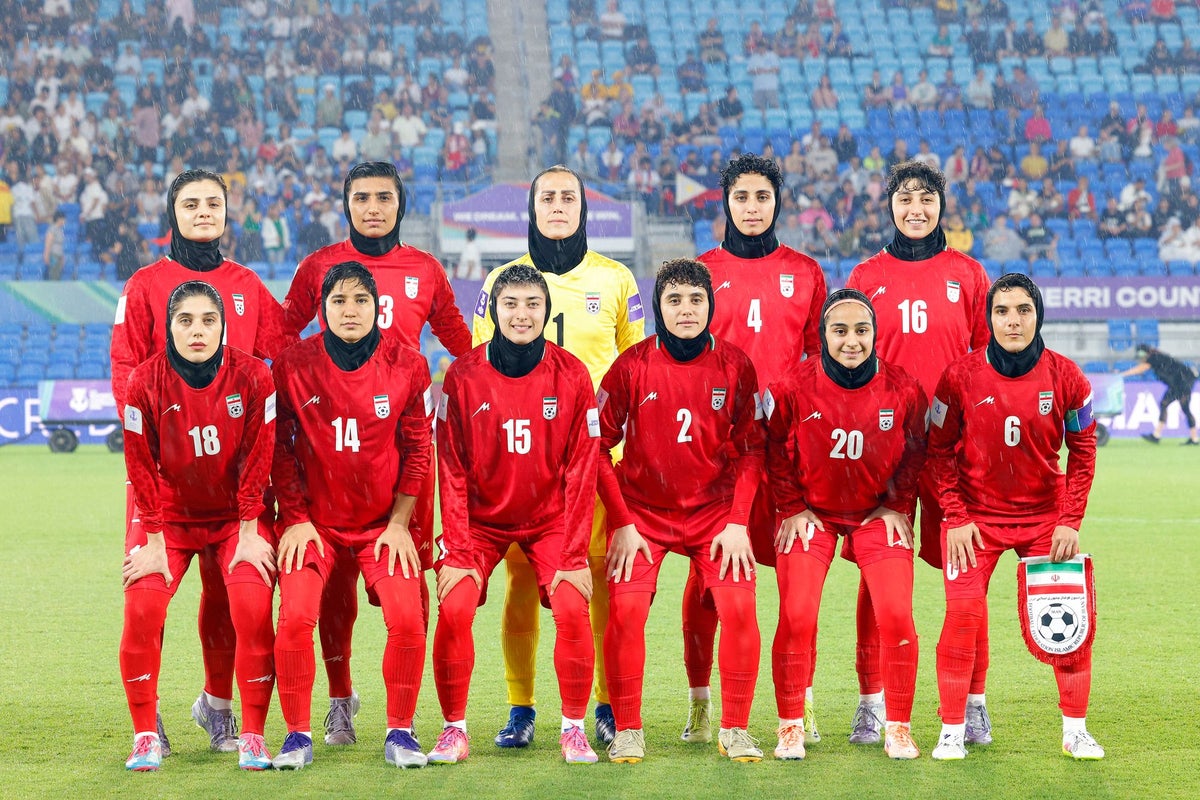
In a developing situation, Australia has extended humanitarian visas to several members of the Iranian women’s football delegation, as the majority of the team departed for Malaysia. Home Affairs Minister Tony Burke confirmed that one player and a support staff member had accepted the Australian government’s offer of a humanitarian visa, which includes a pathway to permanent residency. This offer came a day after five other players had already been granted asylum. However, in a last-minute change of heart, one of the seven individuals who had initially opted to stay in Australia decided to return to Iran with the rest of the team.
The Iranian women’s football team found themselves in Australia for the Asia Cup tournament at a tumultuous time, with war breaking out back home. Their presence in Australia attracted significant international attention, particularly after they chose not to sing the national anthem before their opening match. Concerns for the players’ safety escalated when Iranian state television reportedly labelled them “wartime traitors” for their refusal to participate in the anthem.
The decision to grant some players asylum followed a concerted effort by Iranian advocacy groups in Australia, who had been appealing for protection for the delegation. Notably, former US President Donald Trump also publicly urged Canberra to offer the players refuge.
Minister Burke stated, “I made them the same offer that I made the five players the night before. If they wanted to receive a humanitarian visa for Australia, which would have a pathway to a permanent visa, I had the paperwork ready and would execute that immediately.”
According to reports, squad member Mohaddeseh Zolfi and support member Zahra Soltan Meshkeh Kar had reportedly sought asylum before the rest of the team departed on a flight to Kuala Lumpur on Tuesday night. The identity of the individual who ultimately decided to return to Iran was not immediately clear.
Mr Burke elaborated on the situation in parliament, explaining, “One of the two who had made the decision to stay last night had spoken to some of the teammates who had left, and had changed her mind.” He added, “In Australia, people are able to change their mind, people are able to travel. And so, we respect the context in which she has made that decision.”
Following her change of mind, the woman reportedly contacted officials at the Iranian embassy. Representatives from the embassy arrived at the hotel where she was staying with other delegation members and took her into their care. Minister Burke indicated that the remaining members of the delegation were relocated to a secure location after the woman’s contact with the embassy inadvertently revealed their whereabouts. “I immediately gave the instruction for people to be moved, and that is being dealt with,” he confirmed.
Mehdi Taj, the president of Iran’s football federation, had previously alleged that Australia had exerted pressure on team members to seek asylum. He claimed that upon the team’s attempt to leave the country, police intervention occurred, reportedly on the orders of the Prime Minister. Iran’s head coach, Marziyeh Jafari, had also stated on Sunday that the players “want to come back to Iran as soon as we can.”
Minister Burke assured that Australian officials had spoken with the woman who changed her mind to “make sure it was her decision” and that “every question you would want asked was asked.” He further revealed that Australian officials had engaged in individual conversations with most team members at Sydney Airport, informing them of their available options before their departure. “What we made sure of was that there was no rushing and no pressure,” the minister told reporters. All individuals present at the airport ultimately chose to return to Iran.
During discussions, some players reportedly inquired about the possibility of assistance for their family members to leave Iran. Minister Burke acknowledged this, stating, “Obviously, when people are permanent residents, there are rights that they have in terms of sponsoring other family members. But all of it only becomes relevant if people can get out of Iran in the first place.” Despite some players discussing their options with family, they ultimately declined the offer to remain in Australia, and the team subsequently departed for Kuala Lumpur en route to Iran.
The team’s participation in the tournament coincided with significant geopolitical events, as the US and Israel launched airstrikes on Iran, resulting in the death of Supreme Leader Ayatollah Ali Khamenei. The Iranian team was eliminated from the tournament on Sunday.
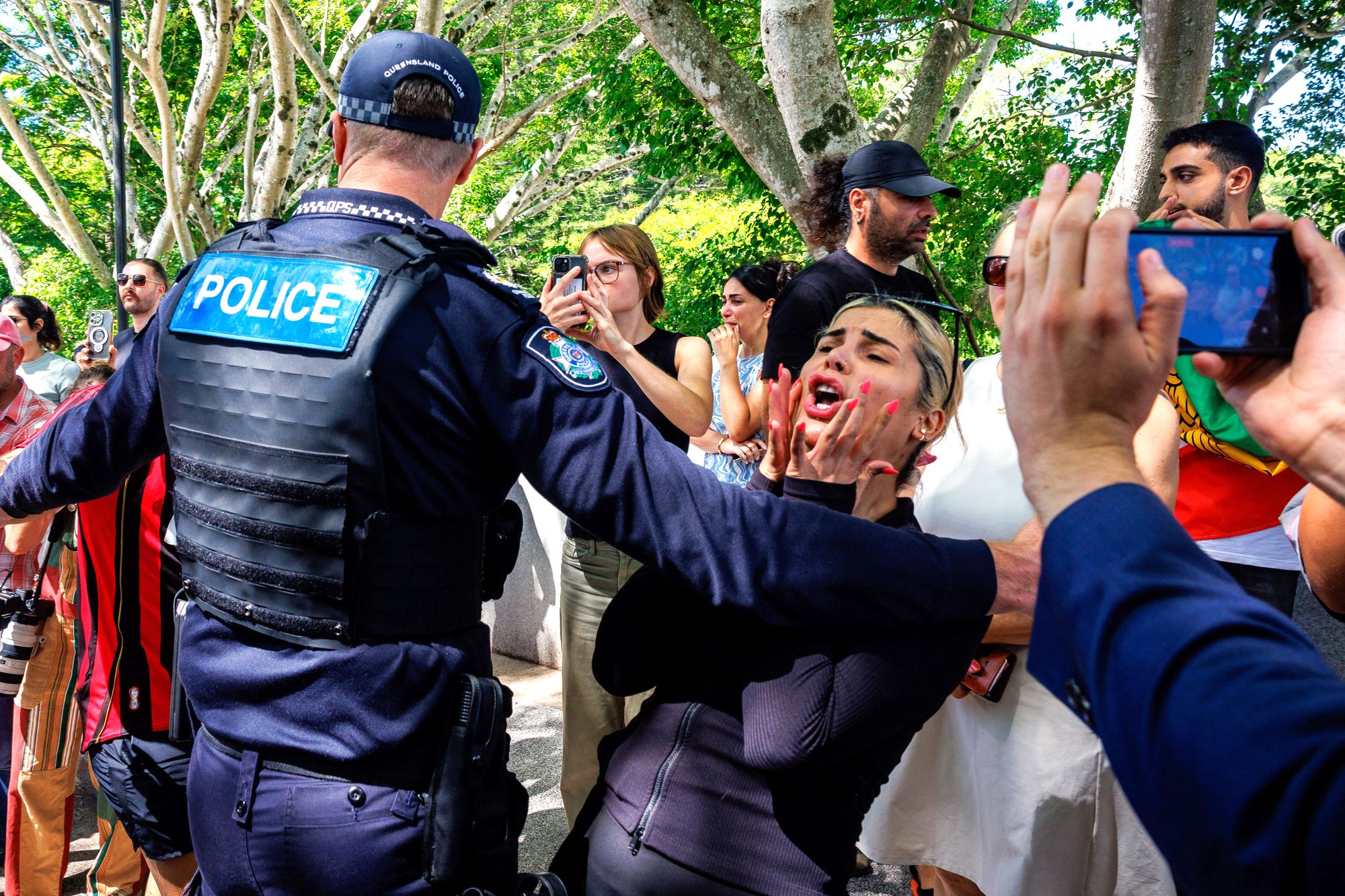
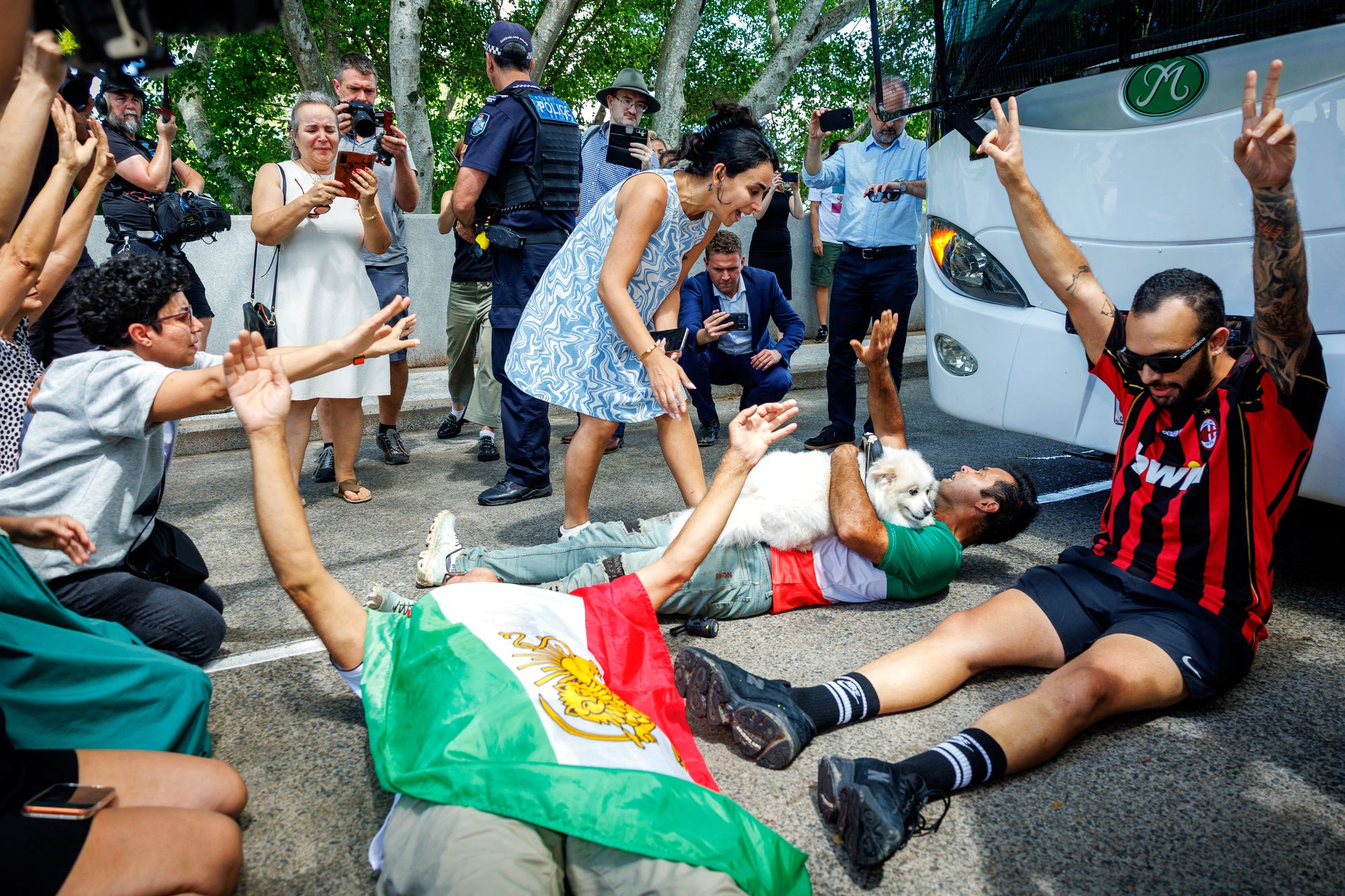
A demonstration by a group of Iranians residing in Australia against the Iranian government took place, with protesters surrounding the players’ bus as they departed their Gold Coast hotel for the airport. Many also gathered at Sydney Airport on Tuesday evening to witness the team’s transfer to the international terminal, as captured by television footage.
Prime Minister Anthony Albanese commented on the situation at a press conference on Tuesday, noting, “Australians have been moved by the plight of these brave women. They’re safe here, and they should feel at home here.”
The Iranian embassy in Malaysia indicated that the remaining squad members would be able to return to Tehran once Iran’s airspace was reopened. The embassy conveyed to the Malaysian news agency Bernama, “They want to return home.”