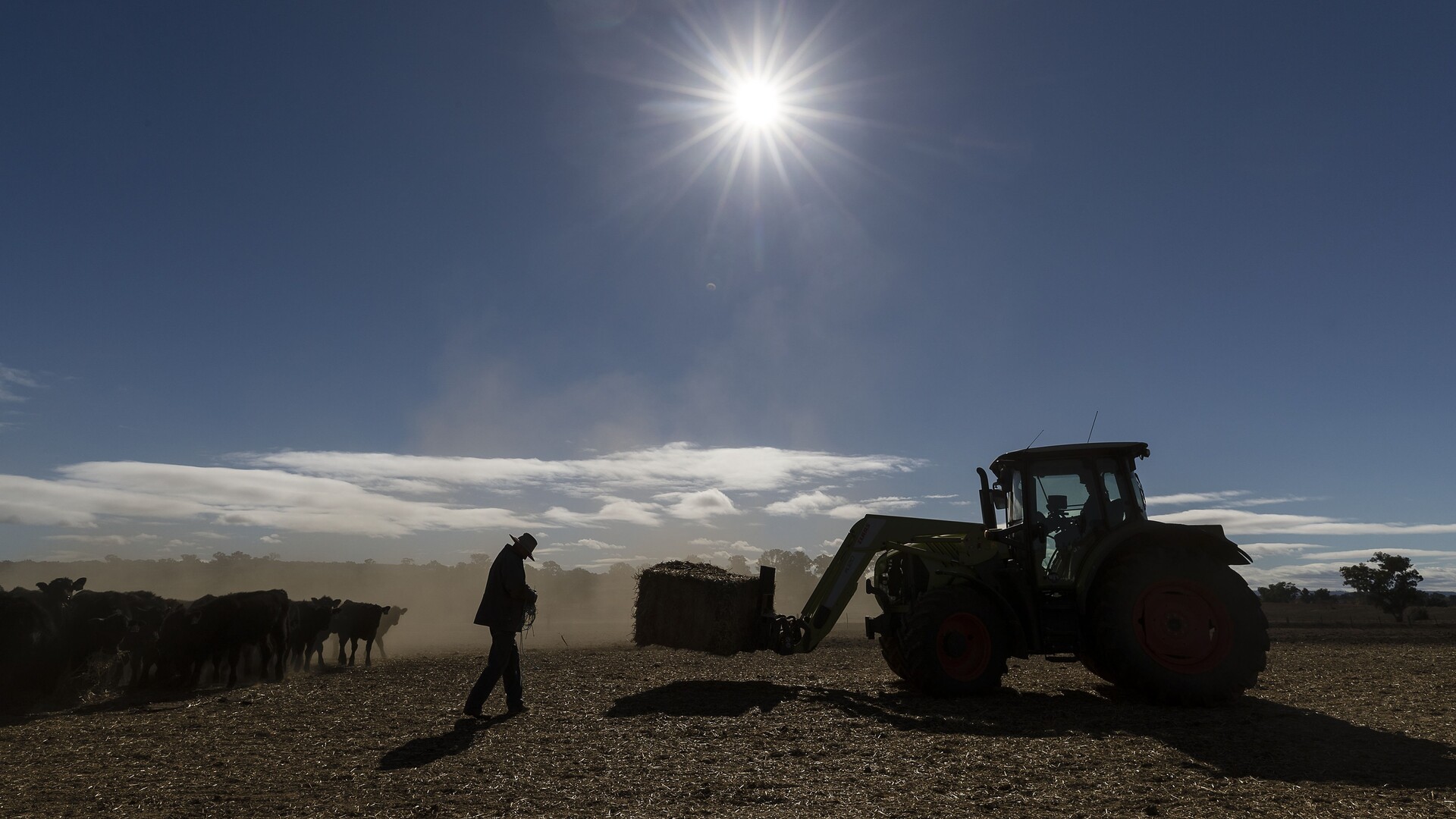
Farmers Brace for Financial Strain as Costs Skyrocket
Australian farmers are facing an increasingly challenging economic landscape, with many anticipating significant financial losses due to the escalating costs of fuel and essential inputs. The National Farmers Federation (NFF) has sounded the alarm, highlighting a grim outlook for those cultivating the land and producing the nation’s food.
Mike Guerin, CEO of the NFF, expressed profound concern over the current economic pressures impacting the agricultural sector. He stated that the combination of soaring fuel prices and the prohibitive cost of fertilisers has created a situation where planting crops and growing food is becoming a financially untenable proposition for many.
“It’s thousands of dollars… on the cost at the moment and also the cost of fertiliser… you are very likely to lose money by planting crops and growing food,” Mr Guerin explained. This stark assessment underscores the precarious position many farmers find themselves in, where the investment required to bring produce to market is outstripping the potential returns.
National Farmers Federation CEO Mike Guerin discusses how farmers are very likely to lose money by planting crops and growing food amid both the fuel and cost-of-living crisis.
The NFF CEO further elaborated on the widening gap between production expenses and market prices. “The cost of producing product and what you get for it is at a point where it’s very difficult to see producers making any money,” he remarked. This sentiment is echoed across various agricultural sub-sectors, from broadacre cropping to livestock and horticulture.
The ripple effects of these rising costs extend beyond the farm gate, potentially impacting the entire food supply chain and contributing to the broader cost-of-living crisis faced by all Australians.
Key Factors Driving Farmer Losses:
- Fuel Prices: The cost of diesel, a critical input for farm machinery, has seen substantial increases. Tractors, harvesters, and transport vehicles all rely heavily on fuel, and higher prices directly translate into increased operational expenses. This impacts everything from preparing the soil to harvesting the crop and getting it to market.
- Fertiliser Costs: Global supply chain disruptions and increased demand have driven up the price of fertilisers significantly. These are essential for replenishing soil nutrients and ensuring healthy crop yields. Without adequate fertilisation, farmers risk lower productivity and reduced quality of produce, further impacting their profitability.
- Input Costs Beyond Fuel and Fertiliser: It’s not just fuel and fertiliser. Farmers are also grappling with increased costs for other essential inputs, including:
- Pesticides and Herbicides: The chemicals used to protect crops from pests and weeds have also seen price hikes.
- Seed Costs: The price of high-quality seeds, crucial for a successful harvest, has also been on the rise.
- Machinery and Maintenance: The cost of purchasing new farm equipment and maintaining existing machinery has become more expensive, adding another layer of financial pressure.
- Labour: While not always the primary driver, the cost of skilled agricultural labour can also be a significant expense for many farms.
The cost of producing product and what you get for it is at a point where it’s very difficult to see producers making any money.
The current economic climate presents a complex challenge for Australian agriculture. The NFF is actively engaging with government bodies and industry stakeholders to explore potential solutions and support mechanisms for farmers. The long-term viability of the sector, which plays a vital role in Australia’s economy and food security, depends on addressing these pressing financial concerns. Without intervention or a significant shift in market conditions, many farmers may be forced to make difficult decisions about their operations, potentially leading to reduced domestic food production and increased reliance on imports. The sustainability of Australian farming is at a critical juncture, demanding a concerted effort to mitigate these mounting economic pressures.