BBC’s Financial Settlements to Avoid Employment Tribunals
The British Broadcasting Corporation (BBC) has spent nearly £1.5 million in a single year to avoid potentially embarrassing employment tribunals, using public funds. This means that the organization has paid out a total of £5 million to disgruntled employees over the past five years.
According to records, 31 settlements were made during the 2024/25 financial year, costing £1,469,861. In the previous four years, the BBC had already spent £3.5 million to resolve 81 other cases.
One of the individuals who received a payout was producer Natalie Morton, 49, who claimed she was bullied into working in Syria, where she was almost killed. Although the BBC denied liability for her injuries, it agreed to a settlement. Ms Morton was reportedly paid £40,000 along with legal costs.
Another notable case involved China editor Carrie Gracie, who resigned from her position in 2018 in protest over unequal pay. She accused the BBC of having a “secretive and illegal pay culture” and later received back pay, which she donated to charity.
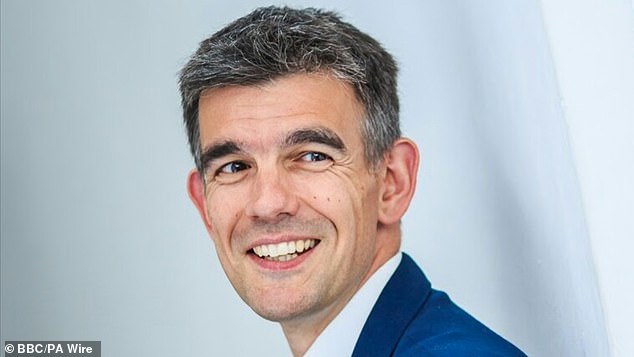
The BBC has been facing a series of scandals in recent months. Former director-general Tim Davie stepped down in November after a speech by US President Donald Trump was edited in a way that was described as misleading. His successor, Matt Brittin, former head of Google Europe, was announced on Thursday.
In addition, it was revealed last year that the BBC had failed to disclose that the narrator of a documentary about Gaza was the son of a Hamas official.
The figures related to these pay-offs were obtained through a Freedom of Information request by The Sunday Express. However, the data did not include the BBC’s commercial arms or charities.
A spokesperson for the BBC stated: “The BBC is always conscious of how it spends licence fee money. We aim to deal with disputes as swiftly and amicably as possible, though occasionally a settlement is the most appropriate resolution. We take culture at the BBC extremely seriously.”
To manage costs, the BBC introduced a £150,000 cap on severance payments in 2013. This measure was intended to keep expenses under control while ensuring fair treatment of employees.
Key Cases and Settlements
Natalie Morton: A producer who claimed she was bullied into working in Syria, where she faced life-threatening situations. The BBC denied liability but agreed to a settlement.
Carrie Gracie: A China editor who resigned in 2018 due to unequal pay. She received back pay and donated it to charity.
Recent Scandals and Leadership Changes
The BBC has encountered several controversies recently:
Tim Davie’s Resignation: The former director-general stepped down in November following criticism over the editing of a speech by US President Donald Trump.
New Leadership: Matt Brittin, a former executive from Google Europe, was appointed as the new director-general.
Documentary Controversy: It was revealed that the narrator of a documentary about Gaza was the son of a Hamas official, which the BBC failed to disclose.
Financial Transparency and Public Funds
The pay-off figures, obtained through a Freedom of Information request, do not include the BBC’s commercial operations or charitable activities. The corporation emphasizes its responsibility in managing public funds effectively.
The BBC continues to work on improving its internal culture and ensuring transparency in its operations. With ongoing challenges and changes in leadership, the organization remains focused on addressing employee concerns and maintaining public trust.