
Understanding Pregnancy Cravings
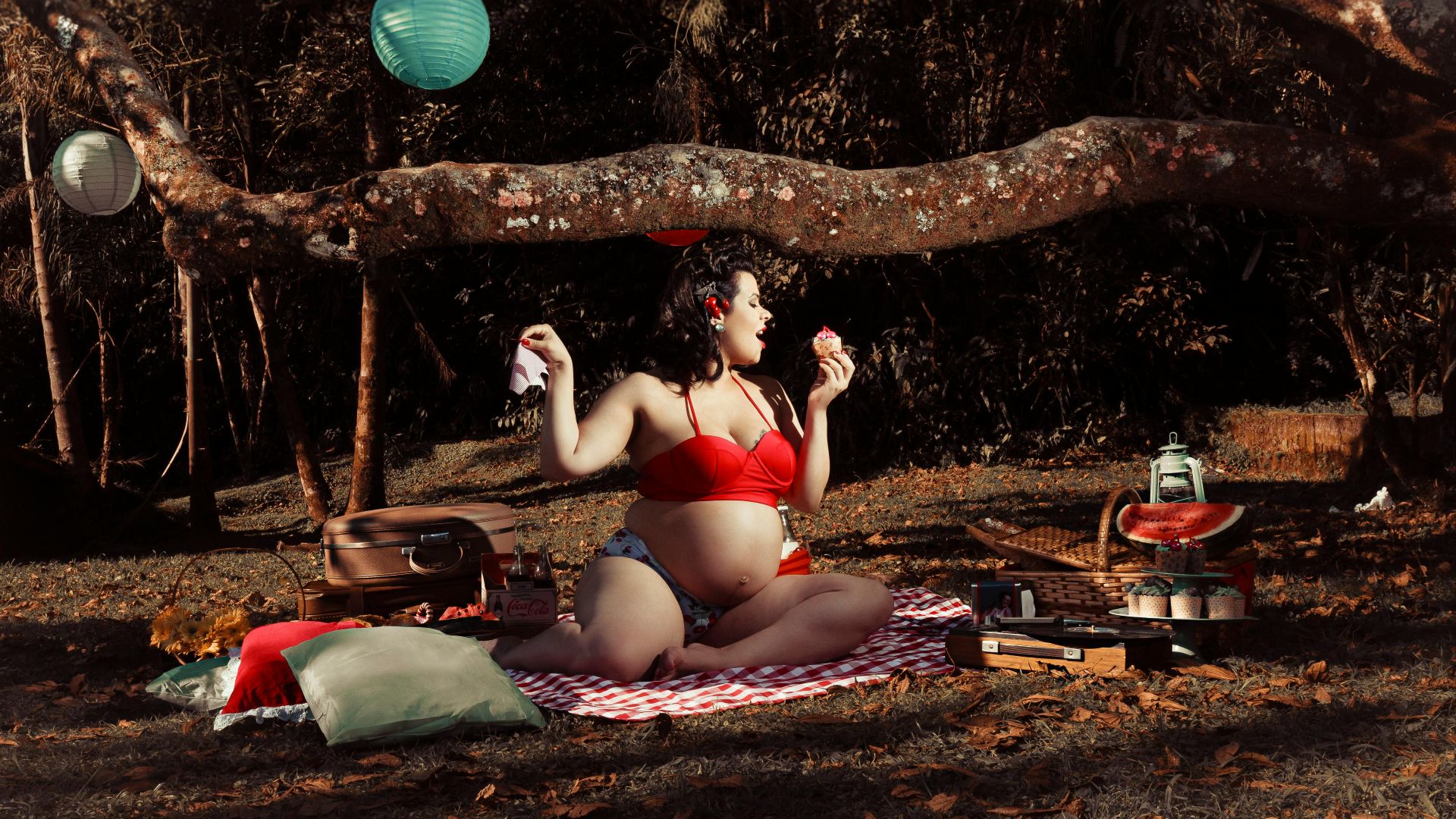
Pregnancy cravings can often sound like a joke, especially when they involve unusual food combinations. For example, considering peanut butter on a baked potato might seem odd, but for many pregnant women, these cravings are a real and common experience. These cravings are not just random; they are part of the cultural narrative surrounding pregnancy. The truth is that during pregnancy, the body and brain undergo significant changes, which can lead to some unexpected shifts in appetite.
The Science Behind Cravings
What makes these cravings even more intriguing is that there isn’t a single, clear reason for them. Experts suggest that a combination of hormonal changes, alterations in smell and taste, nausea, and potential nutritional issues can all contribute to what feels appealing or unappealing.
Hormones and Sensory Changes
One of the main reasons pregnancy cravings can become so strange is due to the impact of hormones on the senses. Rising hormone levels can heighten the sense of smell, making odors feel stronger than usual. These same changes can also affect the sense of taste, leading to foods that were once enjoyed suddenly becoming unappealing, while unusual combinations may start to sound appealing.
This sensory shift plays a crucial role in determining what feels appetizing. Nausea during pregnancy is often triggered by certain smells or foods, meaning that cravings and aversions can stem from the same underlying process. If the body starts rejecting one type of flavor, it’s logical that it might seek out other options that feel more manageable.
Practical Survival and Comfort
Sometimes, these cravings are less about deep biology and more about practical survival. If you’re dealing with nausea, food aversions, or a general feeling of discomfort, the foods that manage to break through can gain a lot of emotional significance.
Food aversion is very common during pregnancy, and the sight, smell, or taste of certain foods can trigger nausea or gagging. This means that cravings can be shaped by what doesn’t make you feel worse rather than by what’s nutritionally ideal. Cold foods, crunchy foods, salty snacks, or combinations with clear flavors can sometimes feel easier to handle than heavy meals.
There’s also a comfort factor that shouldn’t be overlooked. Pregnancy can be physically and emotionally challenging, so foods that feel familiar, calming, or satisfying may hold extra appeal. A flavor pairing doesn’t have to sound good to others to be a winning combination if it helps someone eat, ease nausea, or feel a little more normal.
When Cravings Warrant Attention
Most pregnancy cravings aren’t a sign of something being wrong. Some people experience food cravings, while others don’t, but most are due to hormonal changes affecting taste and smell. This places a lot of the ordinary weirdness firmly in the normal category, which can be reassuring if your grocery list has started looking slightly unusual.
However, there is one important exception: pica. Pica refers to the craving of nonfood items such as dirt, clay, or other substances that aren’t meant to be eaten. Unusual cravings like wanting to eat dirt should be discussed with a midwife or doctor because pica can be linked to iron deficiency.
It’s important to note that not every strong craving points to a deficiency. There’s a difference between craving pickles and craving laundry starch. If the craving is for actual food, even if it’s odd, it’s usually just part of the pregnancy experience.
Conclusion
Pregnant women crave strange food combinations because pregnancy can change the senses, stir up nausea, reshape appetite, and sometimes make comfort more important than culinary logic. When all these factors come together, the idea of eating pickles and ice cream becomes less ridiculous. It serves as a reminder that during pregnancy, the body is doing a lot of work behind the scenes, and your taste buds may decide to get a little dramatic about it.