Introduction to the Soyuz-5 Launch
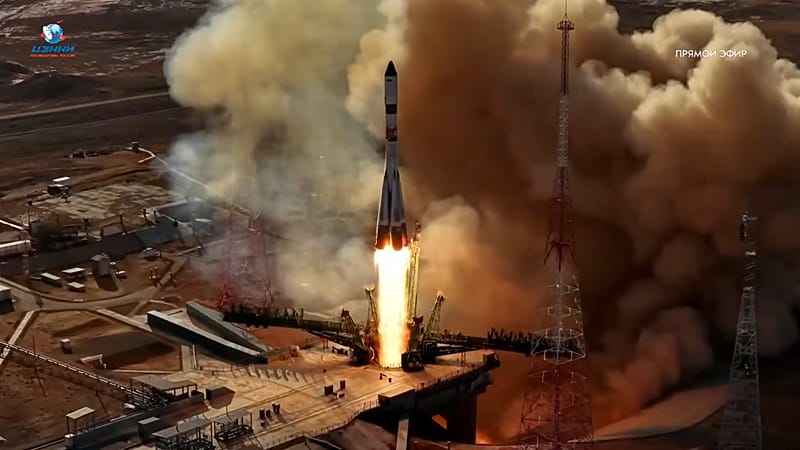
A new Russian medium-class launch vehicle, the Soyuz-5, was launched overnight on Friday from the Baikonur Cosmodrome in Kazakhstan as part of its first flight tests. This event marked a significant milestone for Russia’s space program, as the Soyuz-5 is equipped with what Roscosmos describes as the world’s most powerful liquid-fuelled rocket engine. The launch represented the first test flight of this new-generation rocket, showcasing Russia’s continued commitment to advancing its space capabilities.
Performance of the Soyuz-5
According to Roscosmos, the first and second stages of the Soyuz-5 operated normally during the test flight. A payload mock-up was successfully placed on a planned suborbital trajectory before falling into the Pacific Ocean. This successful test highlights the potential of the Soyuz-5 to revolutionize space launches by reducing costs and increasing efficiency.
Key Features of the Soyuz-5
The Soyuz-5 is designed to significantly enhance the capabilities of Russia’s space program. It aims to double the payload capacity to up to 17 tonnes, making it a more versatile and efficient launch vehicle. Additionally, the rocket uses environmentally cleaner fuel components, aligning with global efforts to reduce the environmental impact of space exploration.
The Historical Significance of Baikonur Cosmodrome
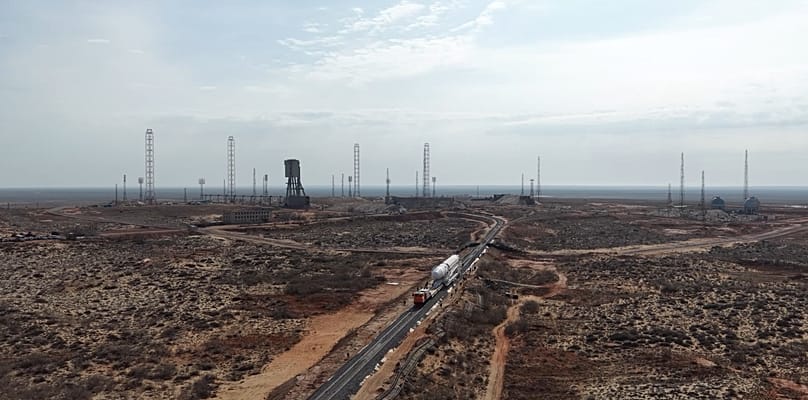
The Baikonur Cosmodrome is one of the most iconic sites in space exploration history. In 1961, it became the launch site of the world’s first human spaceflight, with Russian cosmonaut Yuri Gagarin lifting off from there in the Vostok 1. This historic event marked a pivotal moment in human space exploration and solidified Baikonur’s place in history.
After the collapse of the Soviet Union, Russia continued to operate Baikonur under a lease agreement with Kazakhstan. This arrangement has allowed Russia to maintain its presence in space exploration while also supporting Kazakhstan’s growing role in the space sector.
Modernization Efforts at Baikonur
In 2004, Kazakhstan and Russia launched the joint Baiterek project, aimed at modernizing launch facilities at Baikonur and facilitating a transition to more environmentally friendly rocket systems. This initiative reflects the collaborative efforts between the two countries to ensure that space exploration remains sustainable and technologically advanced.
Kazakhstan and Russia continue close cooperation in the space sector. In 2021, the Kazakh parliament extended Russia’s lease of Baikonur until 2050, ensuring that the cosmodrome will remain a vital hub for space activities for decades to come.
Kazakhstan’s Growing Role in Space Exploration
The launch of the Soyuz-5/Sunkar marks a turning point for Kazakhstan’s space ambitions, positioning the country closer to becoming a new space power. With the development of the Baiterek launch complex and growing control over modern launch infrastructure at Baikonur, Kazakhstan is moving beyond its historical role as a spaceport operator.
This shift not only enhances Kazakhstan’s strategic position in the global space industry but also opens up new opportunities for international collaboration and technological advancement. As Kazakhstan continues to invest in its space capabilities, it is poised to play a more prominent role in shaping the future of space exploration.