Pakistan’s Asia Cup 2025 Final: A Tale of Missed Opportunities
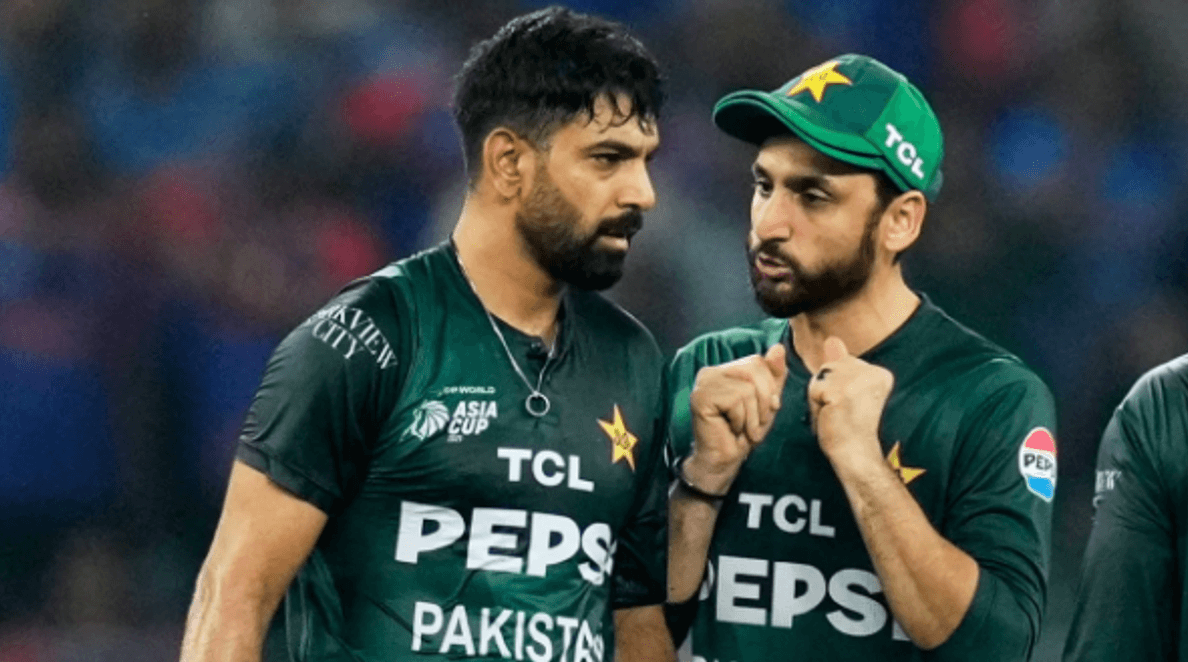
Pakistan captain Salman Ali Agha has reflected on the key moments that led to their defeat in the Asia Cup 2025 final, pointing to critical execution issues during the death overs. The match, played in Dubai on September 28, saw Pakistan struggle to defend a total of 146, as India completed the chase with two balls remaining. Agha admitted that some decisions made during the game may have cost his team the victory.
In a recent podcast appearance with ARY Digital, Agha discussed his choice of Haris Rauf over Abrar Ahmed for the crucial overs. He stated that Rauf was considered the main pacer of the team and had been performing well in previous matches. However, he now believes that the decision might have been a mistake.
“I must have made a lot of mistakes. If our results are not good, I must have made mistakes. But I think if I had continued with Abrar Ahmed in the final of the Asia Cup, the result of the game could have been different,” Agha said.
He further explained that while he gave Rauf the over due to his role as the main bowler, the pacer failed to deliver under pressure. “But if you look at the other side, I gave Haris the over. Because he was our main bowler in that match, he couldn’t have executed well. But if I had continued with Abrar, the result could have been different.”
Rauf’s performance in the final proved costly. He was the most expensive bowler of the match, conceding 50 runs in just four overs without taking a single wicket. This marked the highest number of runs conceded by a Pakistani bowler in the tournament, with 29 of those runs coming in a single over.
Controversies Surrounding Haris Rauf
Haris Rauf found himself at the center of controversy during the 2025 Asia Cup, facing disciplinary action for several incidents that affected his career. His actions during high-stakes matches drew significant attention, particularly when he made provocative gestures directed at Indian fans. These included forming a “6-0” sign and a mock airplane crash celebration, which were deemed violations of Article 2.21 of the International Cricket Council (ICC) code of conduct.
The ICC imposed fines and demerit points on Rauf for these actions, which eventually led to an automatic two-match suspension. This suspension had a lasting impact on his international career, as he was later excluded from Pakistan’s squad for the 2026 T20 World Cup.
Rauf’s on-field behavior also sparked tension with batters like Shubman Gill and Abhishek Sharma, leading to heated exchanges. His approach was criticized by his own captain, Salman Ali Agha, who blamed “ego-driven” short-pitched bowling for Pakistan’s loss in the final.
The Aftermath and Lessons Learned
The fallout from these incidents was significant for Rauf, both personally and professionally. By accumulating four demerit points, he faced a suspension that affected his availability for future tournaments. This setback highlighted the importance of discipline and composure in high-pressure cricket matches.
For Pakistan, the Asia Cup 2025 final served as a learning experience. Agha’s reflections underscore the need for better decision-making and stronger leadership in critical moments. The team will undoubtedly look to improve its execution in the death overs and manage its players more effectively in future competitions.
As the cricketing world moves forward, the lessons from the Asia Cup 2025 will remain a valuable reference point for players, coaches, and fans alike. The focus will now shift to preparing for upcoming tournaments, with a renewed emphasis on discipline, teamwork, and strategic planning.