The End of Beloved Franchises
When a studio creates a game for a series, both the studio and the franchise’s reputation are at stake. A single poorly received release can undo years of hard work and build-up. Some franchises manage to bounce back from such setbacks, but others face severe criticism and poor sales that lead to their eventual extinction.
These seven games marked the final chapter for their respective series. Each had its own unique reasons for failure, whether due to a shift in tone, technical problems, or simply being a poorly made game with no hope of redemption.
Marvel vs. Capcom: Infinite
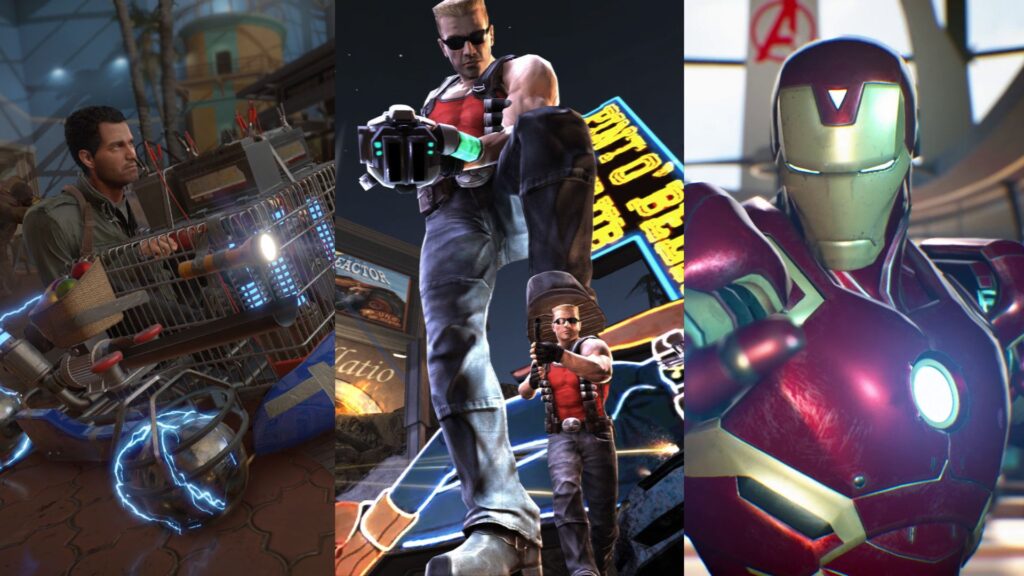
Marvel and Capcom joined forces for a crossover series that began in 1996 with X-Men vs. Street Fighter. This bold move created a successful franchise that lasted nearly two decades. However, in 2017, Marvel vs. Capcom: Infinite was released and quickly became a disaster. The game suffered from a poor visual style and an underwhelming roster of characters.
Medal of Honor: Warfighter
The Medal of Honor series was once considered the go-to name in the shooter genre. It helped set the stage for cinematic military shooters since the PS1 era. Despite high-profile marketing, including a tie-in with Linkin Park, the game could not recover from its weak storyline and clunky gameplay mechanics.
Dead Rising 4
The Dead Rising series was built around a strict time limit, following Frank West, an ordinary man caught in a zombie outbreak. His stories were some of the most iconic in the zombie apocalypse genre. However, Dead Rising 4 removed the iconic elements of the game and replaced Frank’s voice actor. The result felt more like a generic zombie brawler than a survival-horror satire.
Dino Crisis 3
Dino Crisis was inspired by Resident Evil but added Jurassic Park elements. The first game was an interesting take on combining two disastrous scenarios into one new catastrophe. However, the third installment completely changed the direction of the series. It featured some of the worst camera angles in 3D gaming history and abandoned the beloved characters and setting that fans cherished.
Duke Nukem Forever
Duke Nukem debuted in 1991 as a side-scrolling shooter, but it was Duke Nukem 3D in 1996 that defined the series. Rumors of a sequel had been circulating for over a decade, and finally, Duke Nukem Forever was released in 2011. Unfortunately, the game felt outdated, with mechanics that were stuck in the 1990s. Its humor also felt out of touch, marking the end of the franchise.
Genji: Days of the Blade
JRPGs and AAA Japanese-themed games have long been successful in the gaming industry. Genji focused on samurai-style fighting and was popular during the PS2 era. Sony revealed Genji: Days of the Blade with the launch of the PS3, but the game was quickly memed for its E3 presentation. After launch, it felt sluggish, and the fixed-camera action made it seem like the series had taken a step backward from its predecessor.
The Getaway: Black Monday
With many companies trying to replicate the success of Grand Theft Auto, Sony entered the fray with The Getaway. The original game was a gritty, photorealistic answer to GTA, set in London. While the first game was a hit, the sequel, Black Monday, failed to build on the formula. It had the same clunky controls and a frustrating lack of an on-screen HUD. The story couldn’t save the game, and although no new titles were made for the series, it lives on through a 2020 TV series called Gangs of London.
These games marked the end of their respective franchises, leading to their abandonment by the companies involved. Their failures serve as cautionary tales in the world of game development.