
Understanding Alzheimer’s Disease and the Locus Coeruleus
Alzheimer’s disease is often associated with aging, but the brain changes that define it begin much earlier—sometimes as early as the third decade of life. One of these changes involves a protein called tau, which starts to tangle in a small region of the brain known as the locus coeruleus. This area is crucial for sleep, attention, and alertness. As the disease progresses, these tau tangles spread throughout the brain.
While the development of tau tangles doesn’t necessarily mean someone has Alzheimer’s, it is a common occurrence. Researchers view the locus coeruleus as an early indicator or “canary in the coal mine” for the disease, which affects millions of people globally.
The Role of the Locus Coeruleus
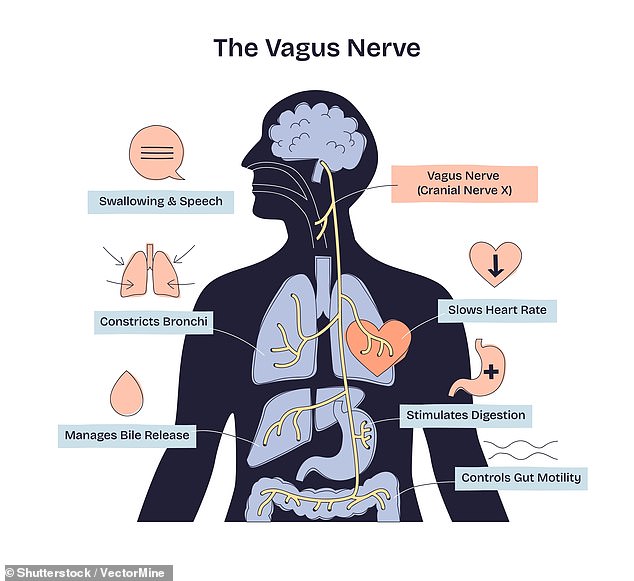
The locus coeruleus, also known as the “blue spot,” is located in the brainstem and gets its name from a pigment called neuromelanin. It plays a vital role in various functions, including producing norepinephrine—a chemical essential for sleep, focus, and immune function. The locus coeruleus also receives signals from the vagus nerve, which connects the brain to organs like the heart and lungs.
Research at Cornell University focuses on understanding how the structure and function of this brain region change over time and how these changes impact memory and cognition. Studies suggest that damage to the locus coeruleus due to tau buildup may correlate with memory decline, making it a key area for potential interventions.
Vagus Nerve Stimulation and Brain Health
The vagus nerve, the longest cranial nerve, acts as a communication highway between the brain and various organs. It regulates functions such as heart rate, digestion, and stress management. Stimulating the vagus nerve has been shown to help with conditions like epilepsy, migraines, and depression.
Vagus nerve stimulation (VNS) typically involves implanting a device that delivers electrical pulses to the nerve. Noninvasive methods, such as devices that stimulate the neck or ear, are also used. Researchers have hypothesized that VNS could improve mood and cognitive function in Alzheimer’s patients by increasing norepinephrine levels in the brain.


How Vagus Nerve Stimulation May Help
Although the exact mechanisms of VNS are not fully understood, one theory suggests it helps regulate the activity of neurons in the locus coeruleus. Too much or too little activity in this region can lead to issues like stress, panic, or depression. Some forms of VNS may affect the timing of neuronal firing, while others increase norepinephrine levels in animals.
These findings suggest that VNS could act as a regulator for the locus coeruleus, helping it maintain optimal functioning. This regulation might be key to preventing or delaying the onset of Alzheimer’s symptoms.

Potential Benefits for Memory and Cognitive Function
Early research hints that VNS may help protect against memory loss. Studies have shown that individuals with mild cognitive impairment or early-stage Alzheimer’s may experience improvements in memory and overall cognition after undergoing VNS. For example, a trial involving 52 participants aged 55 to 75 found meaningful improvements after six months of daily sessions.
Even healthy adults around age 60 and younger showed improved memory after a single session of VNS. While this research is still in its early stages, it offers hope for new approaches to managing Alzheimer’s and age-related cognitive decline.
This article explores the complex relationship between the brain’s structures and potential therapeutic interventions. By understanding how the locus coeruleus and the vagus nerve interact, scientists aim to develop new strategies for protecting cognitive health and improving quality of life for those affected by Alzheimer’s disease.