Tactical Ingenuity and Environmental Challenges
Arsenal’s set-piece practices are often seen as a blend of skill and strategy. However, when it comes to the dark arts, there is no one more adept than Diego Simeone. His methods have been refined over decades, with a reputation for using cunning tactics that can turn the tide of a match. A notable example was his involvement in the 1998 World Cup, where he famously faked an injury to get David Beckham sent off. This sort of approach has made Atletico Madrid a formidable opponent, especially at home.
For Wednesday night’s Champions League semi-final first leg, Arsenal must be prepared for a challenging encounter in Atletico Madrid’s backyard. The match will not only test their playing abilities but also their mental resilience. Atletico’s defensive style is known for soaking up pressure, making them tough to beat on home soil. Their passionate fanbase adds another layer of intensity, creating a hostile environment for visiting teams.
Tactical fouls and time-wasting are part of Atletico’s game plan, designed to disrupt opponents and create opportunities. However, what makes this match particularly intriguing is the condition of the pitch at the Riyadh Air Metropolitano Stadium. Recent matches have highlighted concerns about the turf, which has affected several teams, including Tottenham in their 5-2 defeat in the Champions League round of 16.
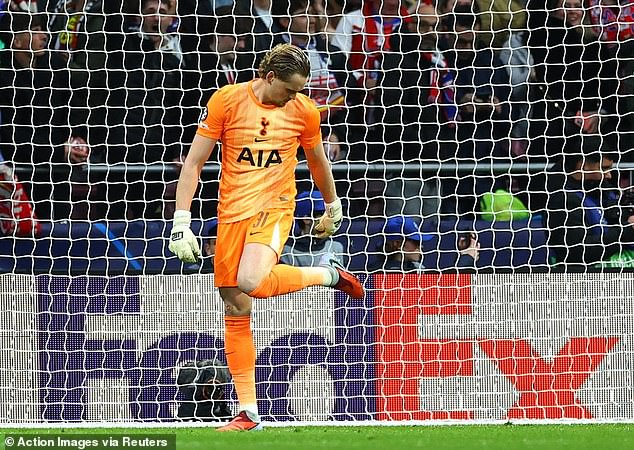
Goalkeeper Antonin Kinsky experienced a nightmare evening, struggling with the slippery surface. He made several errors, leading to goals from Marcos Llorente and Julian Alvarez. Micky van de Ven’s slip also contributed to a goal by Antoine Griezmann. While Kinsky’s performance was questionable, the pitch conditions were also under scrutiny.

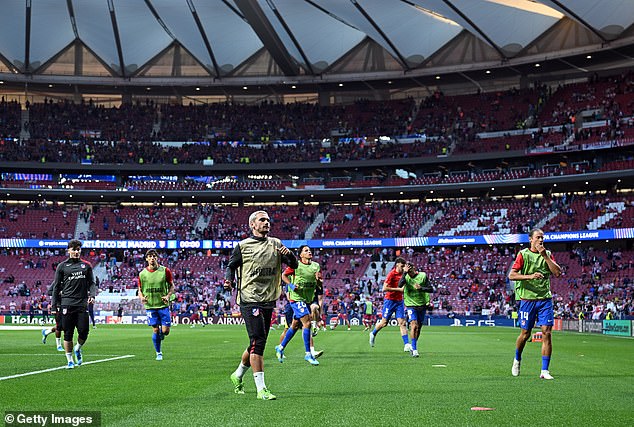
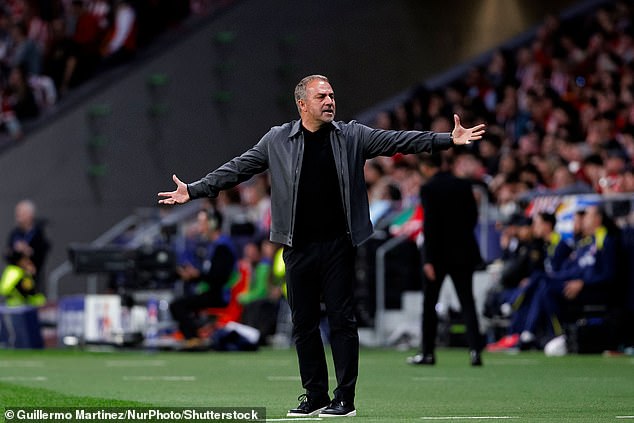
Griezmann later commented that Atletico took advantage of the slippery pitch, suggesting that the team is more accustomed to such conditions. This issue is not new; Barcelona had raised concerns about the grass length ahead of their Champions League quarter-final second leg. Manager Hansi Flick pointed out the height of the turf during a discussion with a UEFA delegate.
UEFA regulations state that the home club must ensure the pitch is in the best possible condition. However, the interpretation of “every reasonable effort” is open to debate. Daily Mail Sport visited the Metropolitano Stadium, where seven sprinklers were in use to maintain the pitch. The turf was being mowed, indicating that long grass is unlikely to be a factor.
Despite these efforts, the pitch could still be slippery, which would have direct consequences for Arsenal. Mikel Arteta’s team relies heavily on possession, with Martin Odegaard playing a key role in quick transitions. A slippery pitch could disrupt their rhythm, affecting Bukayo Saka’s ability to drive forward.
There were also patches of scuffed grass on the pitch, which could become muddy if further watered. This contrasts sharply with the well-maintained Emirates Stadium, where Arsenal players benefit from a consistent playing surface. For Arteta’s side, the challenge is as much about composure as it is control. Keeping their footing—both literally and figuratively—could define the outcome of the tie.
Atletico Madrid will likely take full advantage of the conditions, ensuring the match is played on their terms. In elite European competition, adaptability is often seen as a necessity rather than an excuse. For Arsenal, the key will be maintaining their composure and finding ways to navigate the challenges presented by the pitch and the tactical brilliance of their opponents.