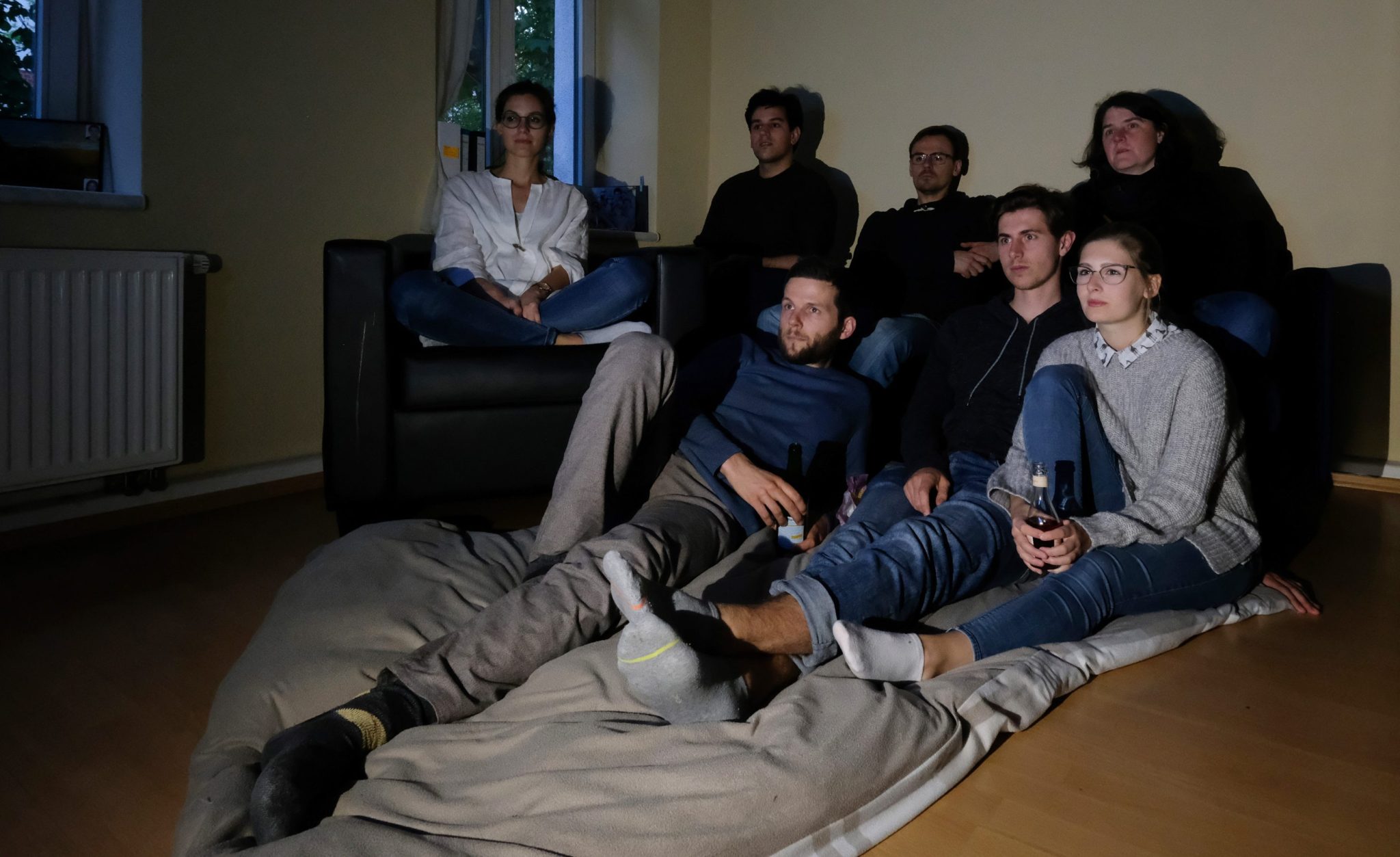
The Changing Landscape of Streaming Services
The way people consume entertainment has evolved significantly, especially with the rise of streaming services. These platforms have become a staple in many households, offering a vast array of content at the click of a button. However, this model is facing challenges, particularly among younger generations.
Gen Z, known for their digital-native habits, is increasingly moving away from traditional subscription models. Instead of sticking to one platform, they are adopting a more flexible approach, treating streaming services like temporary rentals. This means subscribing, binge-watching, and then canceling—repeating the process as needed. A recent report by an entertainment company highlighted that 59% of Gen Zers actively subscribe and unsubscribe from streaming services just to watch their favorite shows, indicating a shift in how they engage with media.
The Pandemic’s Impact on Streaming
During the pandemic, streaming services experienced a surge in popularity. With limited options for entertainment, people turned to these platforms for comfort and connection. Shows like “Tiger King” and “The Queen’s Gambit” became cultural phenomena, driving subscriptions. However, the study, which surveyed 6,250 highly-engaged entertainment consumers across the U.S., U.K., and Australia, suggests that this trend may be waning, especially for younger audiences.
Despite the initial boom, the study found that Gen Z is more inclined to seek out specific titles rather than commit to a single platform. This behavior reflects a broader shift in consumer preferences, where convenience and flexibility take precedence over loyalty.
Subscription Trends and Consumer Behavior
While Gen Z and millennials hold the most subscriptions, averaging 3.51 and 3.27 active services respectively, this number is down from an average of 4.54 subscriptions for all generations in 2024. Despite this decline, U.S. consumers are still spending around $69 per month on subscriptions, which equates to roughly $828 annually.
Even as young people maintain some subscriptions, the rate of new signups has slowed. Subscription growth fell to 7% last year, down from 12% in 2024. Young people are playing a significant role in this shift, with 37% of Gen Z subscribers canceling at least one service due to subscription fatigue, according to data from Civic Science. Another 29% plan to do the same soon.
Shift in Entertainment Spending
Consumers are also changing their spending habits when it comes to entertainment. The study revealed that 62% have stopped paying full price for video games. Additionally, there is a noticeable decline in the purchase of physical media. Approximately 70% of respondents said they no longer buy physical movies or shows, while 71% have stopped buying CDs or vinyls.
Gen Z’s Return to Theaters
Despite the challenges faced by streaming services, the study highlights a positive trend: Gen Z is more likely to attend movie theaters during opening weekends than older generations. Overall, Gen Z is more inclined to say they’ve seen a movie in theaters than older generations, viewing moviegoing as an active social event.
This trend is driven by a desire to escape the screen-time burnout associated with streaming. For many, the experience of watching a film in a theater—grabbing popcorn, reclining in a seat, and turning off their phones—offers a unique and immersive experience that cannot be replicated at home.
The Social Aspect of Theater Attendance
According to Dentsu’s global head of gaming, Brent Koning, Gen Z sees theatrical attendance as a social and communal experience rather than a solitary activity. They view the theater as part of a longer day or evening experience, not just a one-and-done event. This perspective underscores a growing preference for real-world interactions over digital consumption.
This story was originally featured on