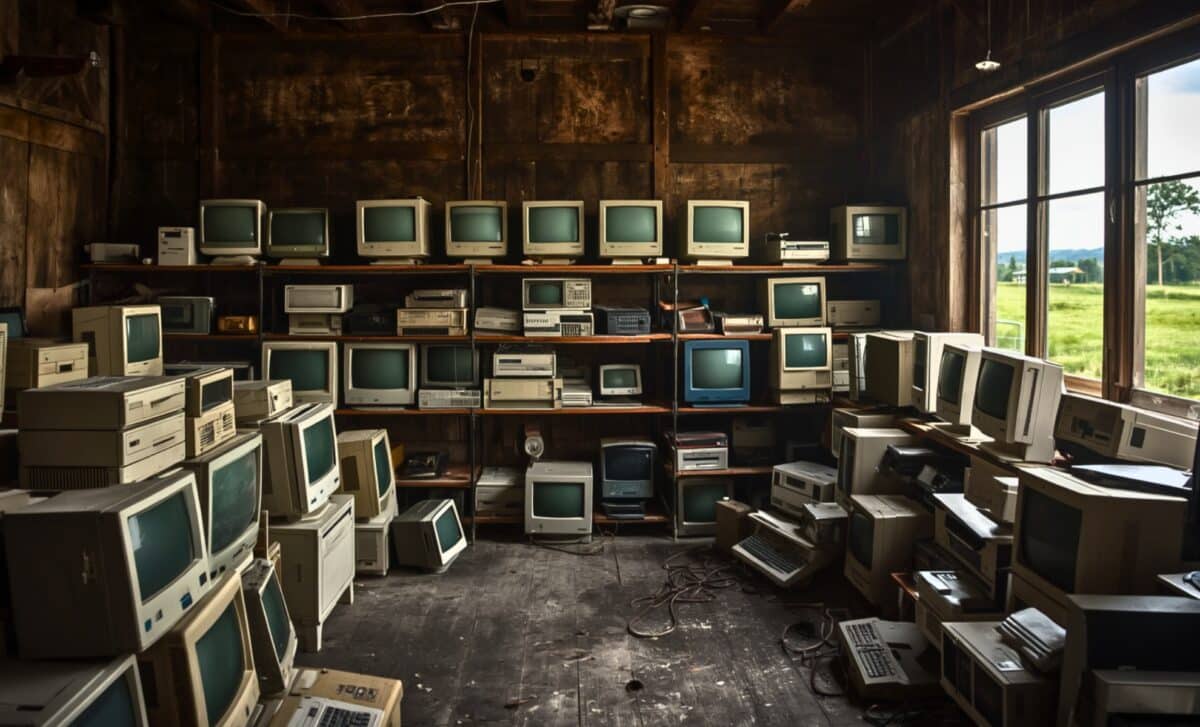
For more than two decades, a dilapidated barn in rural Massachusetts quietly housed a treasure of computing history on its second floor. This hidden collection weighed approximately 22 tons and contained over 2,200 brand-new NABU Personal Computers from 1983. In 2023, the barn’s structural issues forced the machines into the open, sending ripples through the retro computing community and reviving a network that predated the modern internet.
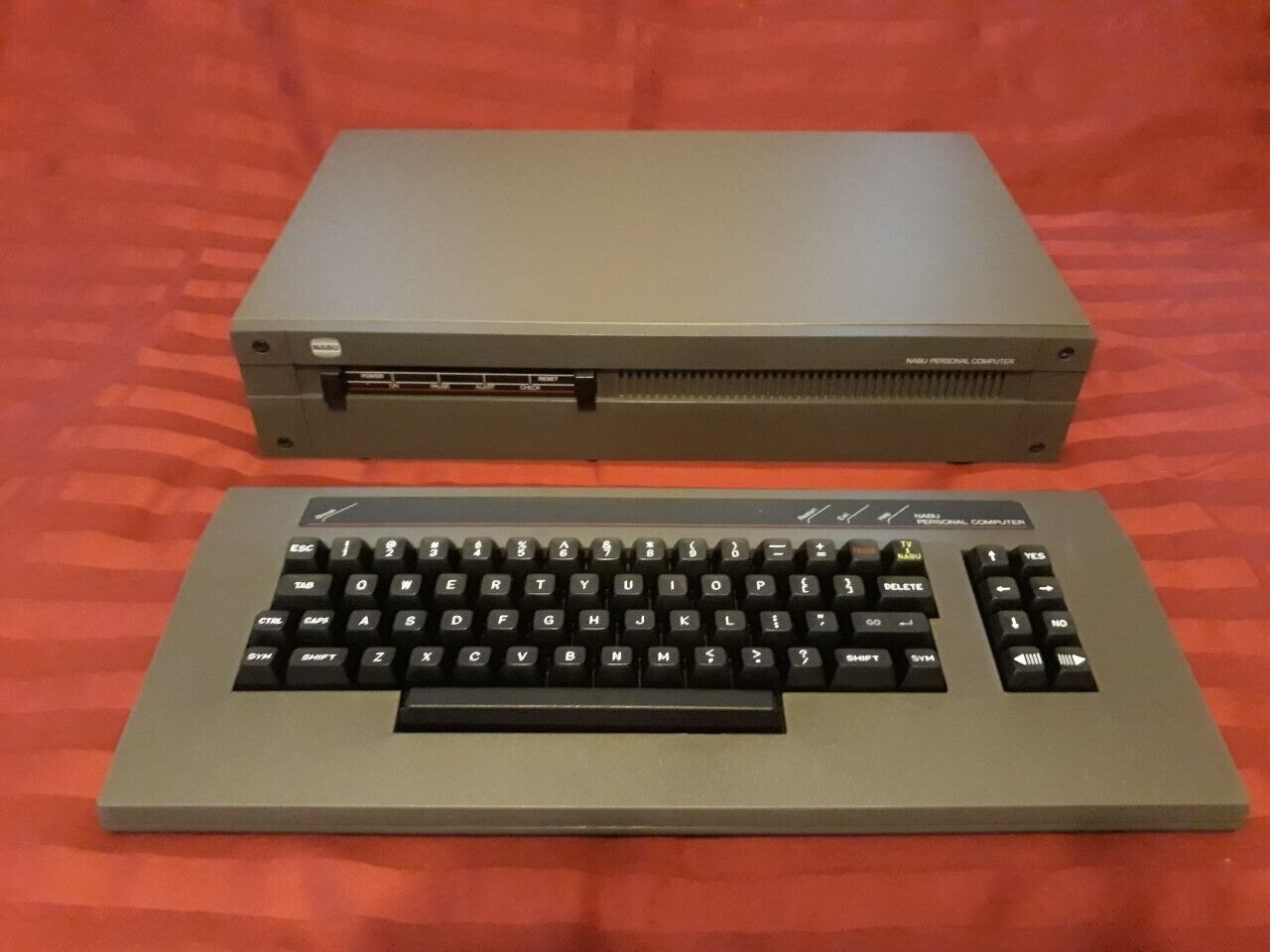
The computers were NABU Personal Computers, a lesser-known Canadian platform designed to download software via cable television lines. Retired computer designer James Pellegrini had acquired the entire remaining stock during a bankruptcy sale in the late 1980s, intending to repurpose the machines’ Z80 processors for a telephone exchange project that never came to fruition. He moved them into a neighbor’s barn around the year 2000 and largely left them untouched.
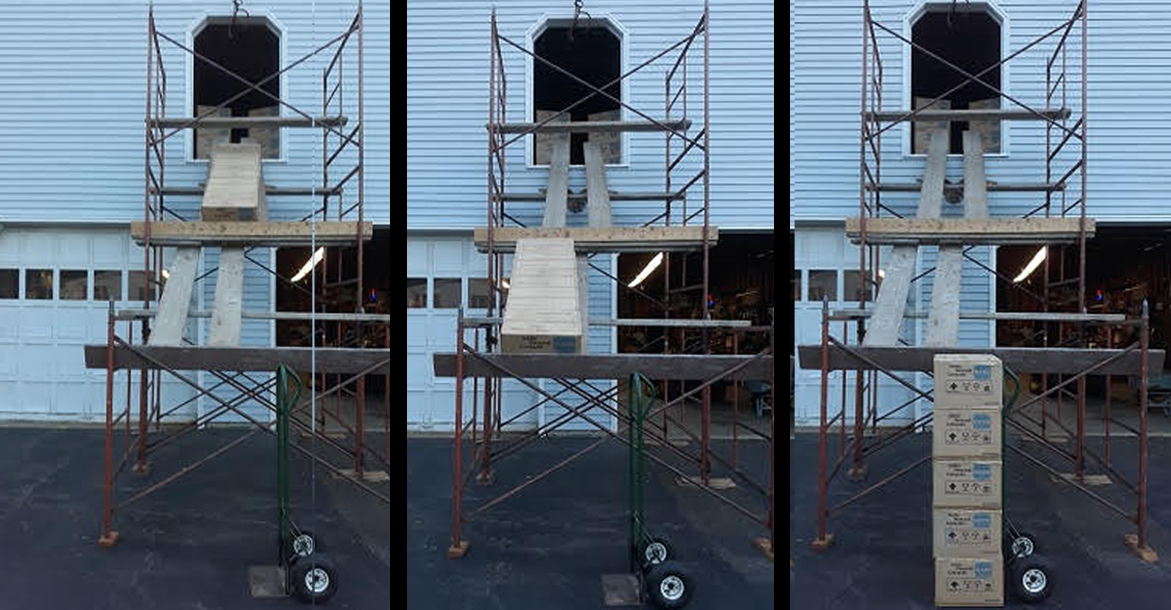
By early 2023, the barn had become structurally unsound. The weight of the machines, roughly equivalent to 11 full-size vehicles, made it necessary to act. Pellegrini and his neighbor spent six weeks unloading the machines, documenting the process in a personal journal that captured the physical toll. “I would climb up the staging into the loft door and gather 4 stacks of 5 computers,” he wrote. “After she slid 5 computers down, I would grab them and put them in the truck. We would repeat this about 70 times and the truck would be filled.”
A Pre-Internet Network Frozen in Time
NABU, short for Natural Access to Bi-directional Utilities, launched in October 1983 as an AOL-like service that used cable television infrastructure instead of telephone lines. According to the School of Computer Science at Carleton University, which holds the NPC-2 model in its vintage computing collection, it was the world’s first cable-ready home computer. The machine relied on a Zilog Z80 processor running at 3.58 MHz, the same chip architecture found in early arcade cabinets and the ColecoVision console.
What made NABU unusual was its operating system, which was not stored on the device. Each time a user powered on the machine, it downloaded the entire OS from the cable network. This distribution model anticipated cloud computing and subscription software services by decades. The platform offered downloadable games, educational programs, and business applications, including official ports of arcade titles like Pac-Man and Q*bert.
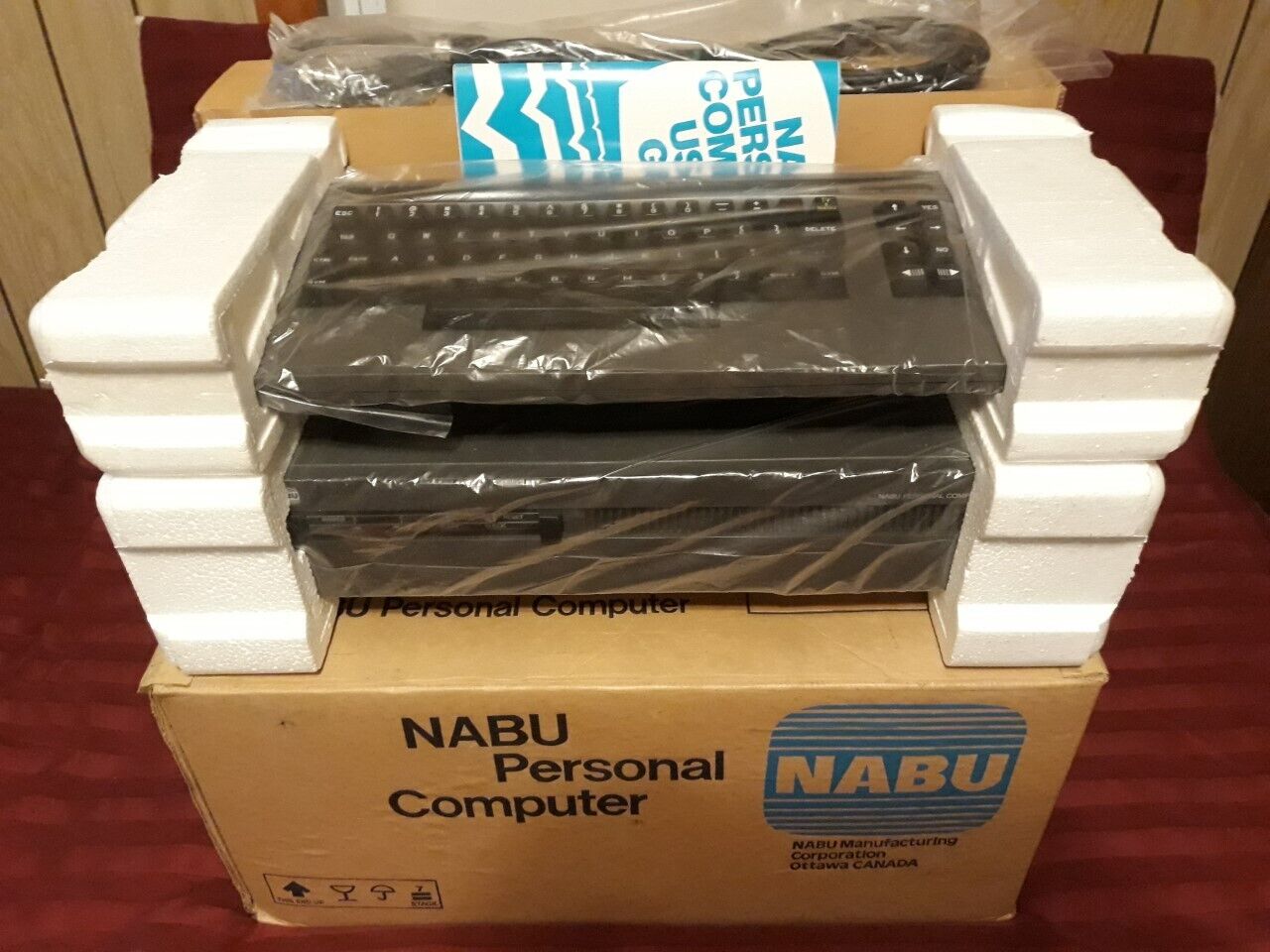
The network operated in Canada and briefly in the Washington, DC area, where former FCC Commissioner Tom Wheeler, who ran NABU’s American operations, faced constant cable-industry resistance. “We actually ended up training our salespeople that what they needed to do was set everything up, and then put the keyboard in the consumer’s lap, force them to touch it,” Wheeler told Vice in a 2023 feature on the barn discovery. The service shut down in 1986 after only three years.
eBay Sales Spark a Community Revival
Pellegrini first listed the machines on Craigslist for $20 each. Interest was modest. He then moved to eBay at $59.99 per unit, a price retro computing enthusiasts described as remarkably low for new-old-stock hardware. The response was immediate and overwhelming.
Over the course of three days, Pellegrini sold roughly 560 NABU computers, nearly a quarter of his total inventory. eBay temporarily suspended his account to verify that the stock was legitimately his. Once confirmed, sales resumed, and the units continued shipping to buyers across the world. He later raised the price to $99.99 as demand grew. Each machine was removed from its original packaging, tested to confirm it still booted, and resealed before shipment.
The influx of identical hardware caught the attention of programmer DJ Sures, whose father helped develop the original NABU hardware. Sures purchased a unit and began working to reconstruct the network protocol. He reached out to Zbigniew Stachniak, an associate professor of computer science at Toronto’s York University, who manages the NABU Network Reconstruction Project. Stachniak provided partial guidance but required Sures to reverse-engineer the communication commands himself.
“He says, ‘I’m not giving you anything, you have to earn what I give you,’” Sures told Vice. “He treats me like a student.”
Original Software Restores the Cable Network
The breakthrough came when Leo Binkowski, NABU’s former Director of Content Development, contacted Sures through LinkedIn with an archive of original program files. Binkowski had maintained the software for nearly 40 years at his home. When Sures loaded the files, the NABU booted with its original interface, including a starfield screen. He recorded the moment on video.
The network is now functional again through an internet adapter Sures developed. The NABU RetroNET Preservation Project hosts historical documentation and connection tools for enthusiasts who purchased units from the Massachusetts barn. A version of the platform also runs on the MAME emulator, expanding access beyond the physical hardware.
For York University, the sudden wave of interest brought both workload and satisfaction. Stachniak described it as “a massive attack on our museum” but said the university was pleased to help hobbyists. “It was really a pleasure to work with them,” he said.
Pellegrini, who spent decades in embedded systems programming, has expressed interest in developing software for the NABU once his remaining inventory sells through. Reflecting on his unexpected role in computing history, he told Vice that his fate was sealed. “I’m going to be known as the eccentric who kept these computers and then released them onto the world 30-plus years later.”
The barn has been emptied. The network, against all odds, is alive again.