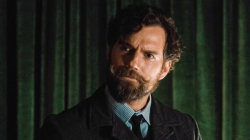
The Vision Behind Spider-Noir’s Dual Format Release
Nicolas Cage has shared his reasoning for advocating the release of Spider-Noir in both black-and-white and color formats. According to the actor, this decision was primarily aimed at making the film more accessible to younger audiences who may not be familiar with monochrome cinema. While the noir-inspired superhero series was always designed with a classic black-and-white aesthetic, Cage believed that offering a second version could help make the story feel more relatable to teenagers discovering the character for the first time.
The actor’s comments come ahead of the release of Spider-Noir, which reimagines Spider-Man through a darker, detective-inspired lens set in 1930s New York. Cage stars as an older, emotionally worn-out version of the hero, Ben Reilly, also known as The Spider. Creators have described the series as a collision between old-school noir cinema and superhero storytelling.
But while the dual-format release may sound like a modern compromise, Cage insists the larger goal was actually to help younger viewers discover the cinematic influences that inspired the series in the first place.
Why Nicolas Cage Wanted Spider-Noir Released in Color Too?
Although Spider-Noir was intentionally developed around black-and-white filmmaking traditions, Nicolas Cage reportedly sensed early hesitation around whether younger viewers would fully connect with that visual style. Rather than abandoning the noir concept, the actor instead suggested offering audiences two different ways to experience the story.
“You don’t only have to shoot it in black and white; you can also get teenagers, who might be watching, by shooting in color with almost a colorized feel. And maybe that’ll make them interested in watching it in black and white,” Cage explained while discussing the creative decision behind the show’s release strategy. According to the actor, the hope was never to replace noir cinema but to create curiosity around it.
The idea ultimately gained support from the creative team, who designed the series with both versions in mind from early production rather than treating color as a last-minute addition. That choice reportedly influenced everything from cinematography and costume textures to lighting and performance style.
How Spider-Noir Still Plans to Honor Classic Noir Cinema?
Set in 1930s New York, Spider-Noir leans heavily on detective-film influences while placing Spider-Man mythology in a darker, more emotionally mature world. Showrunners have repeatedly described the series as less of a conventional superhero adaptation and more of a noir drama where the lead character simply happens to be Spider-Man.
Cage also reportedly immersed himself in classic cinema while shaping the character, drawing inspiration from screen legends such as Humphrey Bogart, James Cagney and Edward G. Robinson. According to the production team, conversations around old noir performances became part of the creative process throughout filming as the actor worked to develop a version of Spider-Man unlike anything audiences have seen before.
A Unique Viewing Experience
The eight-episode series premieres in the U.S. on May 25 before releasing globally on Prime Video on May 27, with both black-and-white and color versions available for audiences. This approach allows viewers to choose their preferred format, potentially introducing younger audiences to the visual language of noir while still maintaining the integrity of the original concept.
Final Thoughts
With its unique blend of classic noir elements and modern storytelling, Spider-Noir offers a fresh take on the Spider-Man mythos. Whether watched in black-and-white or color, the series aims to honor the past while engaging new generations of fans. Do you think Spider-Noir should be watched in black-and-white first, or does Nicolas Cage’s color approach make more sense for younger audiences? Let us know in the comments.