The Evolution of Fandom in the Indian Premier League
The Indian Premier League (IPL) has transformed the way fans engage with cricket, especially among younger supporters. Growing up watching T20 cricket, these fans now view the game through a different lens compared to previous generations. Their loyalty often lies with specific franchises like the Mumbai Indians or the Royal Challengers Bengaluru (RCB), rather than the national team itself. This shift reflects a broader trend where teams are becoming more significant than national teams, much like in football.
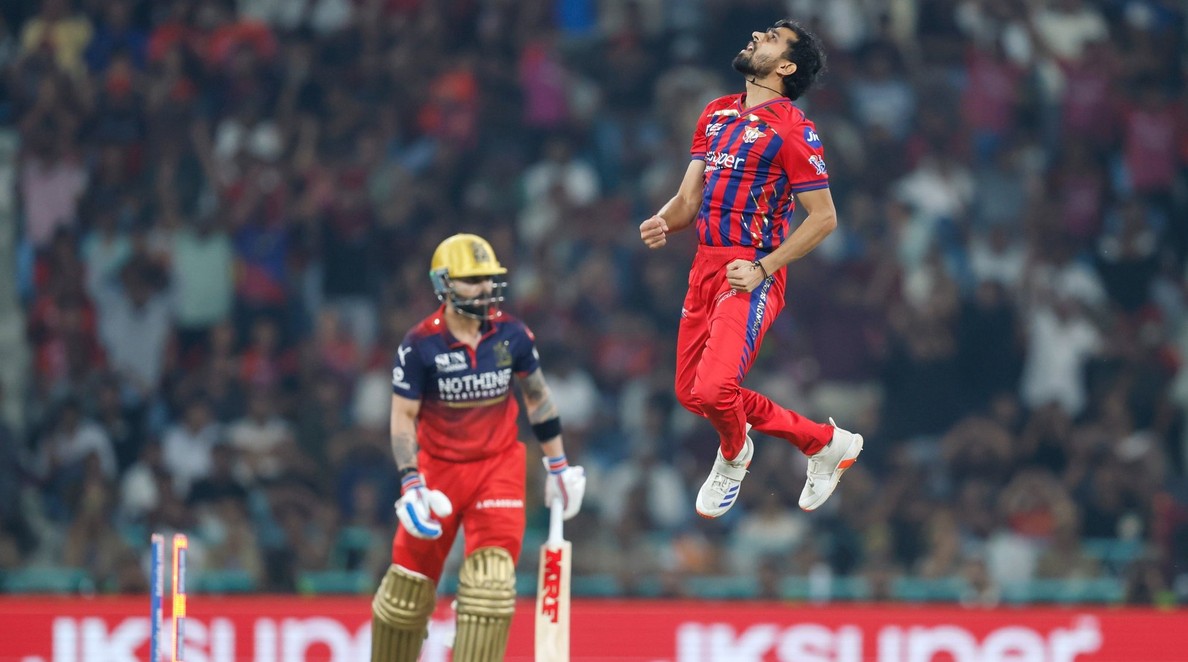
This evolution is happening regardless of public opinion. For instance, RCB fans were disappointed when Prince Yadav dismissed Virat Kohli for a duck. However, it was later revealed that Kohli had given Yadav advice that led to his successful wicket-taking. This incident highlights the growing importance of mentorship and knowledge sharing within the sport.
The IPL’s Original Purpose
It’s worth noting that the IPL was initially created as a platform to enhance the performance of Indian cricket. Many fans today might not remember this fact, but it remains a crucial part of the league’s history. Kohli strongly supports this idea, believing that when veterans guide younger players, it elevates the entire league. This, in turn, benefits Indian cricket as a whole.
Mentorship has always been a natural part of cricket. Players have historically learned from one another, improving their skills and contributing to the sport’s growth. This tradition continues today, with experienced cricketers passing on their expertise to the next generation.
Innovations in Cricket Training
One such innovation is the wobble ball, which has become a training tool for fast bowlers across international cricket. It gained popularity during the County Championship, where players from various countries compete together. This shows how cricket is constantly evolving, adopting new methods to improve performance.
Another example is MS Dhoni, who learned the helicopter shot from a teammate. Throughout cricket history, players have continually adapted and improved their games by learning from others. This culture of mutual growth is essential for the sport’s development.
Kohli’s Role in Mentorship
Kohli understands the value of sharing knowledge better than most. He has no qualms about helping young players like Yashasvi Jaiswal, knowing that Jaiswal will represent India for years to come. Even if Jaiswal one day uses Kohli’s advice to defeat RCB, it’s all part of the competitive nature of the sport. Strong teams and players thrive when they face challenges and overcome them.
Kohli explained his dismissal against the Lucknow Super Giants, citing his time in the dressing room with Prince during the 2025-26 Vijay Hazare Trophy (VHT). They developed a friendship, and Kohli, being 13 years older, guided the pacer on field placements, bowling strategies, and other aspects of the game.
The Importance of Knowledge Sharing
Kohli demonstrated the significance of sharing his expertise when he taught upcoming cricketers his professional insights during discussions. He believes that young players must continue their development, and he sees his mission to sustain Indian cricket excellence through his retirement and the departure of other legends as his main objective.
Conclusion
The IPL has reshaped the landscape of cricket, creating a new era where team loyalty and individual growth take precedence. As the sport continues to evolve, the role of mentorship and knowledge sharing becomes even more critical. Players like Kohli exemplify this, ensuring that the legacy of Indian cricket is preserved and enhanced for future generations.