The Hollywood “What-If” That Could Have Changed Everything
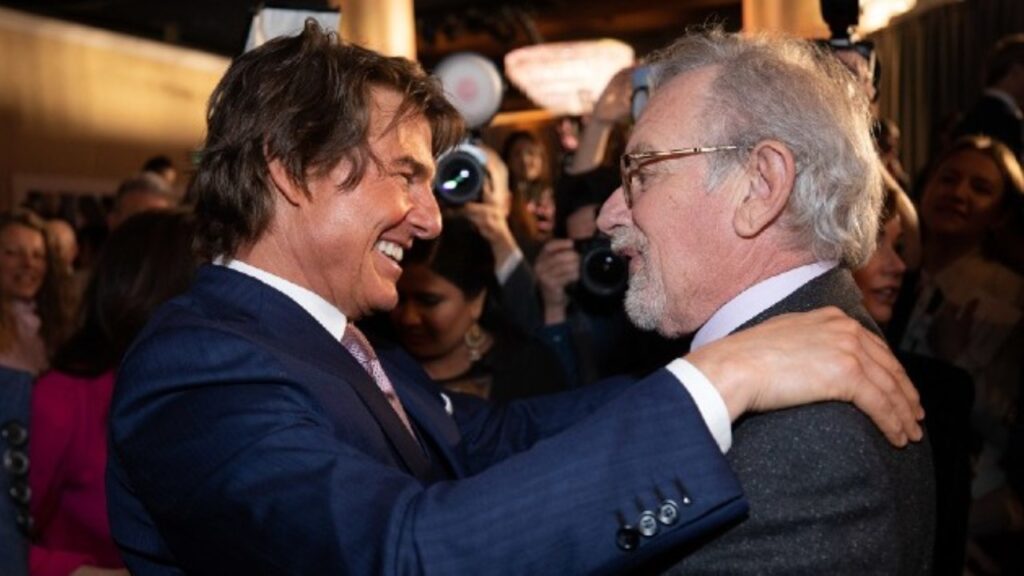
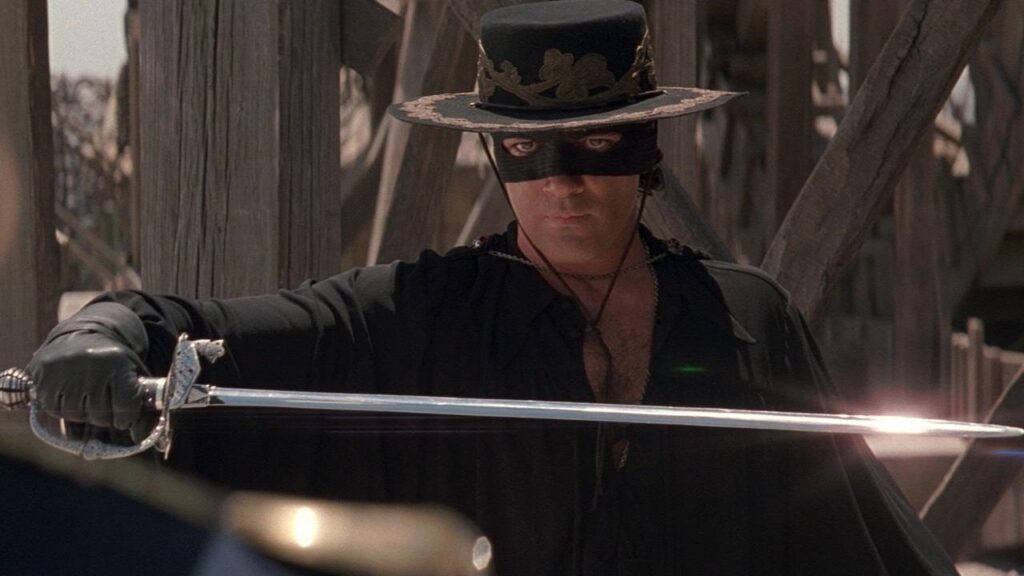
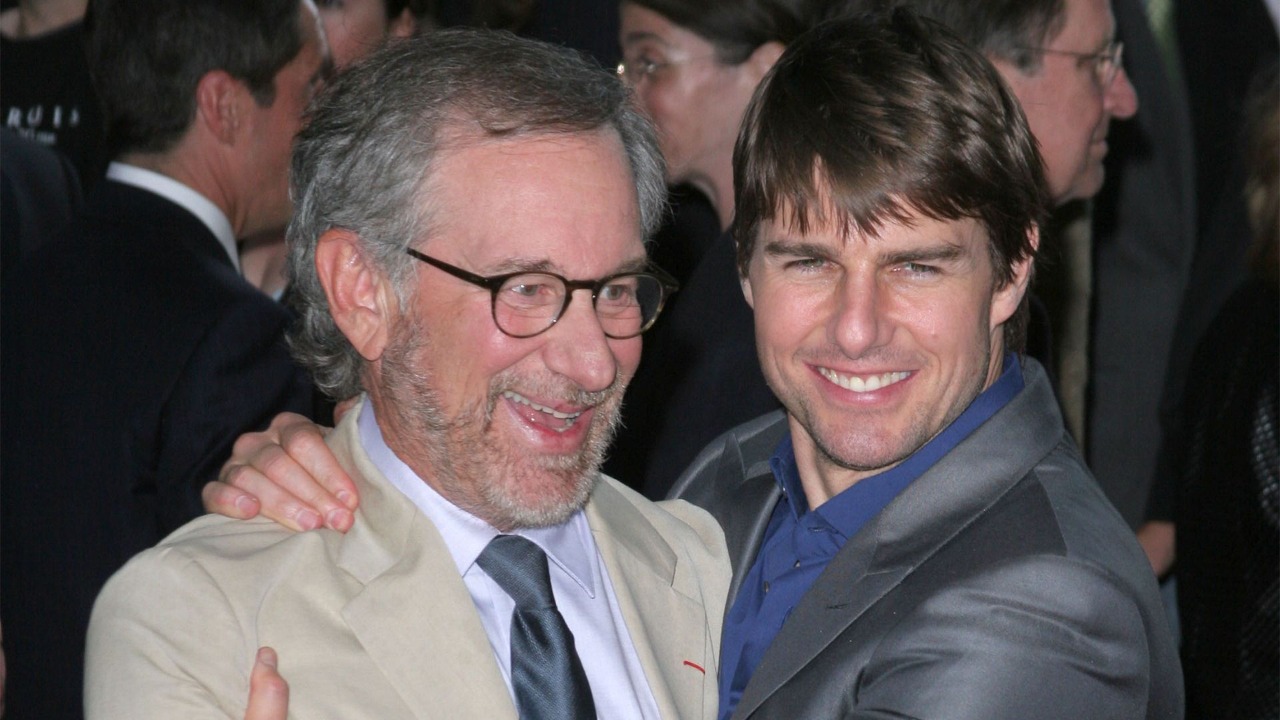
In the world of Hollywood, there are countless “what-ifs” that spark endless debates among fans and critics alike. One of the most intriguing scenarios involves Tom Cruise, Steven Spielberg, and a black leather mask. Before Antonio Banderas brought Zorro to life in 1998, the iconic role almost went to the biggest action star of the time—Tom Cruise. However, in a rare moment of good judgment, Cruise turned down an offer from one of the most powerful producers in the industry, Steven Spielberg.
According to a resurfaced oral history, cinematographer Mikael Salomon was originally set to direct The Mask of Zorro. He revealed that Spielberg, who served as an executive producer, had a clear vision for the lead character: Don Alejandro de la Vega, the Mexican vigilante. For most actors, landing a role in a summer blockbuster with Spielberg would be a dream come true. But for Cruise, the situation looked too risky.
The Controversy Tom Cruise Saw Coming
At the time, Salomon was aware of the growing discontent in Hollywood regarding representation. He referenced the backlash against The House of the Spirits, which faced protests in South America for casting non-Latino actors in Latino roles. Salomon recalled warning Spielberg directly: “You know, that’s probably not a good idea, just for that reason.”
Cruise, it seems, didn’t need much convincing. When he learned that Spielberg wanted to make the offer, he took an unusual step—he called Salomon himself to decline the role. “I had worked with him on Far and Away,” Salomon remembered. “So he called me up and said, ‘Thanks for the offer, but I think it’s not a great idea for me to do this movie because, as you know…’”
Salomon’s response was simple but telling: “Tom, you’re a very smart guy. Absolutely, you’re absolutely right.”
How Antonio Banderas Replaced Tom Cruise and Saved the Film
Looking back from 2026, Cruise’s decision appears even more prescient. If he had taken the role, the film would have likely faced serious criticism for whitewashing—the practice of casting white actors in roles meant for people of color. The movie already drew some heat for casting Welsh actress Catherine Zeta Jones as a Latina hero.
Instead, the role went to Spanish actor Antonio Banderas. While he is not Mexican, his Latin heritage and commanding presence gave the character a sense of authenticity that made the film a classic. Salomon admitted he had initially preferred Andy Garcia for the part, but ultimately, Banderas’ casting proved to be the right choice.
Why Tom Cruise’s Rejection Was His Smartest Career Move
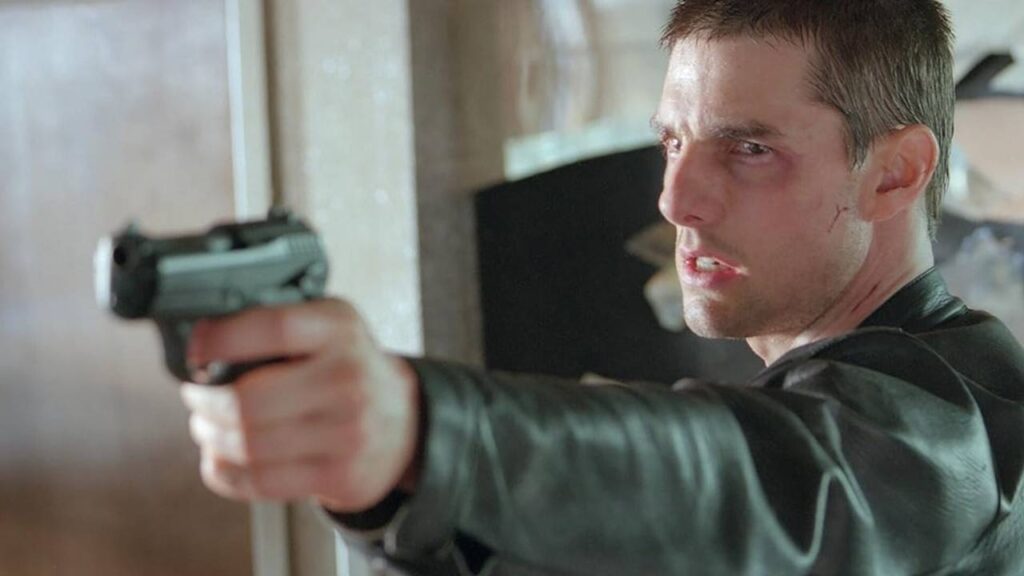
Cruise would later work with Spielberg on Minority Report and War of the Worlds, but the Zorro movie that never happened remains a fascinating footnote in his career. By declining the role, Cruise avoided a potential public relations disaster that could have damaged his clean-cut image.
It’s ironic to consider that the man who has built his entire career on stunts, masks, and impossible missions chose to walk away from a deal that could have cost him everything. As Salomon put it, the film gods are fickle. In this case, though, Cruise spared himself a battle he might not have won.