The New Normal in Australian Grocery Shopping
The way Australians shop for groceries has undergone a significant transformation, driven by rising food prices and the ongoing cost-of-living crisis. A survey of over 3000 shoppers conducted by consumer group Canstar has identified four key trends that are now shaping the shopping habits of households across the country.
“Most Australians have changed how they shop in an effort to save money, highlighting how the increasing cost-of-living has turned a weekly chore into a strategic exercise,” said Eden Radford, a spokesperson for Canstar. “Households are investing real time and mental energy to stretch their dollar at the supermarket, and Canstar’s research shows they’re becoming increasingly savvy about it.”
Switching to Home Brands
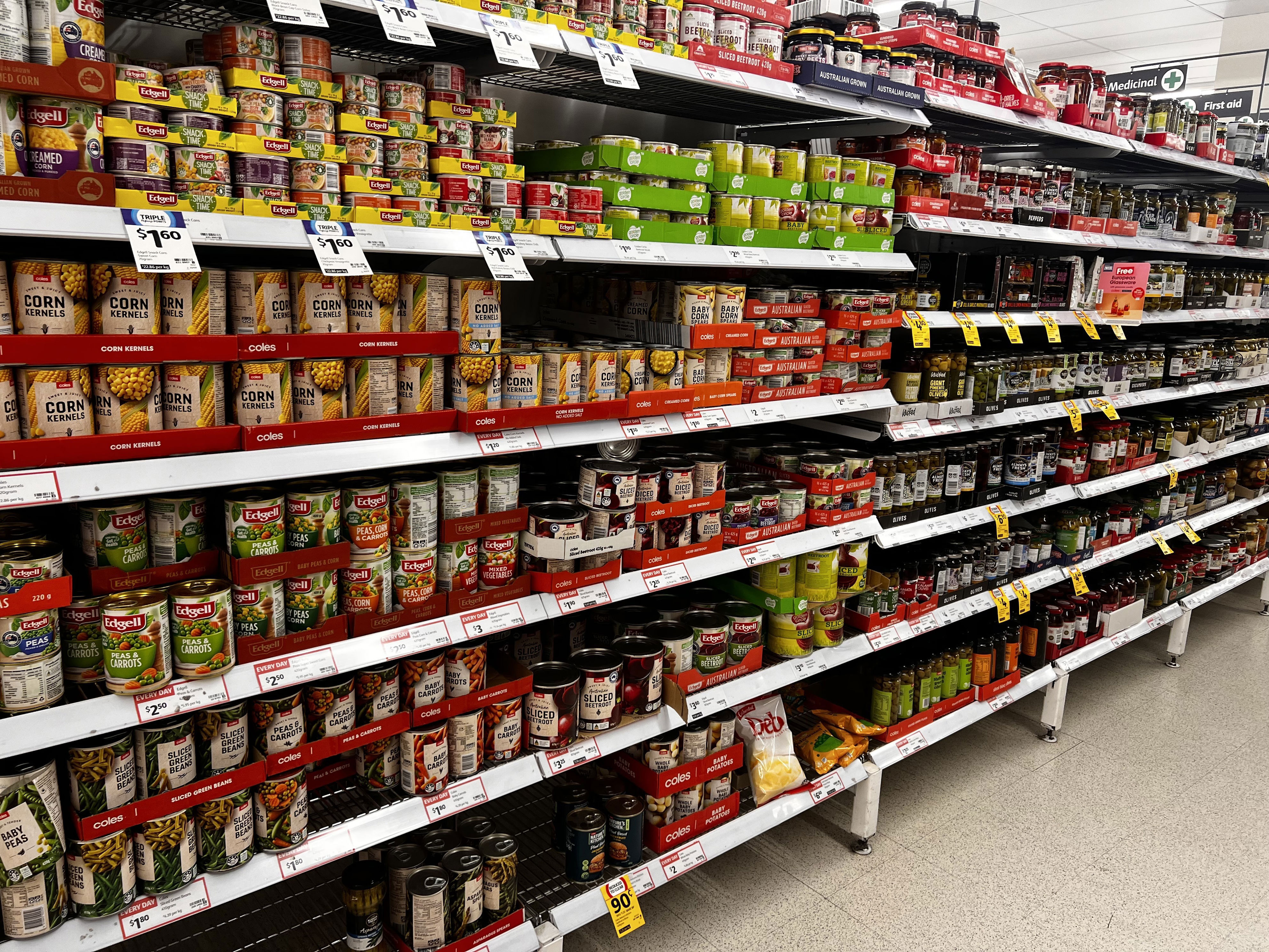
Two-in-five Aussie shoppers have made the switch to home brands, which can save a family-of-four up to $2424 a year, according to Canstar research. “Switching to home-brand products is one of the simplest ways to take back control of your grocery bill,” Radford said.
With major supermarkets like Coles and Woolworths heavily investing in their own brand products, this shift no longer means sacrificing quality. In fact, several home brand products have won Customer Satisfaction Awards via Canstar surveys, including Aldi’s Almat and Trimat laundry liquid and powder and Westacre sliced cheese. Coles has also received recognition for its breakfast oats, wholemeal bread, and Coles Bakery white sliced bread. Woolworths has been acknowledged for its cream and Bell Farms home brand frozen vegetables.
Home brand sales now account for approximately 30 per cent of sales in Australia at supermarkets across the country.
Cross-Shopping and Discount Stores
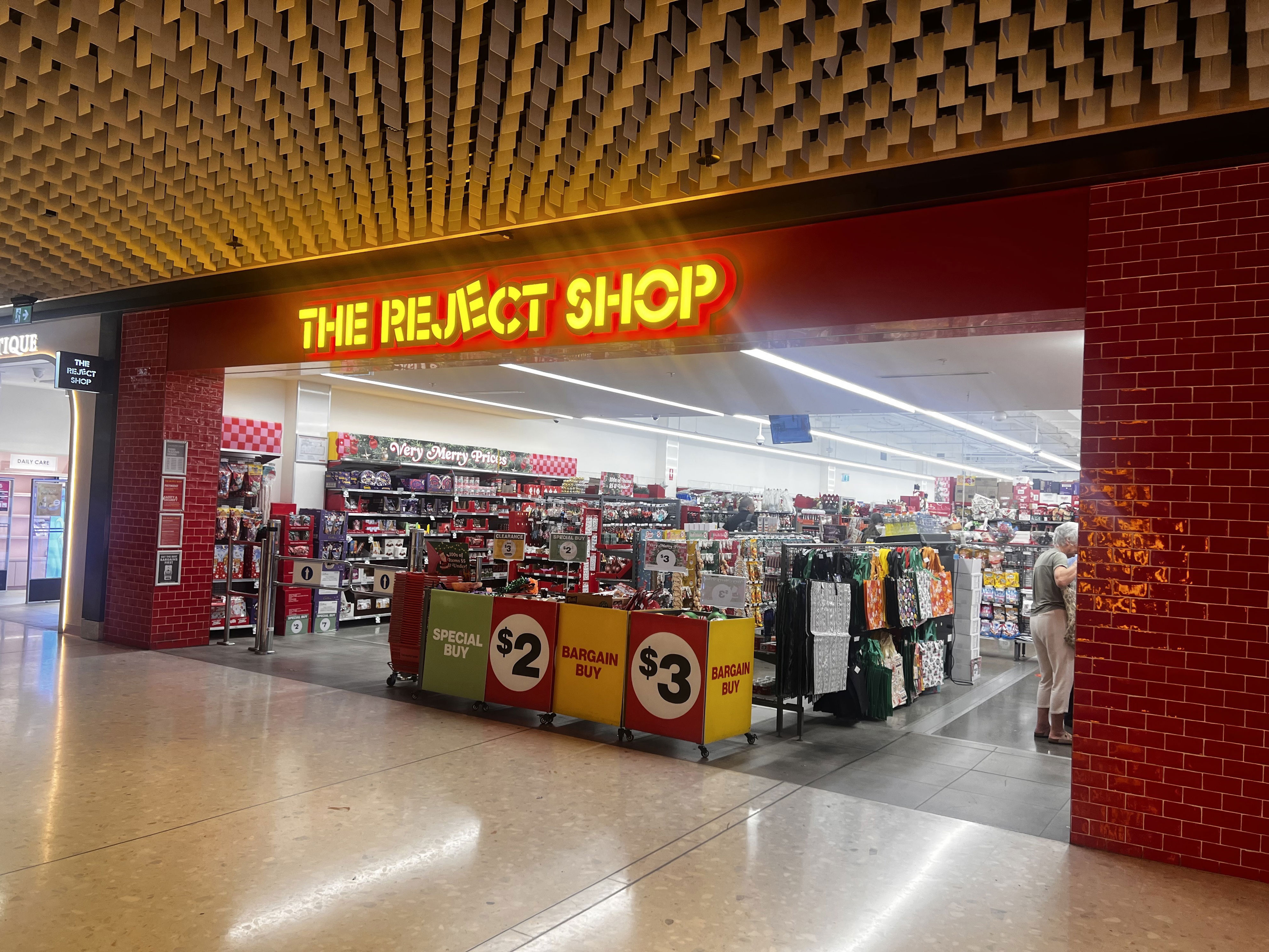
Half of Aussie shoppers now visit multiple supermarkets to take advantage of special offers, rather than sticking to one store. A further 30 per cent of consumers now include discount stores such as Red Dollar or The Reject Shop in their regular grocery shopping routine for additional savings, especially on pantry staples.
Shoppers are also willing to search for the best prices on expensive items like meat. While this approach may take more time than visiting a single supermarket, it proves to be highly effective when it comes to saving money at the checkout.
The Shopfully annual The State of Shopping report also found that shopper loyalty is declining, with two-thirds of Aussie shoppers (67 per cent) taking the time to compare prices across multiple retailers to ensure they get the best deal before making a purchase. Twenty-one per cent of shoppers surveyed by Canstar also shop at different times of the day to catch discounts such as bakery and fresh produce markdowns.
Unit Pricing Over Sales Tags
Canstar has found that Australian shoppers are increasingly using unit pricing rather than relying on price per product to ensure they are getting the best value. Radford has described this as “the most underutilised tools in any shopper’s trolley.”
Once again, this process may take a little longer, but it is well worth it, with 40 per cent of those surveyed saying they regularly take the time to compare unit pricing. This often means ignoring sales tags in favor of unit pricing, even though this can be challenging.
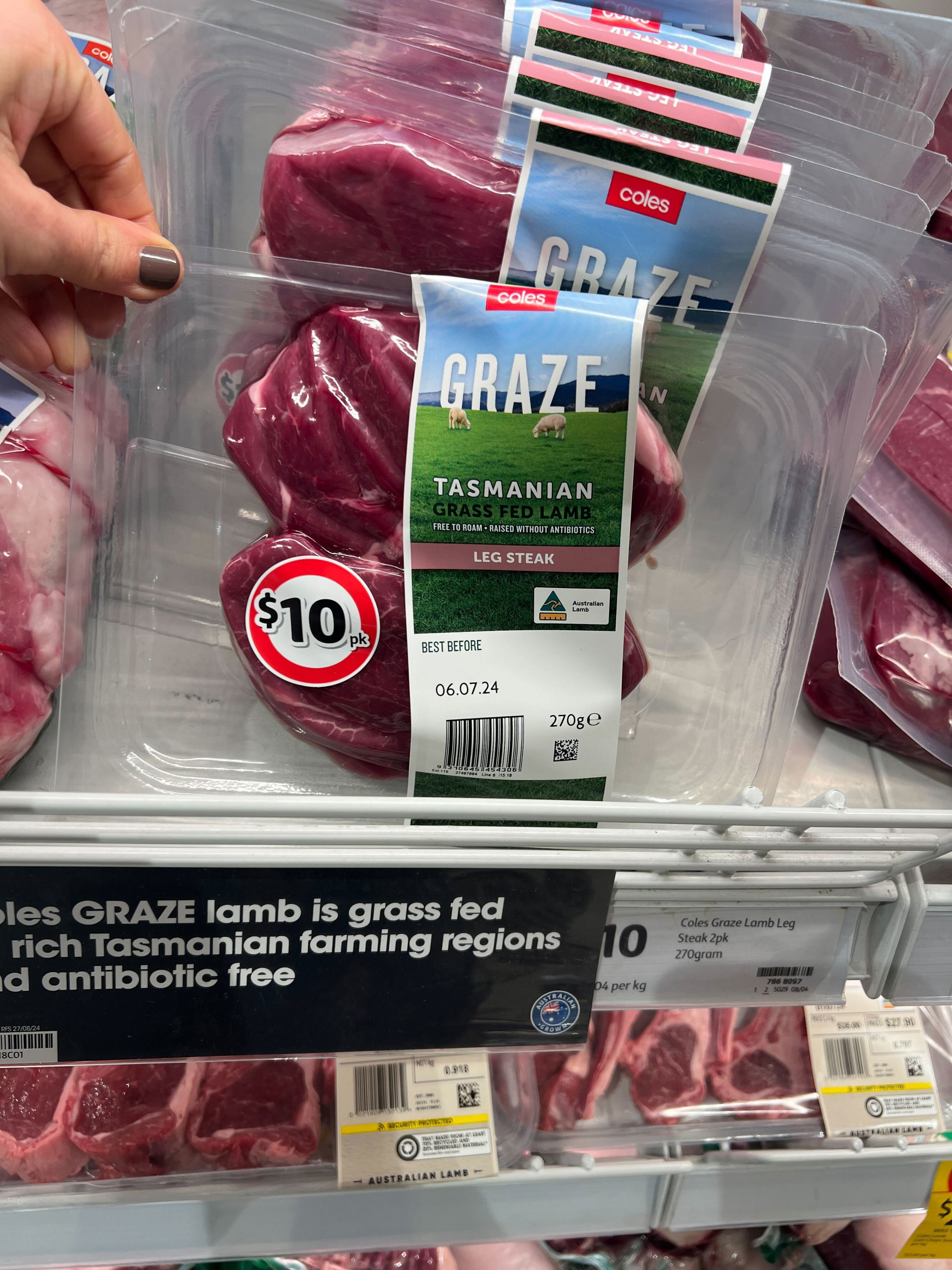
RMIT Finance and Marketing expert Dr Nadja Dollisson suggested using sales tags as a “prompt to check” the unit pricing instead of assuming that the sales tag reflects the best price possible.
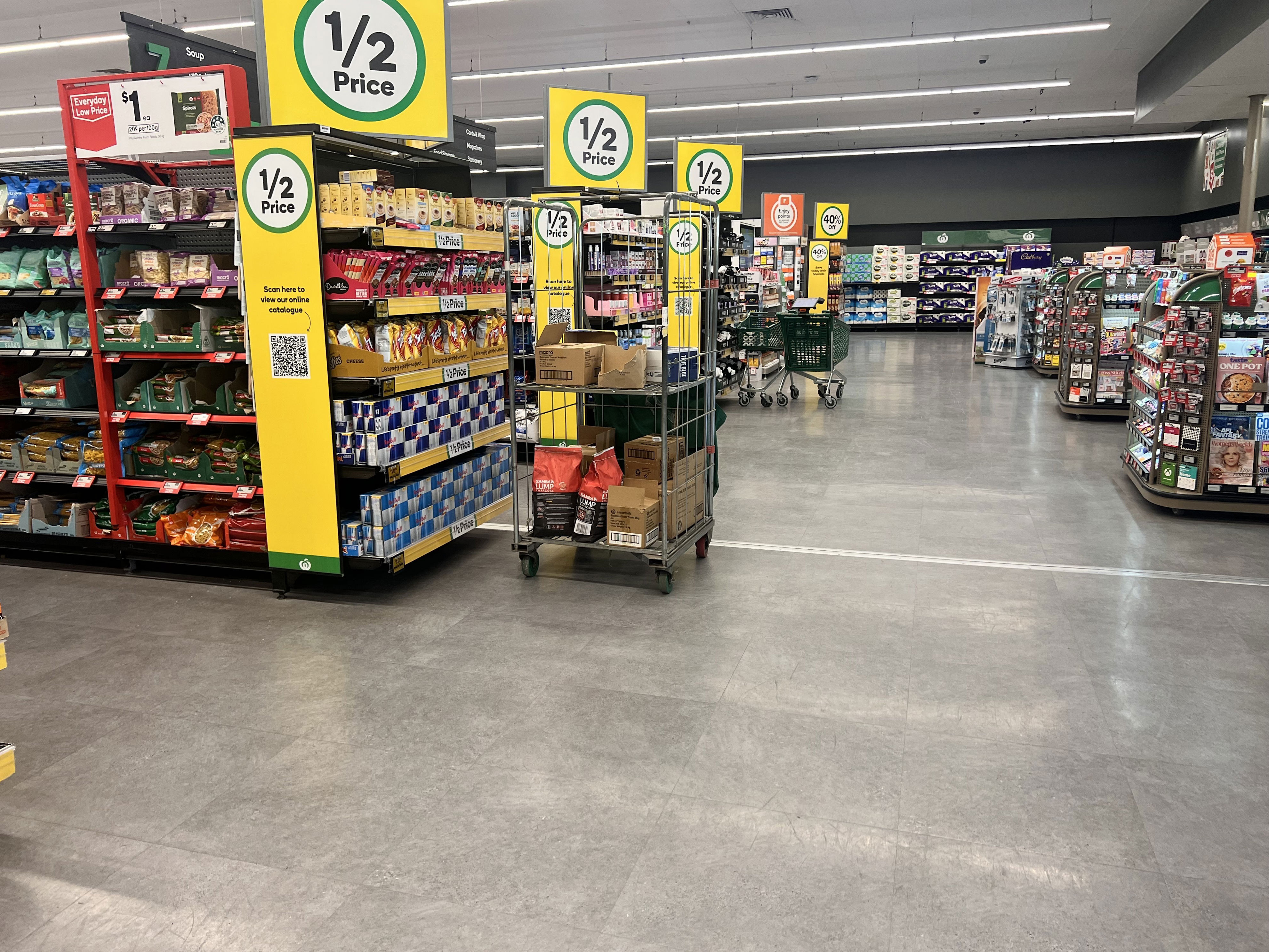
Forgoing Treats
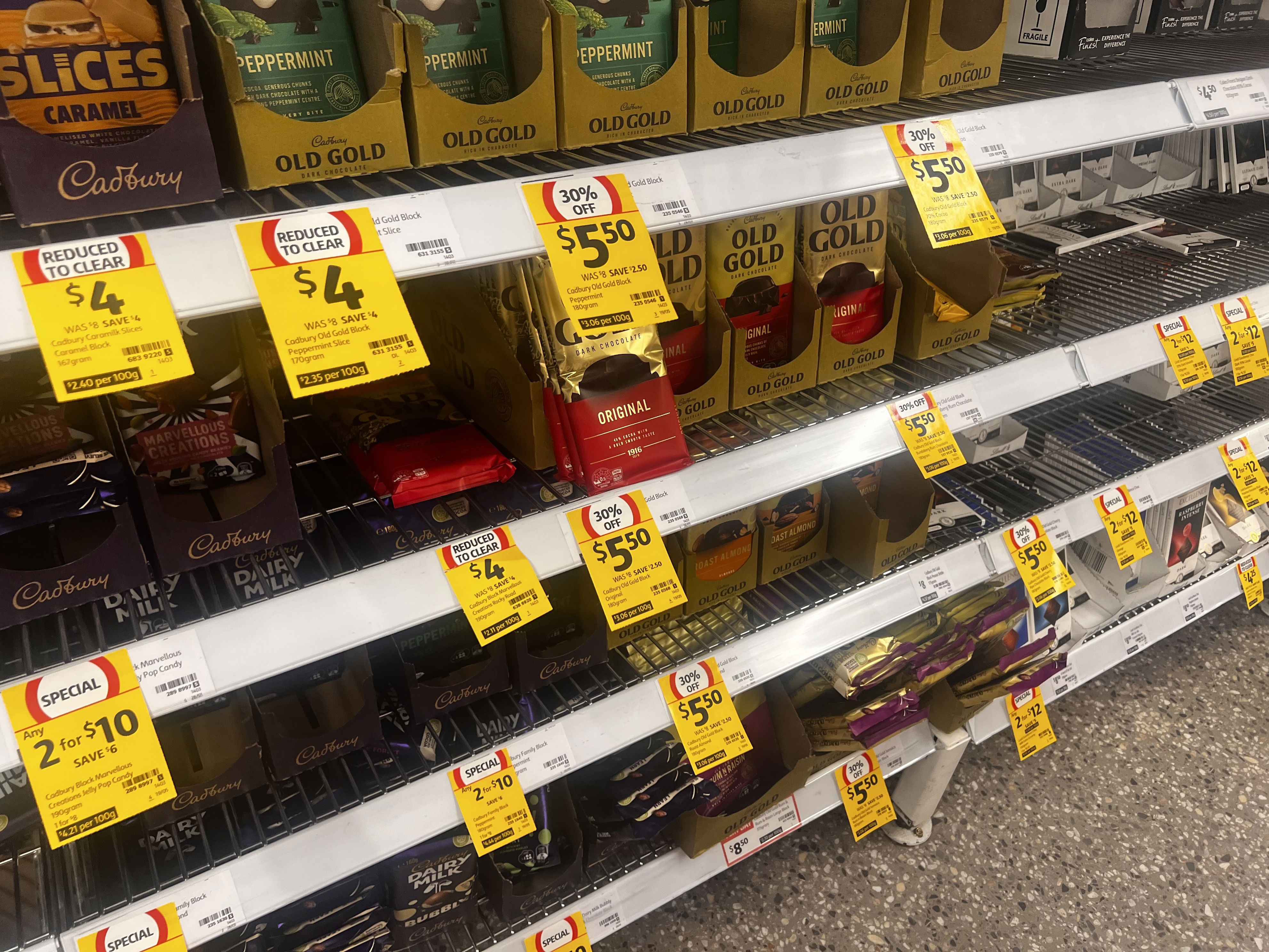
Canstar also found that 37 per cent of Aussie shoppers are choosing to forego buying treats in an effort to make ends meet. These so-called “discretionary items” are an easy way for shoppers to save, but as a long-term strategy, can feel a bit deflating.
Liquor and tobacco are Coles and Woolworths’ largest “discretionary” categories, and both supermarkets reported weak sales in these areas while sharing their latest sales results. However, Coles also noted that customers are still purchasing treats such as chips, biscuits, chocolate, and ice-cream, but they are opting for smaller or more affordable versions.