Understanding Diphtheria
Diphtheria is a serious bacterial infection that can affect the nose, throat, airways, or skin. In severe cases, respiratory diphtheria can obstruct breathing and the toxin produced by the bacteria can cause life-threatening complications such as heart and nerve damage. Symptoms of skin-based diphtheria include “skin ulcers with a bluish appearance” that tend to appear on the arms and legs, according to the Australian Centre for Disease Control (CDC).

The disease is highly contagious and spreads through liquid when you breathe in after someone standing close to you has sneezed or coughed. Symptoms usually appear in the form of a sore throat, mild fever, and chills, with more severe cases developing into swollen airways.
Treatment and Vaccination Efforts
Diphtheria is treated by vaccinations, which were first introduced in Australia in 1932 as part of a school-based program that was eventually expanded into a national immunisation effort by 1975. Vaccination rates in Australia are high, with more than 90 per cent of the nation’s children vaccinated since 2000, and 94 per cent of Aussie five-year-olds fully jabbed in 2023.
Before vaccinations were introduced, it was common for thousands of people to get infected each year, but numbers have dropped significantly since.

Between 1999 and 2019, Australian health professionals reported eight respiratory cases of diphtheria.
Current Outbreak Situation
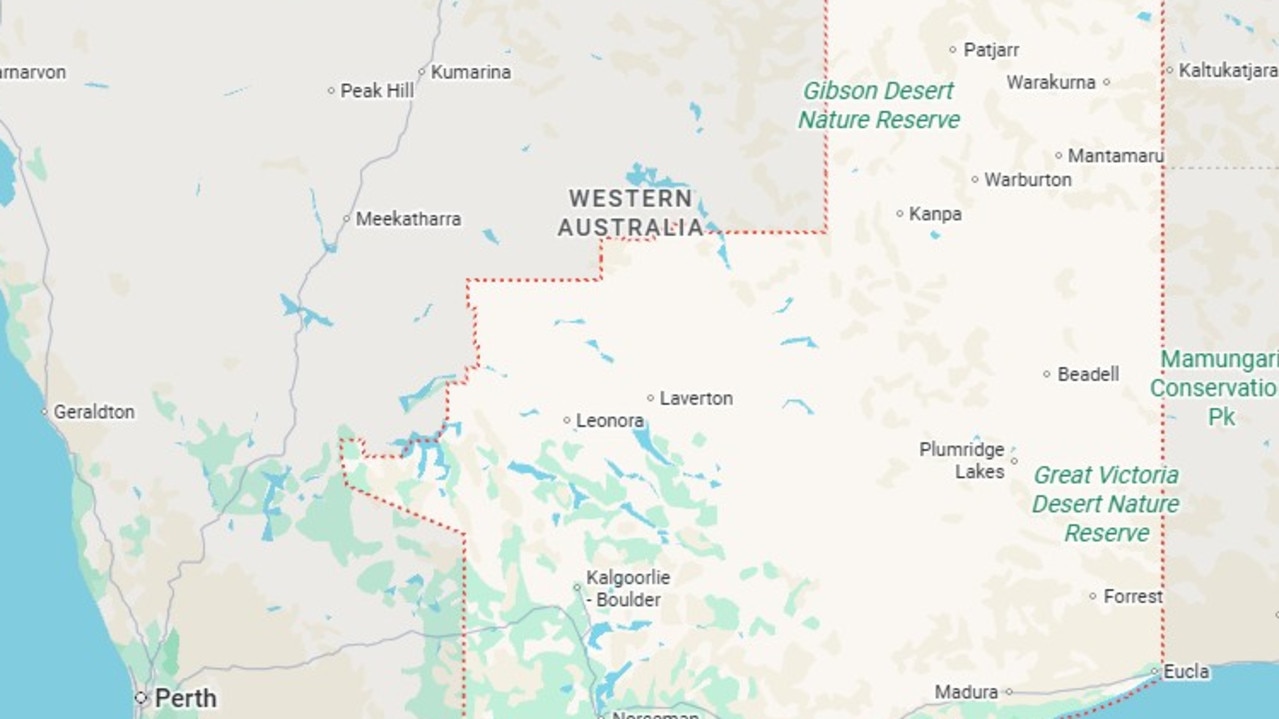
On Thursday, the CDC said 230 cases of diphtheria had been reported in 2026, with the federal government confirming the outbreak as the “biggest since national record keeping began”. The CDC reports outbreaks happening “in some parts of Australia, especially in regional and remote areas of the Northern Territory, Western Australia and South Australia”.
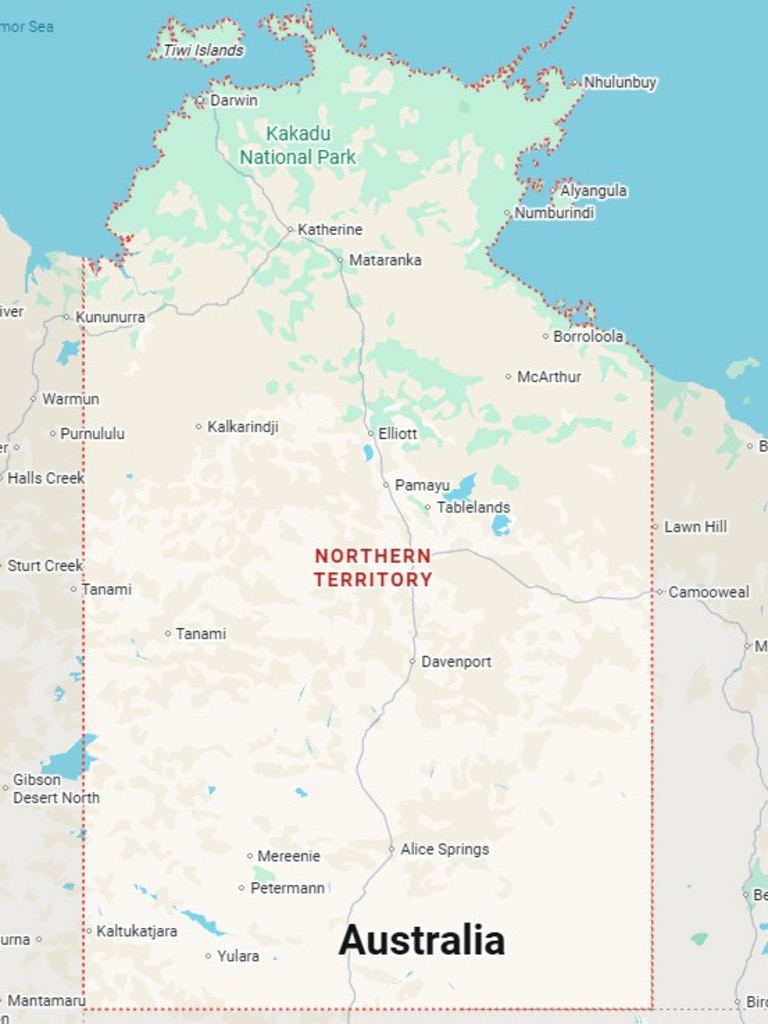
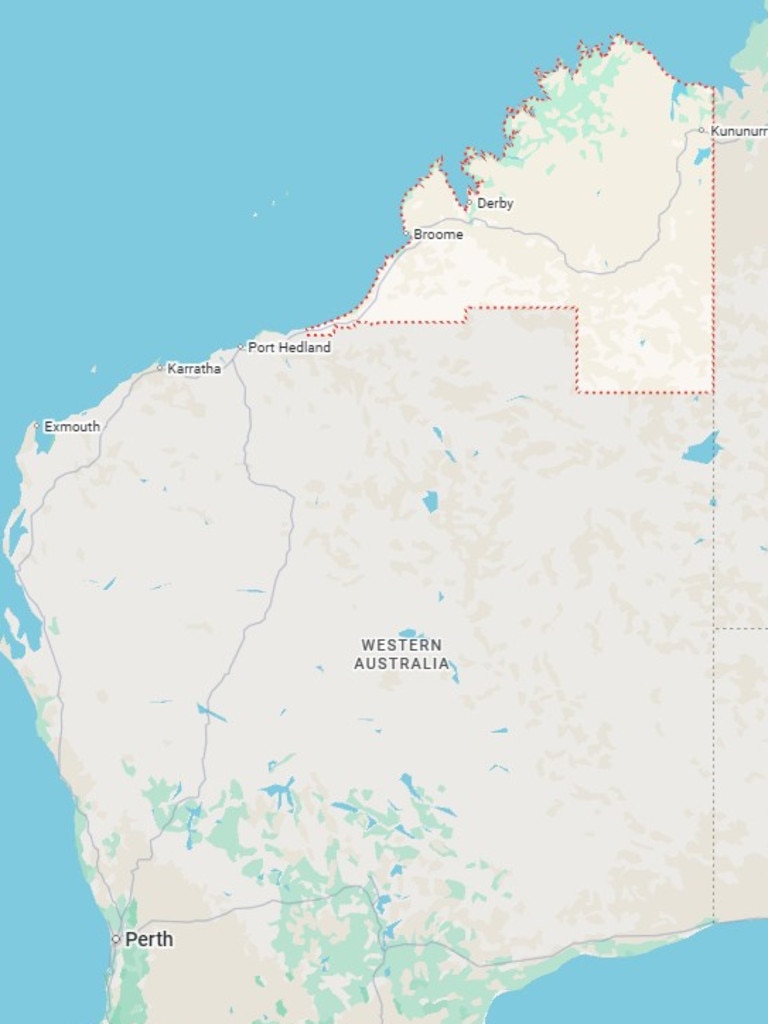
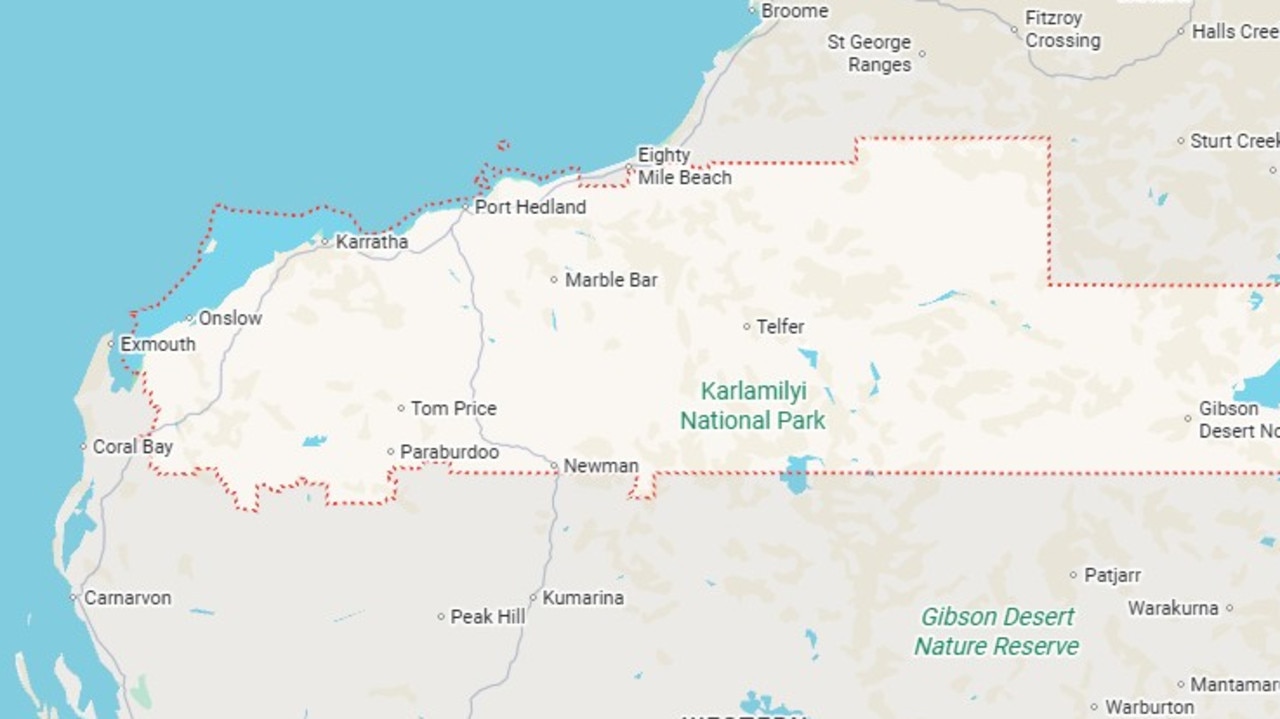
It considers areas of “high risk” to be “any location” in the Northern Territory, the Kimberley, Goldfields and Pilbara regions in WA and the far northwest of SA. People travelling through these regions have been urged to check their vaccination status and speak to healthcare professionals if they haven’t recently received a jab.
Causes of the Outbreak
Australian Medical Association president Danielle McMullen said “immunisation is one of the greatest achievements in modern medicine”, but falling vaccination rates were giving diseases thought to have been extinct “a comeback”. “We are seeing that risk play out with diphtheria, and it is a timely reminder for Australians to check they are up to date and to talk to their usual GP if they have questions,” Dr McMullen said.

The AMA has been working to discourage people from seeking non-traditional sources of medical advice, including from AI programs. “We know many Australians are turning to AI tools and online searches for health advice. But those tools can’t look at your medical history, understand your personal risks, or give you the context you deserve,” she said. “They’re not always accurate or validated. AI can give you an answer, but it can’t give you your answer.”
Government Response
The federal government announced a $7.2m response package on Thursday that will cover the cost of extra vaccines and a surge workforce who will help health officials give booster vaccinations and treatments to people in vulnerable areas.
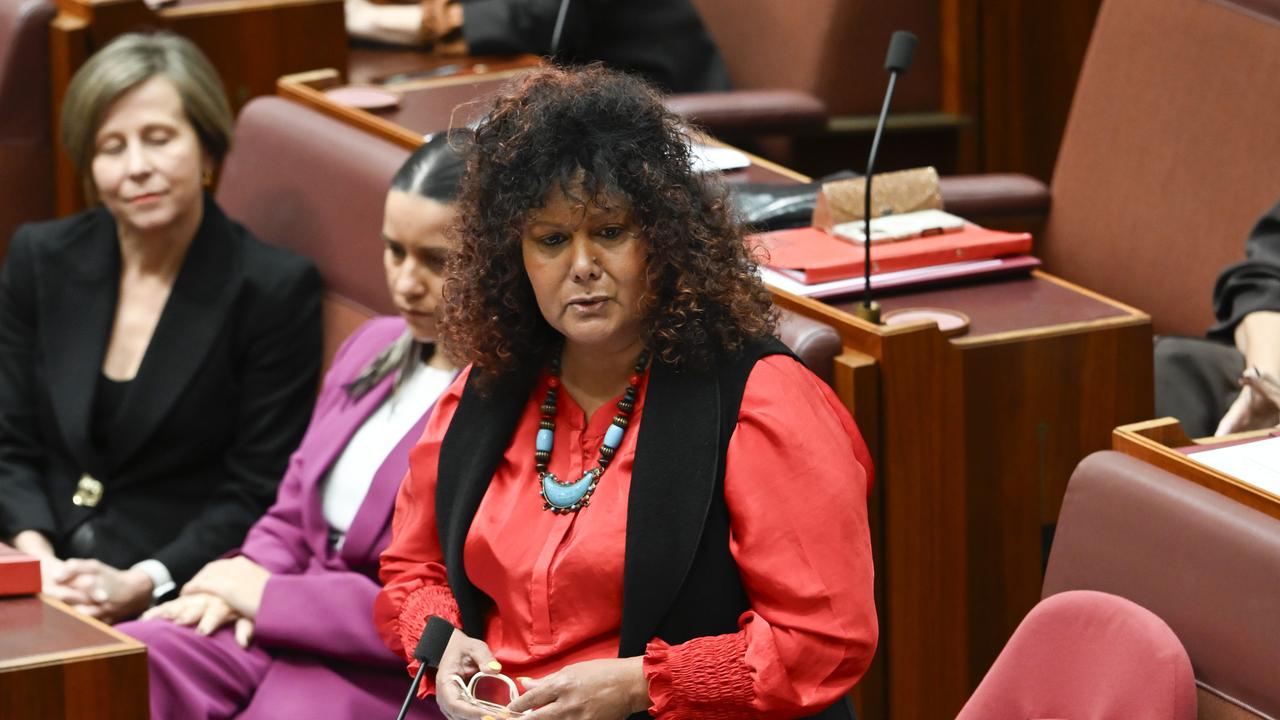
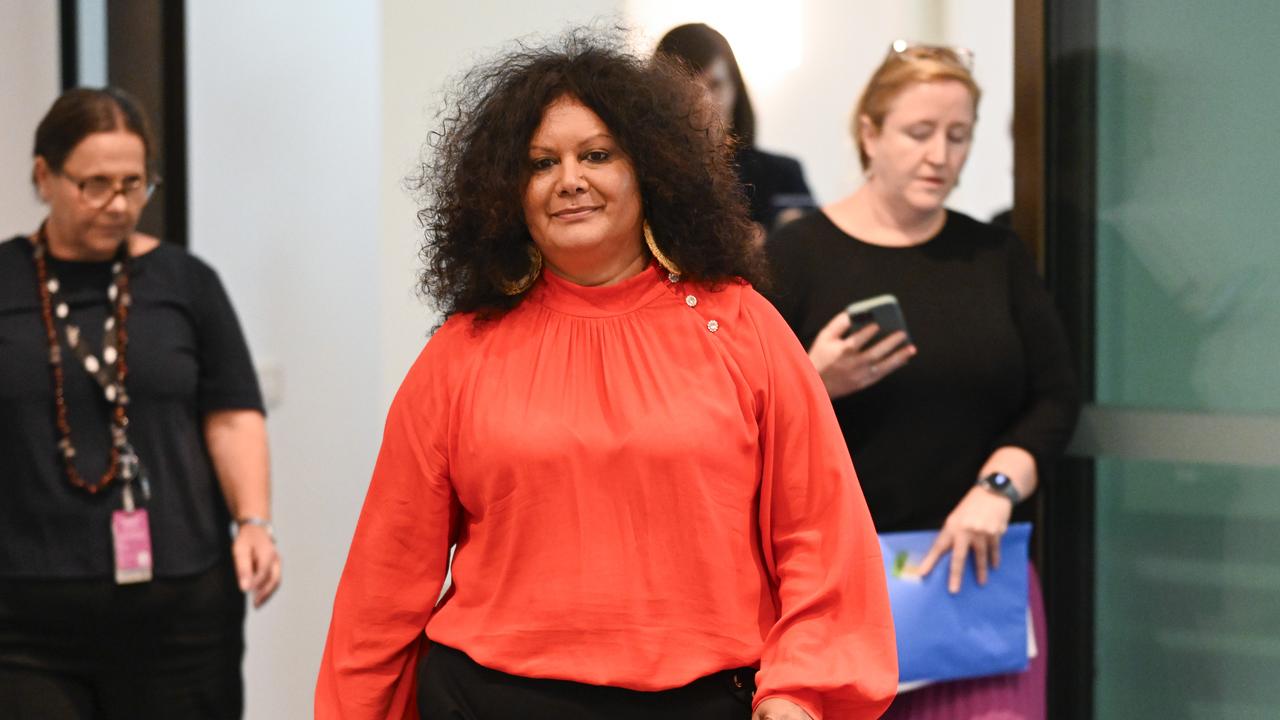
The package is also expected to cover the cost of communications and short-term health education and awareness efforts for Indigenous communities. Indigenous Australians Minister Malarndirri McCarthy said it was important for “communication, not misinformation” while speaking on ABC News Breakfast on Thursday morning, citing the rise of anti-vax sentiment in the aftermath of the Covid-19 pandemic.