The Power of Accessories in Elevating an Outfit
Accessories can completely transform an outfit. They have the unique ability to add character, balance, and personality without overwhelming the overall look. However, it’s not just about what you wear—it’s also about how you wear it. Comfort and proportions make all the difference, as they ensure that your accessories enhance rather than detract from your style.
Some pieces subtly add character, while a few common mistakes can ruin a look. Balance remains the key to an elegant and natural style. Accessories have this paradoxical power: they are both tiny and decisive. They can transform a simple outfit into a bold look, or conversely, detract from the whole and give a sloppy impression. In this article, we break down why some accessories are more appealing than others, how to choose them, and most importantly, how to use them to give meaning to an outfit without overloading it.
Start with Comfort and Proportion
A successful accessory serves two purposes: practical and aesthetic. A comfortable watch, a bag that holds its shape, lightweight earrings—these items don’t require constant adjustment. If you have to adjust, remove, or add your accessory all evening, it becomes exhausting and cumbersome. Proportion is also key: make sure the size and volume of the accessory complement your body type and overall silhouette.
The Ten Accessories That Truly Elevate an Outfit
Here are ten essential accessories that can elevate any outfit:
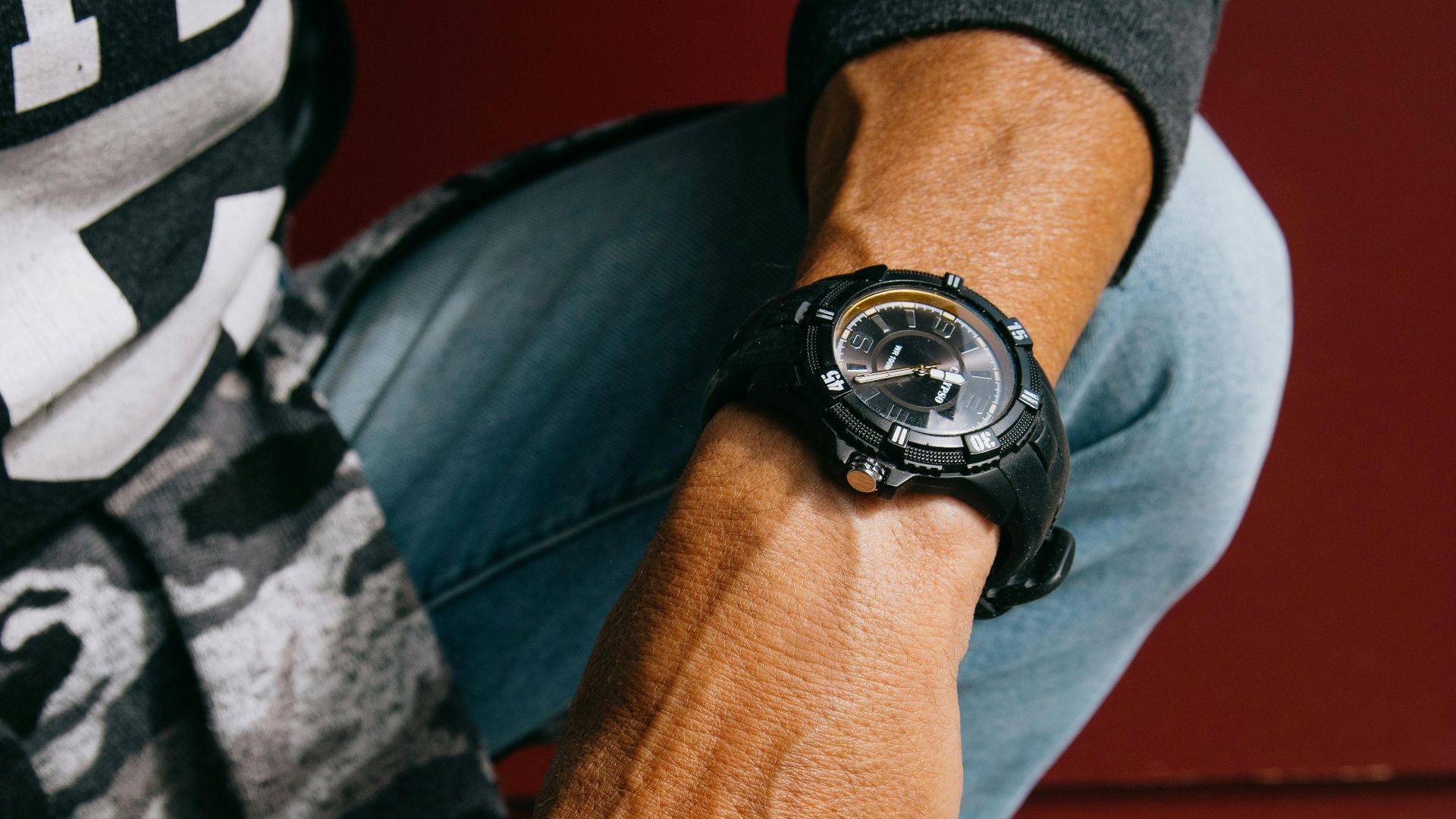
- A discreet and elegant watch, in patinated leather or brushed steel, that adds character to the outfit.
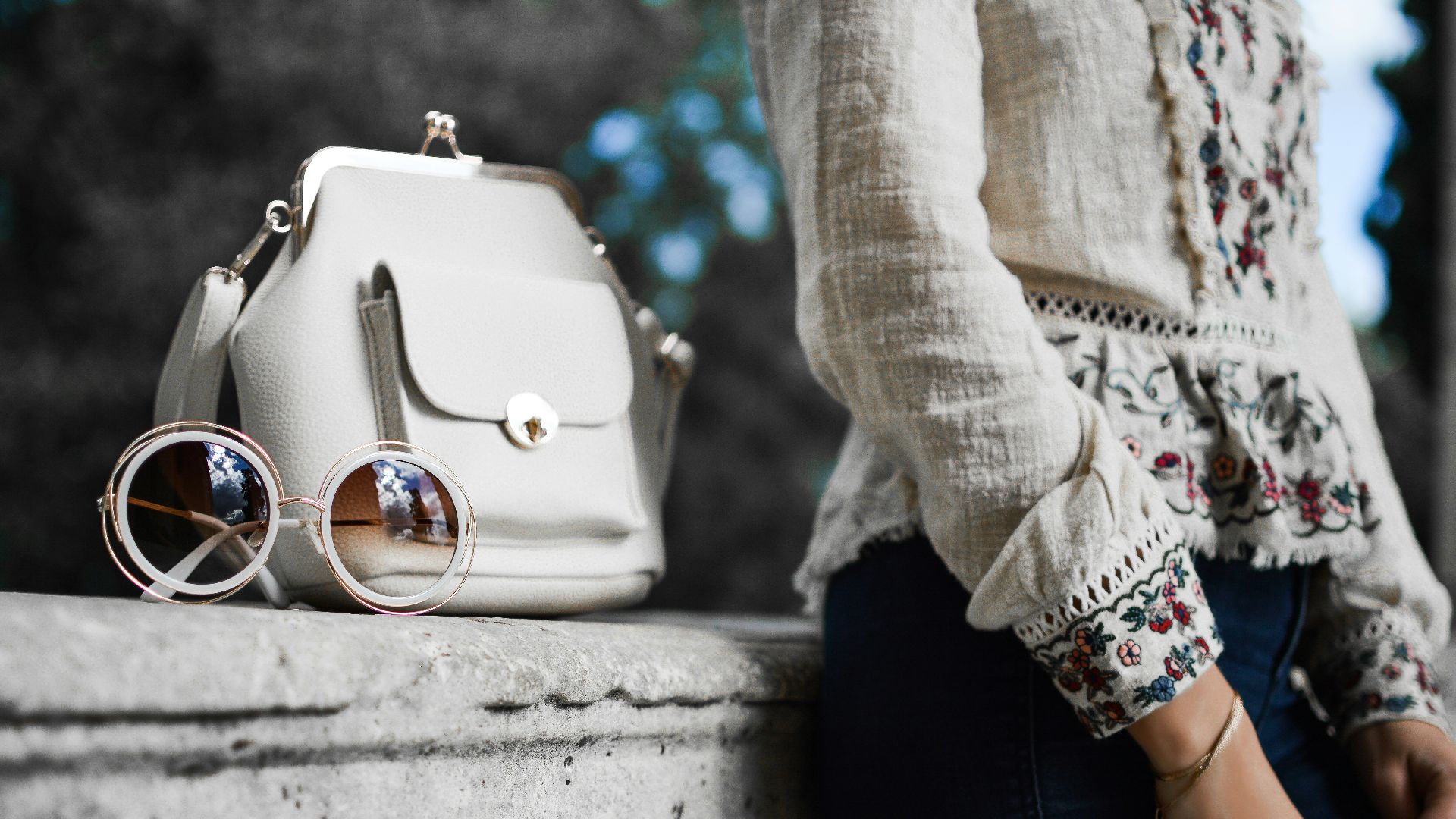
- Sunglasses that fit the shape of your face well.
- A scarf made of fine fabric, worn casually to add texture.
- A unique ring, chosen to add style.
- A structured and organized bag, for both style and practicality.
- Textured or thoughtfully colored socks for a subtle detail.
- A well-proportioned, finely finished belt.
- Lightweight earrings that suit your face shape.
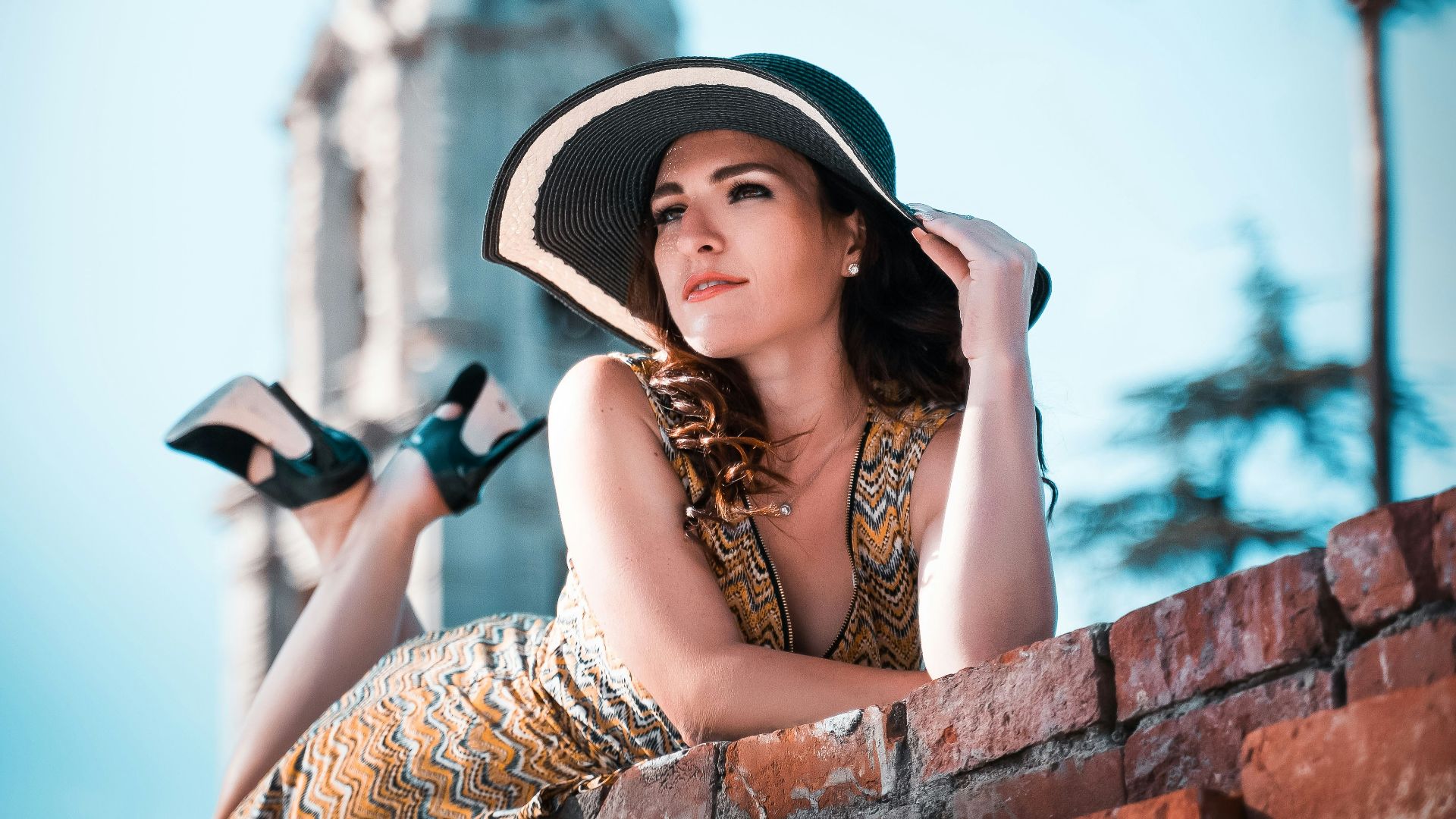
- A hat worn with ease.
- A simple necklace that breaks up the monotony near your face.
These pieces aren’t meant to scream for attention. They work in harmony to give your look a cohesive feel. What they have in common: comfort, quality you can feel, and the ability to complement rather than dominate.
Common Pitfalls
Wearing sunglasses indoors for no reason, piling on logos, choosing a belt buckle that overwhelms the outfit, or investing in uncomfortable pieces are all obvious mistakes. A large bag stuffed to the brim, bracelets that jingle constantly, or a trendy accessory thrown in without thought can make any outfit look dated.
One often-overlooked point is discomfort: jewelry that pinches, hats that sit too low, or shoes that force you to stand differently make the look exhausting. Your clothes should flatter you naturally. If they require too many adjustments or too much attention, they risk coming across as forced rather than stylish.
A Few Simple Rules for Making the Right Choice
Prioritize comfort: an accessory that’s comfortable to wear looks better.
Coordinate materials: avoid haphazard mixes of metals and textures.
Limit visible logos: a subtle brand is enough.
Choose a size that fits your body type: neither too small nor too large.
Choose functionality when it can be stylish (bag, watch, glasses).

How to Put This Into Practice Without Getting Lost
Start with a central accessory (a watch, a bag, glasses) and add a second coordinating detail (a belt, a ring). Look at yourself in a mirror while moving: turn your head, walk around, grab a coffee. If the accessory looks natural on you in these moments, it’s probably a good choice. If you have to keep adjusting it, consider a lighter alternative.
Final Thoughts
In short, the best accessories are those that make your life easier, complement your look, and reflect a subtle attention to detail. They don’t scream “look at me,” but rather “this was chosen.” The goal isn’t to make your style conform to a list of rules, but to give you the tools to express what you want to convey.