A New Chapter for Veronica Roth
For over a decade, Veronica Roth has been trying to distance herself from her bestselling series, Divergent. When she published the final book, “Allegiant,” in 2013, fans were not pleased with the bold ending. The film franchise, which promised a two-part adaptation with Shailene Woodley as Tris, faced disappointment when the first part flopped at the box office in 2016. The second part was never made. Even today, criticism of “Allegiant” follows Roth at events and on social media.
Initially, Roth’s strategy was to agree with critics. She would make a face when asked about “Divergent,” redirecting attention to her new standalone novels and dystopian series. However, unexpectedly, she announced two new Divergent books.
Reopening the Divergent Universe
In an effort to rebrand outside of Divergent but still within the dystopian genre, Roth wrote books like “Poster Girl,” “Carve the Mark,” and “When Among Crows.” Since 2019, she has also been working on another passion project in the background, a romantic dystopian novel she couldn’t forget about.
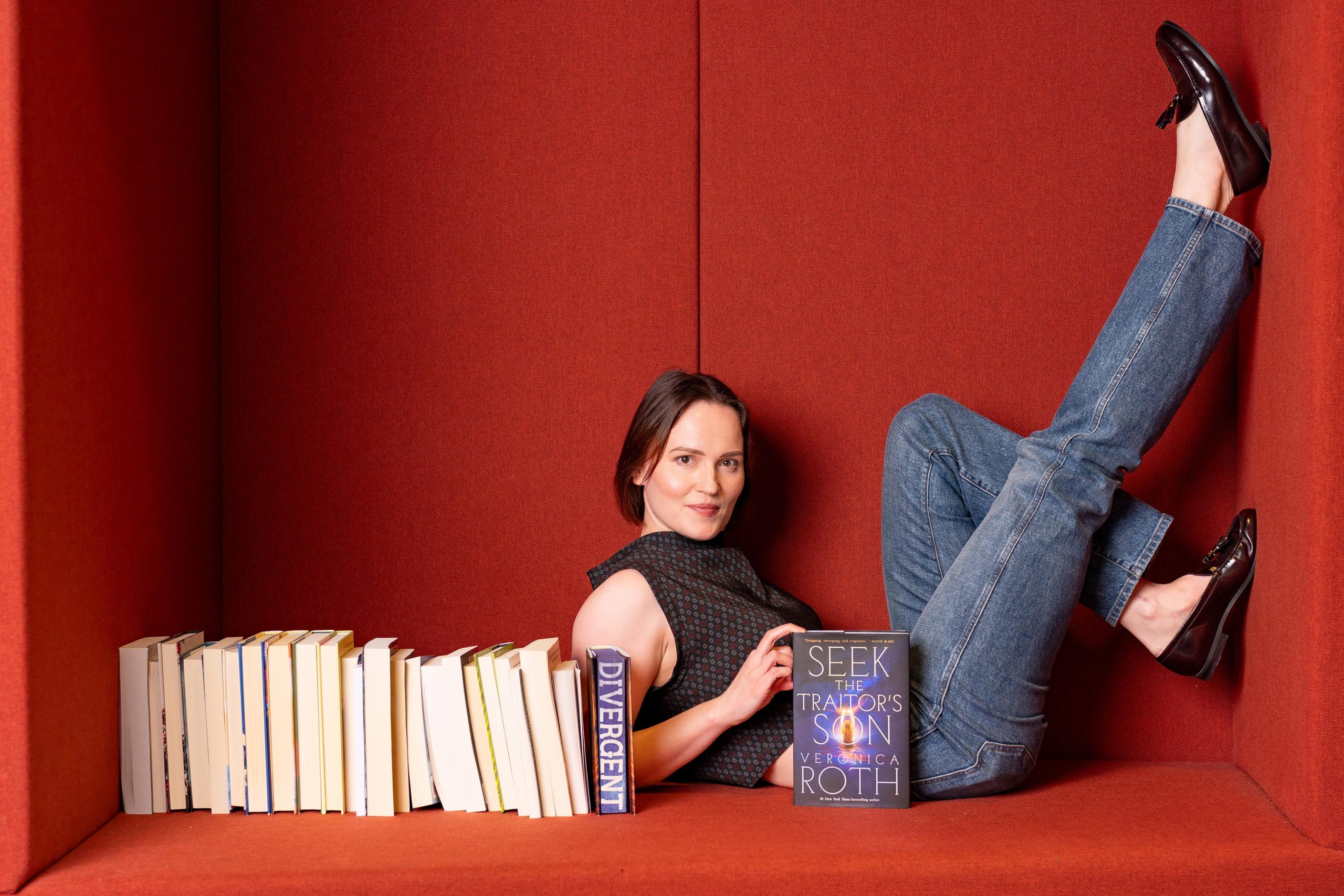
“Seek the Traitor’s Son” (out May 12 from Tor Books) follows Elegy Ahn, a soldier who receives a prophecy that either she or her enemy – the ruthless general Rava Vidar from rival nation Talusar – will lead their people to victory. Neither knows which will succeed. The pandemic was a major inspiration for Roth. In “Seek,” a deadly sickness kills everyone who catches it. Half of those people come back to life with mysterious gifts. Elegy belongs to the nation who fears the “Fever,” and Rava’s worships it. In real life, Roth watched the world adapt to the pandemic and felt inspired to write about how panic threads itself into the fabric of society. She was interested, specifically, in exploring the “public collective grief” during and after the pandemic.
A few years later, still working on “Seek,” Roth watched Taylor Swift embrace her oldest work at The Eras Tour. This inspired her to give “Divergent” another chance. She started rereading the books, mostly in audiobook form.
“It was sometimes horrifying,” Roth tells USA TODAY. “Sometimes I would have to stop on my walk and go ‘Oh no, that’s the worst line ever.’ But a lot of times I felt like ‘Oh, that was actually really funny, that was really meaningful,’ especially the character relationships were strong. I think my instincts about characters were strong even at the start. It’s the other stuff that I needed to grow from – the world building and the plot.”
A New Perspective on Divergent
What if she could get another chance to write “Divergent,” this time from an alternate timeline? What if Tris hadn’t transferred to Dauntless, the faction of bravery?
“The Sixth Faction,” out Oct. 6, would not have been possible without “Seek.” Writing that book made Roth understand what kind of writer she is and that she doesn’t have to be every other kind of writer. She realized neither book needs to be as big as “Divergent.” It just needs to be a story about some people who you care about. Focusing on that helps mitigate the pressure of it a lot for her. She was a much more comfortable writer with “Sixth Faction” than with “Divergent.”
What Changed from ‘Allegiant’ to ‘The Sixth Faction’
A year after “Allegiant,” Roth did write another Divergent book: “Four,” a short story collection from her male hero’s perspective. After that, despite pleas from fans for more “Divergent” books (especially an alternate ending to “Allegiant”), Roth was insistent on not going back. But 15 years later, the series is still selling. A new generation of readers are approaching it for the first time. Dystopian lovers who grew up with the series are finding their way back to it.
“That’s a special thing for books and I need to have a better relationship to it,” Roth says. “How can I find joy in this thing that is a huge part of my life and changed my life? I should feel joyful. So I think making something new is my best solution to that problem.”
“The Sixth Faction” is “not a prequel, not a sequel, not a spinoff, not a different POV but an alternate universe of ‘Divergent’ where Tris chooses a different faction,” Roth says. Roth says she’s excited for readers to see how the new plot details collide with the old, assuring that she tried not to change Tris too much as a character. Roth is 37 now, far in age and wisdom from the college student who started writing “Divergent.” But she still wanted Tris to feel 16.
“I spent so much with her in my head that it felt like going home a little bit,” Roth says.
Handling Divergent Criticism
When Roth officially announced the return of “Divergent” at BookCon in April, not everyone was thrilled. Among the online BookCon discourse – which was plentiful – were criticisms that the announcement was nothing but a “cash grab.” In her response to the criticism, Roth posted on Threads that she did not receive an advance on “The Sixth Faction.” This means the only money she’ll receive from the book comes from sales.
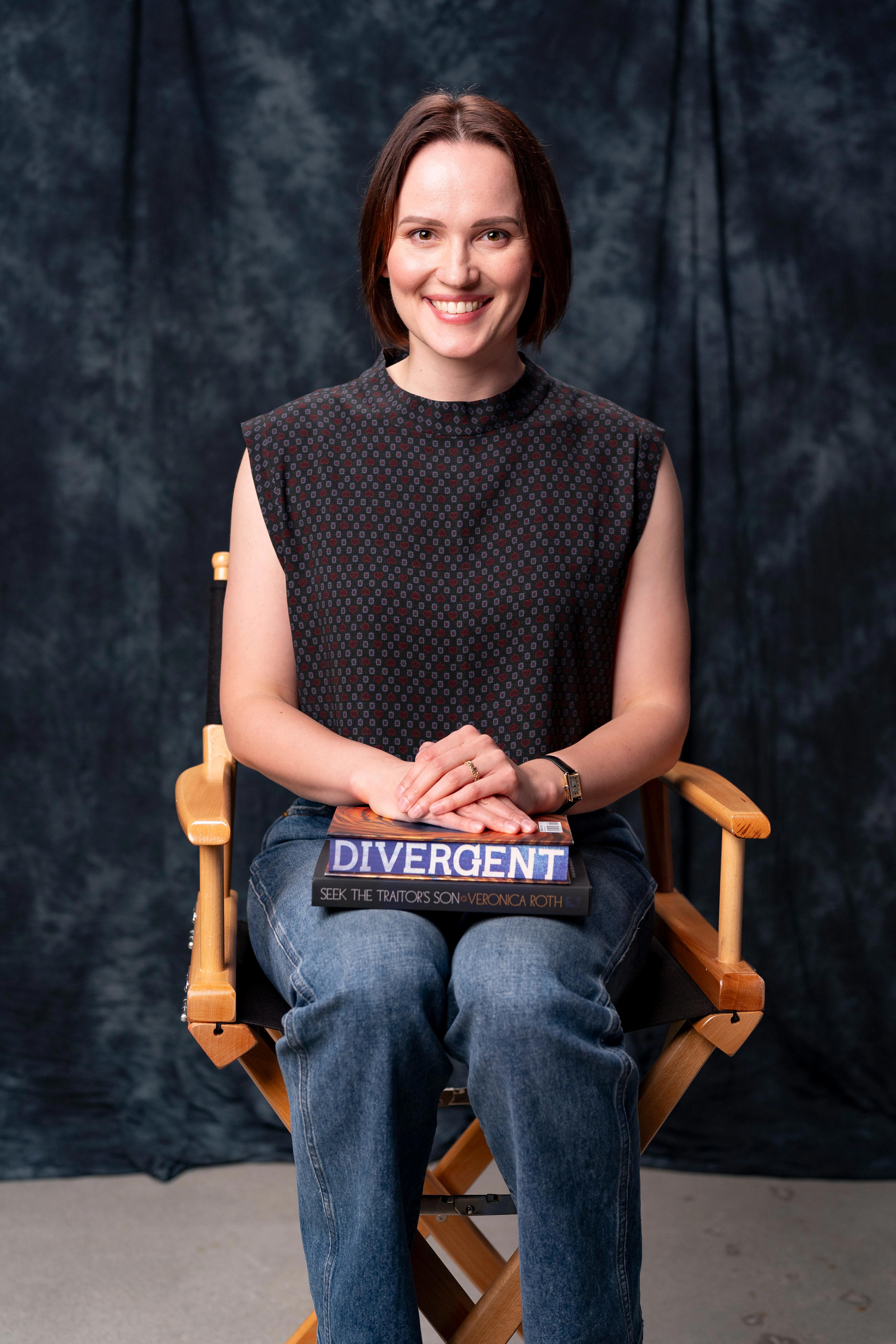
The day before BookCon kicked off, Roth and I spoke about how she handles criticism while at the USA TODAY office.
“There’s really nothing that prepares you for having that many opinions, even if a lot of them are positive,” Roth says, of catapulting into the spotlight. “Even the positive ones can be difficult to process, it’s just too much information and you lose track of your voice.”
Some fail-safes she’s learned include not engaging in online discourse (“It’s not my business,” she says). She ascribes to the “Daniel Radcliffe school of having a good attitude,” by which she means never shunning the work you’re most well known for but keeping a focused eye on the future.
“In an attempt to grow as a writer as much as possible, I think being critical of your early work is important,” Roth says. “Because I was so eager to do that, I just made myself agree with all of this negativity and some of it is spot on, like good observations of my work that I have learned from, but some of it is just unnecessarily harsh and forgetting what the book is, which is a really fun adventure for young people.”
Among the notes she’s absorbed are how to end a novel. I ask about the elephant in the room – in “Allegiant,” Roth surprised fans by killing off her main character. By and large, readers did not agree with the decision. Has it changed the way she approaches endings?
“Not in the way that you’d think. It wasn’t that I became afraid of ending things the way I thought they should end, but I thought a lot about the lead-up,” Roth says. “If I’d set [‘Allegiant’] up better, probably it wouldn’t have been that intense. I don’t think people would have loved it, but I think you have to look at like the way that you’re developing something to make it feel inevitable instead of just shocking.”