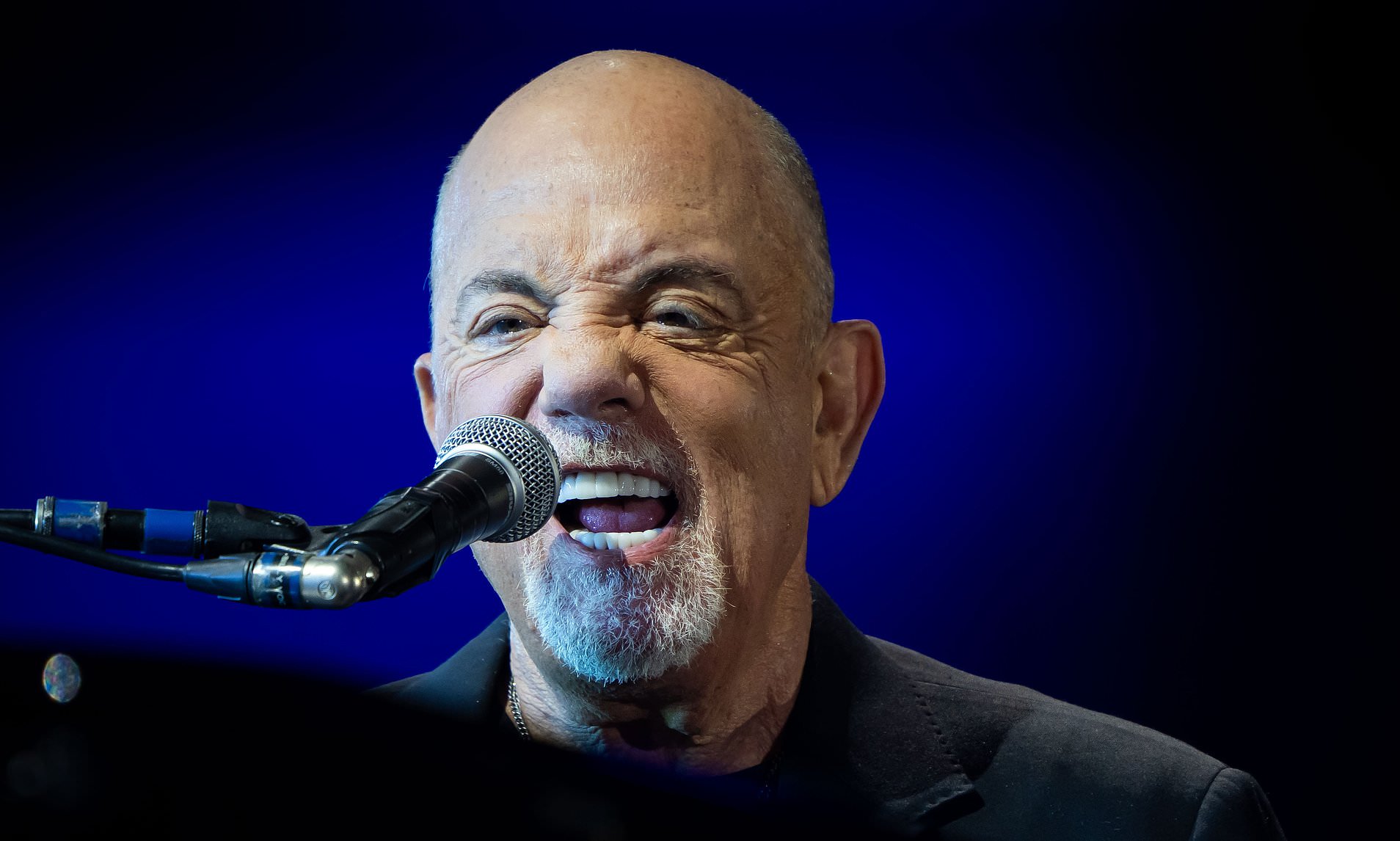
Billy Joel’s Strong Stance Against Unauthorized Biopic
Billy Joel, the legendary singer and pianist, has spoken out against an unauthorized biopic titled Billy & Me, which is set to chronicle his early years before he found fame. The 77-year-old artist has issued a strong statement condemning the film, vowing not to allow his hits to be used in the project.
The biopic, directed by John Ottman, is said to tell the story from the perspective of Joel’s first manager, Irwin Mazur. According to Variety, Mazur discovered Joel in 1966, signed him in 1970, and guided his career until his breakthrough deal with Columbia Records in 1972.
A statement from Joel’s representative emphasized that since 2021, the parties involved have been officially informed that they do not have the rights to use Joel’s life story or his music. The statement added: “Billy Joel has not authorized or supported this project in any capacity, and any attempt to move forward without it would be both legally and professionally misguided.”
Despite this, the film is moving forward with casting and production scheduled to begin this fall in Winnipeg, Canada, and New York. The screenwriter, Adam Ripp, responded to Joel’s criticism, stating that the film was never intended to use Joel’s hit songs. He explained that the project was designed as an intimate origin story focusing on the people and relationships surrounding Joel during this specific period of his life.
Ripp also mentioned that the film holds exclusive life rights for Mazur and Joel’s former bandmate, Jon Small, who serves as a consultant and co-executive producer on Billy & Me. Small promised that the film would be “the most honest, heartfelt, and authentic portrayal of Billy’s early life” and would be “grounded in truth, shaped with care, and built with the insight of people who genuinely know and love Billy.”
Ottman expressed his enthusiasm for the project, noting that while the period setting and visuals were appealing, what truly drew him to the material was the humanity at its core. He described the story as “funny, heartbreaking, and ultimately very inspiring.”
Personal Struggles and Breakdown
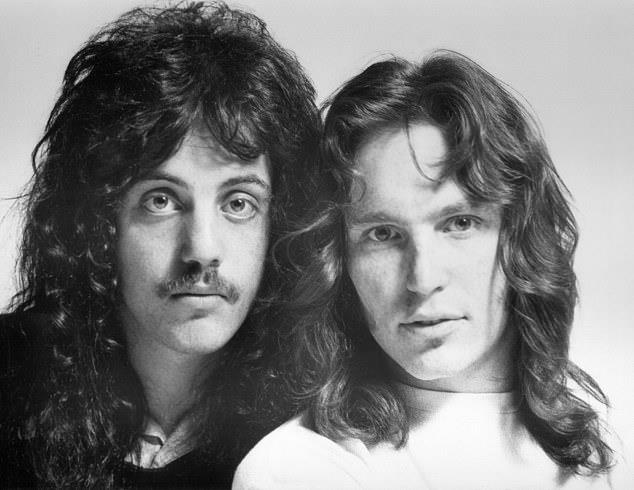
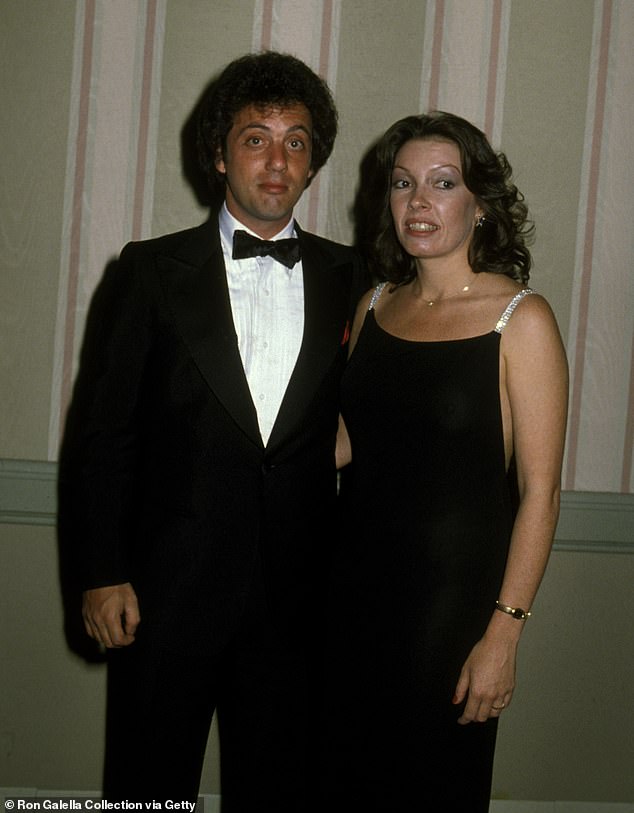
In his early 20s, Joel was living with his Attila bandmate and best friend, Jon Small, along with Small’s wife Elizabeth Weber and their young son when he began a secret affair with Weber. Joel later reflected on the guilt he felt about the relationship, calling himself a “homewrecker.” The fallout led to the end of the band Attila, the shattering of his friendship with Small, and left Joel feeling broken and alone after Weber left.
Joel described his emotional state during this time, saying, “I had no place to live. I was sleeping in laundromats and I was depressed, I think to the point of almost being psychotic.” He even considered ending his life, stating, “So I figured, ‘That’s it. I don’t want to live anymore.’”
At the height of his breakdown, Joel turned to his sister, Judy Molinari, who gave him sleeping pills to help him rest. However, Joel took all of them, leading to a coma. Later, he attempted suicide again by drinking a bottle of Lemon Pledge furniture polish. It was Small, despite their fractured friendship, who rushed him to the hospital.
Small reflected on why the betrayal may have hit Joel so hard, saying, “He never really said anything to me. The only practical answer I can give as to why Billy took it so hard was because he loved me that much and that it killed him to hurt me that much.”
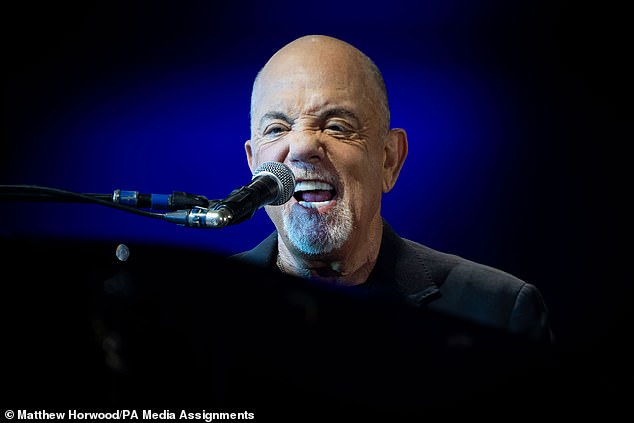
Career Highlights and Legacy
Billy Joel’s illustrious career as a musician began in the mid-1960s, leading to the release of his debut studio album, Cold Spring Harbor (1971). Although it did not gain immediate traction, his follow-up album, Piano Man (1973), peaked at number 25 on the US Billboard Hot 100 and number four on the Adult Contemporary singles chart.
Joel became a million seller with the release of Streetlife Serenade (1974), but his commercial breakthrough came with the release of The Stranger (1977), featuring hit singles such as “Movin’ Out (Anthony’s Song),” “Just The Way You Are,” “She’s Always a Woman,” “The Stranger,” and “Only The Good Die Young.”
The Stranger album, produced by Phil Ramone, spent six weeks at number two on the US Billboard 200 chart and sold more than 10 million copies worldwide. Joel continued his success with 52nd Street (1978), which became his first number one album, supported by hit singles like “My Life,” “Big Shot,” “Until The Night,” and “Honesty.”
With over 160 million records sold worldwide, Joel is one of the world’s best-selling musical artists and the fourth-best-selling solo artist in the United States.