Community Security and Privacy Concerns
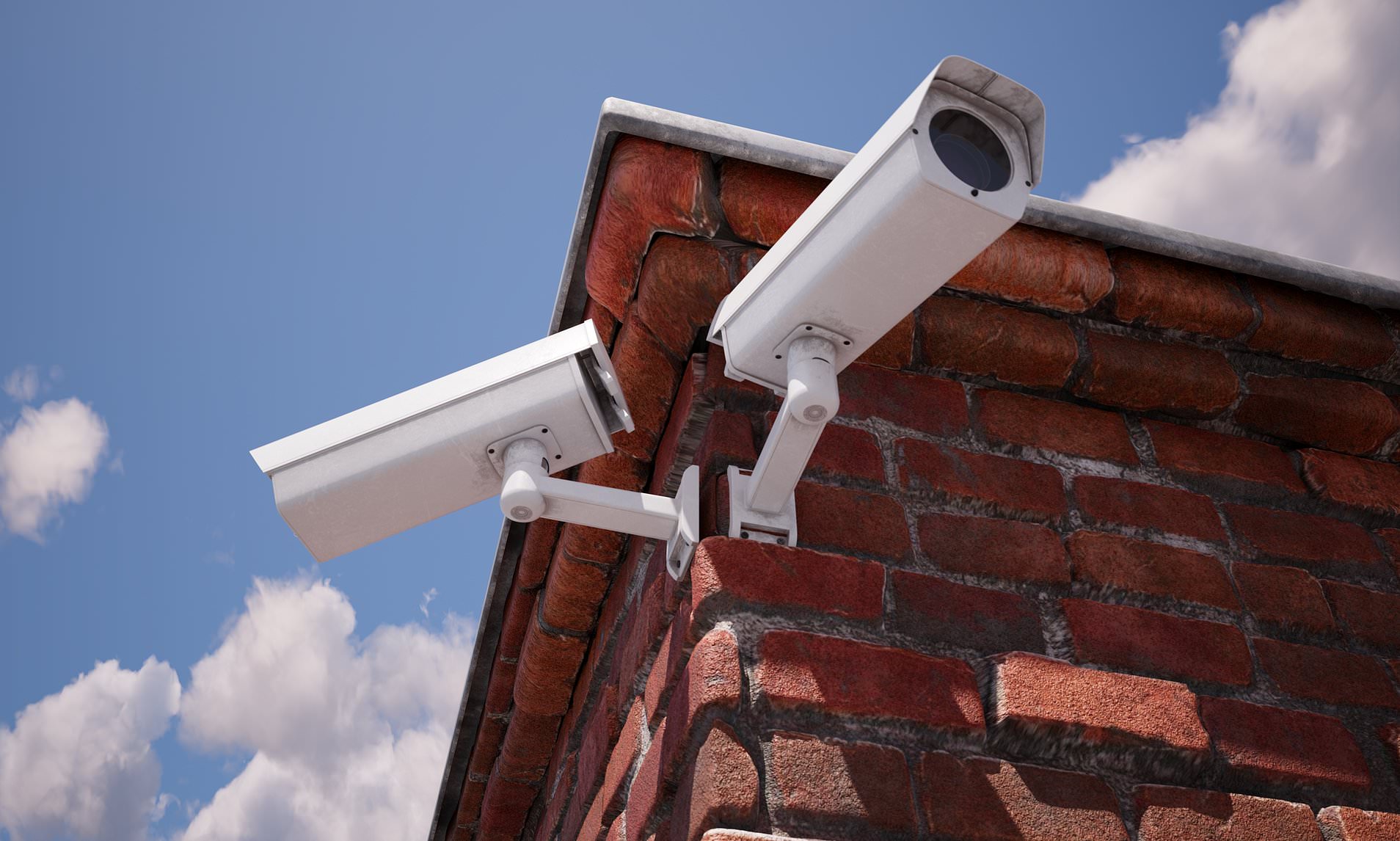
Years ago, there were a few burglaries in my cul de sac, and we formed an unofficial residents’ association. We all agreed that CCTV cameras were necessary, so I took the initiative to pay for and install them. The CCTV system has been effective for over seven years and has undergone several upgrades at considerable cost. It now consists of 12 full high-definition cameras.
The police have been very supportive of the CCTV system and have used evidence from the cameras during incidents. However, recently, a new tenant moved into one of the houses on the road and is unhappy about the cameras. He has asked me to reset them so they do not record his house. I explained that this is not possible. The police rely on the CCTV, we all benefit from cheaper insurance, and there have been no more burglaries. But he claims he has the right not to be filmed outside his home. Can we be forced to move or take down the cameras?
Impact of Burglaries on Communities
The impact of burglaries on a local community cannot be underestimated. Official data published this week showed that one in every 94 homes was broken into in one English district last year, and many of these crimes go unsolved.
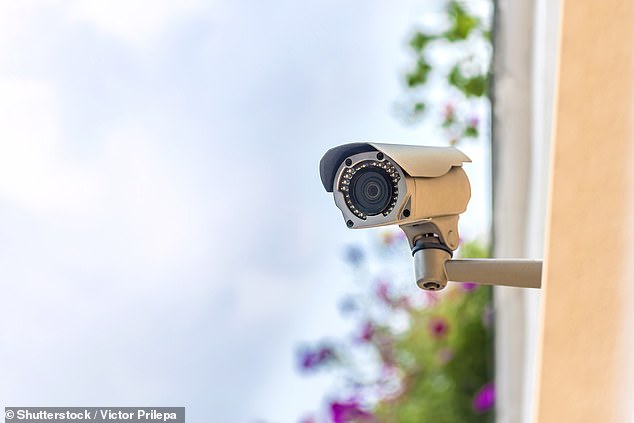
You are within your rights to install the CCTV. However, as it extends beyond your property’s boundary, your neighbor could argue the cameras are intrusive, particularly if they linger on private spaces such as their garden or through a window. Data protection laws apply to your neighbor. CCTV can capture the images and voices of other people, which counts as their personal information.
From a legal perspective, your counter-argument would center on the fact the CCTV system has a legitimate use and is proportionate. Regardless, it is important to make sure that the CCTV does not capture more than it needs to of your neighbor’s private spaces.
I asked two legal experts for their take.

Legal Expertise on CCTV Installation
Joanne Ellis, a partner and specialist in dispute resolution at Stephensons, says:
From what you have described, it is understandable that this situation has caused some tension, particularly as you have invested considerable sums in getting this system set up. There is nothing inherently unlawful about installing CCTV at your home, even if it captures part of your road or neighboring properties. However, as soon as your system records beyond your own boundary, it falls within the scope of the UK GDPR and the Data Protection Act 2018. This means you take on certain responsibilities as a ‘data controller’. In particular, you must have a legitimate reason for the cameras, ensure they do not capture more footage than is necessary, and be transparent about their use, typically by displaying appropriate signage.
From what you have described, there is a strong and legitimate justification for your system. It was introduced following a series of burglaries, operates for crime prevention, and has previously assisted the police. These are all factors that would generally weigh in your favor if your use were ever challenged. That said, neighbors do still have rights. An individual can raise concerns if they feel the cameras are intrusive, ask what is being recorded, or even make a complaint to the Information Commissioner’s Office, though in my experience they are unlikely to take action in the circumstances you have set out.
Someone objecting to the cameras does not automatically mean recording must stop, particularly where there is a clear and proportionate security reason. The key issue is proportionality. The law does not require you to make your system ineffective, but it does expect you to take reasonable steps to minimize intrusion. This might include adjusting angles where possible, using privacy masking features, and ensuring cameras are not unnecessarily focused on private spaces such as windows or gardens.
In short, your neighbor cannot simply insist that their property is excluded entirely if doing so would undermine a legitimate security system. However, you should be able to demonstrate that your setup is justified, limited to what is necessary, and operated responsibly.

Practical Steps for Neighbour Disputes
Manjinder Atwal, a director of housing and property litigation at Duncan Lewis Solicitors, says:
Your neighbor is within their rights to raise concerns about privacy, which is a concern for many people with the proliferation of cameras. The legal question is not whether his house appears on camera at all, but whether the recording is excessive or unreasonable. If a camera is pointed directly into windows, gardens or private living areas, it could potentially cause problems. If it merely captures the frontage of a property as part of a wider street view, that is much less likely to breach the law.
There are some practical steps I would recommend taking now, especially as disputes between neighbors can escalate quickly. First, make sure the cameras are positioned as narrowly as possible and only capture what is genuinely needed for security. Modern systems often allow ‘privacy masking’, where windows or certain sections of an image can be digitally blocked out. If that is available, it may be worth considering as a compromise.
Second, put up clear signage stating CCTV is in operation. This is good practice and shows transparency. Third, ensure any footage is stored securely, only kept for a reasonable period and not casually shared on WhatsApp groups or social media. That is where many otherwise lawful systems run into trouble.
Finally, do try to keep communications polite and factual. Being dismissive of people’s concerns can inflame a situation and turn a manageable disagreement into allegations of harassment.
If your neighbor formally complains to the Information Commissioner’s Office or takes legal action, the key issue will be whether your system is reasonable, proportionate and genuinely for crime prevention. Based on what you describe, you appear to be on relatively solid ground, provided the cameras are being operated responsibly.