Aryna Sabalenka’s Victory and the Push for Women’s Matches in Night Sessions
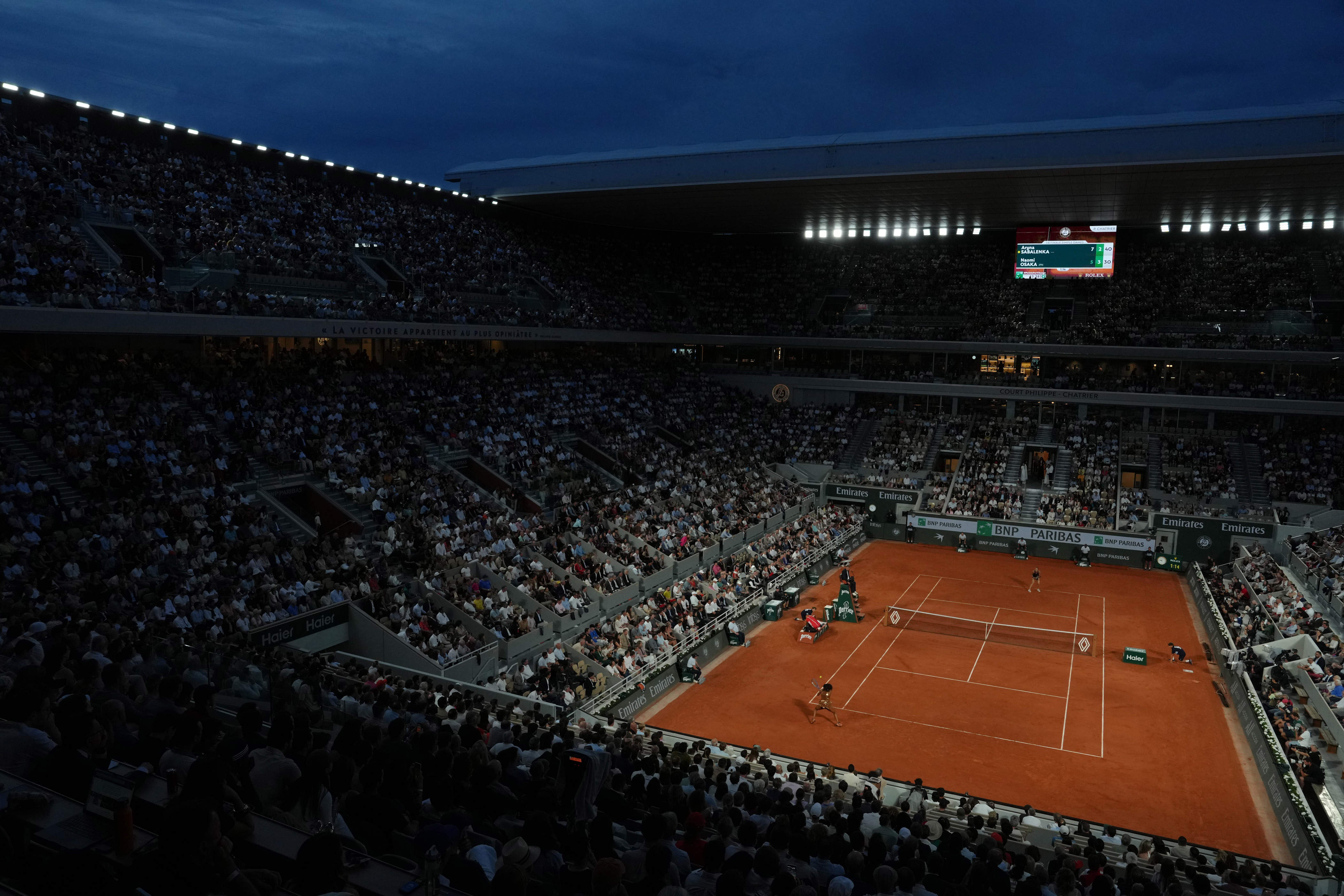
Aryna Sabalenka has expressed hope that the French Open organisers have been convinced to schedule more women’s matches during the night session following her impressive performance against Naomi Osaka. This came after a significant moment in the tournament, where for the first time in three years and only the fifth time since the one-match night session was introduced in 2021, a women’s match was given centre stage. This marked an end to a sequence of 33 consecutive men’s contests.
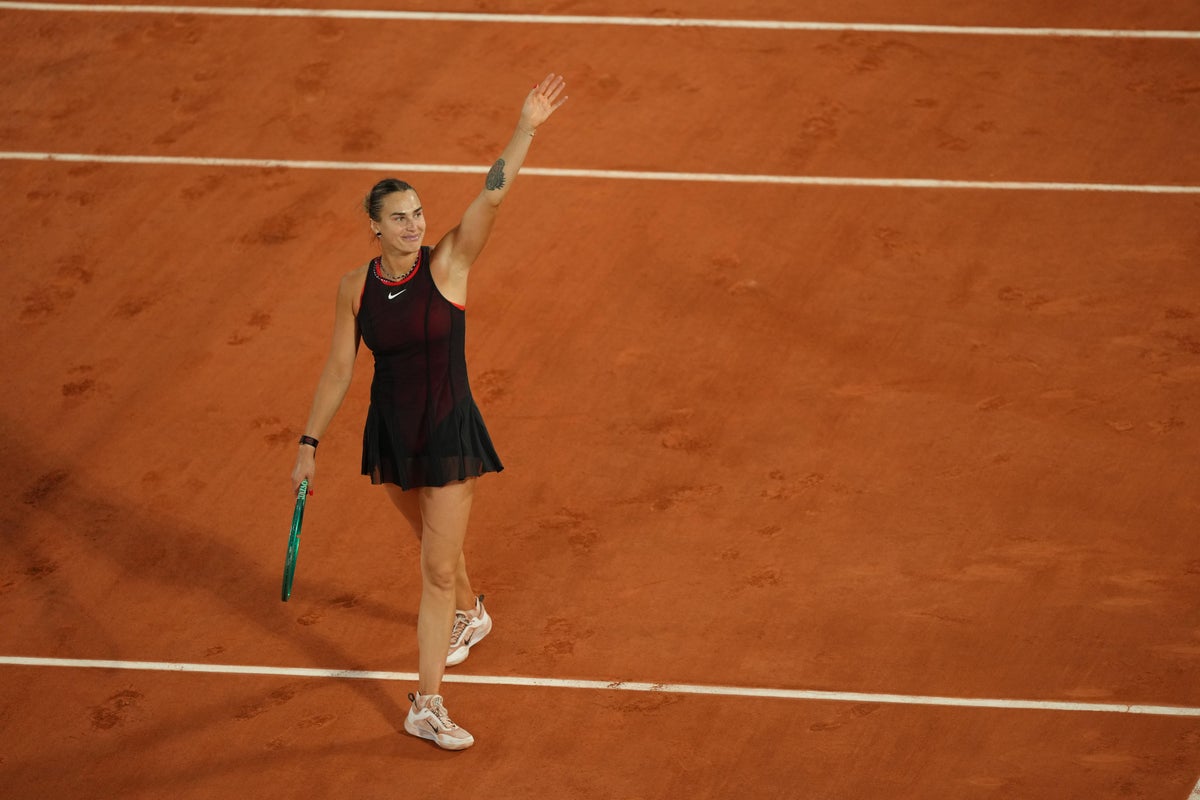
Sabalenka’s fourth-round clash with four-time grand slam champion Osaka was one of the most anticipated matches of the tournament so far. However, the Japanese star was outplayed in a 7-5 6-3 defeat that lasted an hour and 27 minutes. The victory is a testament to Sabalenka’s consistent form, as she has now reached at least the quarter-finals in her last 14 major tournaments. With this win, she is now firmly in the hunt for her first French Open title.
“I think it’s really important that they put our match today as a night session,” Sabalenka said. “I think that’s the right move. I think the atmosphere and the attention that this match brought is going to show them that probably for the future they should consider putting at least sometimes women matches at night. So I hope that this is the beginning. It’s like we open up that door for woman night sessions.”
Tournament director Amelie Mauresmo has often cited concerns over the length of women’s matches and giving value to ticket-holders as the primary reasons for not scheduling them during the night session. However, the Australian and US Opens both include two contests in their evening schedules. Roland Garros organisers, however, are wary of the early morning play that often occurs at those events.
With the top half of the men’s draw devoid of its expected stars, not scheduling this match in prime-time would have been a significant oversight. Speaking to reporters earlier on Monday, Mauresmo stated: “I think this match is the best match of the day. Multiple grand slam winners, so it was, for us, obvious this should be the night session.”
Sabalenka was also involved in the last women’s night match, against Sloane Stephens in 2023 – although it was so long ago that she had forgotten the occasion. Having not played each other since 2018 until March, this was the third meeting in less than three months between Osaka and Sabalenka.
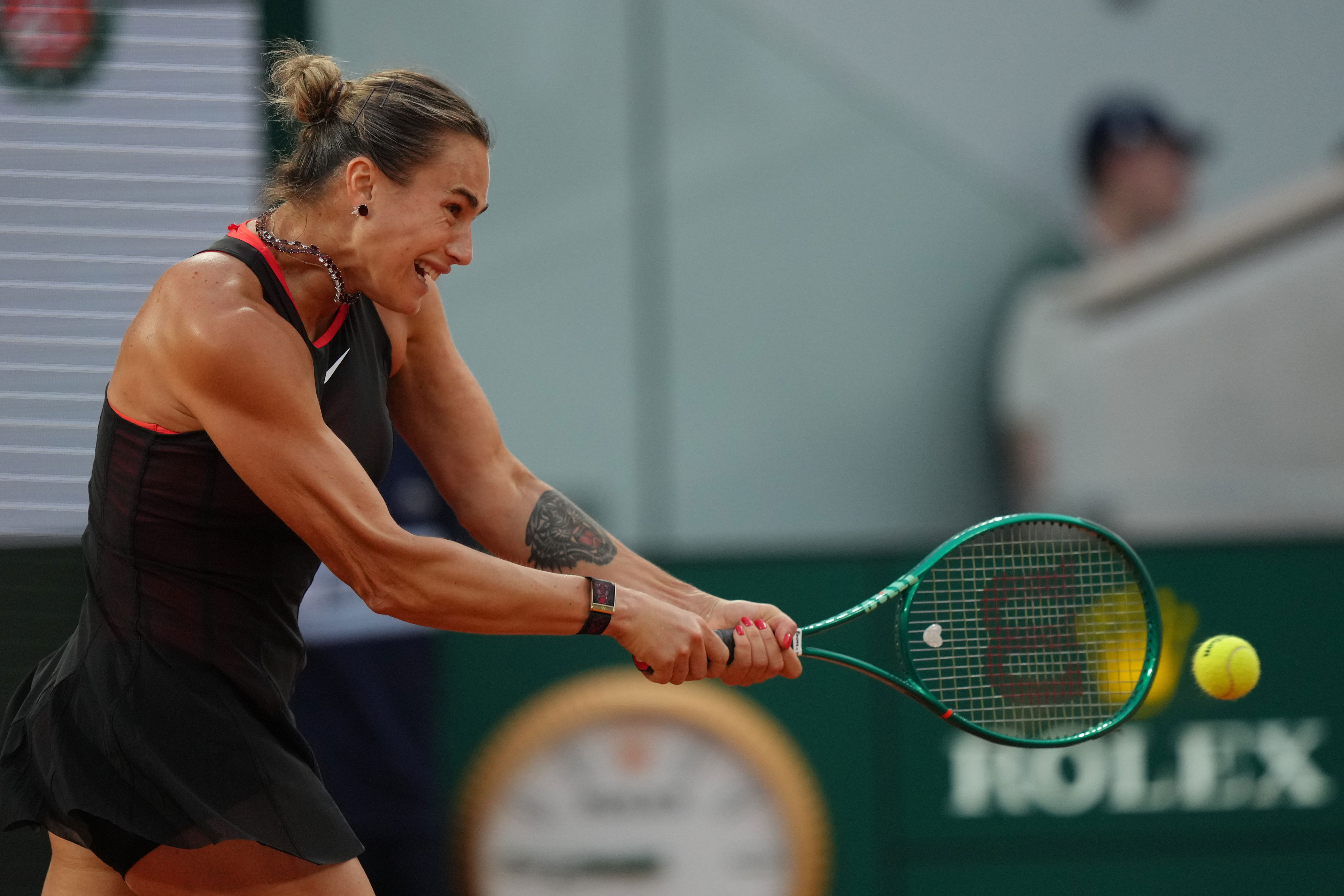
The Belarusian had won both the previous encounters and was dominant here, delivering 12 aces, powerful backhands into the corners, and keeping Osaka guessing with clever use of the drop shot. Osaka managed to hang tough for a set and a half but her best French Open run was ultimately ended.
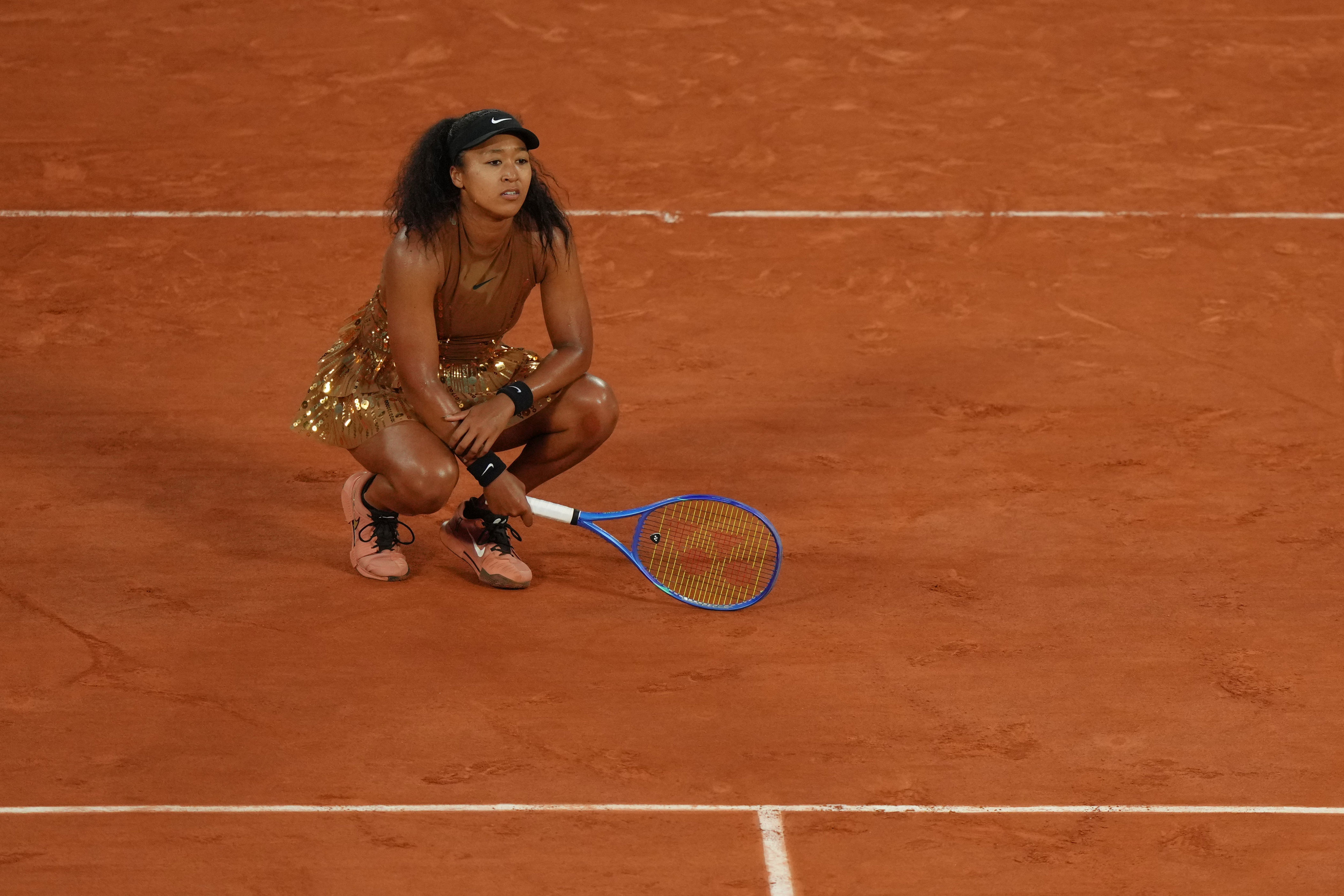
Osaka shared her thoughts on playing at night: “I thought it was really cool. Obviously she’s really good for tennis. I would hope I’m OK for tennis, too. It was really fun to play.” She added that she did not feel any pressure to ensure the match lived up to the occasion. “Obviously you don’t want to be beaten 6-0 6-0, but that’s anywhere on any court. If I was on court 27, I wouldn’t want to be beaten that fast either. Shout out to the tournament for trusting us. I hope it was entertaining for people.”
Sabalenka will next face Russia’s Diana Shnaider after she reached her first grand slam quarter-final with a 6-3 3-6 6-0 victory over former Australian Open champion Madison Keys. A surprise last-eight clash will see another Russian, 22nd seed Anna Kalinskaya, face Polish qualifier Maja Chwalinska.
Kalinskaya matched her best major result by beating Coco Gauff’s conqueror Anastasia Potapova in a deciding tie-break, while Chwalinska ended French singles hopes with a 6-3 6-2 victory over Diane Parry. Chwalinska revealed after her previous match that she was concerned about how to pay for her extended hotel stay but is guaranteed a minimum of 470,000 euros (approximately £406,000) – almost quintupling her current career prize money.