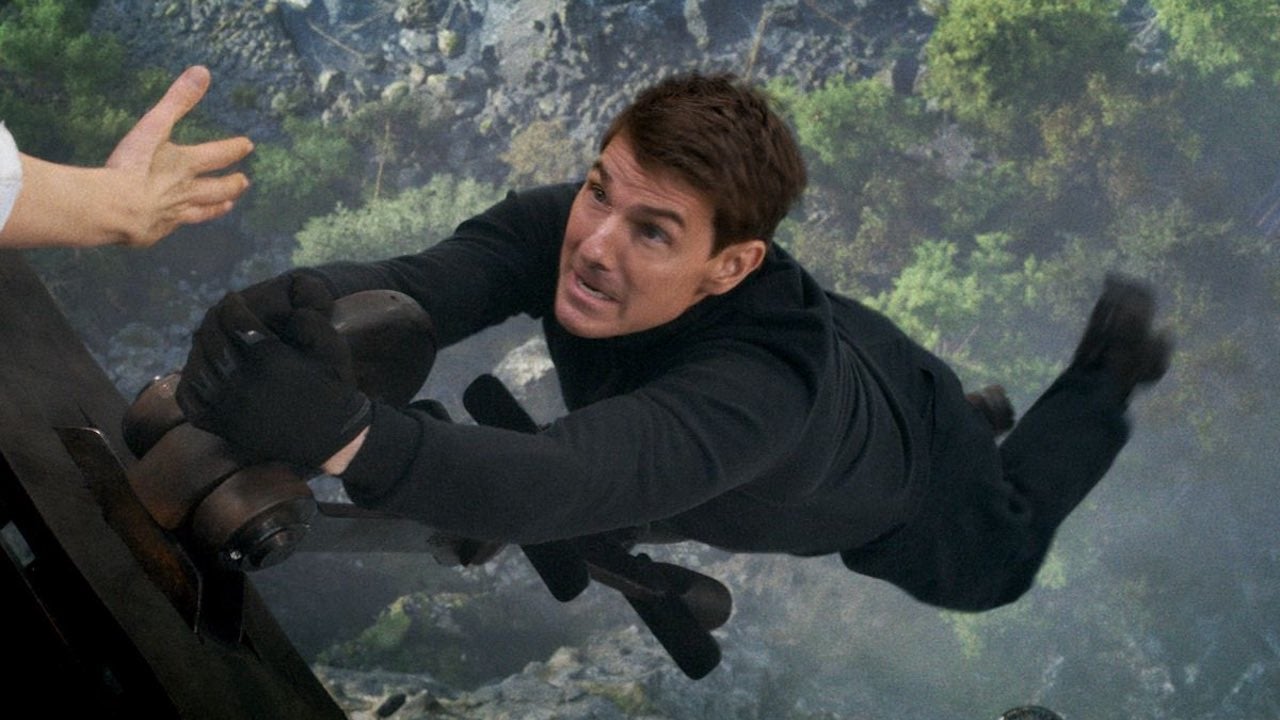
A Vision of Darkness: David Fincher’s Unrealized Mission: Impossible 3
When the opportunity arose to direct Mission: Impossible 3, David Fincher saw a chance to redefine the franchise. Instead of the high-octane, gadget-filled action that had become synonymous with the series, Fincher envisioned a film steeped in psychological horror and grounded realism. His plan was to explore themes that were far removed from the usual spy antics—specifically, the grim reality of illegal organ trafficking in Africa.

Fincher’s concept for the film centered on Ethan Hunt and his team uncovering criminal syndicates involved in harvesting and trafficking human organs. This approach would have marked a significant departure from the typical blockbuster fare that had defined the Mission: Impossible series up to that point. Rather than relying on flashy set pieces or high-tech gadgets, the story would have focused on the emotional and moral weight of the crimes being investigated.
The tone of the film was reportedly inspired by some of Fincher’s most acclaimed works, such as Se7en and Zodiac. It would have featured a slow-building atmosphere filled with dread, mystery, and moral ambiguity. The tension would not come from explosions or chases, but from the horrifying nature of the crimes themselves and the psychological toll they took on the characters.
A Shift in Focus: Ethan Hunt as a Normal Man
In addition to reimagining the subject matter, Fincher also planned to reshape the character of Ethan Hunt. Rather than portraying him as an invincible action hero, the director aimed to make Hunt more relatable and vulnerable. In this version, Hunt would have been physically and emotionally drained, exposed to the horrors he faced, and struggling to cope with the consequences of his actions.
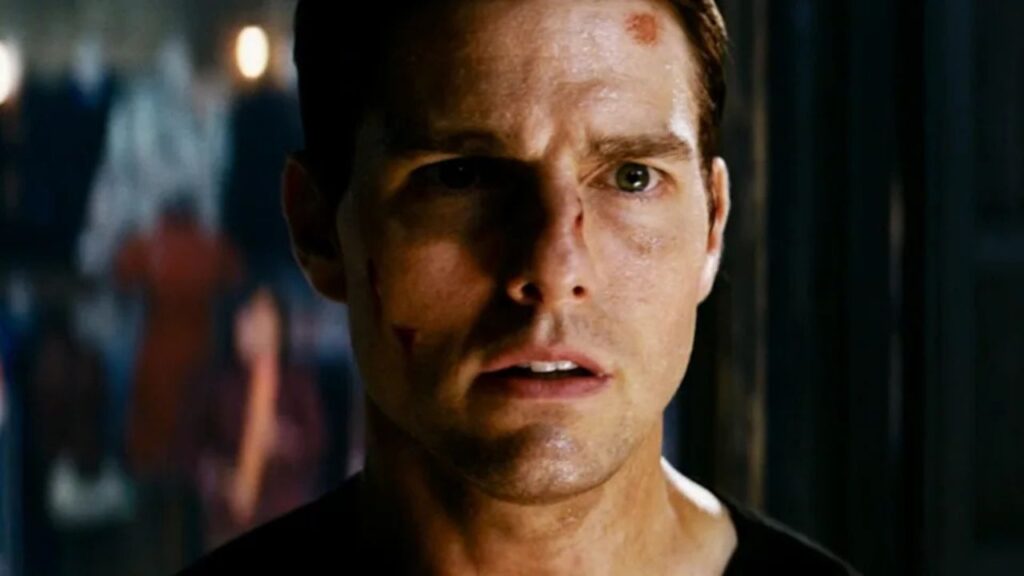
This approach would have emphasized Hunt’s humanity, making him more of a man battling forces beyond his control rather than a super-spy. However, this darker direction proved to be a point of contention with Tom Cruise, who played the role of Ethan Hunt. While Cruise was committed to the franchise, he felt that Fincher’s vision was too extreme and did not align with his own instincts for the character.
The creative differences between Fincher and Cruise ultimately led to the director’s departure from the project. After several iterations and changes in direction, the film eventually fell into the hands of J.J. Abrams, who directed the 2006 release. While Abrams’ version retained some of the darker elements from Fincher’s original concept, it ultimately leaned more towards mainstream action thriller fare.
The Result: A Compromise Between Vision and Expectation
Abrams’ Mission: Impossible 3 managed to balance emotional stakes with blockbuster entertainment, offering a film that was accessible to a wide audience. While it maintained some of the darker themes that Fincher had proposed, it did not fully embrace the disturbing crime thriller that the director had envisioned.
This compromise allowed the franchise to continue its legacy while still exploring new directions. However, it also highlighted the challenges of merging artistic vision with commercial expectations. For Fincher, the experience was a reminder of how difficult it can be to bring a radically different perspective to a well-established franchise.
Despite the final outcome, the story of Fincher’s unrealized vision remains a fascinating chapter in the history of Mission: Impossible. It serves as a testament to the creative tensions that often arise in the world of filmmaking, where artistic ambition must sometimes yield to practical considerations.