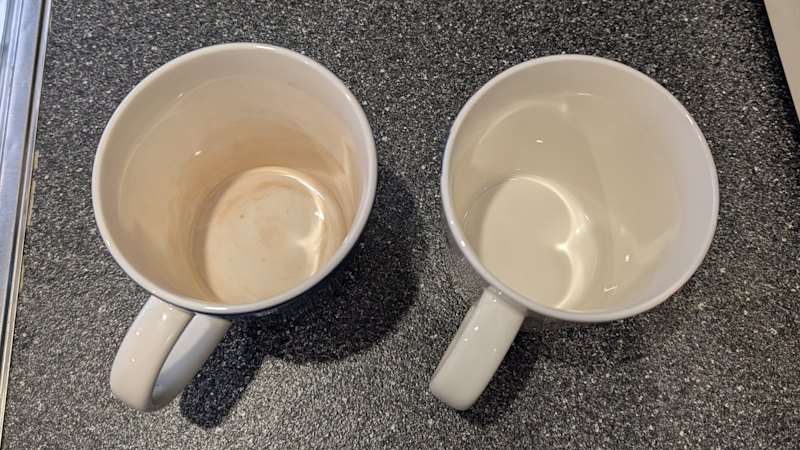
Tea-stained mugs might not pose a health risk, but they can be quite unappealing to look at. Cleaning them can be a challenge, as both dishwashers and handwashing often fail to remove or prevent the stains. This means that you need to take an extra step before washing them up, which is why I used to keep a Magic Eraser by my sink. However, when I ran out of them, I started wondering if there was a more affordable and environmentally friendly alternative. Fortunately, a simple item from my pantry proved to be highly effective.
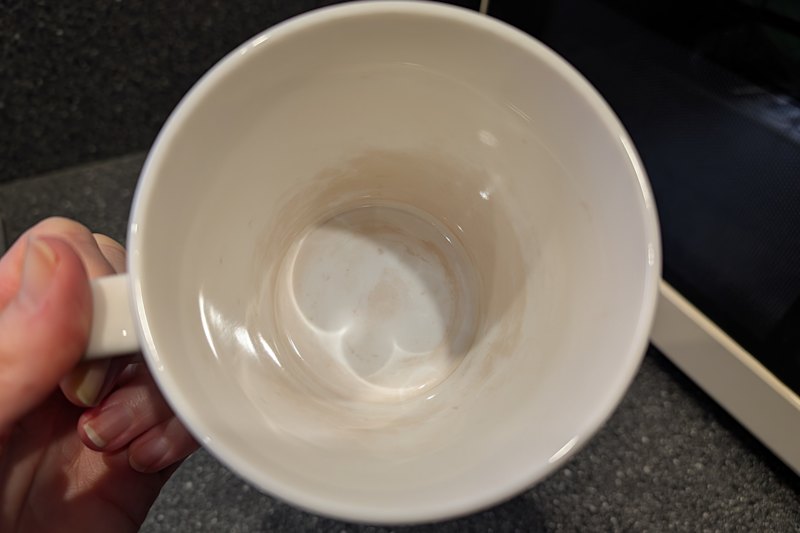
Baking soda, also known as bicarb soda, is a common kitchen staple and a powerful cleaning agent. I had never tried it on tea stains because Magic Erasers (which are made of melamine sponges) seemed easier and quicker. While melamine blocks are efficient and leave little mess, they can become expensive over time, even with cheaper options. Once they wear out, they have to be thrown away, making them wasteful. Additionally, they are known to release microplastics, which I found concerning. I always gave both the mug and my sink a thorough rinse after using them, but this meant the residue ended up in waterways, something I wanted to avoid.
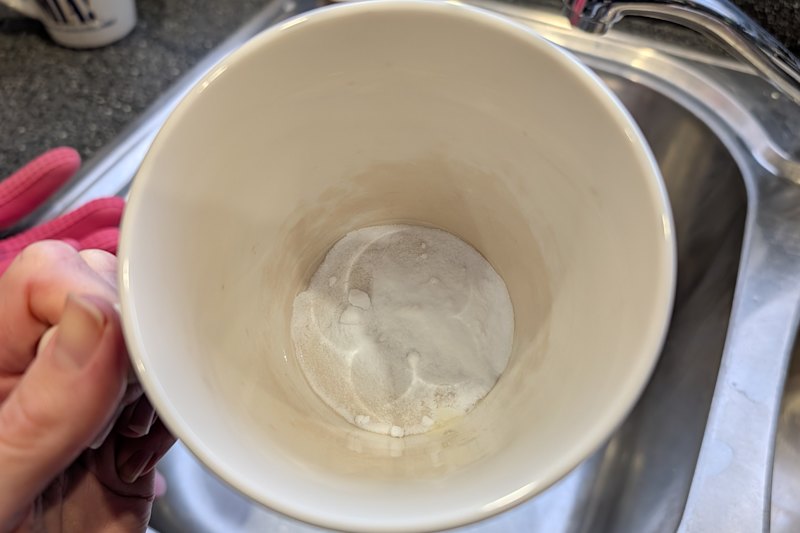
To try a different approach, I took out the baking soda container and mixed a teaspoon of it with a drop of dishwashing liquid and some hot water in a mug. I scrubbed the mug with a cloth and let the solution sit for a few minutes before rinsing. It worked well, and the stains disappeared. I then washed the mug as usual with the rest of my dishes.
While the baking soda method requires more effort and elbow grease, it is significantly cheaper than Magic Erasers. Even though you can buy a pack of melamine sponges for a few dollars, you only need a small amount of baking soda, which costs around $3 for 500g. Using baking soda also makes me feel better about cleaning, as it is less harmful to the environment compared to melamine sponges.
The main drawback of this method is that there is always some residue left behind after using baking soda, which needs to be wiped or rinsed off. When I first tried this hack, I had some free time and used the excess baking soda to polish my sink. However, even after rinsing, I noticed bits of residue throughout the day.
Another downside is that baking soda isn’t as effective on old stains, although Magic Erasers also struggle with them in my experience. For stubborn tea stains, I’ve found that Bar Keepers Friend soft cleanser works best.
Tea stains on mugs occur due to tannins, which are naturally present in tea leaves.
In addition to baking soda, Magic Erasers, and Bar Keepers Friend, there are several other methods you can use to remove tea stains from mugs:
- White vinegar mixed with boiling water, left in the mug for five minutes before scrubbing
- A denture tablet dissolved in boiling water and left to sit for 15 minutes before scrubbing
- Scrubbing with a lemon
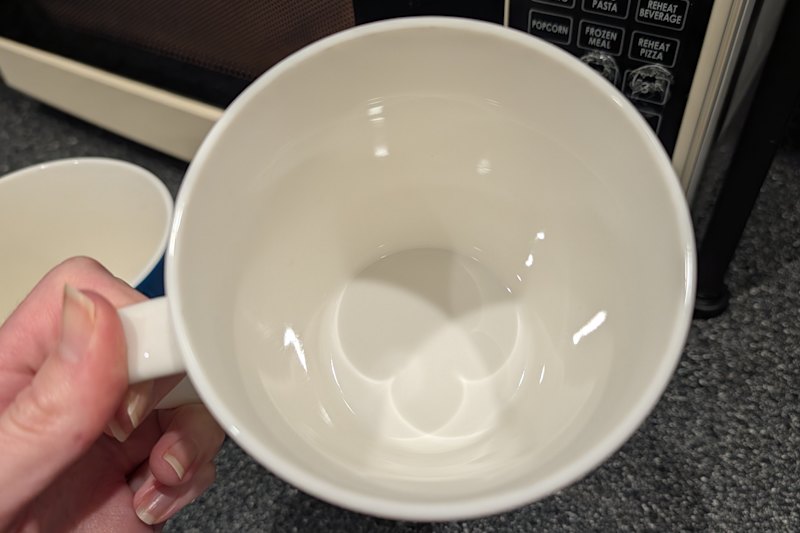
These alternatives offer different ways to tackle tea stains without relying on commercial products. Each method has its own benefits, and experimenting with them can help you find the most effective solution for your specific situation. Whether you prefer natural ingredients or more traditional cleaning tools, there are plenty of options available to keep your mugs looking clean and fresh.