Understanding Mould and Its Risks
Winter has arrived, bringing with it a higher risk of mould in homes, especially in colder regions. While many may overlook this issue, it can quickly escalate and pose serious health risks. To effectively combat mould, it’s essential to understand what it is and the conditions that allow it to thrive.
Heike Neumeister-Kemp, a mycologist from Perth/Boorloo, explains that mould is a type of fungi that feeds on organic matter and reproduces by releasing tiny spores. These spores are always present in the air, and every surface contains some of them. Common household moulds are often identified by their color—such as brown, green, or black—but Jason Chapple, a water damage technician from Brisbane/Meanjin, warns that the color alone cannot determine the harmfulness or species of the mould. Without lab testing, it’s impossible to know for sure.
Stachybotrys chartarum, commonly known as black mould, is often considered highly toxic. However, other species can also release mycotoxins that cause harm. The good news is that prevention strategies remain consistent across all types of mould.
David Lark, a principal mycologist from Newcastle/Mulubinba, notes that mould spores require water, food, oxygen, and the right temperature to reproduce. Once these conditions are met, mould will grow. Preventing it involves limiting sources of moisture and organic matter.
Five Key Strategies to Prevent Mould Growth
- Keep Home Surfaces Clean
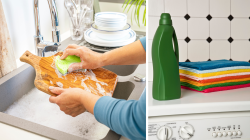
Mould needs organic matter to feed on, such as skin cells, dirt, and bacteria. Regular cleaning is essential to remove these microscopic food sources. Mr. Chapple recommends weekly cleaning of floors, benchtops, and bathrooms, as well as wiping down walls, ceilings, and windows every 12 months. A diluted washing-up detergent is sufficient for cleaning. In colder regions, cleaning should be done before winter sets in to prevent issues.
Dr. Neumeister-Kemp suggests using commercial products containing plant saps to protect surfaces prone to mould, such as those in bathrooms. These products should be non-toxic and TGA approved.
- Measure and Control Humidity
Relative humidity refers to the amount of water vapour in the air. Keeping it below 60% can help prevent mould growth. A basic hygrometer is an affordable way to measure humidity. Ventilating your home by opening windows on dry days, using dehumidifiers in moist areas, and running air conditioning on dry mode are effective ways to control humidity.
While Dr. Neumeister-Kemp questions the value of domestic dehumidifiers, Mr. Chapple and Mr. Lark believe they can be useful. For larger spaces, multiple dehumidifiers may be necessary.
Tackle Condensation
Condensation on windows and walls can lead to mould growth, especially in colder regions. Mr. Chapple explains that warm air hitting cold surfaces causes moisture to form. To prevent this, sleeping with doors open can increase air volume and reduce humidity. Daily wiping of condensation with a dry cloth is recommended. Warming cold rooms slightly can also help keep surfaces above the dew point.Don’t Add Moisture to the Air
Certain daily activities, like cooking and showering, can add significant moisture to the air. Running rangehoods during cooking and exhaust fans during showers helps remove excess moisture. Mr. Lark recommends running the fan for at least 10 minutes after a shower, while Mr. Chapple suggests 20–30 minutes. Choosing a dryer that collects moisture rather than releasing it into the air, such as a condenser or heat pump dryer, is also advised. Avoiding unflued gas heaters is important, as they add moisture to the air.Address Water Leaks and Spills Quickly
Mould can establish itself within 24–48 hours on wet surfaces. Addressing leaks and spills promptly is crucial. If not fixed, the problem can worsen quickly.
Cleaning Mould: What You Need to Know
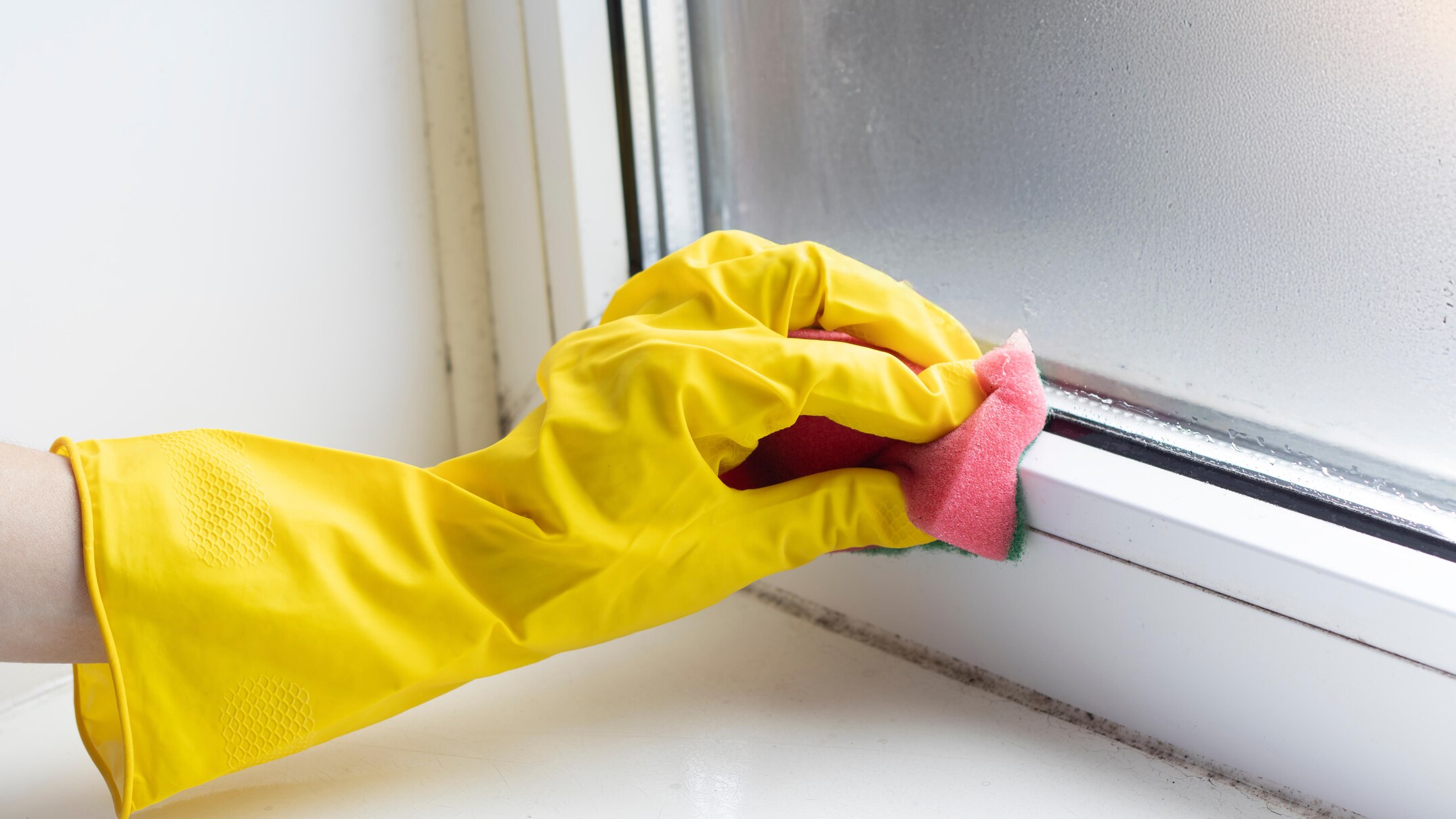
Cleaning mould can release harmful spores into the air. Immunocompromised individuals, the elderly, young children, and pregnant women should avoid cleaning and seek professional help. For others, small patches of mould can be cleaned with protective gear, including gloves, eyewear, and a P2/N95 mask.
Dr. Neumeister-Kemp recommends a solution of 80% vinegar and 20% water, while Mr. Chapple and Mr. Lark suggest a dishwashing detergent and water mixture. The key is to physically remove the mould rather than just killing it in place. However, if underlying water issues are not addressed, cleaning will only offer a temporary fix.
Does Clove Oil Work as a Cleaner?
Clove oil is sometimes touted as a natural mould cleaner, but experts caution against its use. Dr. Neumeister-Kemp and Mr. Chapple do not recommend it due to the oily film it leaves behind. Mr. Lark explains that while eugenol in clove oil can inhibit spore germination, there is limited research on its effectiveness in buildings. He warns that the oily residue can attract dust and skin cells, which can support new mould growth.
In conclusion, preventing and managing mould requires a combination of awareness, regular maintenance, and appropriate cleaning methods. By following these strategies, homeowners can significantly reduce the risk of mould in their living spaces.