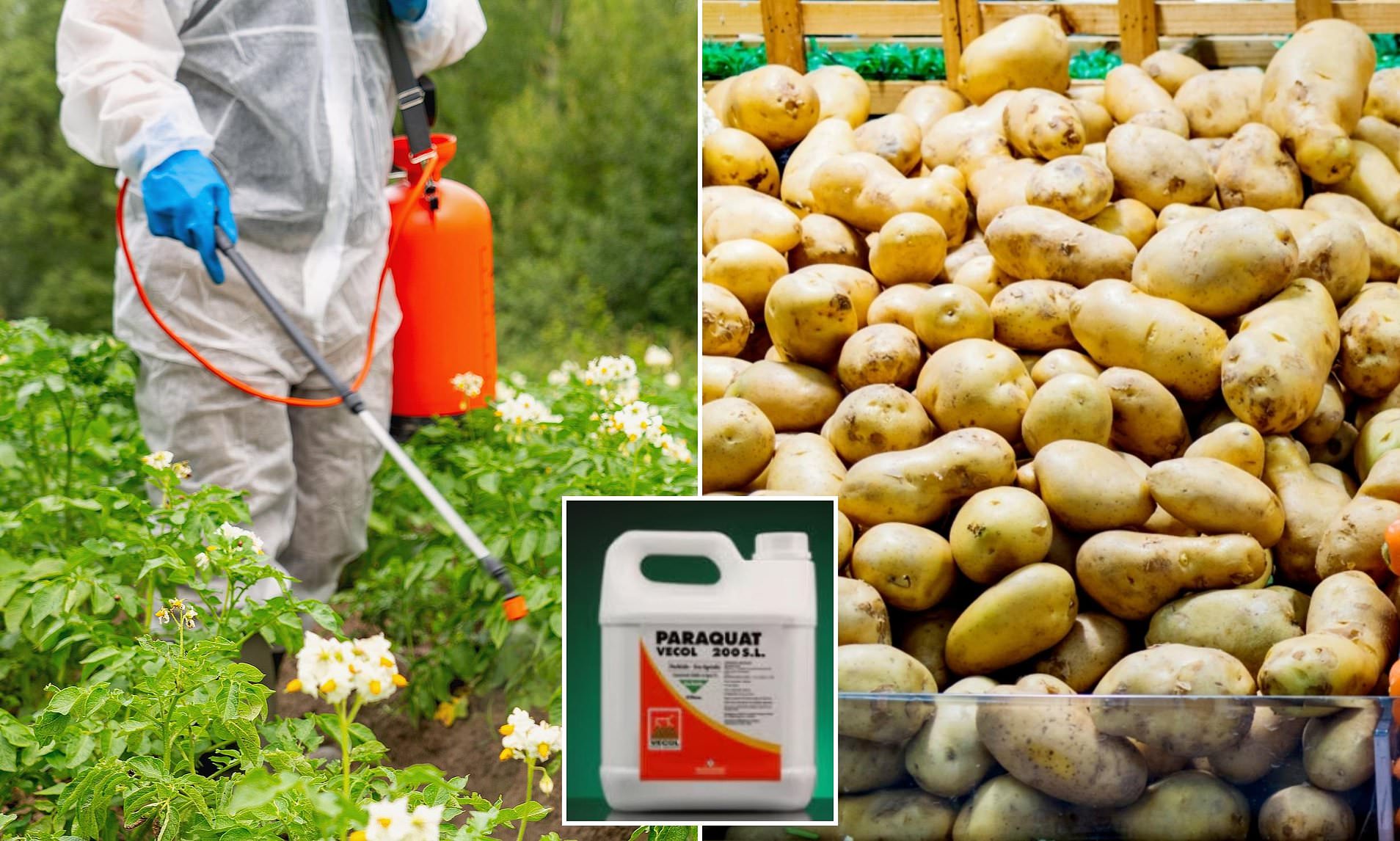
The Ongoing Debate Over Paraquat in Australia
A growing number of Australians are questioning why a highly toxic herbicide, linked to Parkinson’s disease, is still being used by farmers despite being banned in 70 countries. This has sparked a heated debate about the safety and regulation of paraquat, a chemical that has been under review by Australia’s agricultural watchdog since 1997.
Health authorities, including Parkinson’s Australia, have raised concerns that even small amounts of exposure to paraquat can lead to serious health consequences. The chemical has been banned in several countries, including the UK, South Korea, Saudi Arabia, and the European Union. In China, one of the largest manufacturers of the chemical, its domestic use is restricted.
Vermont was one of the first US states to ban the chemical, with Governor Phil Scott warning that exposure ‘substantially increases’ the risk of Parkinson’s disease, non-Hodgkin lymphoma, and childhood leukaemia. This recent ban has reignited discussions in Australia, particularly after footage from a fiery Senate Estimates hearing on May 28 started circulating online.
ACT Senator David Pocock questioned Australian Pesticides and Veterinary Medicines Authority (APVMA) chief executive Peter Hansen about why the regulator had been assessing paraquat for over 28 years without taking action. He highlighted the fact that many countries have already banned the herbicide.
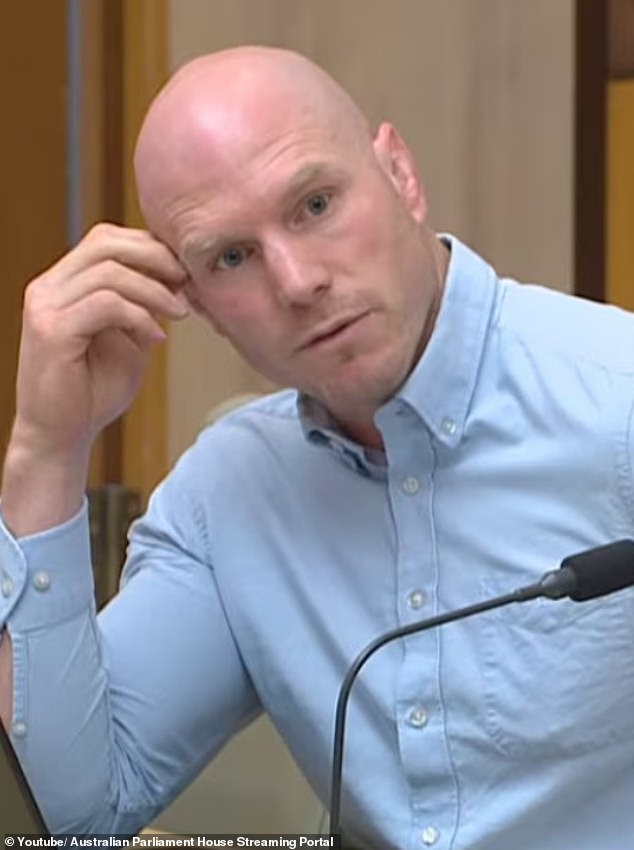

‘My understanding was that APVMA was finally, after 28 years of whatever it was, to make a decision last year. That hasn’t happened?’ Pocock said. He then listed all of the countries that had banned the herbicide.
‘Is that not concerning that we can have a 30-year review of a herbicide that in the meantime is being banned left, right and centre, including by a whole range of countries in West Africa that I assume don’t have the resources that the APVMA would have available to you?’ Pocock said.
Mr Hansen responded that the report was delayed due to new research in the US and that the process was ‘constantly evolving’. He stated that if they didn’t think it was safe, they wouldn’t be considering allowing its continued use.
‘If we thought it wasn’t safe, we would be making a decision that looks to ban it… if it was imminent and urgent we would have taken actions already,’ he said.
After the hearing, the APVMA published a statement acknowledging reports linking paraquat exposure to Parkinson’s disease. The regulator said it ‘reassures the public that the health and safety of all Australians is the central consideration for the APVMA when making regulatory decisions’.

‘As the independent regulator, the APVMA must follow a rigorous statutory process and is unable to pre-empt or release the findings of final decisions before they are formally published. A final regulatory decision on the reconsideration of paraquat remains on track to be handed down in mid-2026.’
Parkinson’s Australia has called on the regulator to ban paraquat. It launched a petition in September 2024 that has reached 17,000 signatures so far. ‘Research has consistently demonstrated the connection between paraquat exposure and Parkinson’s disease,’ the charity wrote in the description. ‘And it doesn’t stop there, the chemical’s toxicity is so severe that even minimal exposure can have devastating effects.’
However, some farmers in Australia have insisted the weed killer is a necessity for their industry.
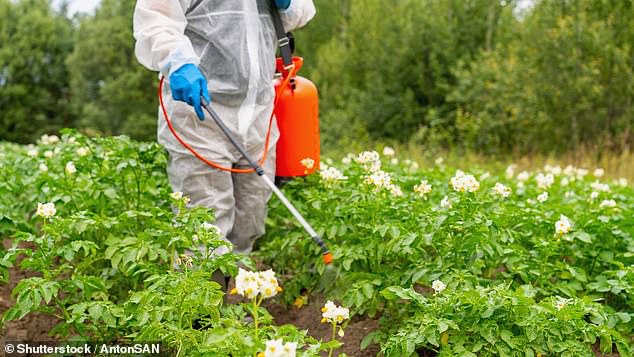
National Farmers Federation president Hamish McIntyre said farmers rely on the APVMA to determine which products they can use and how to use them. ‘Farmers take chemical use very seriously and need to abide by strict label directions and PPE guidelines when using approved products,’ he said in a statement. ‘Paraquat allows Australian farmers to grow high-quality, safe and sustainable produce in the face of an increasingly volatile climate and growing demand for food and fibre. This product is critical to controlling weeds and allows ‘no-till’ farming. This helps protect soil structure, reduce erosion, retain soil moisture and lower machinery use. These practices can contribute to improved soil health and reduced emissions.’