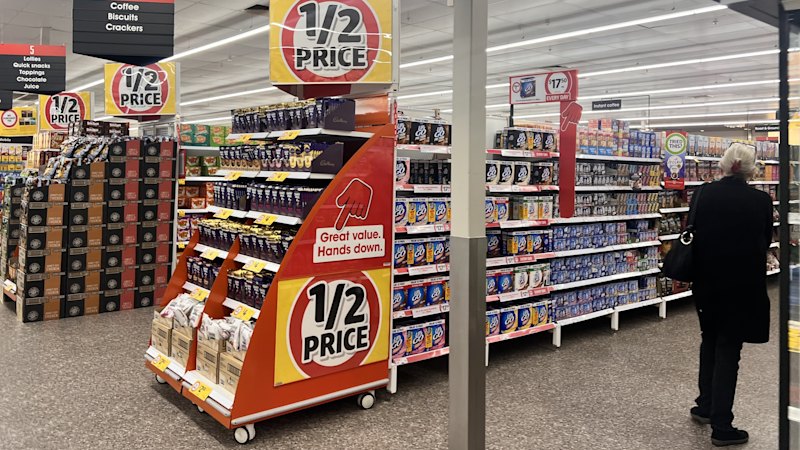
When it comes to grocery shopping, saving money is a top priority for many Australians, especially with the ongoing cost-of-living challenges. Weekly specials can be an appealing way to fill your trolley without breaking the bank. However, there’s a growing concern that these so-called “specials” might not be as beneficial as they seem.
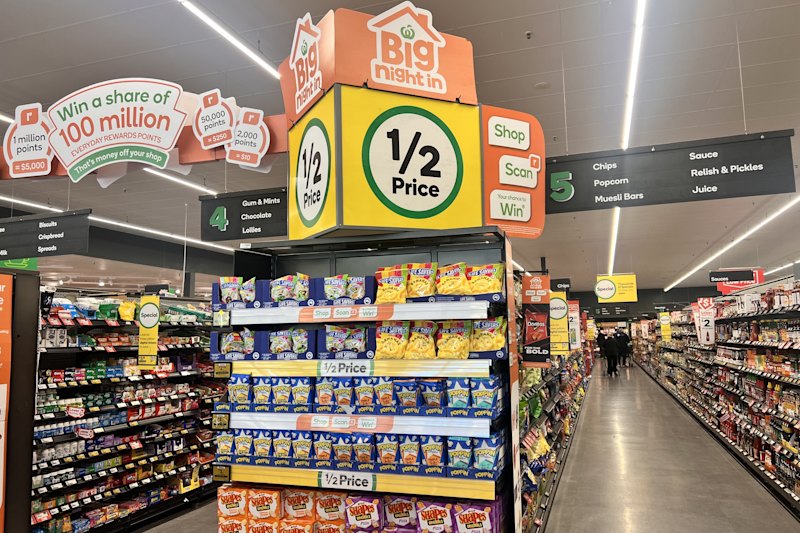
Susie Burrell, a well-known dietitian and nutritionist in Australia, has raised concerns about the health implications of supermarket promotions. She highlighted that foods on special are often less nutritious. “The main issue I have is that healthy options are far less frequently discounted and [have] much smaller discounts,” she explained. “Chocolate, chips and biscuits are regularly half-price, while fresh foods are rarely if ever [discounted].”
Burrell, who often shares her own shopping experiences on social media, advises shoppers to take steps to avoid falling into the “specials trap.” This includes shopping online where possible to reduce temptation and planning your shopping list based on meals you intend to make rather than buying everything in sight.
When it comes to what to buy on sale, Burrell suggests stocking up on staples such as olive oil when it’s half-price. “Stock up on staples, like lean mince and chicken breast, when they are on sale,” she said. “I only spend on specialty items such as breakfast cereal or bread or lean meat, and staples like butter, long-life milk, frozen vegetables and oats, which are always the same, no matter which brand, so buy the cheapest.”
If you find yourself in-store, Burrell recommends sticking to the outer aisles and shopping after you’ve eaten to avoid being tempted by the specials. She also suggested looking out for items on mark down that could be frozen, such as fish, mince, chicken breast and berries.
“Shop according to meals and based on protein, as this is the most expensive food,” she added. “For example, one lean sausage, one roast chicken, one to two mince dishes, one lean pork, then one more expensive meat or fish dish. Swap a meal for a soup or an egg dish once a week.”
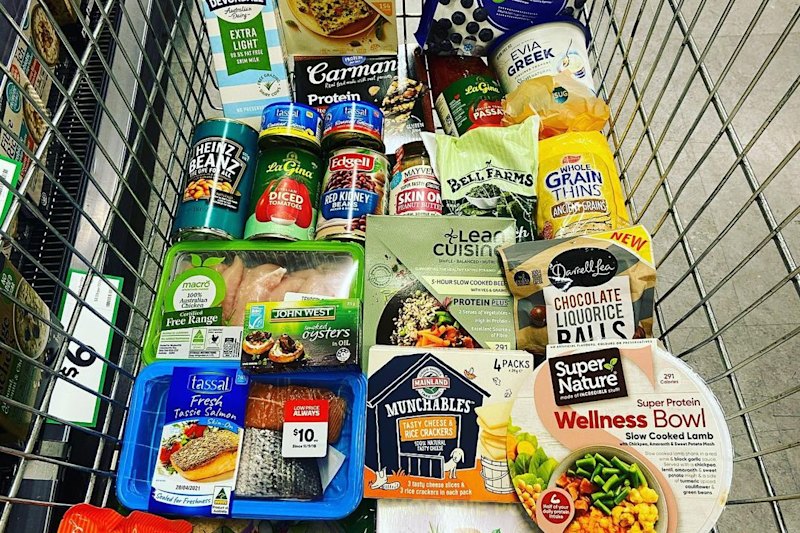
Burrell also recommended only buying one or two sauces, such as a passata and soy, rather than lots of different ones, and looking for the healthiest alternatives for all other foods. “The shorter the ingredient list, the healthier the food is likely to be,” she said.
Her comments come after a new survey of over 1000 shoppers found that 78 per cent had intended to buy healthy food but ended up purchasing something less nutritious because it was on special. More than 80 per cent of those surveyed want supermarkets to offer more price promotions on healthy products, such as fresh fruit, vegetables and organic food, but more than half believe price promotions are focused mainly on processed foods.
Meanwhile, 67 per cent of those surveyed believed supermarket promotions actively encouraged greater consumption of processed foods through discounts and prominent placement in-store and in advertising.
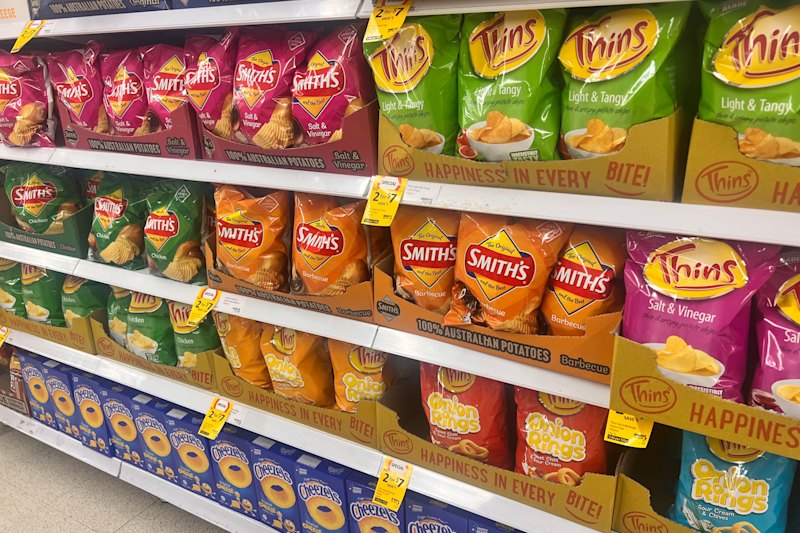
The research was conducted by YouGov for Shopfully – an online platform that helps shoppers find the best deals. “These results show Australians aren’t asking supermarkets to choose between affordability and health – they’re asking for both, and right now, many feel that balance just isn’t there,” said Shopfully Australia Country Manager Brendan Straw. “Promotions don’t just influence what people spend, they influence how people eat.”
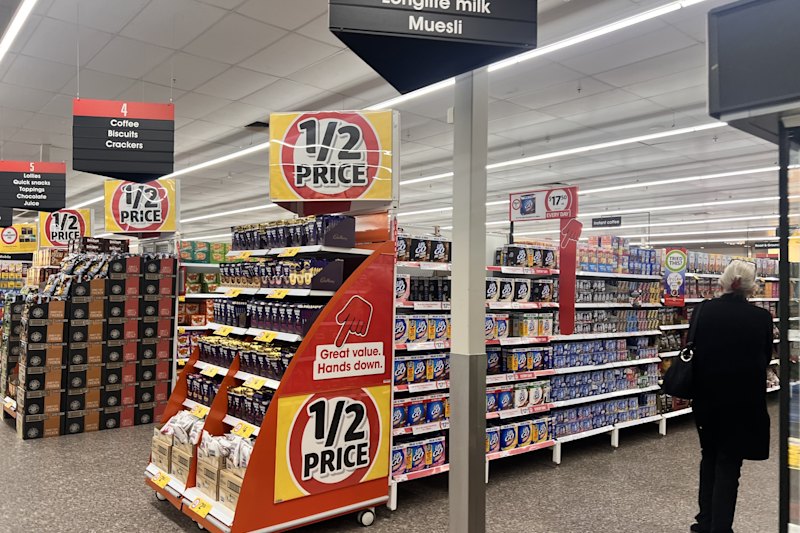
“When ultra-processed foods are consistently the most visible and discounted options, they naturally win, even when shoppers have the best intentions. Australians are telling us they want help making healthier choices without stretching the budget. Retailers that respond by making healthier options more visible, affordable and easier to plan around will be better placed to build trust and loyalty in a highly competitive market.”