Introduction
In 2014, the world wasn’t ready for smart glasses, or at least it wasn’t prepared for Google Glass. The dorky-looking piece of eyewear was so unattractive, so creepy to anyone who cared about privacy, and so utterly baffling to everyday consumers that no one was surprised to see it blink out of existence within a year. But the world is certainly ready for them now.
In 2023, Meta launched the Ray-Ban Meta smart glasses, officially bringing the wearable back from the dead. Within its first year, it had sold more than a million units. Late last year, the company unveiled a second-generation pair of Ray-Ban Meta smart glasses, which promised longer battery life, sharper video capture and a lighter design.
And they’re only getting more popular. Together, Meta and eyewear giant EssilorLuxottica sold more than 7 million smart glasses in 2025 alone, transforming the once-maligned category into Meta’s bestselling product.
I’ve been using the original Ray-Ban Meta smart glasses since they launched in 2023, so I was eager to see how they’ve improved. After spending weeks wearing the second-generation model, using them for everything from taking calls and listening to podcasts to capturing videos and testing Meta AI, has Meta made the ultimate pair of smart glasses?

Ray-Ban Meta Gen 2 Smart Glasses Overview
Rating: 4.5/5
Styles: Wayfarer, Skyler, Headliner
Camera: 12MP ultra-wide
Video: Up to 3K at 30fps
Storage: 32GB
Speakers: Open-ear stereo speakers
Microphones: Five
Battery life: Up to eight hours
Connectivity: Bluetooth 5.3, Wi-Fi 6
Water resistance: IPX4
Prescription lenses: Supported
Why We Love It
- Excellent 3K video quality and stabilisation
- Live translation is excellent
- Long battery life
- Brilliant call quality
- Looks like a regular pair of Ray-Bans
Take Note
- Lots of AI features still unavailable in the UK
- Camera framing requires trial and error
- Transition-lens models are expensive
- Recording indicator could still be more obvious
Design
Meta’s Ray-Ban smart glasses are some of the most customisable tech I’d ever reviewed. But it was arguably to their detriment. The Ray-Ban Remix platform presented me with such a dizzying number of options, from frame styles and colours to lens types and finishes, that it ended up overwhelming me rather than assisting. Altogether, there were around 150 different combinations to choose from.
While the second-generation pair are still super customisable, personalisation has been pared back. Meta has ditched the sprawling Design Lab in favour of a curated selection of pre-configured frame-and-lens combinations.
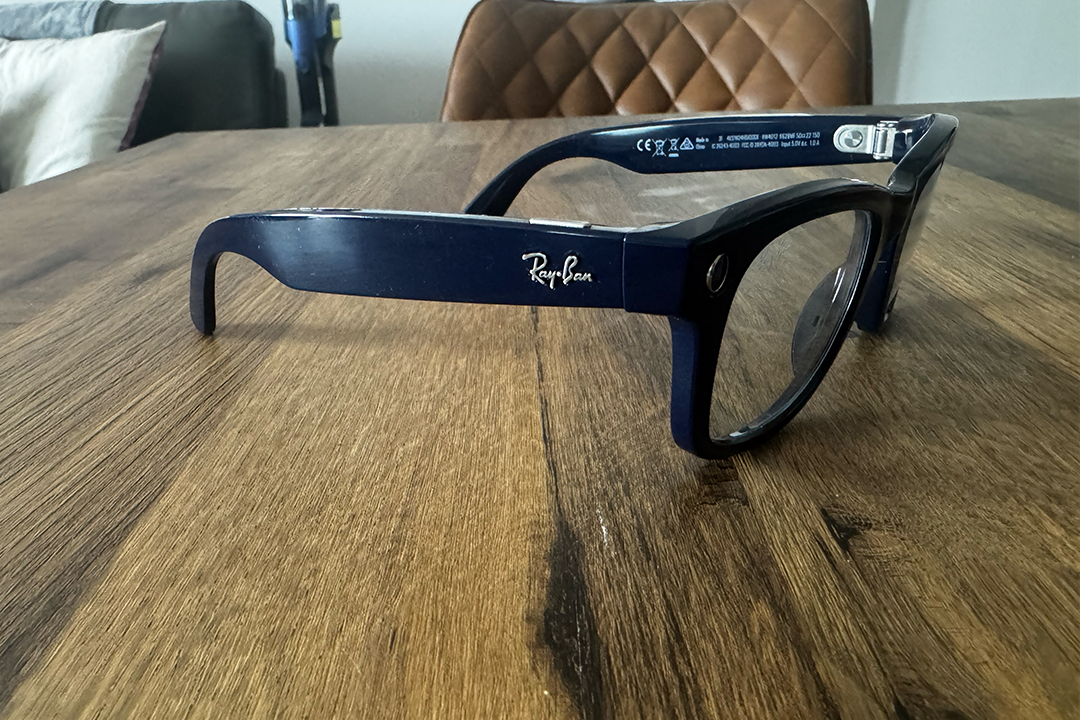
Like the previous model, you can choose from three different styles – wayfarer, skyler and headliner. At the time of writing, the skyler comes in eight configurations, while the wayfarer and headliner are available in seven each. This can change whenever Meta likes – it’s always adding new styles, frame colours and lens colours.
Interestingly, transition lenses make up the bulk of the 22 configurations available, with frame styles now only getting just one clear-lens option, one tinted sunglasses variant and one polarised configuration. That differs to the first-generation pair, which leaned sunglasses-heavy.
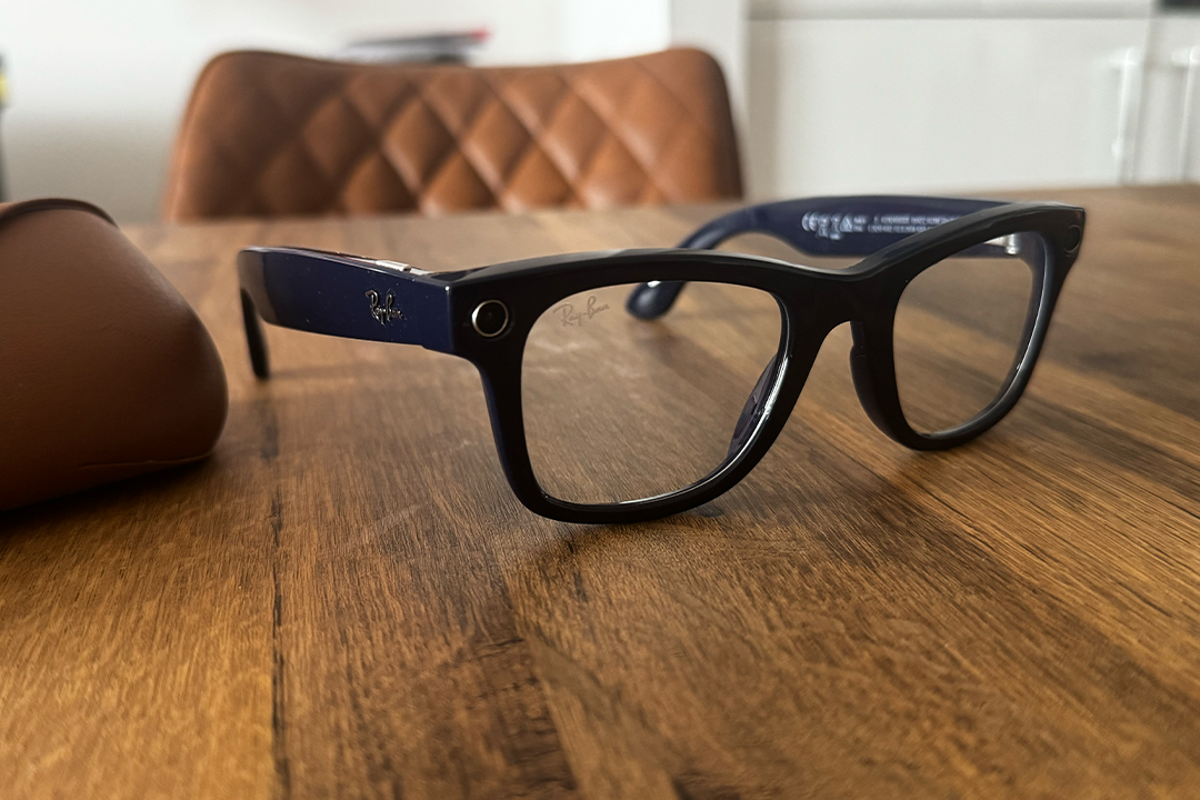
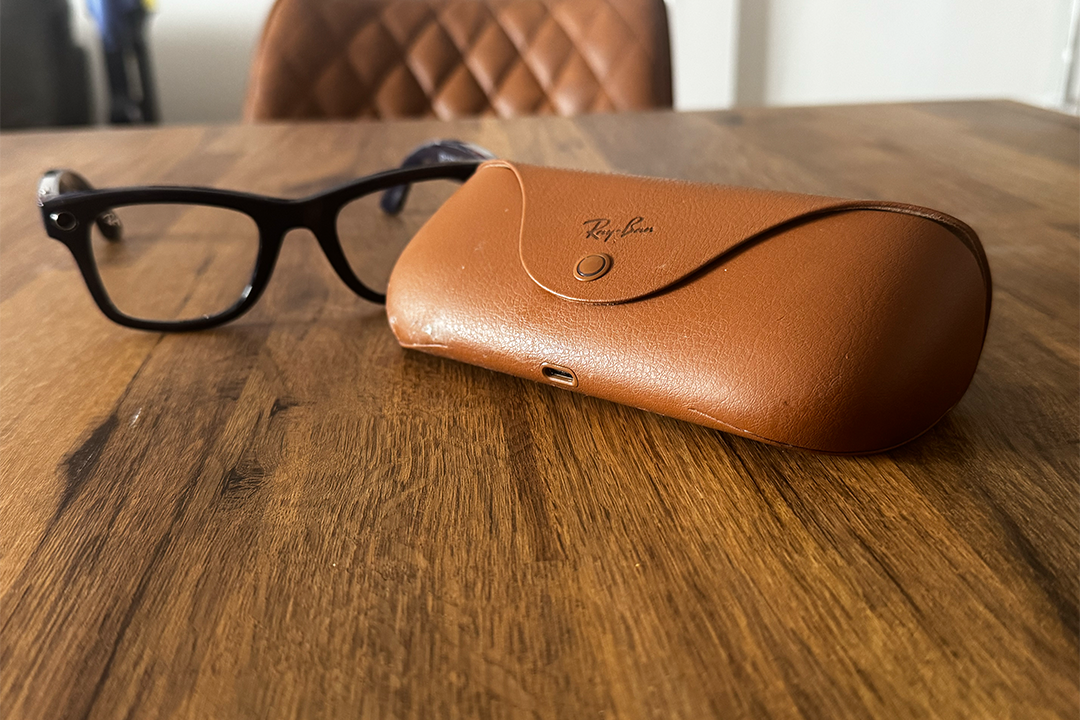
You can get everything from understated matte black frames with clear lenses to more adventurous transparent peach, cosmic blue and violet frames partnered with colour-shifting transition lenses. I went with the classic wayfarers with the shiny blue cosmic frame and clear-to-sapphire transition lenses.
What I would say is that while the glasses with the transition lenses are the most expensive out of the various configurations, £459 versus the £379 only-clear or only-tinted variants, I think they’re worth it.

The wayfarer is available in two sizes, standard and large, and they’re also slightly lighter than the previous model with a tighter hinge. Other than that, they look practically the same. While I’ve found them comfortable to wear, as someone with a flat nose bridge, the standard size pair still slip down my nose, so I still have to put on little sockies on the arms so they grip my head better.
In April, Meta launched the Ray-Ban Meta Optics range. These glasses come in a blayzer and scriber style. While they’re specifically built for prescription wearers, they come with adjustable nose pads, so they might be a better fit for those with high or low nose bridges.
Camera
The biggest benefit of having a pair of these isn’t just the onboard AI (which I’ll go into below), but the fact you have a camera on your face. While the glasses still use a 12MP ultra-wide camera, the TikTok generation will be pleased to hear that you can now take sharper videos than ever before.
Meta has upgraded video capture from 1080p at 60fps to 3K at 30fps. With 3K recording turned on, I noticed I that got much clearer footage with better colour reproduction. It’s much more vivid and great for socials.
But as mentioned, you have to turn the feature on, so don’t assume you’ll get the best quality from the moment you put the glasses on. Recording in both formats is limited to one minute or three minutes.

Sound and Mic Quality
Personally, I think the best thing about the Meta smart glasses is that you don’t need to wear headphones anymore. But do they sound good enough to do that?
I was actually quite impressed with the audio, and I review a lot of headphones at The Independent. Although the sound is a little bit grating and tinny when you pump up the volume to the highest level, for smart glasses with open-ear audio, they’re the best I’ve tried. You’re still going to want to pick up a pair of actual headphones if you want high-fidelity tunes during your commute, though. The audio feels very heady, with a tiny soundstage, but the vocals were surprisingly clear on my favourite tracks.
Privacy
The elephant in the room is privacy – the Meta smart glasses have received the most pushback over how people have been using them.
The brighter privacy indicator is a step in the right direction, but I still don’t think it’s obvious enough. Most people simply assume I’m wearing ordinary glasses, and unless they’re specifically looking for the camera, they’ll probably never notice it.
While I’m a lot more comfortable wearing them in public now that so many people have them, the privacy debate hasn’t gone away. If you’re uncomfortable with the idea of people wearing cameras on their face, these glasses probably won’t change your mind.
Should You Buy the Ray-Ban Meta Gen 2 Smart Glasses?
Meta has fixed almost every major complaint I had about its original smart glasses. The battery life is a lot better, the 3K video quality makes footage look sharper and Meta AI has levelled up from being a glorified voice assistant into something I can actually use.
The Ray-Ban Meta gen 2 smart glasses fit really seamlessly into my day. I’ve translated menus in Spain, identified landmarks in Rome, shared my perspective with family during a video call and just listened to podcasts on the tube. They’re just a really versatile bit of kit.
The only annoying thing? The UK continues to get new AI features frustratingly late. I still think the privacy concerns remain valid as well. But none of those issues stop these from being the best smart glasses I’ve tested.