The Unique Challenges of the 2026 Power Units in Monaco
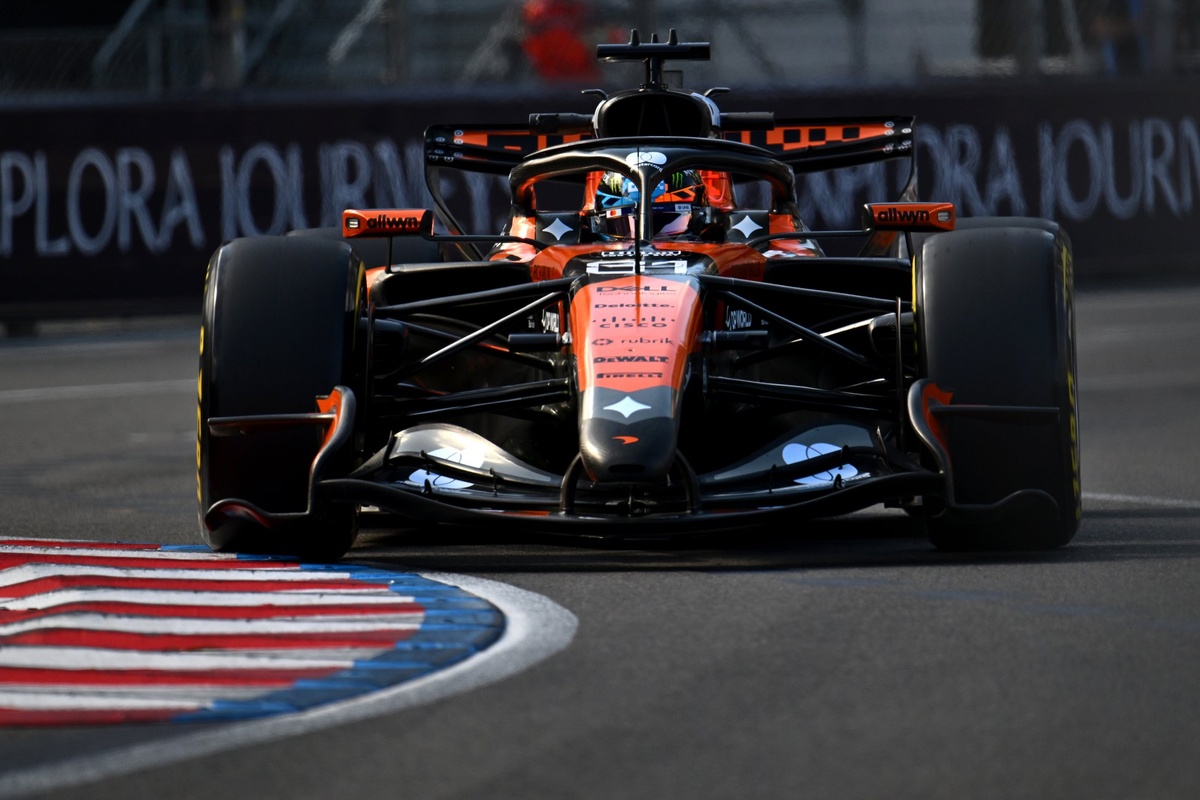
Monaco is a circuit that presents an ideal setting for showcasing the capabilities of the new 2026 power units. The narrow streets and numerous braking zones make it easier to recharge energy, which benefits the electric side of the powertrain. However, this advantage can also bring its own set of challenges when the battery becomes too full.
Just two weeks ago, Formula 1 held a race in Canada, a circuit known for having one of the lowest energy recovery limits of the season—only 6 MJ per qualifying lap. This is very different from Monaco, where the new cars will have more opportunities to demonstrate their capabilities. The combination of slow corners and frequent braking zones means that energy management should not be a major issue in Monaco this weekend.
The FIA has allowed 9 MJ of energy harvesting during qualifying, which is the maximum permitted by the regulations. This is the same amount seen in China, but with a key difference: Monaco does not have long straights where significant derating or superclipping would be necessary. Instead, the governing body has decided to limit the cars’ potential by making the MGU-K lose power at 200 km/h rather than the usual 290 km/h threshold used at other circuits.
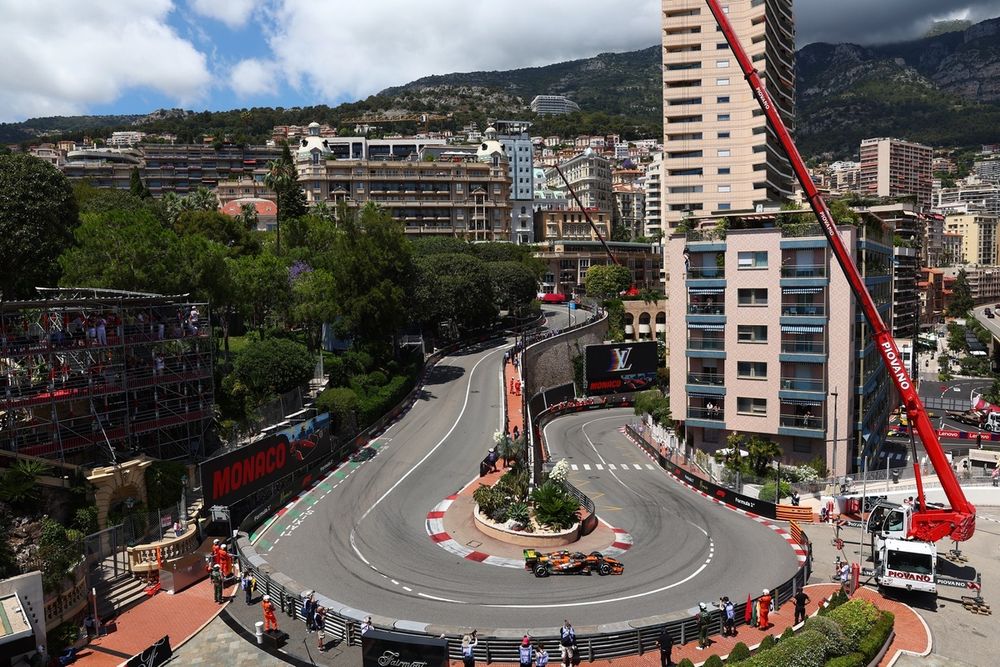
These conditions allow teams to take full advantage of the 9 MJ permitted by the FIA. However, there is a critical question: could having so much energy actually become a problem?
Liam Lawson of Racing Bulls highlighted this concern ahead of the weekend. “There’s a risk that we have too much energy and that could really complicate things as well,” he said. “Normally we’re quite energy poor, but on a track like this it’s not just as simple as having your battery charged all the time.”
Lawson explained that starting a race with a fully charged battery may not be optimal. “It could cause a lot of other issues that we’ll be having to manage as well. So first lap, start of the race, when everybody’s driving very slowly, we can’t deploy the energy and therefore it can make things quite complicated for us.”
Even under previous regulations, there were situations where starting with a fully charged battery was not ideal. This issue has resurfaced under the current rules, showing that recovering energy too easily can sometimes be counterproductive.
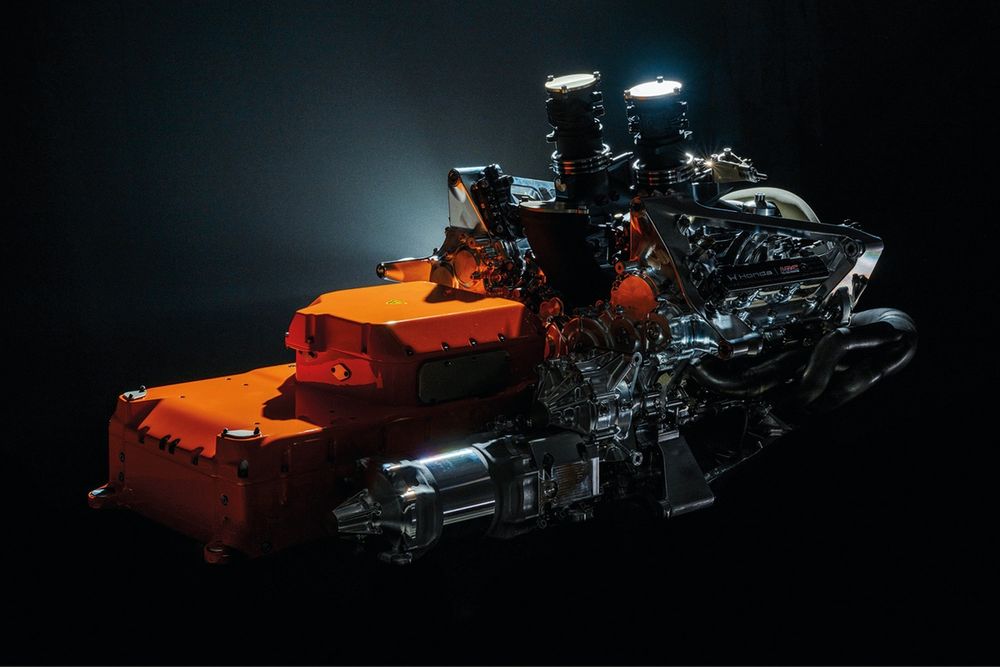
One challenge involves the turbocharger’s behavior. Without the MGU-H, bringing the turbo into its optimal operating window and reducing turbo lag has become more difficult. As a result, some power unit strategies now depend even more heavily on the electric system, which is more powerful than before.
For example, burnouts on the starting grid require assistance from the MGU-K. Similarly, before a qualifying lap—especially when accelerating from very low speeds—it can be tricky to manage the throttle and bring the turbo into the correct operating range.
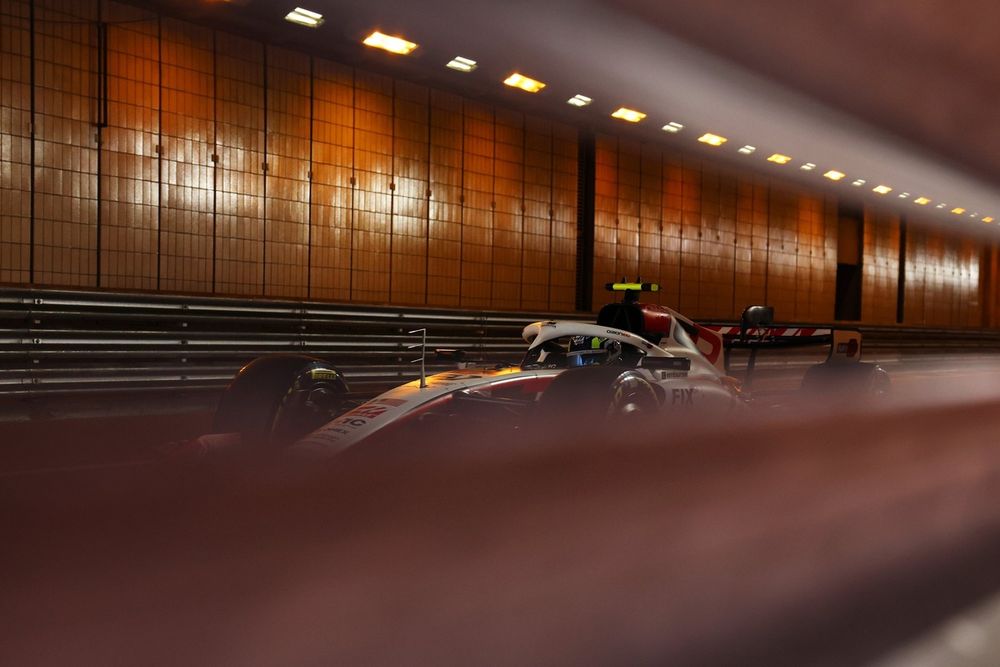
The problem is that on circuits where recharging is easy and the battery quickly reaches its limit, the MGU-K can no longer convert power into stored energy. This means it can no longer help the turbo spin up and reach its proper operating range, leading to increased turbo lag and weaker acceleration out of corners.
Oscar Piastri, a driver for McLaren, believes this scenario could benefit Ferrari, which has a smaller turbocharger compared to its competitors. “Ferrari doesn’t have to be as critical on managing that, because they lose less power if they lose boost pressure in the turbo,” he explained.
To mitigate the issue, Piastri expects many drivers to use first gear (or very low gears) more frequently. This helps generate more torque, maintain higher engine revs, and keep the turbo responsive.
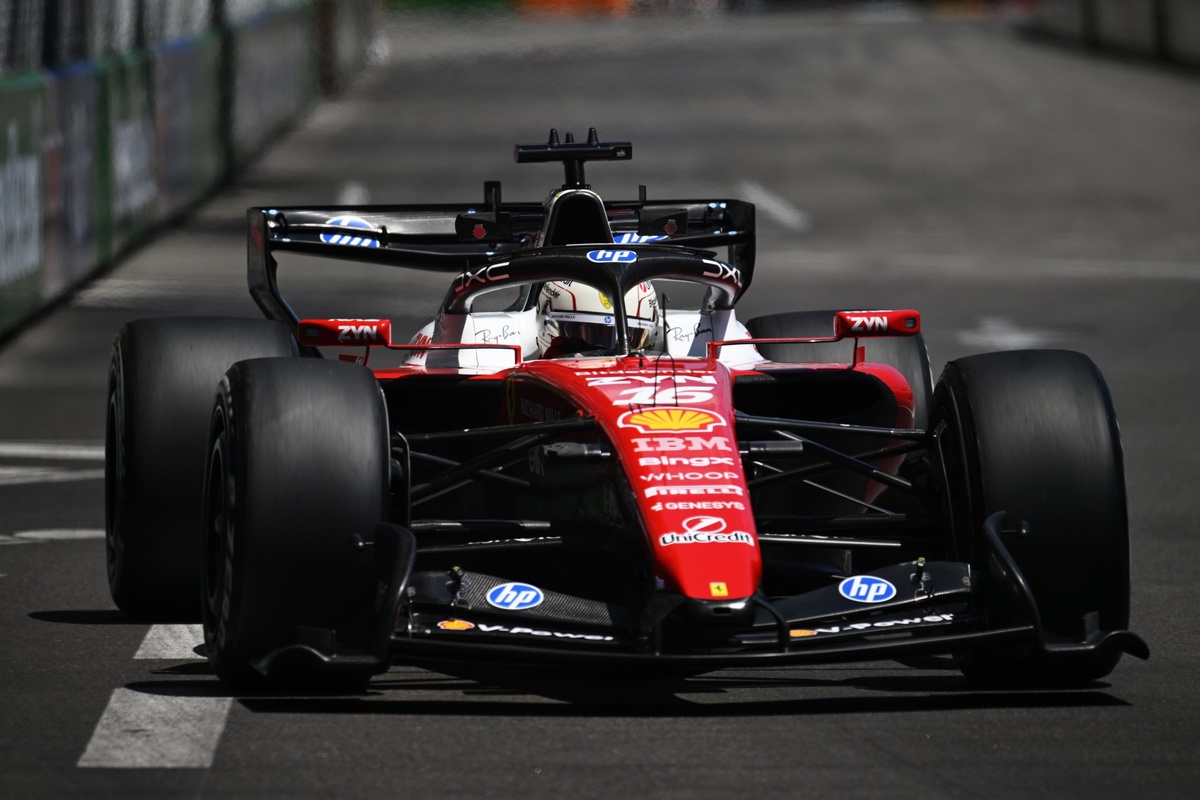
Photos from Monaco GP – Friday
Charles Leclerc, Ferrari
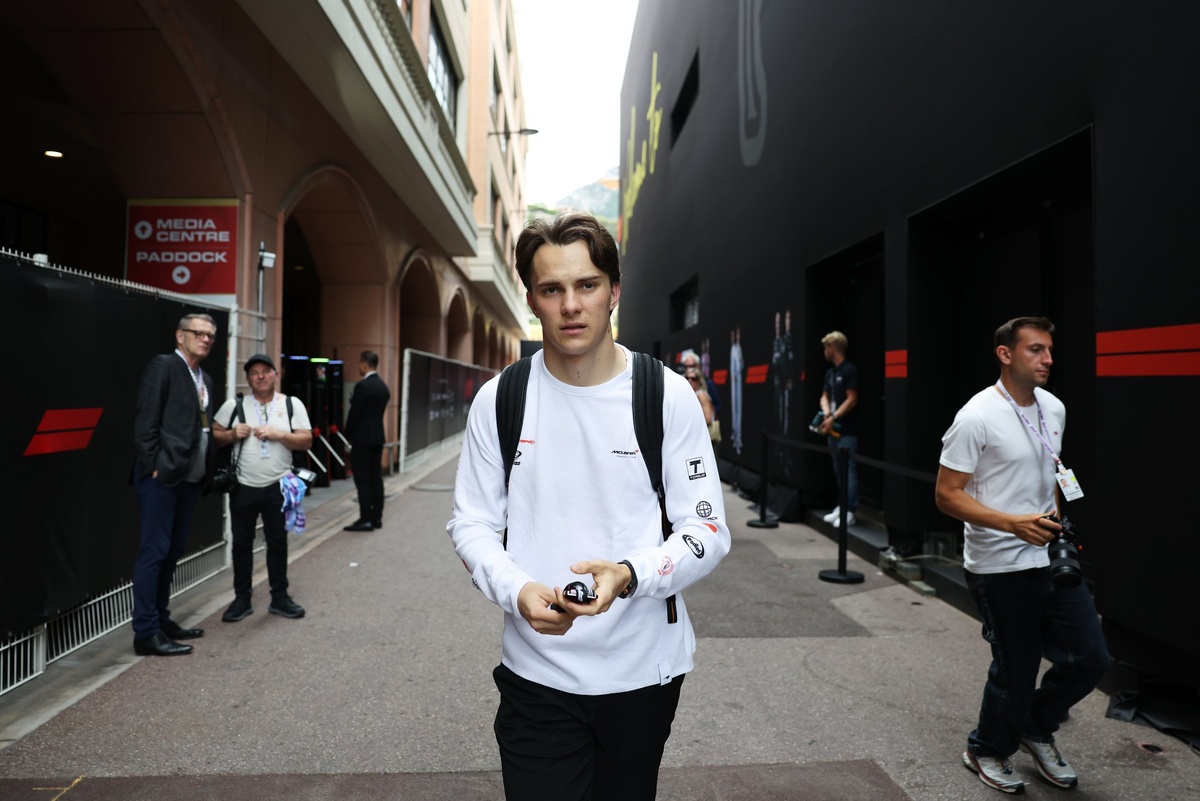
Oscar Piastri, McLaren
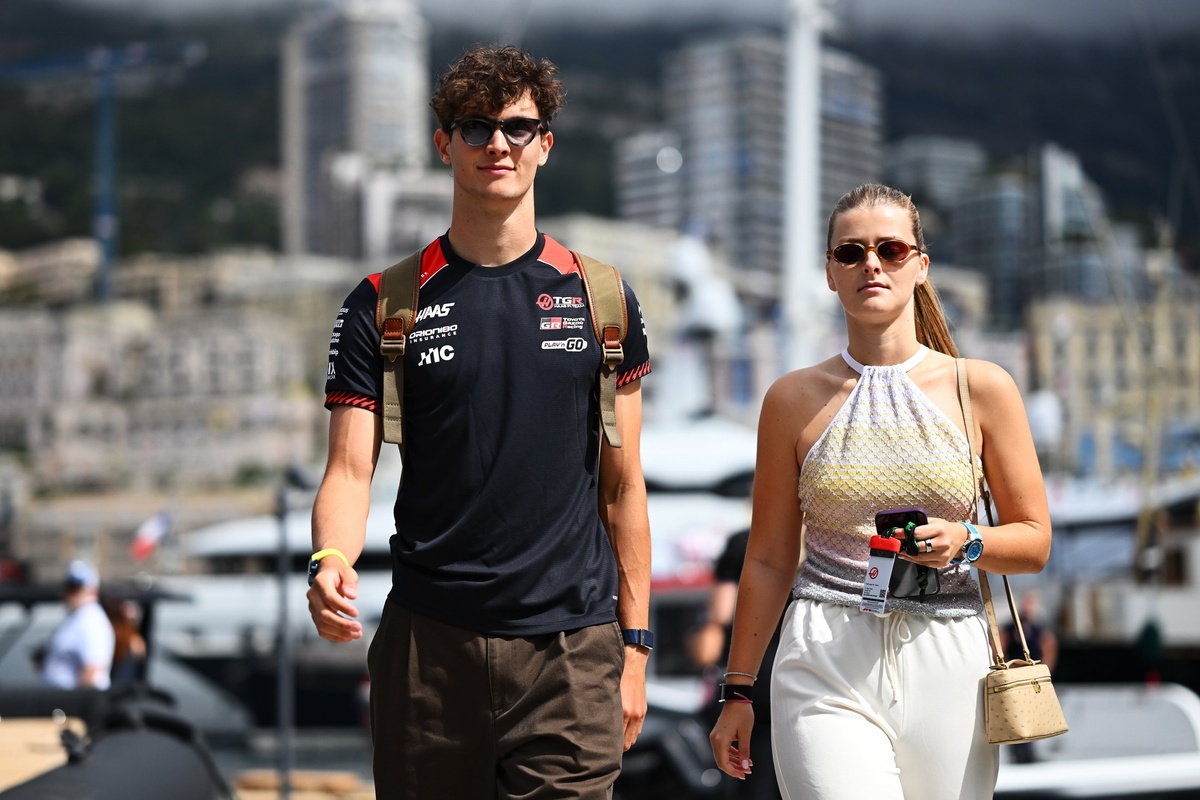
Oliver Bearman, Haas F1 Team
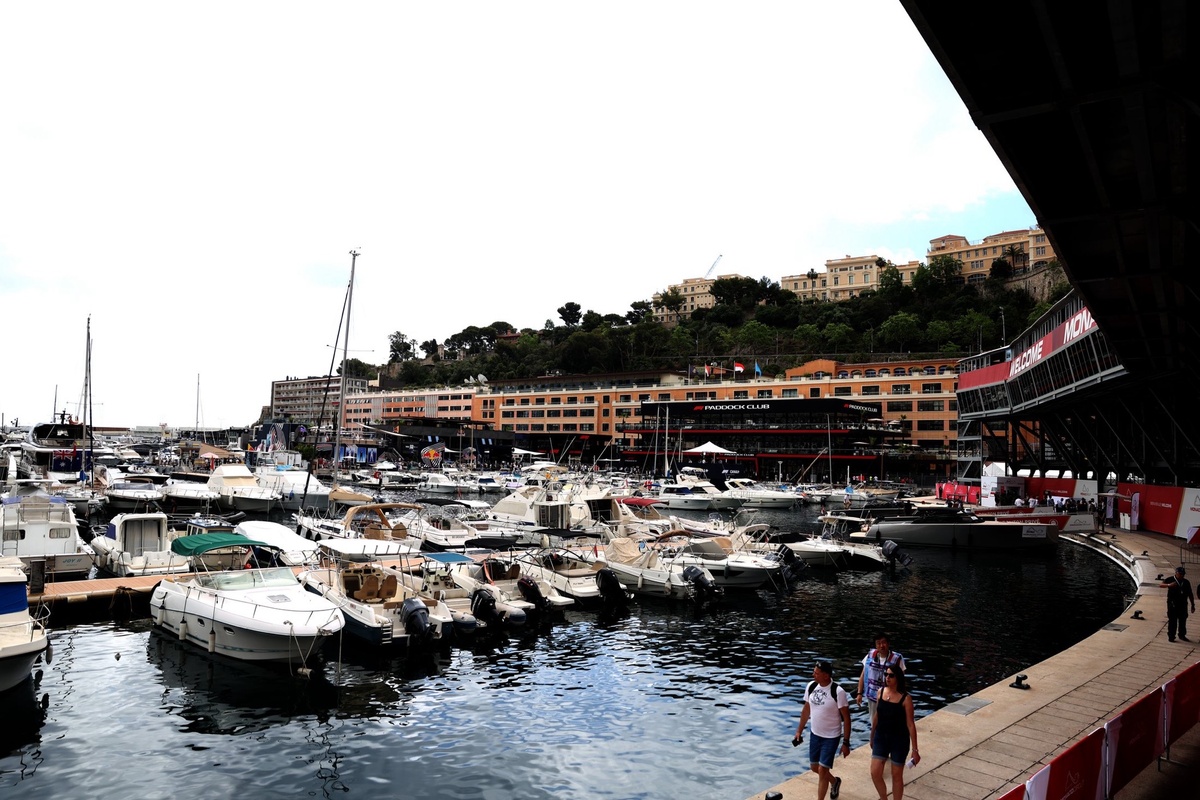
A general view of the harbour with the Paddock Club.
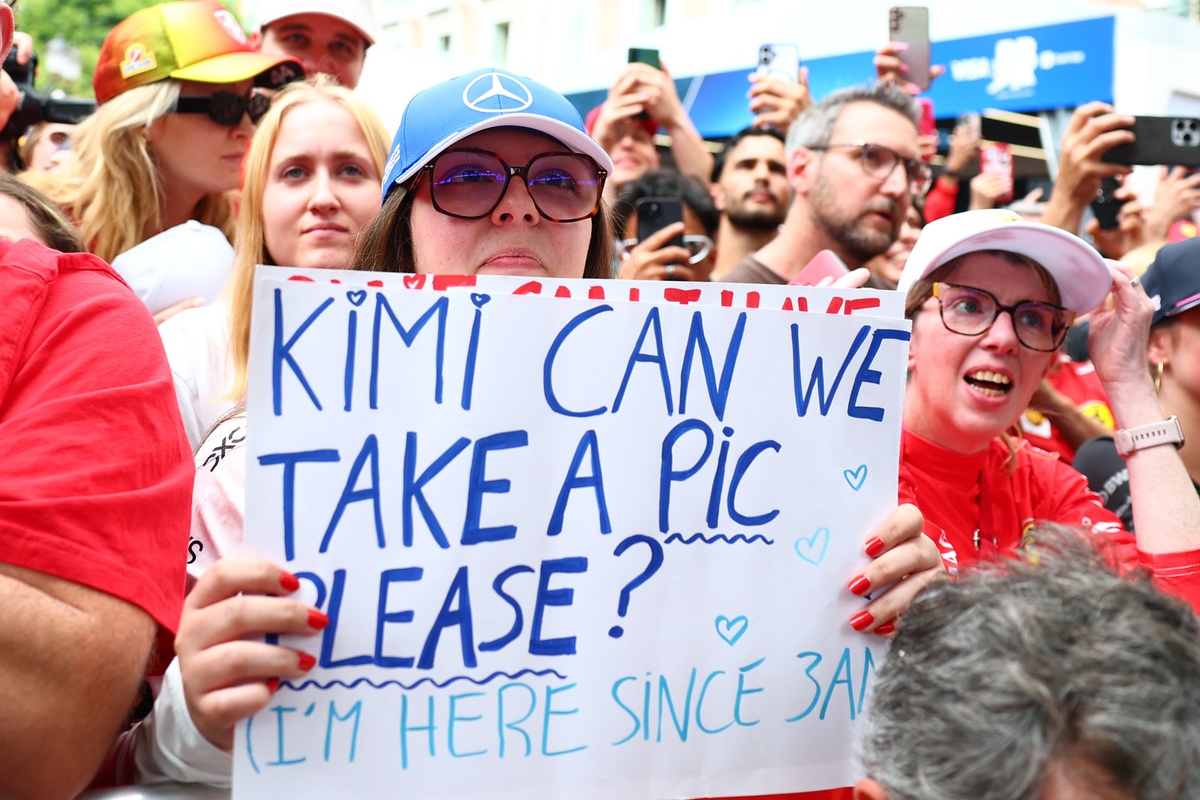
Andrea Kimi Antonelli, Mercedes Fan
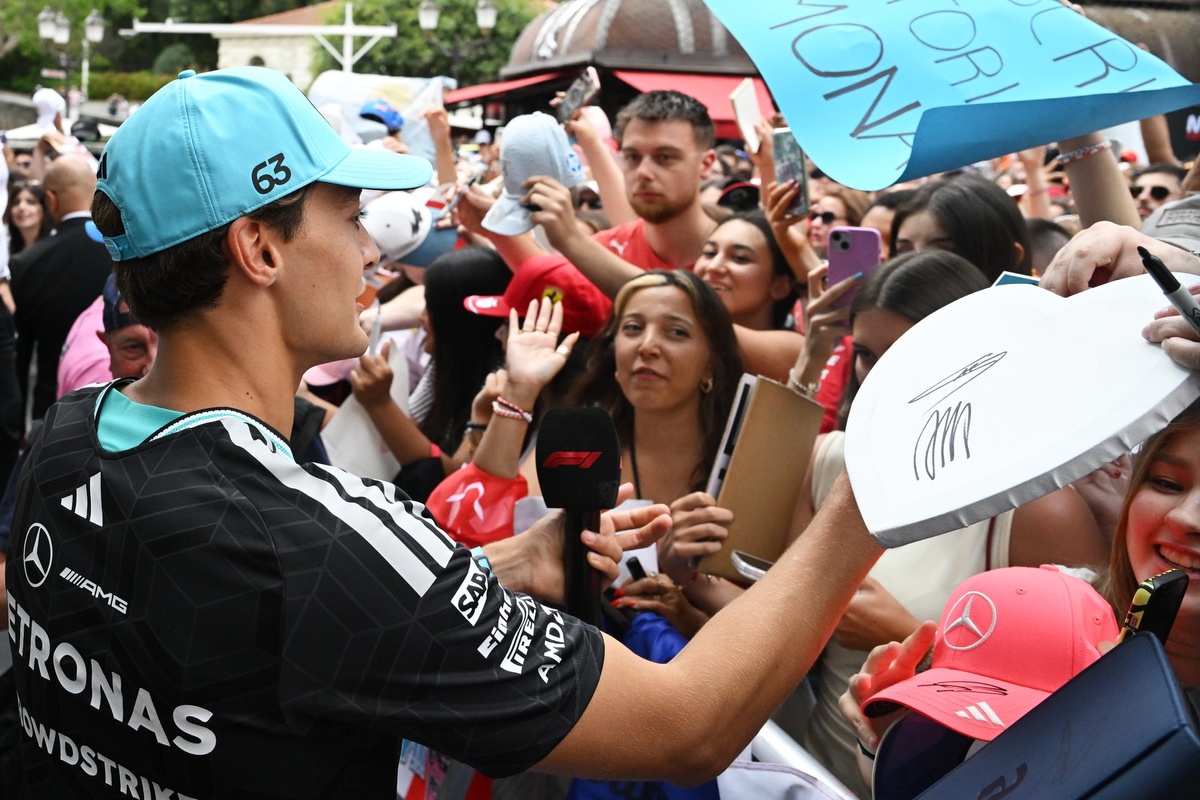
George Russell, Mercedes
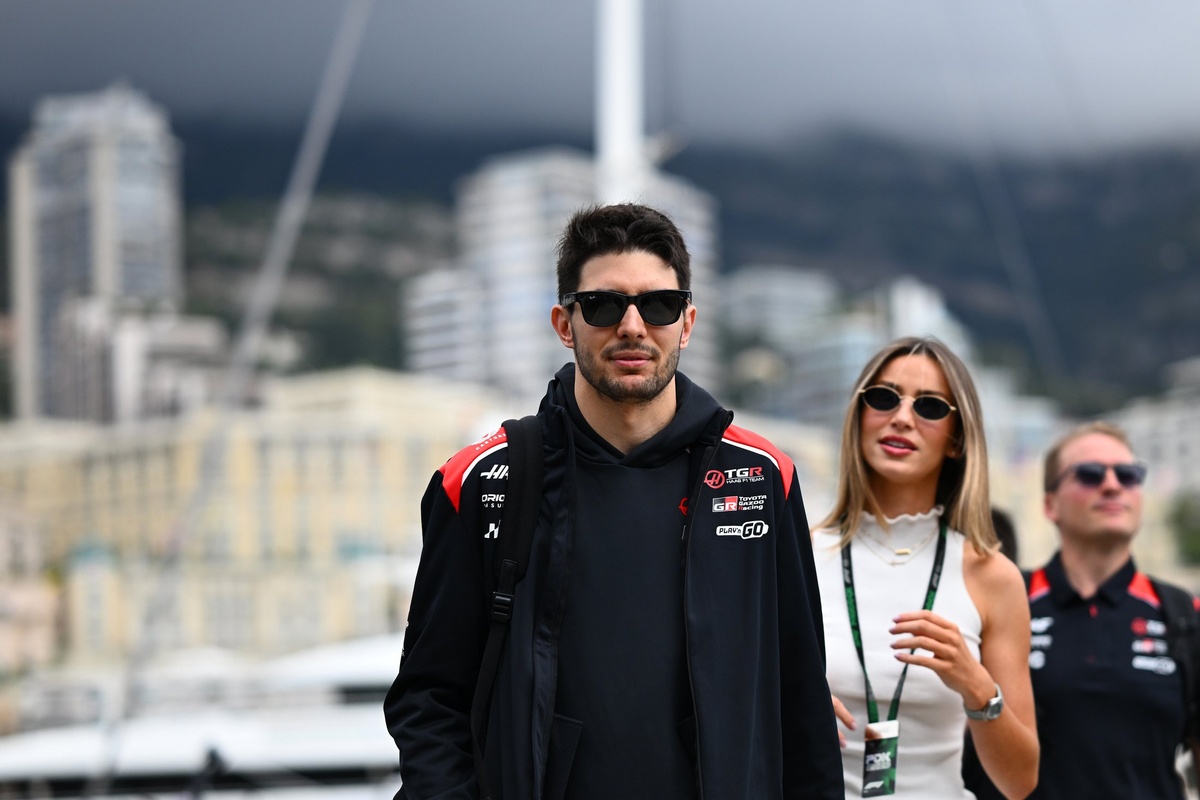
Esteban Ocon, Haas F1 Team
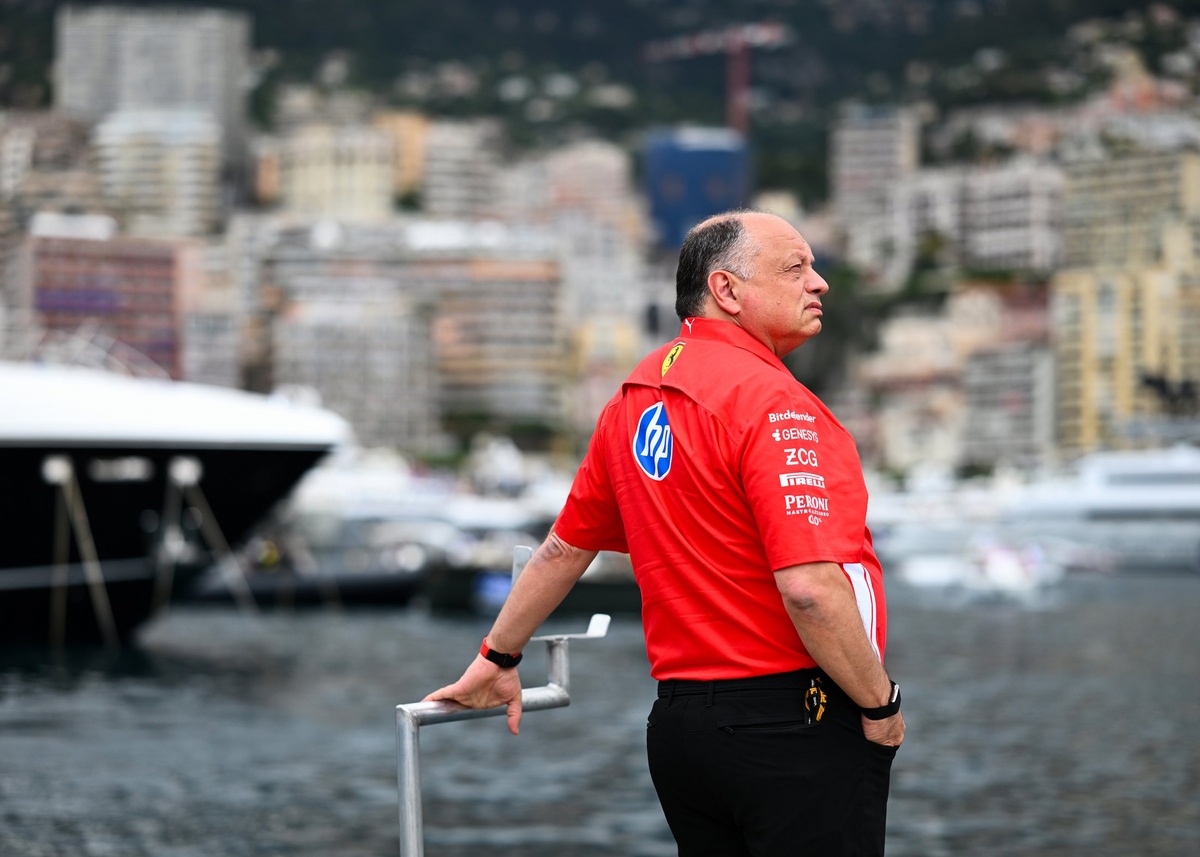
Frederic Vasseur, Ferrari

Lewis Hamilton, Ferrari
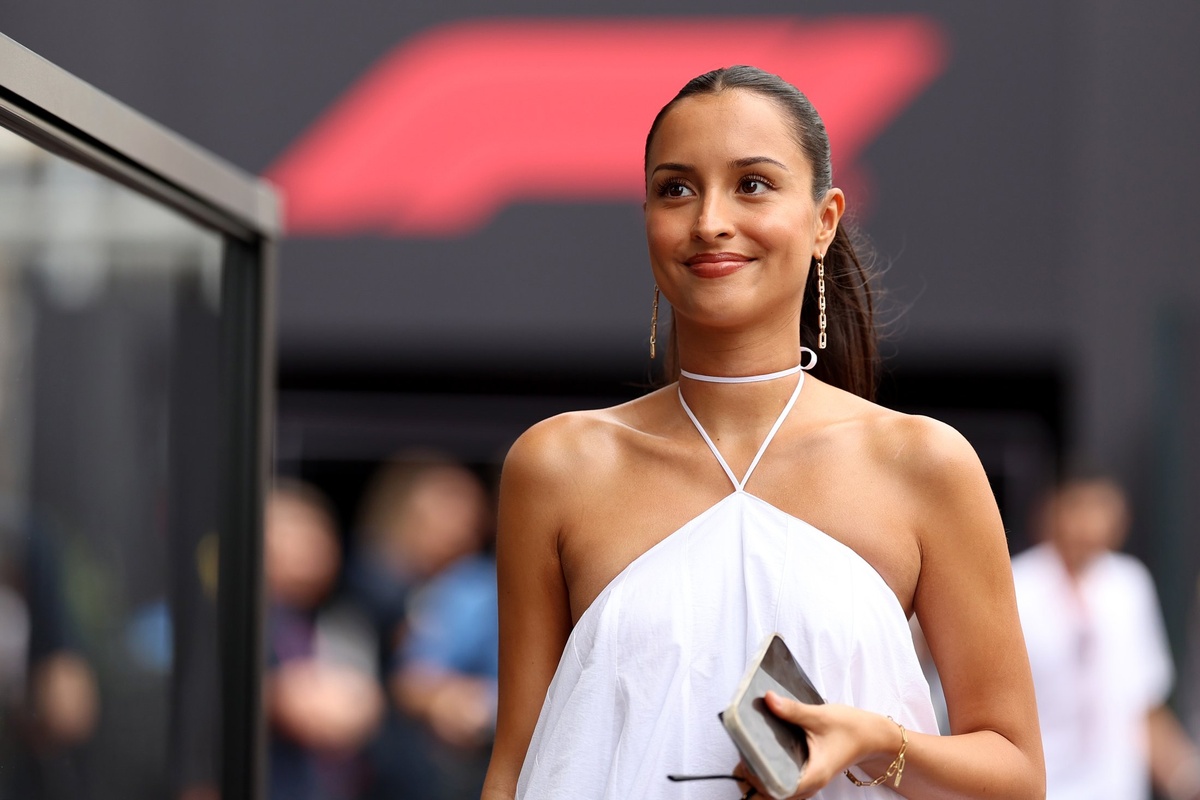
Alexandra Leclerc arrives in the paddock.
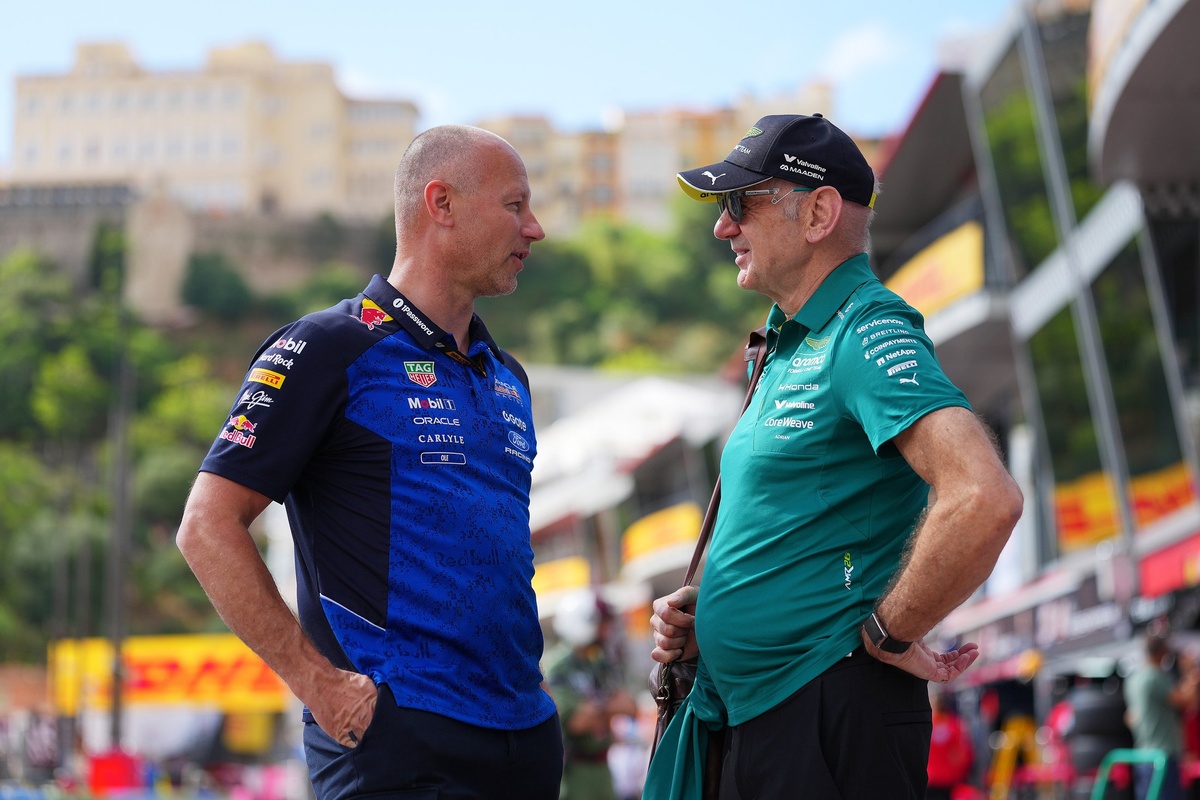
Adrian Newey, Aston Martin Racing
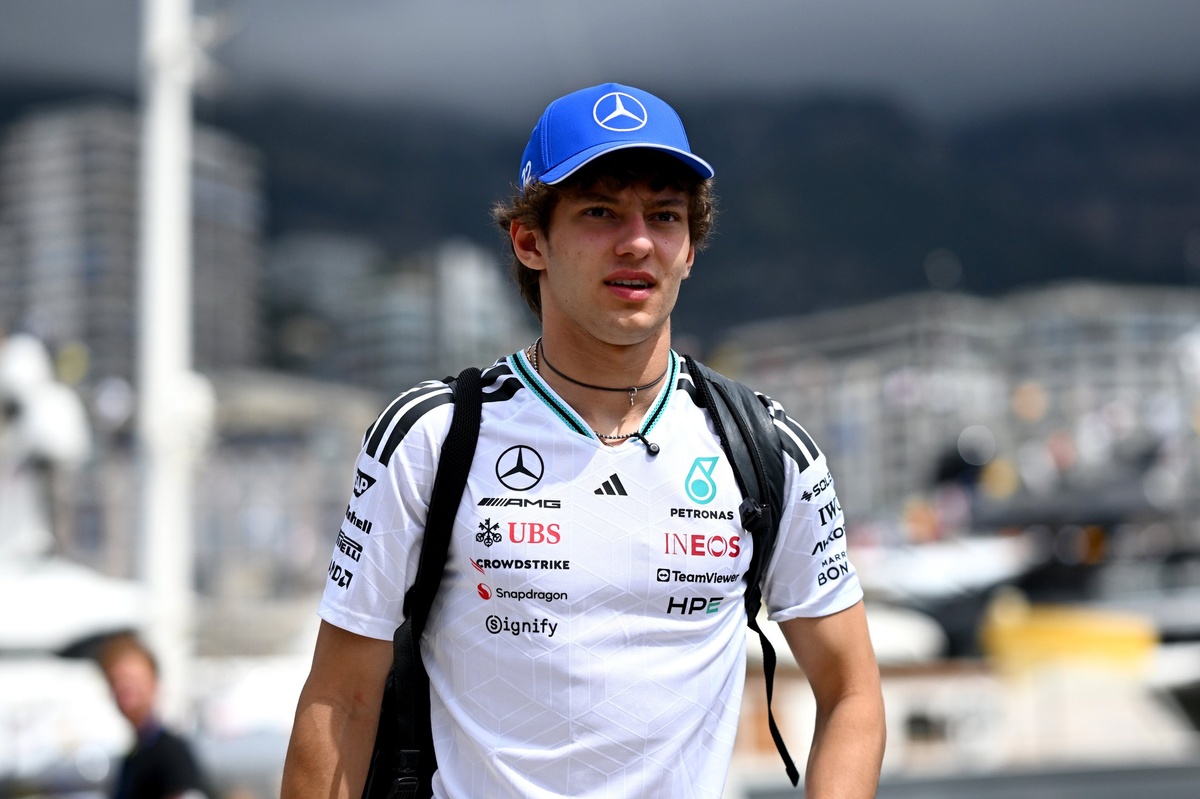
Andrea Kimi Antonelli, Mercedes
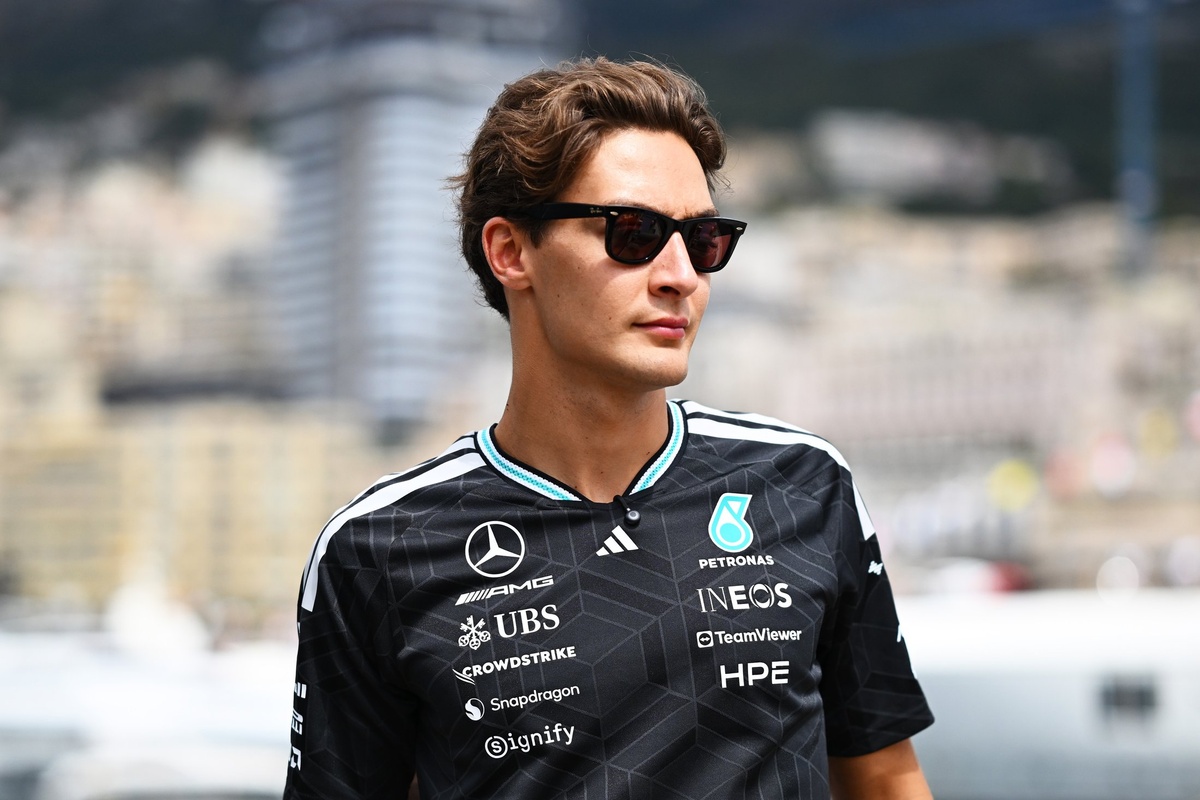
George Russell, Mercedes
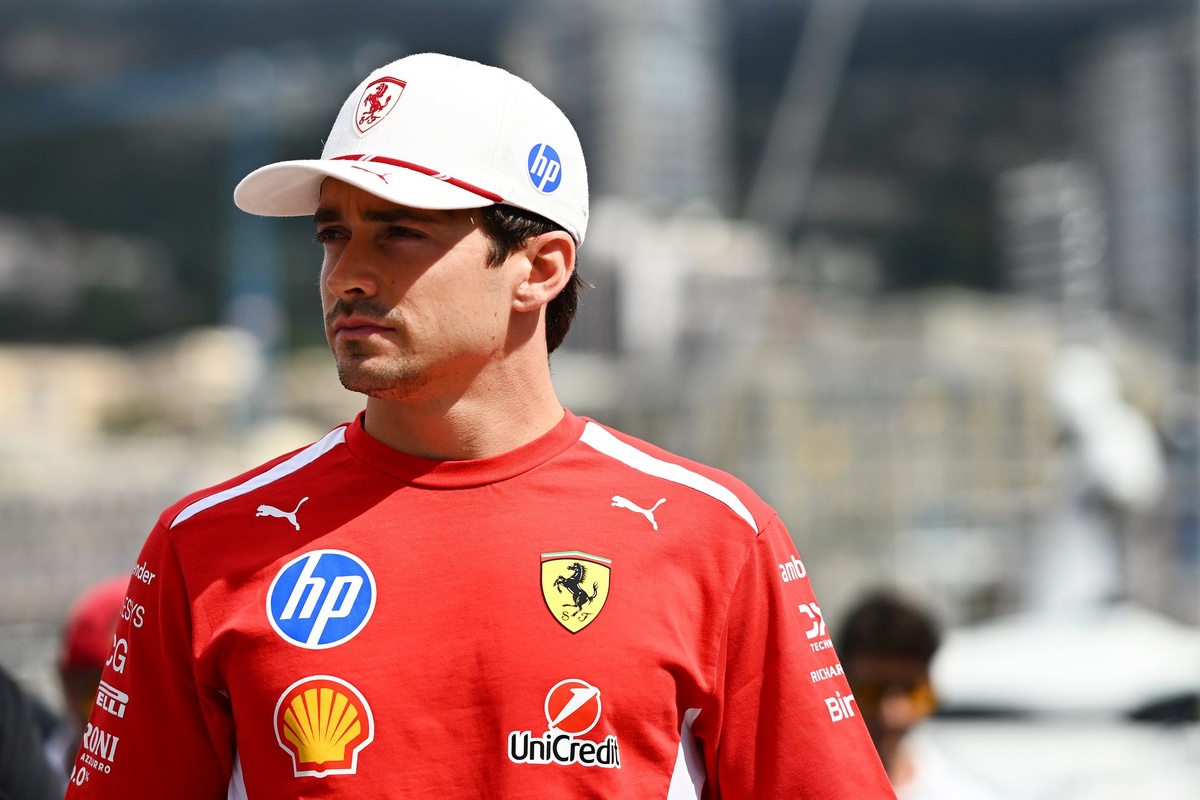
Charles Leclerc, Ferrari
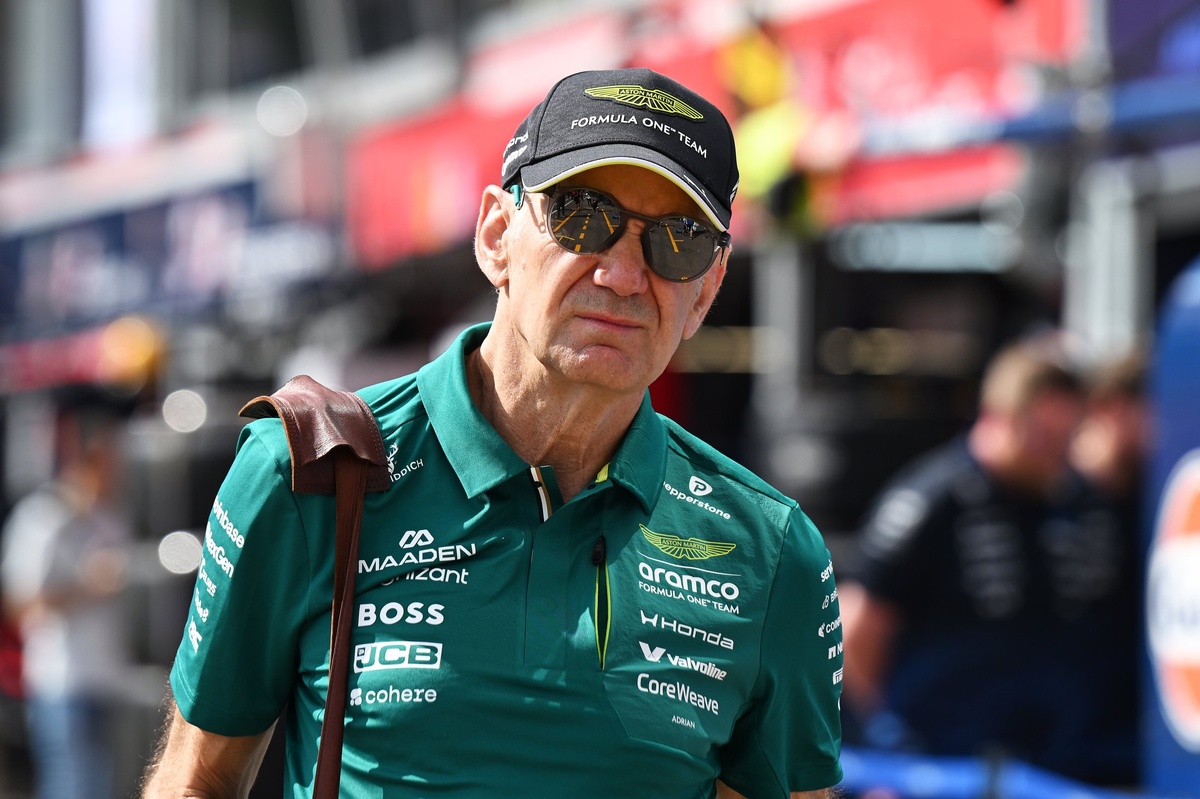
Adrian Newey, Aston Martin Racing
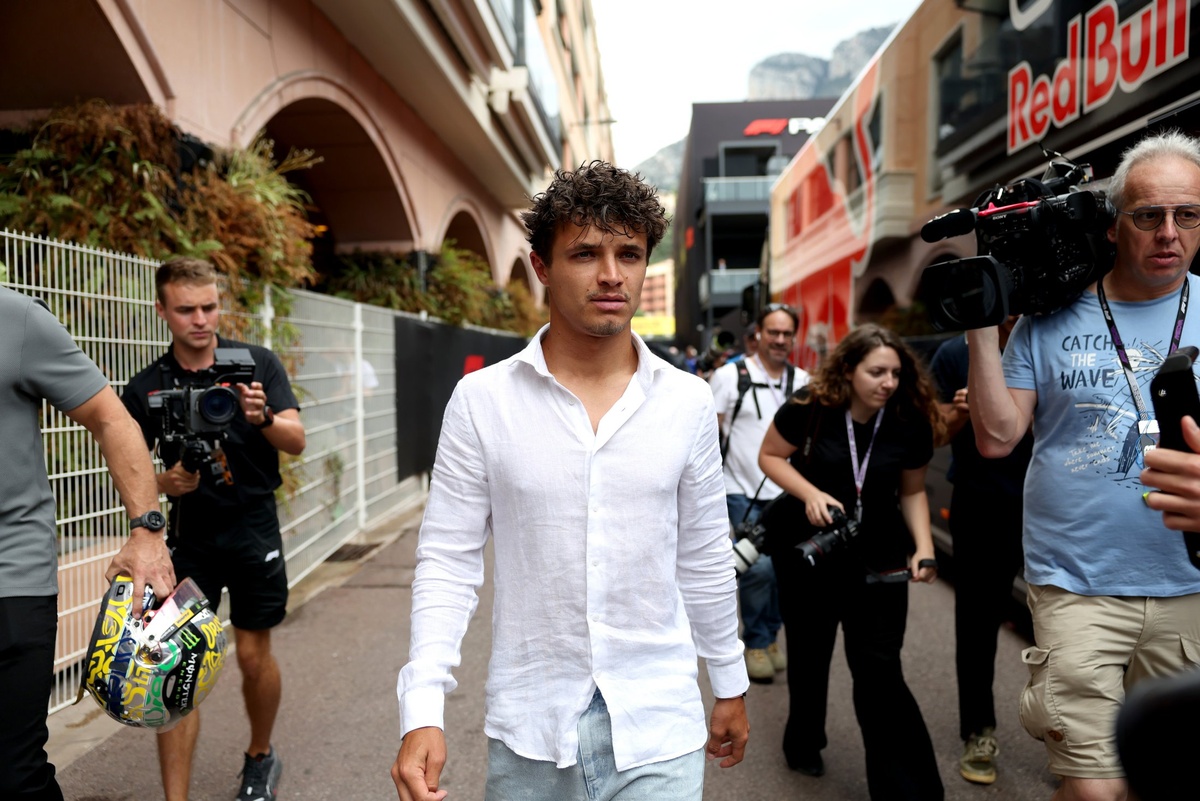
Lando Norris, McLaren
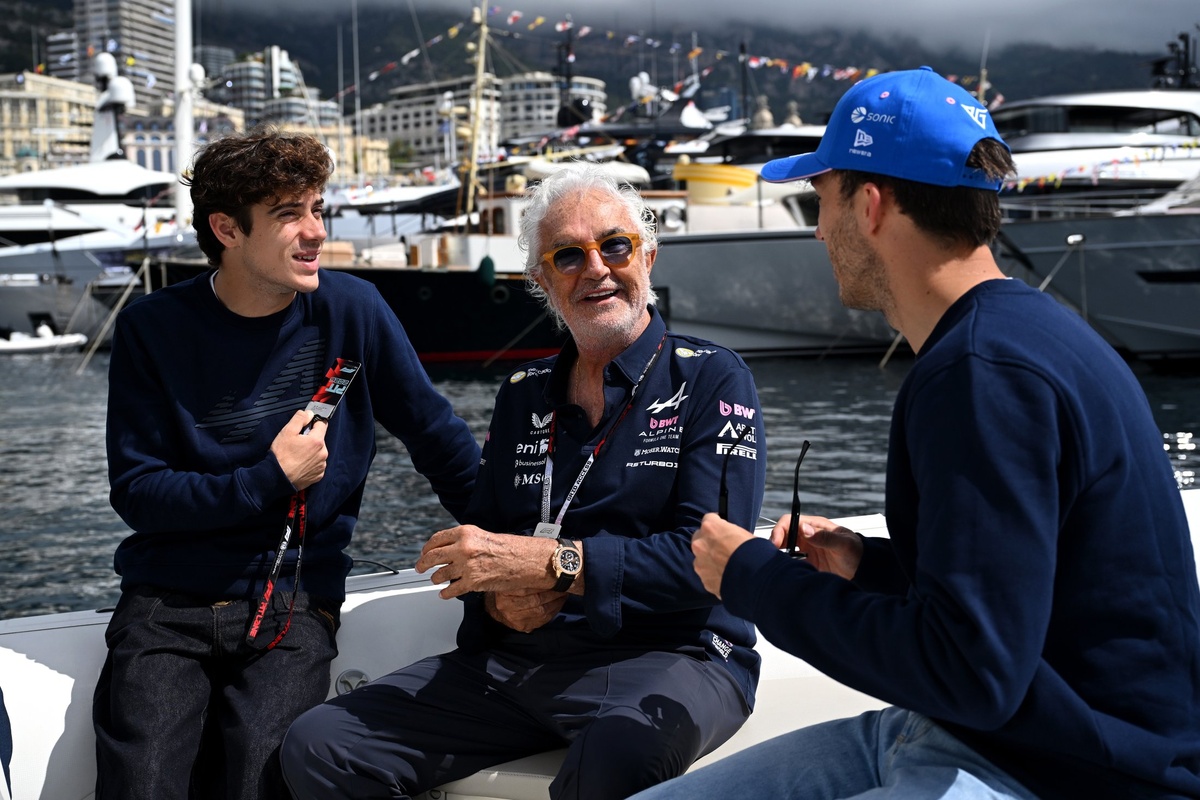
Franco Colapinto, Alpine, Flavio Briatore, Alpine, Pierre Gasly, Alpine
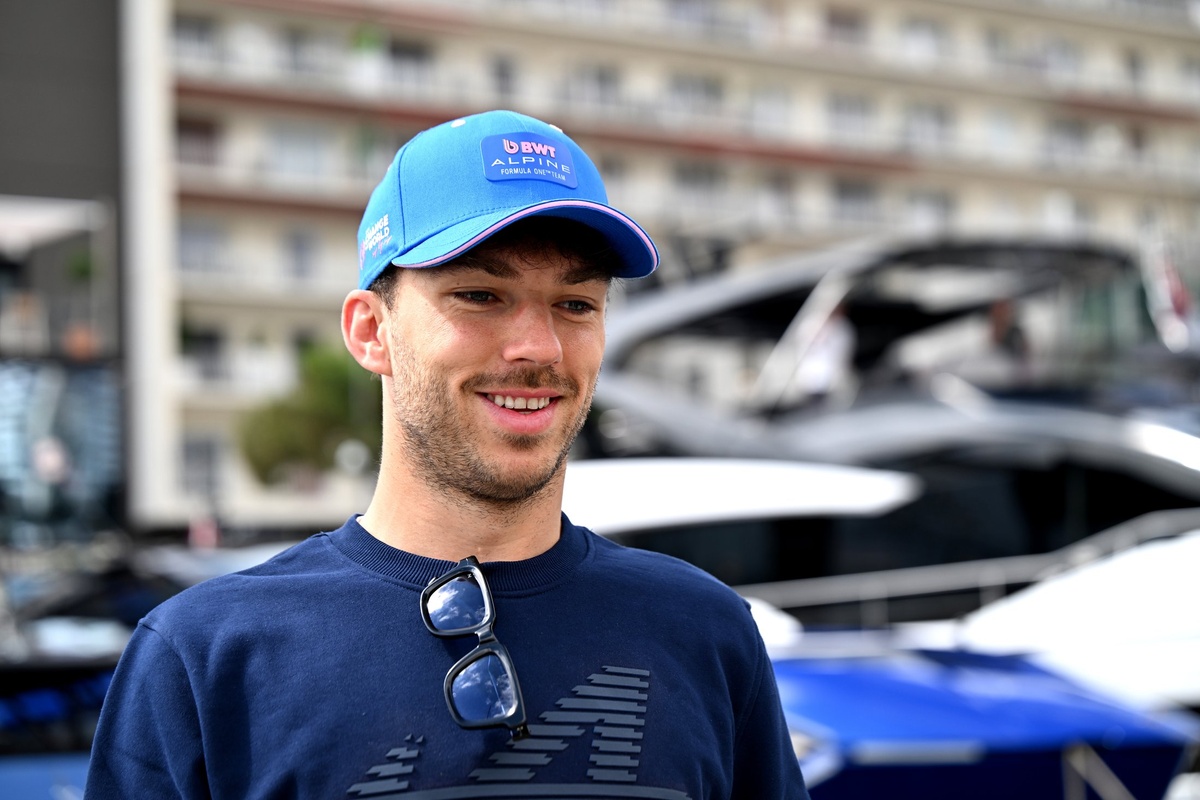
Pierre Gasly, Alpine
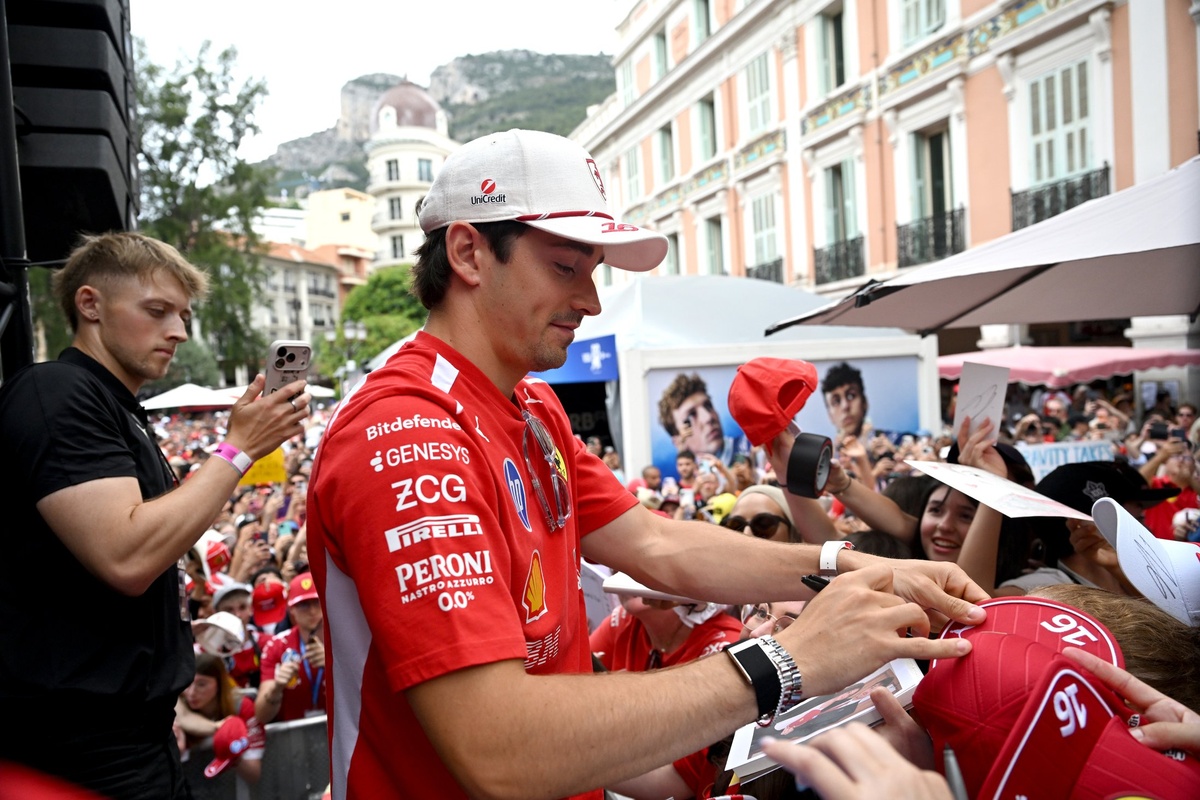
Charles Leclerc, Ferrari
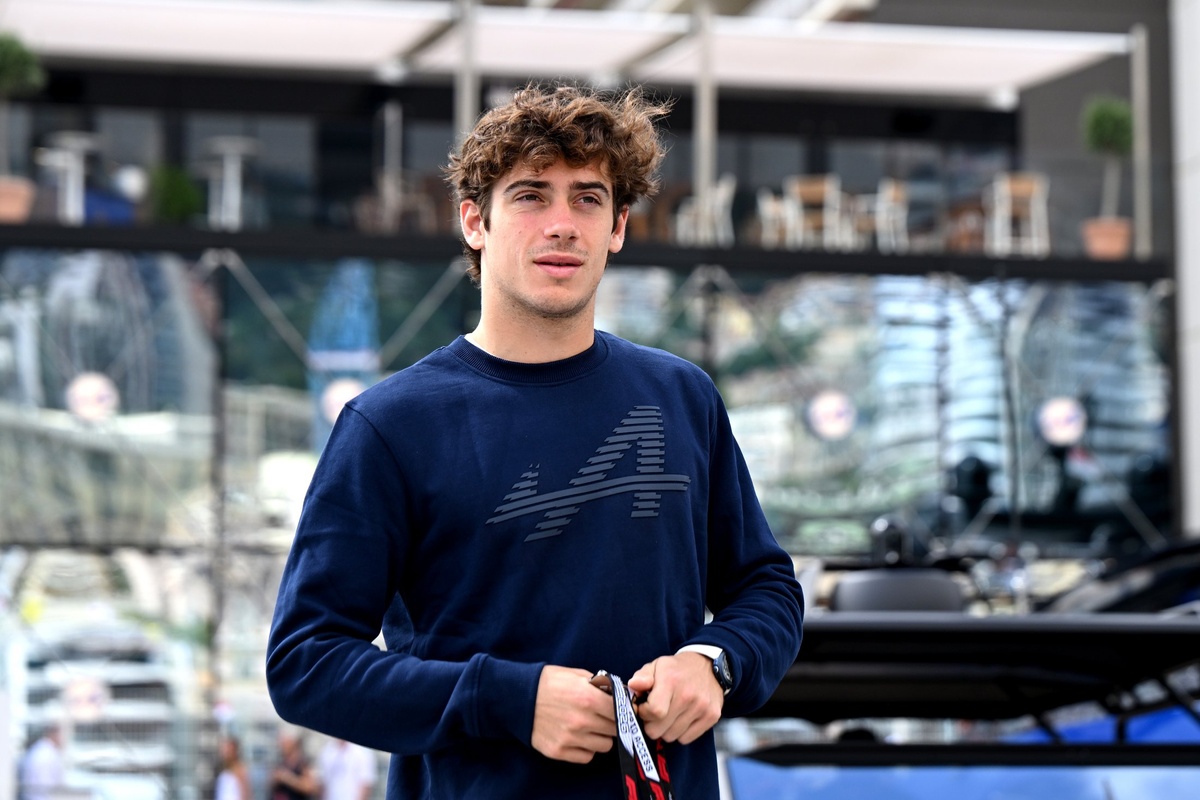
Franco Colapinto, Alpine
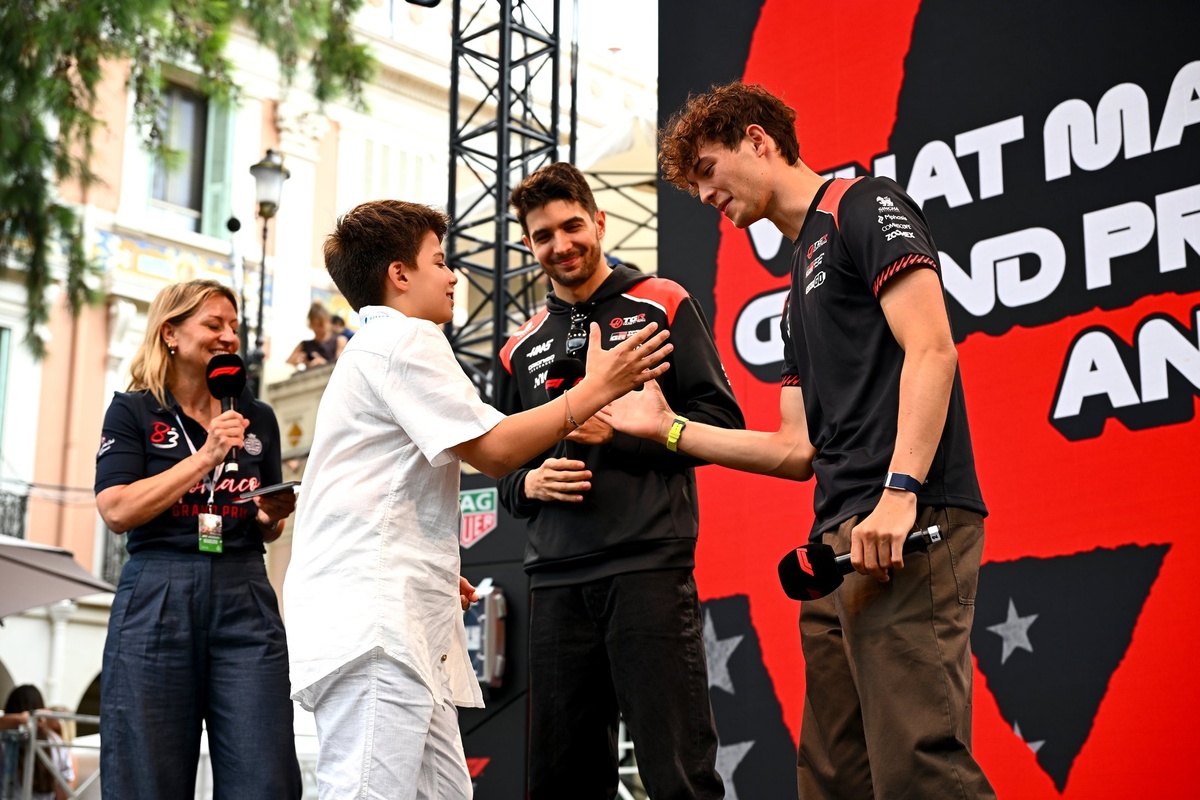
Oliver Bearman, Haas F1 Team, Esteban Ocon, Haas F1 Team
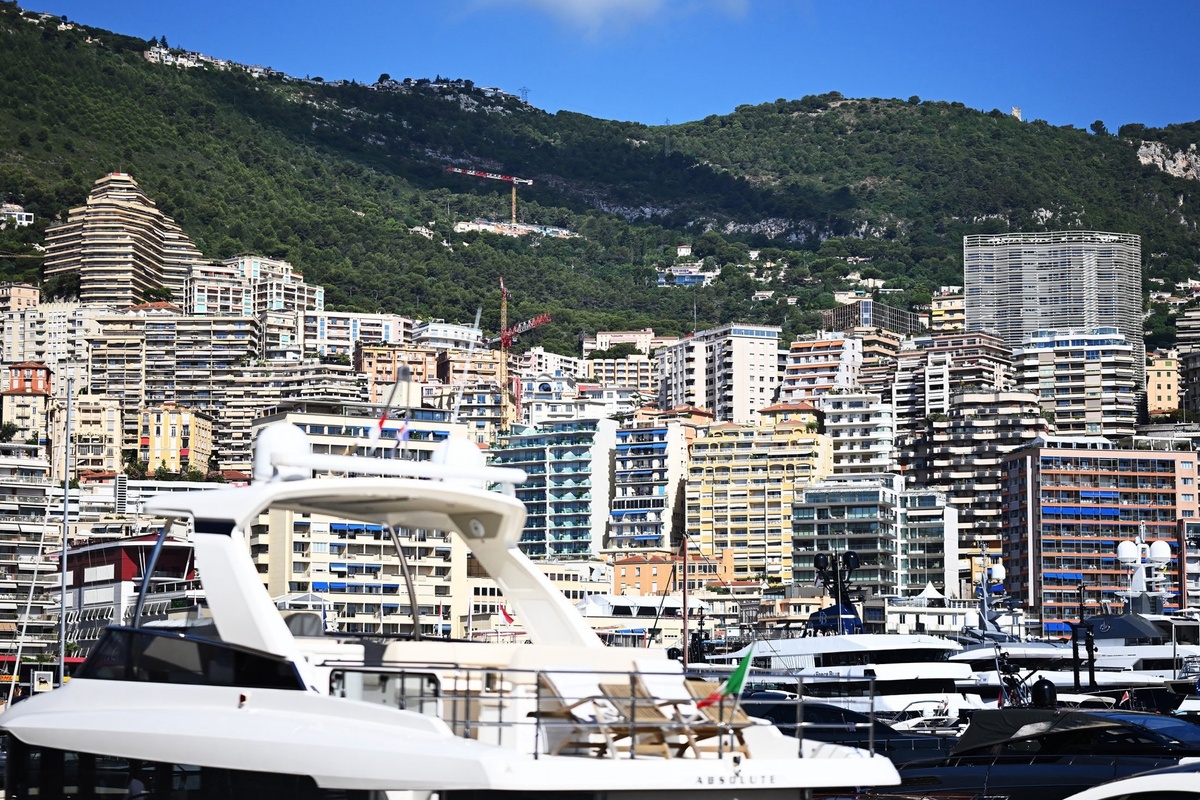
A general view of the city from the harbour.
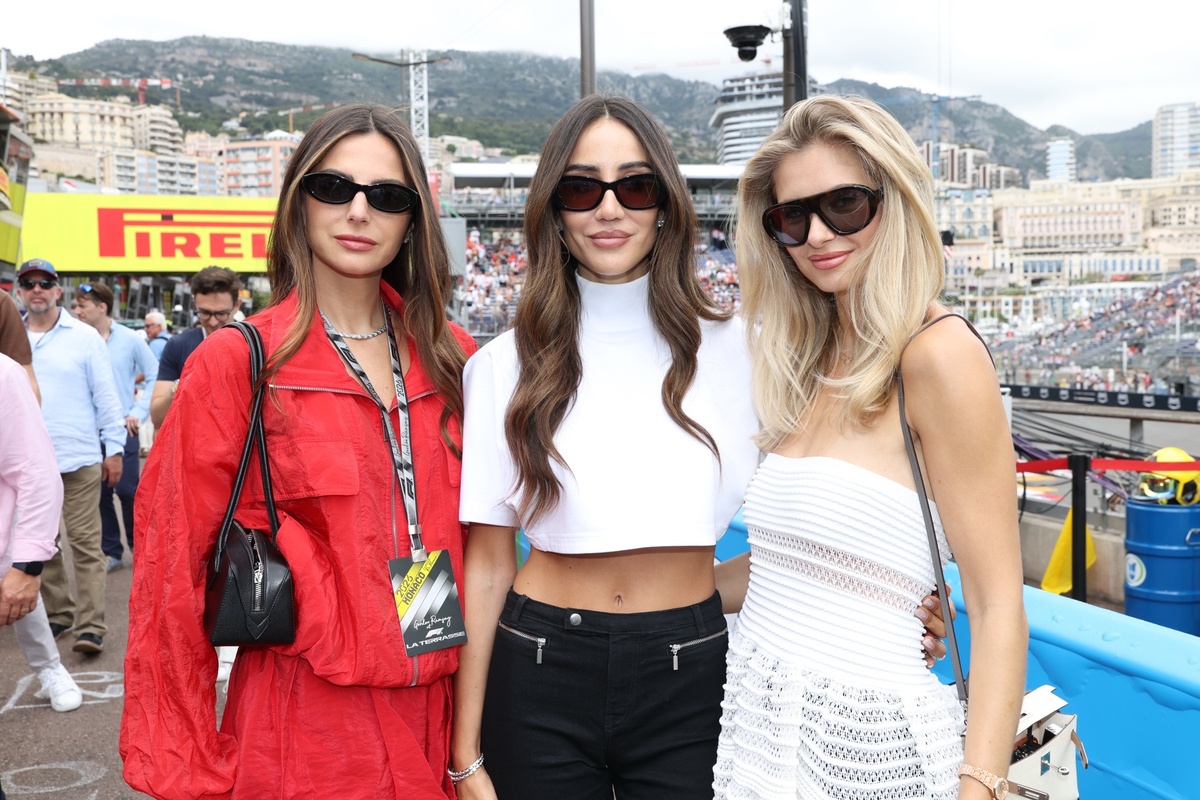
Tamara Kalinic and Xenia Adonts
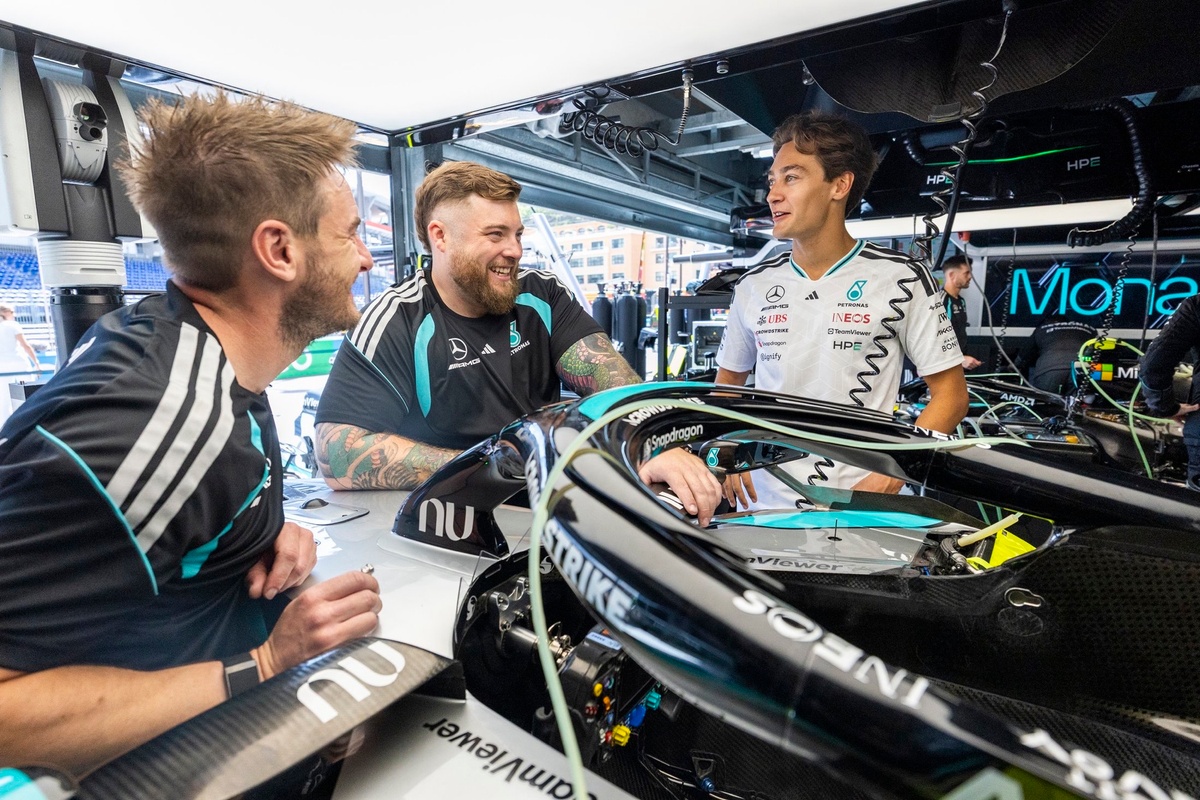
George Russell, Mercedes
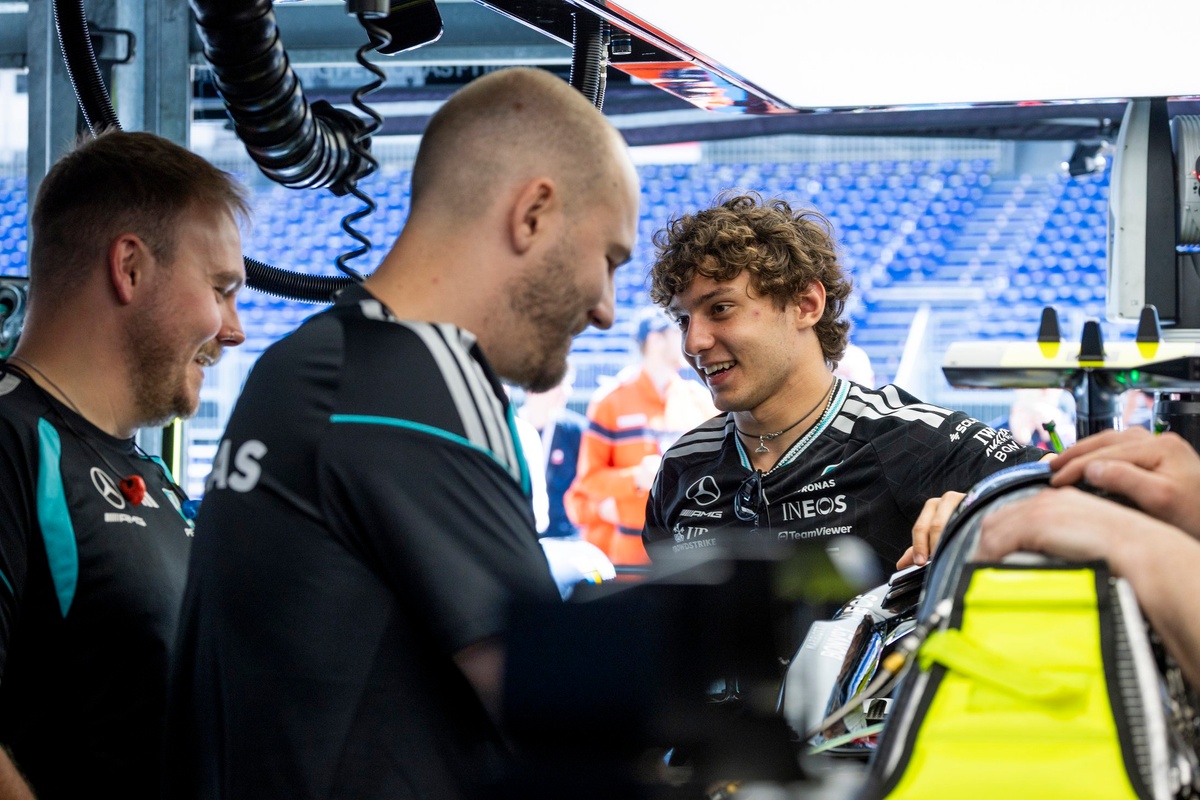
Andrea Kimi Antonelli, Mercedes

Morgan Gibbs-White
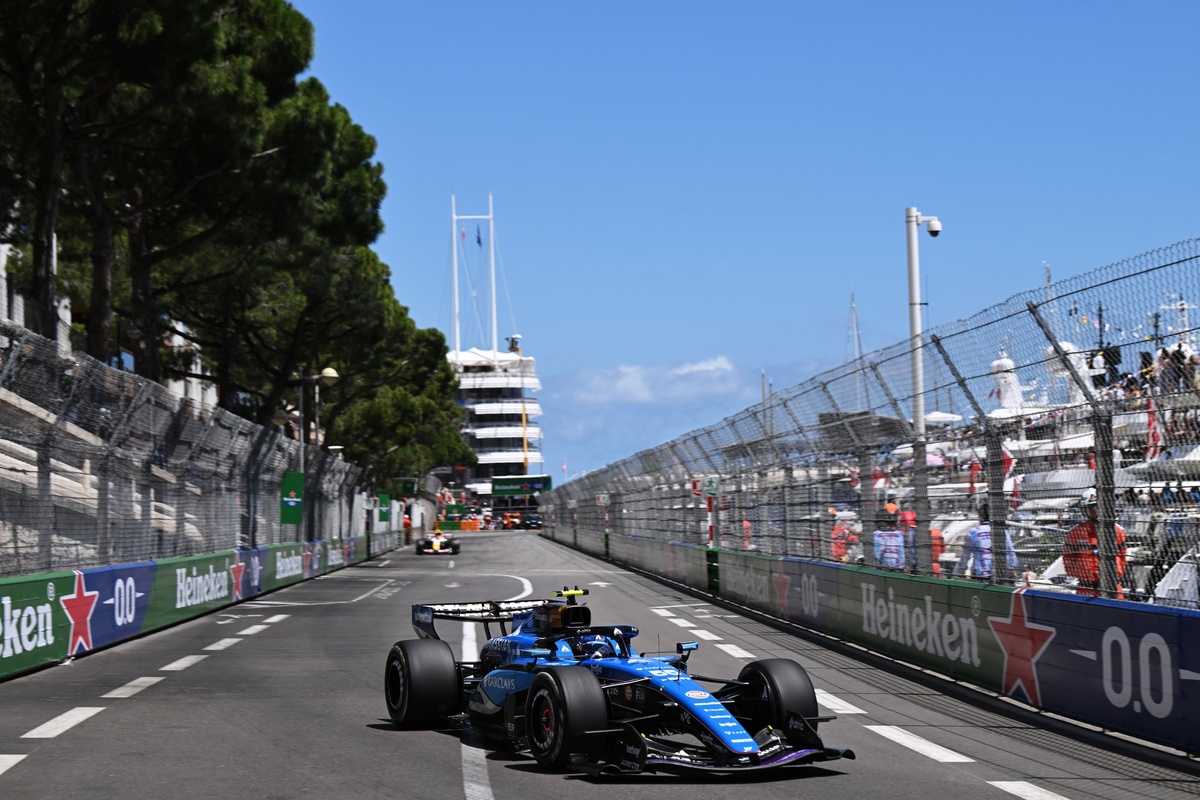
Carlos Sainz, Williams
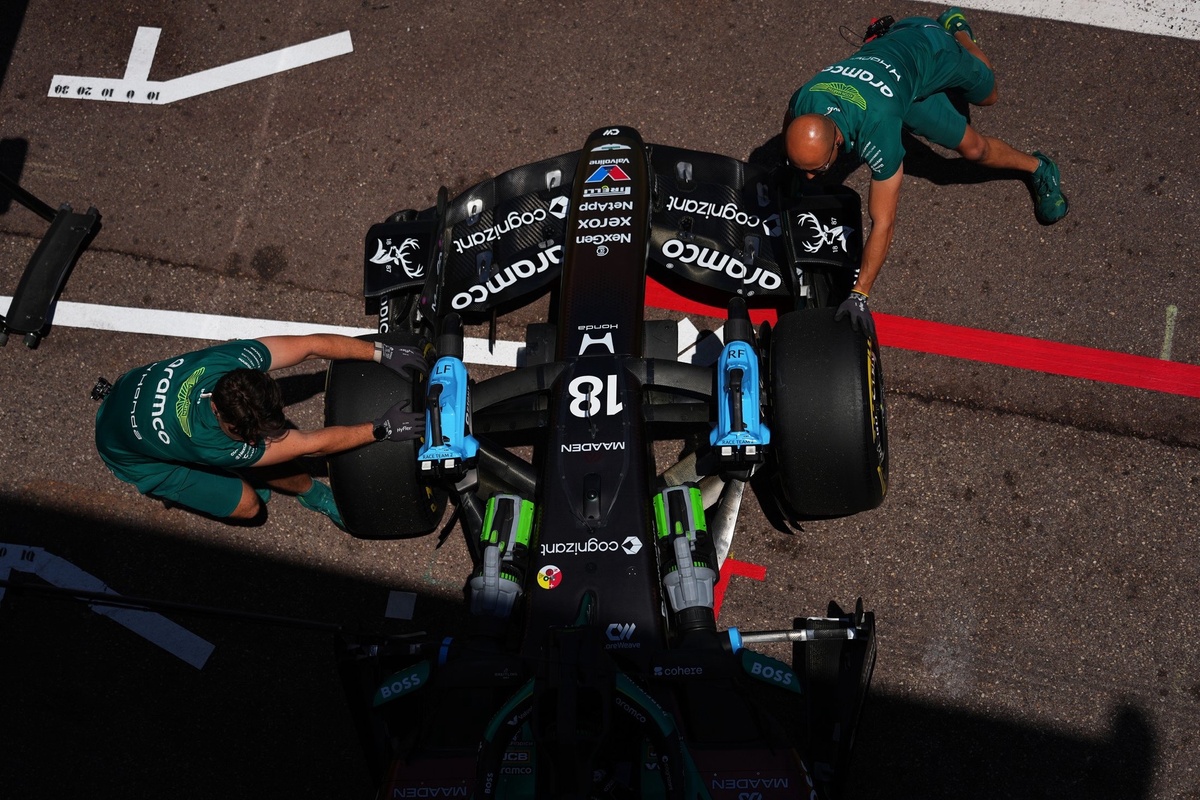
Lance Stroll, Aston Martin Racing
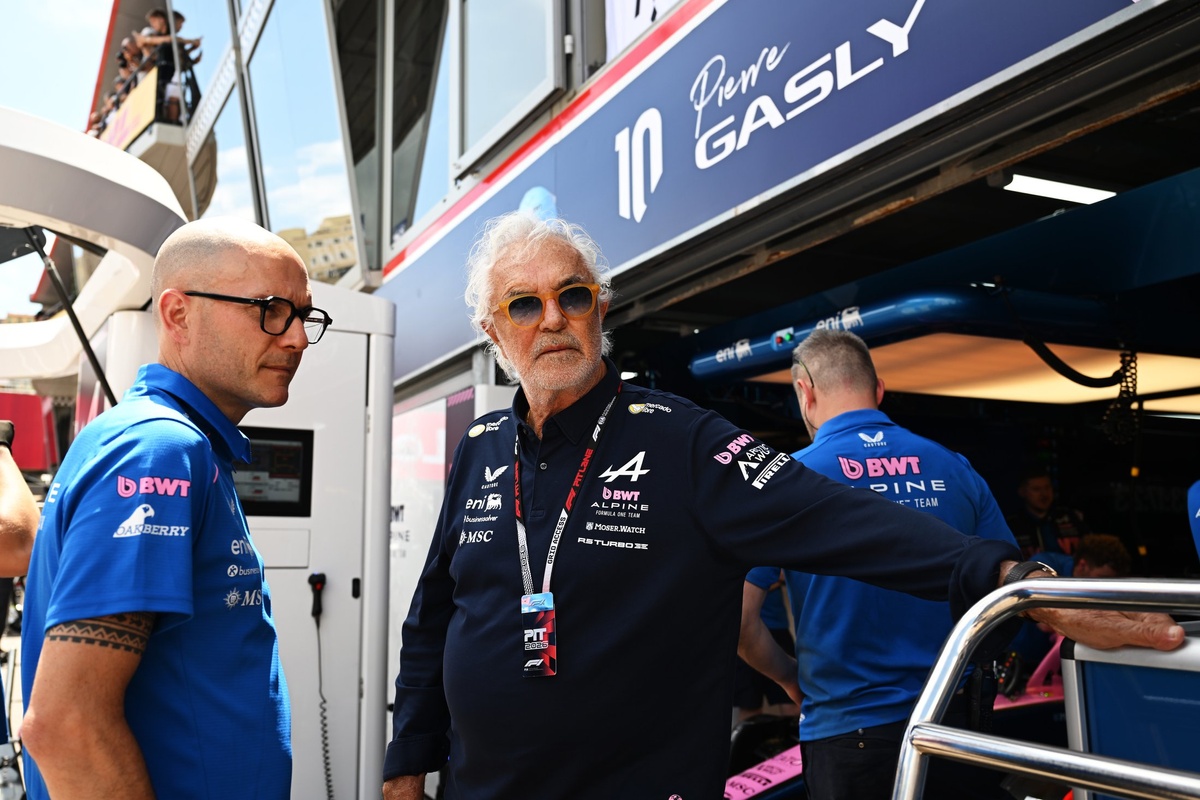
Flavio Briatore, Alpine
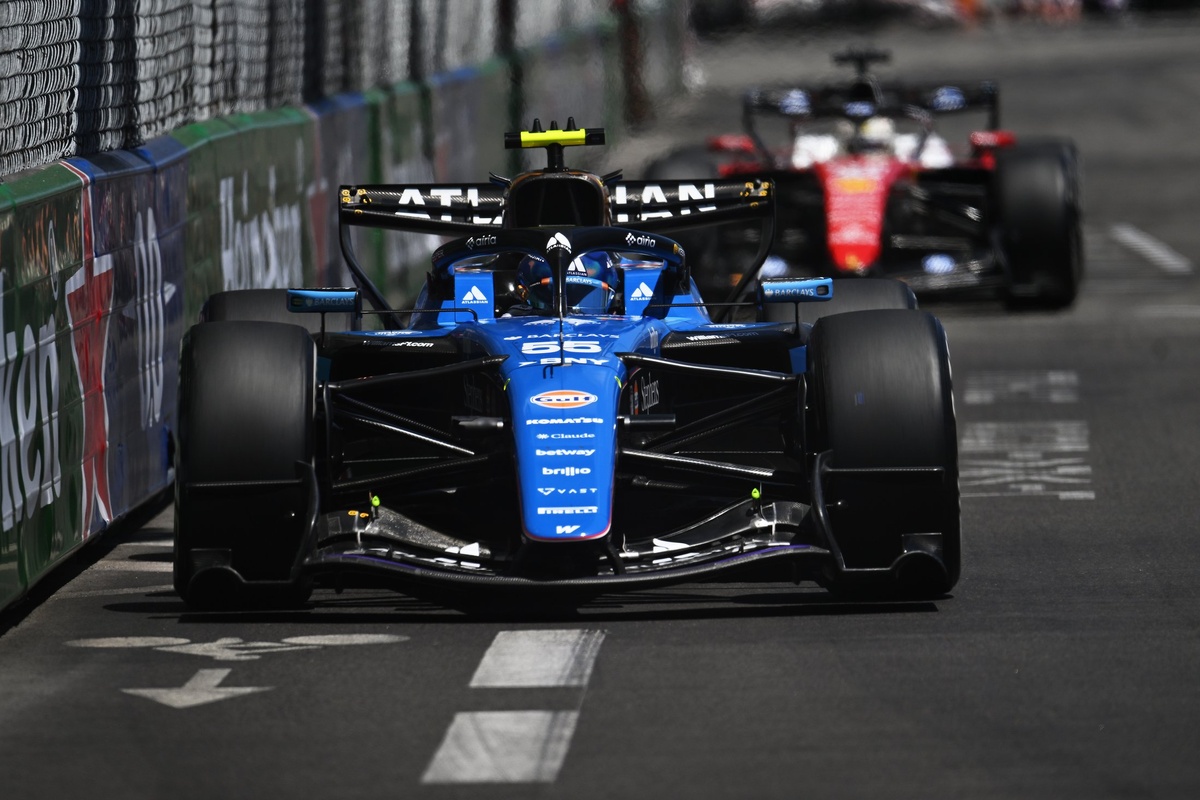
Carlos Sainz, Williams
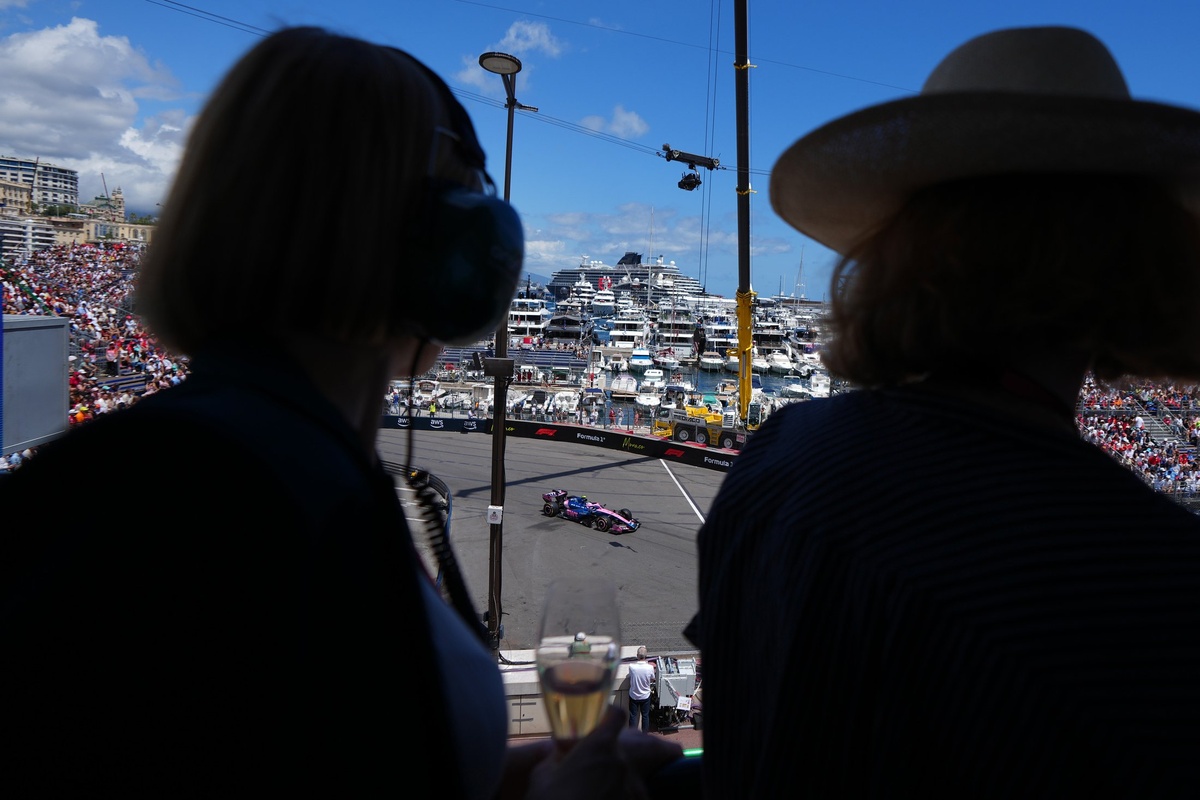
Franco Colapinto, Alpine
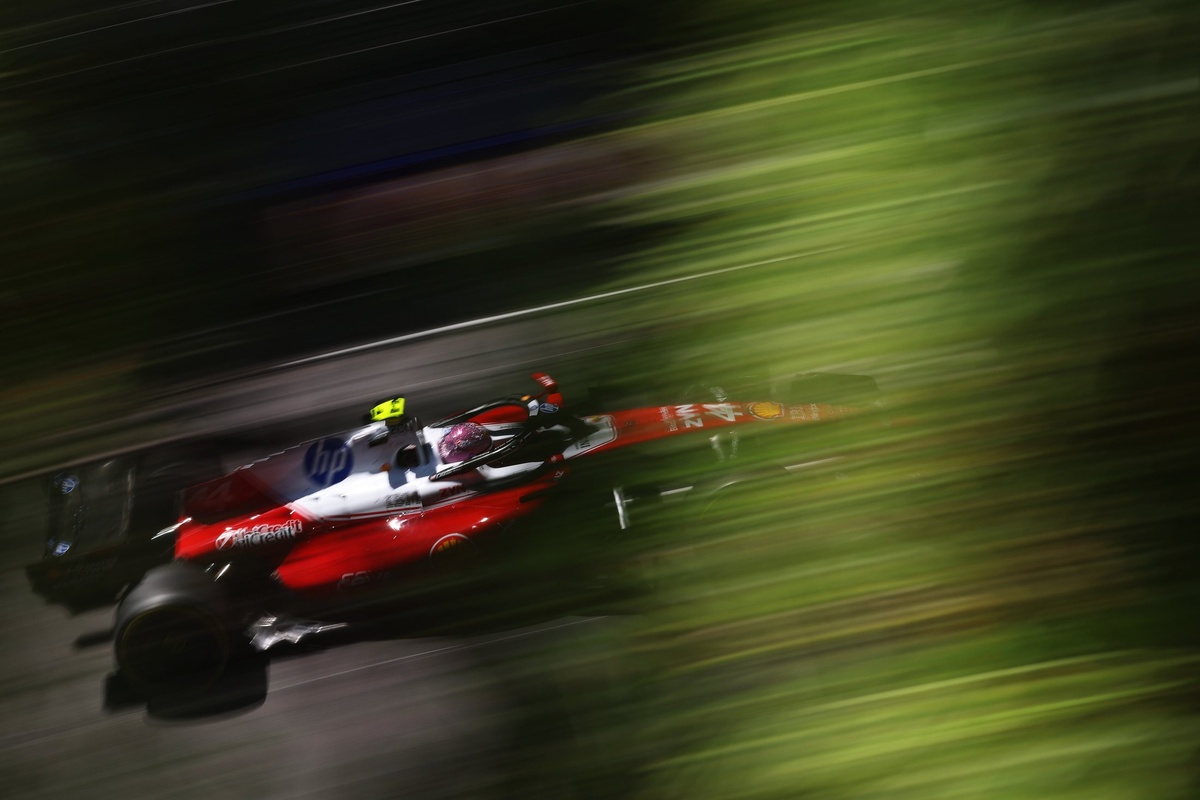
Lewis Hamilton, Ferrari
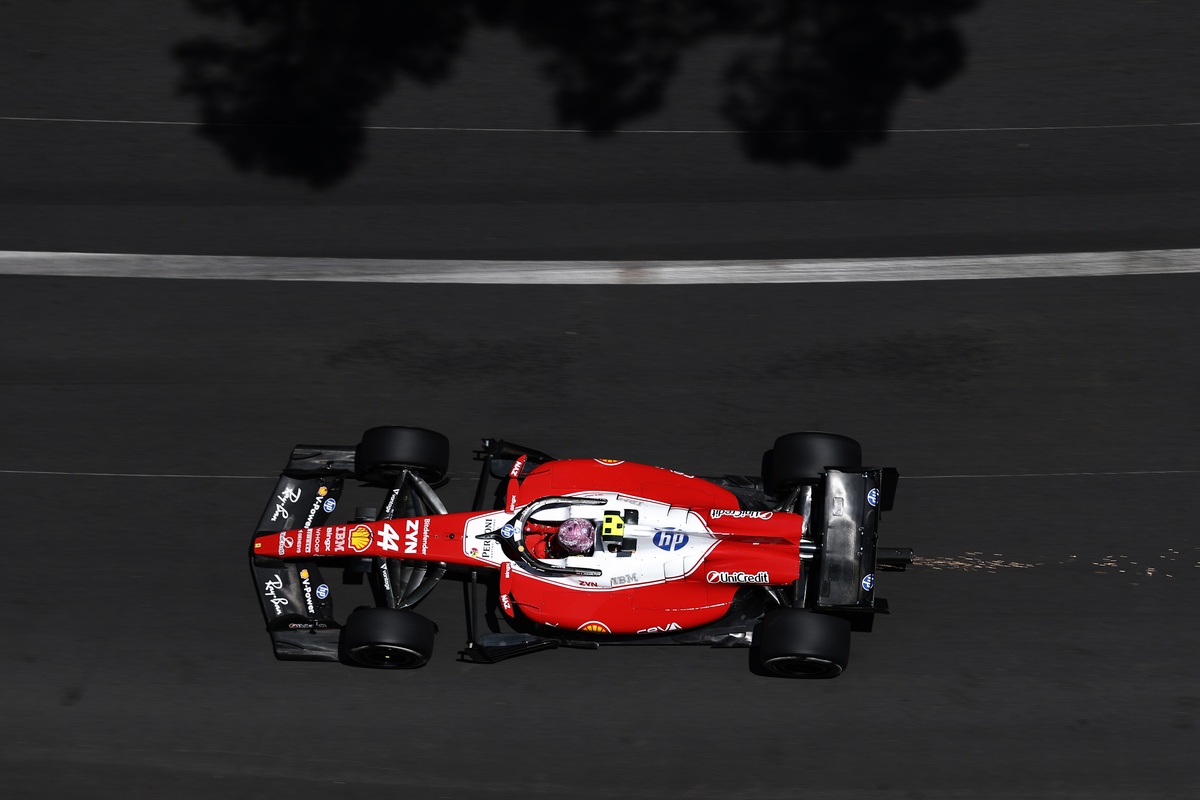
Lewis Hamilton, Ferrari
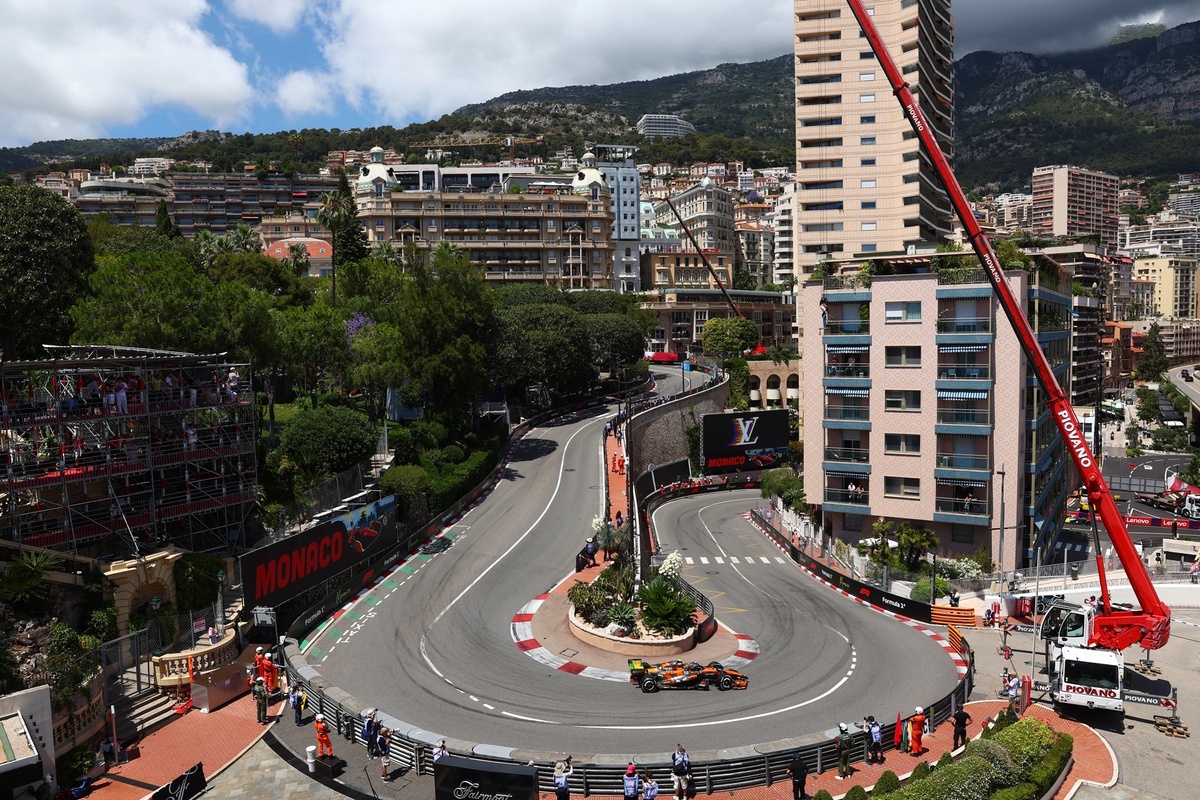
Lando Norris, McLaren
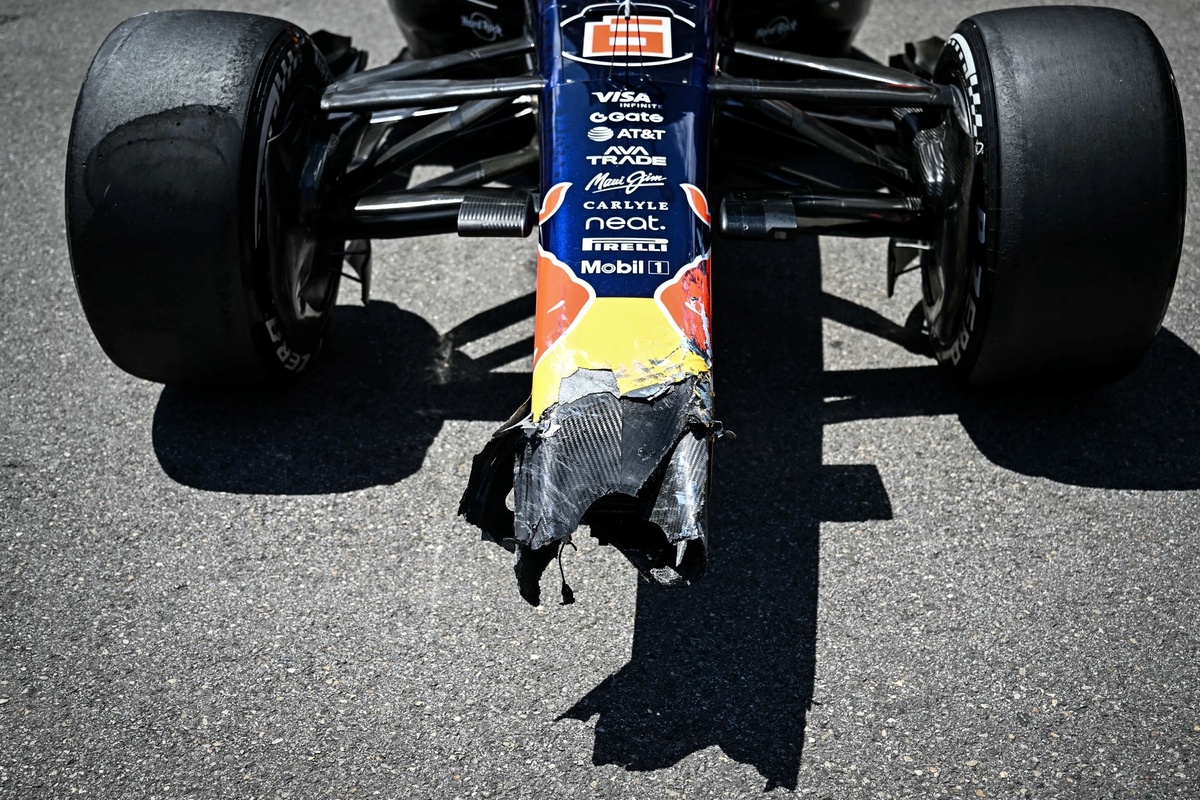
Isack Hadjar, Red Bull Racing crash
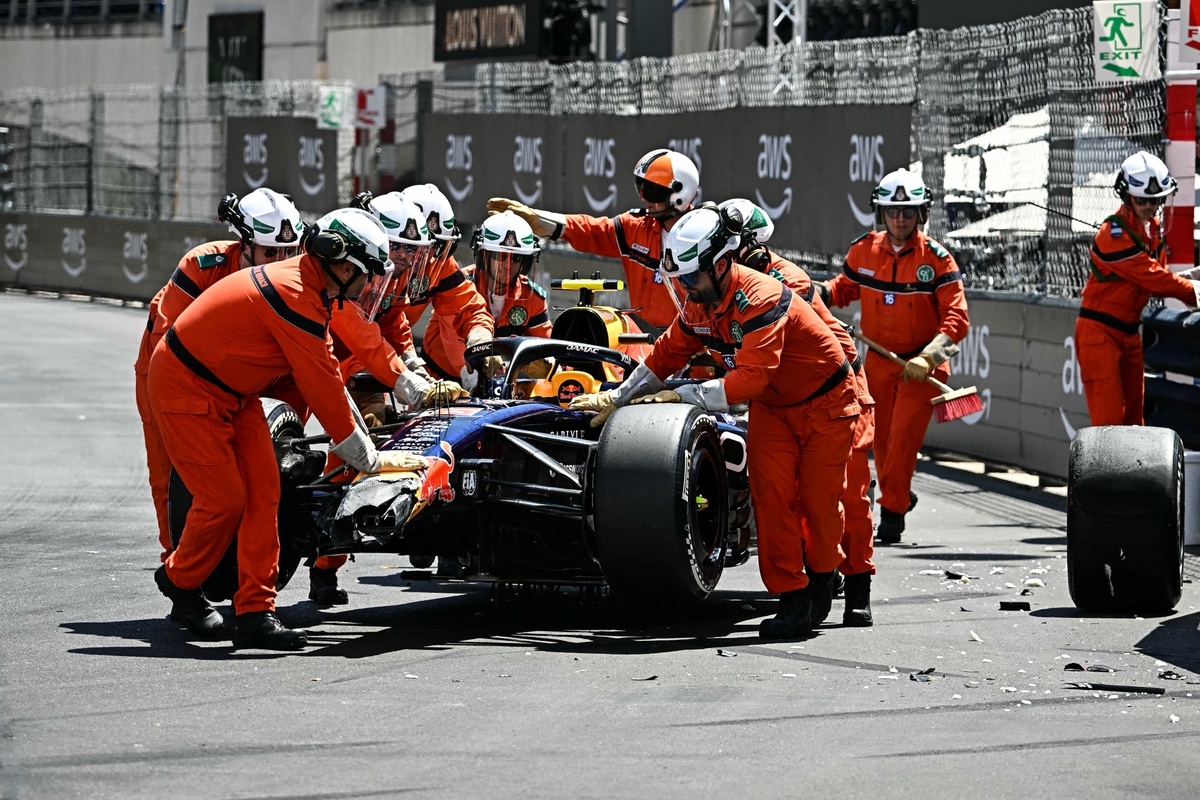
Isack Hadjar, Red Bull Racing crash
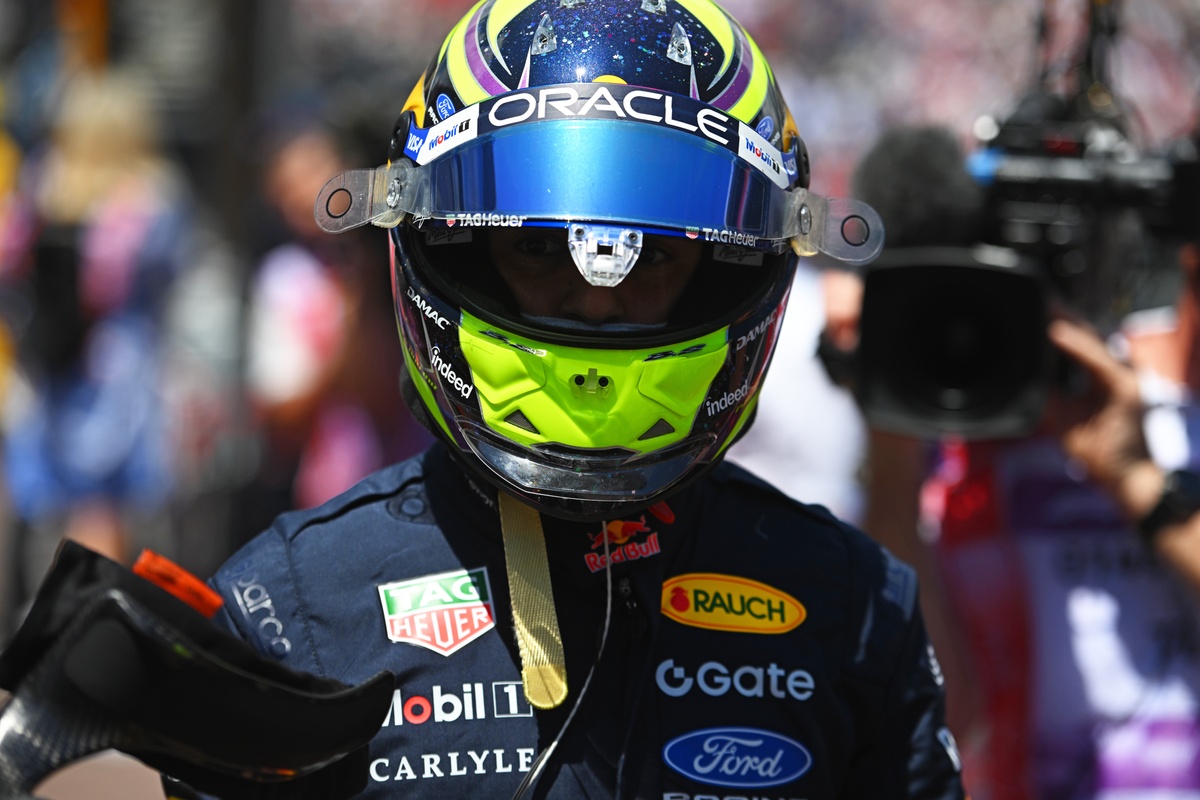
Isack Hadjar, Red Bull Racing
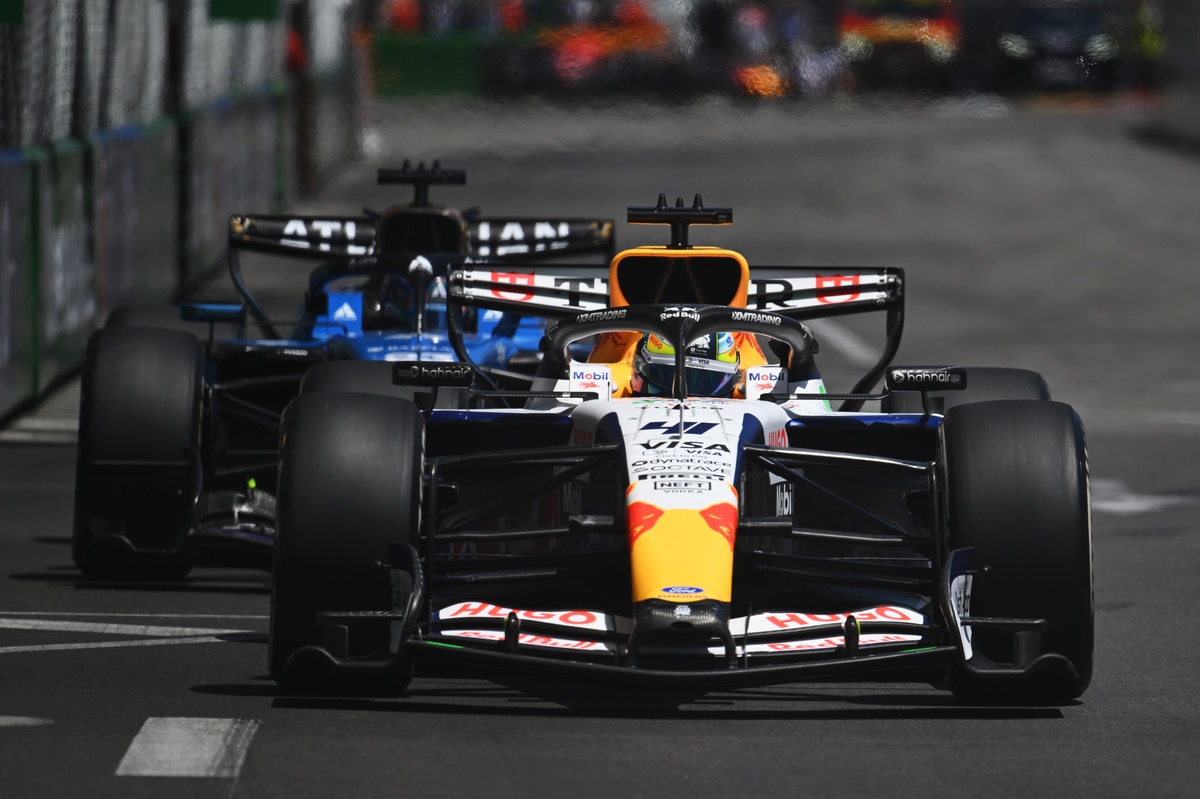
Alexander Albon, Williams, Arvid Lindblad, Racing Bulls
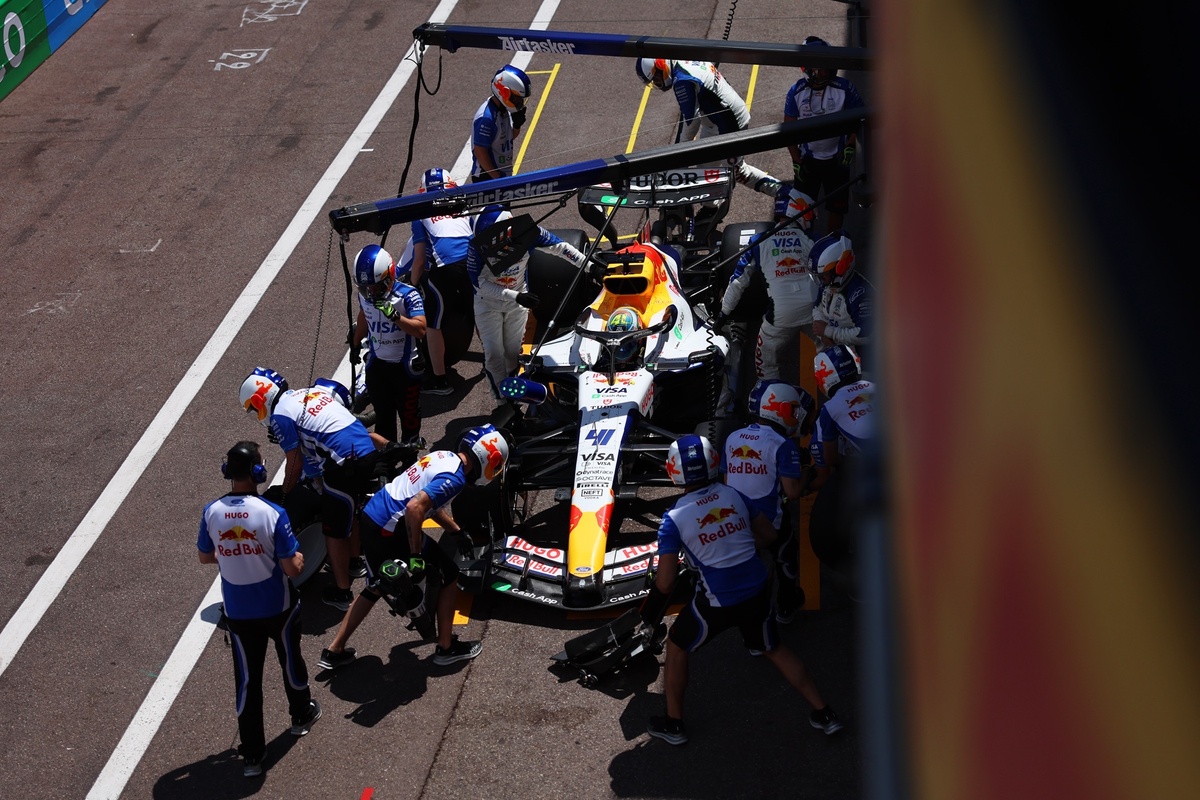
Arvid Lindblad, Racing Bulls
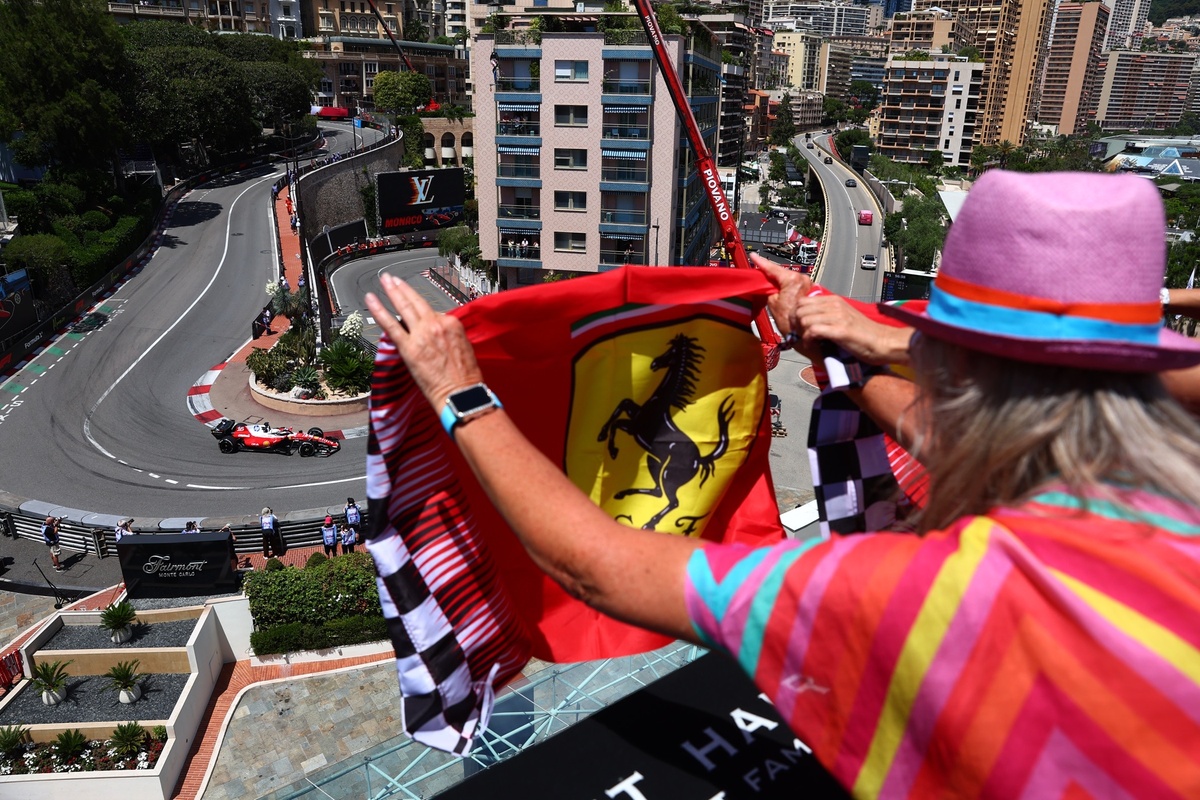
Charles Leclerc, Ferrari
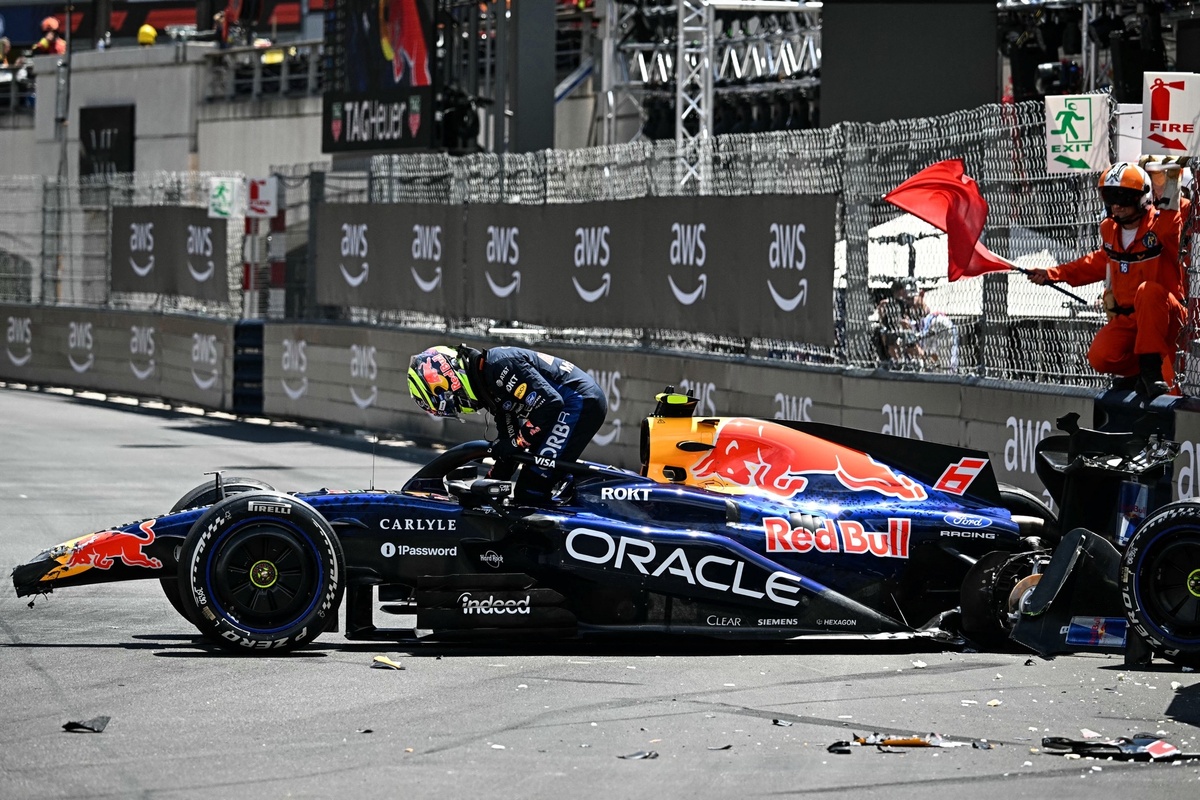
Isack Hadjar, Red Bull Racing crash
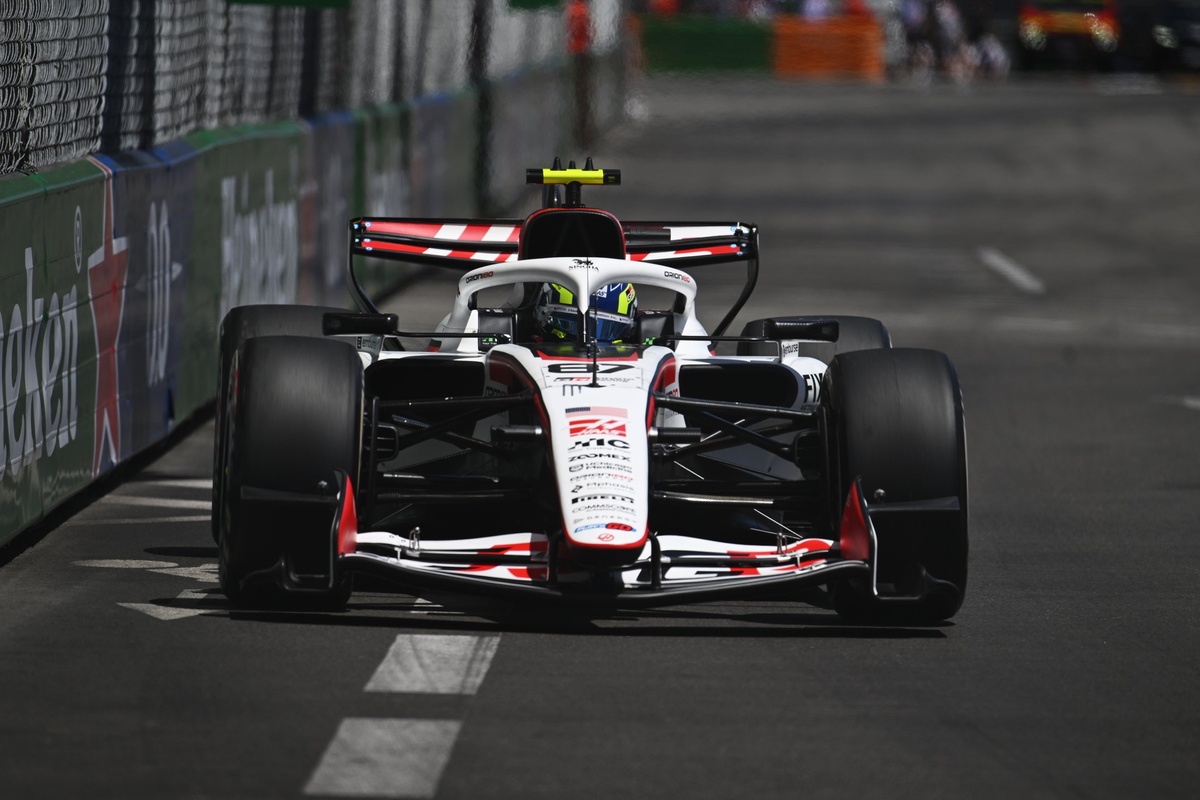
Oliver Bearman, Haas F1 Team
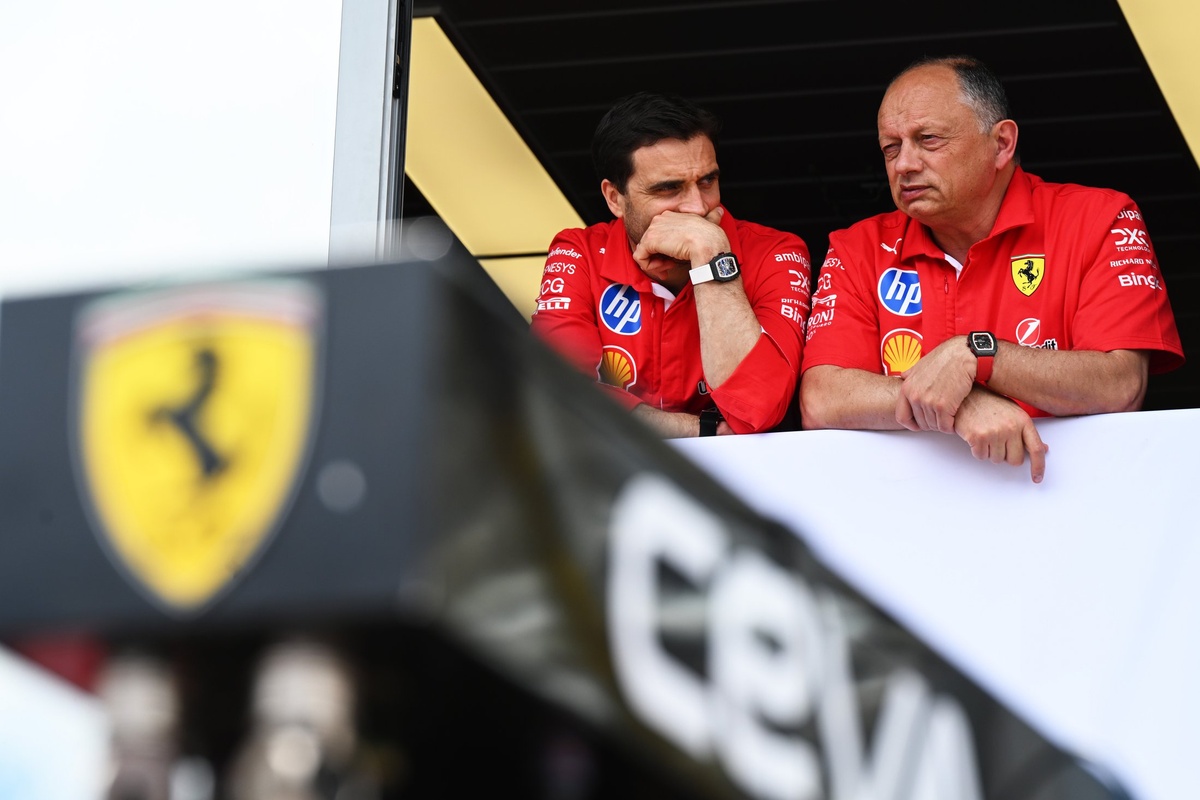
Frederic Vasseur, Ferrari
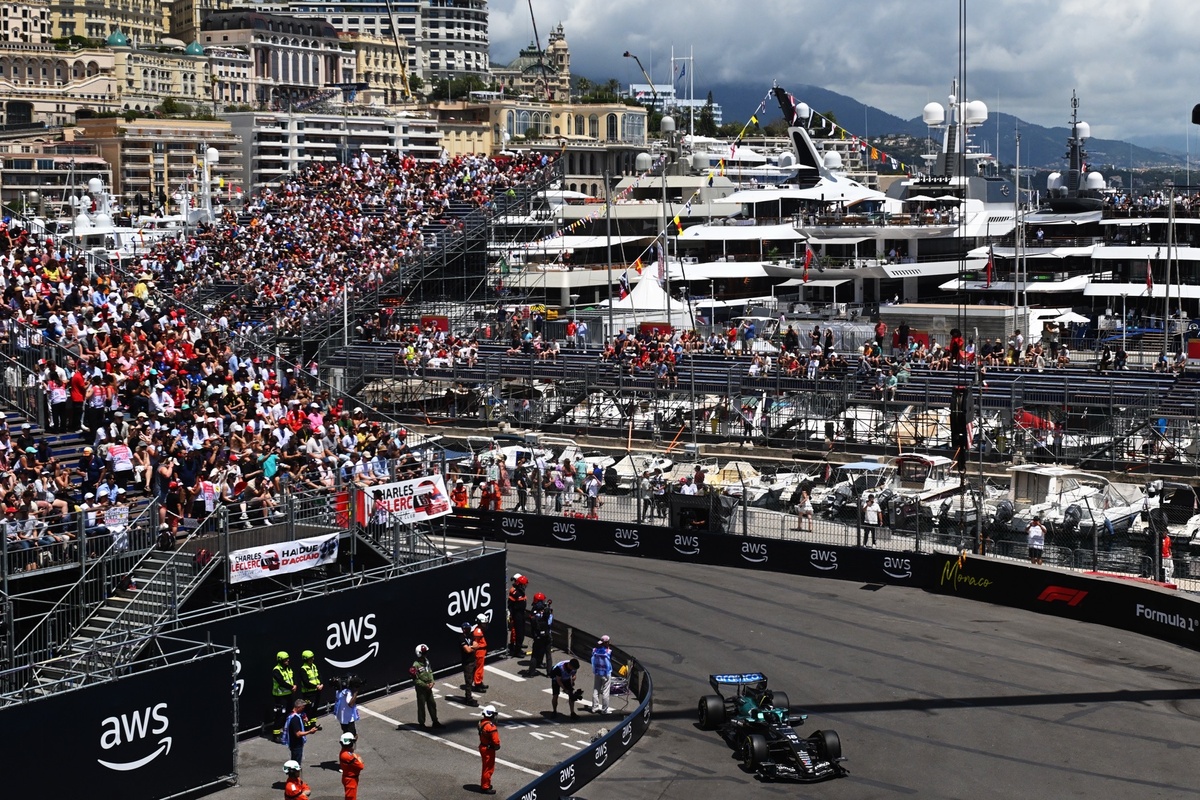
Lance Stroll, Aston Martin Racing
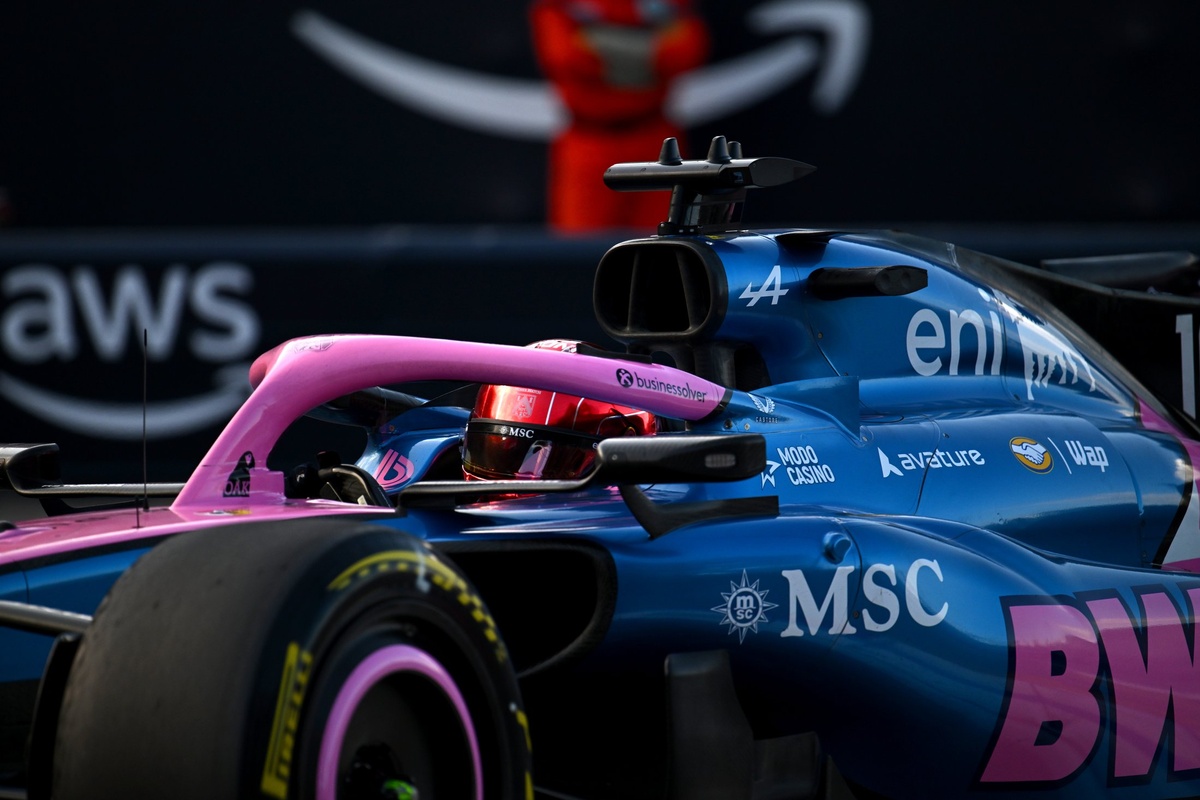
Pierre Gasly, Alpine
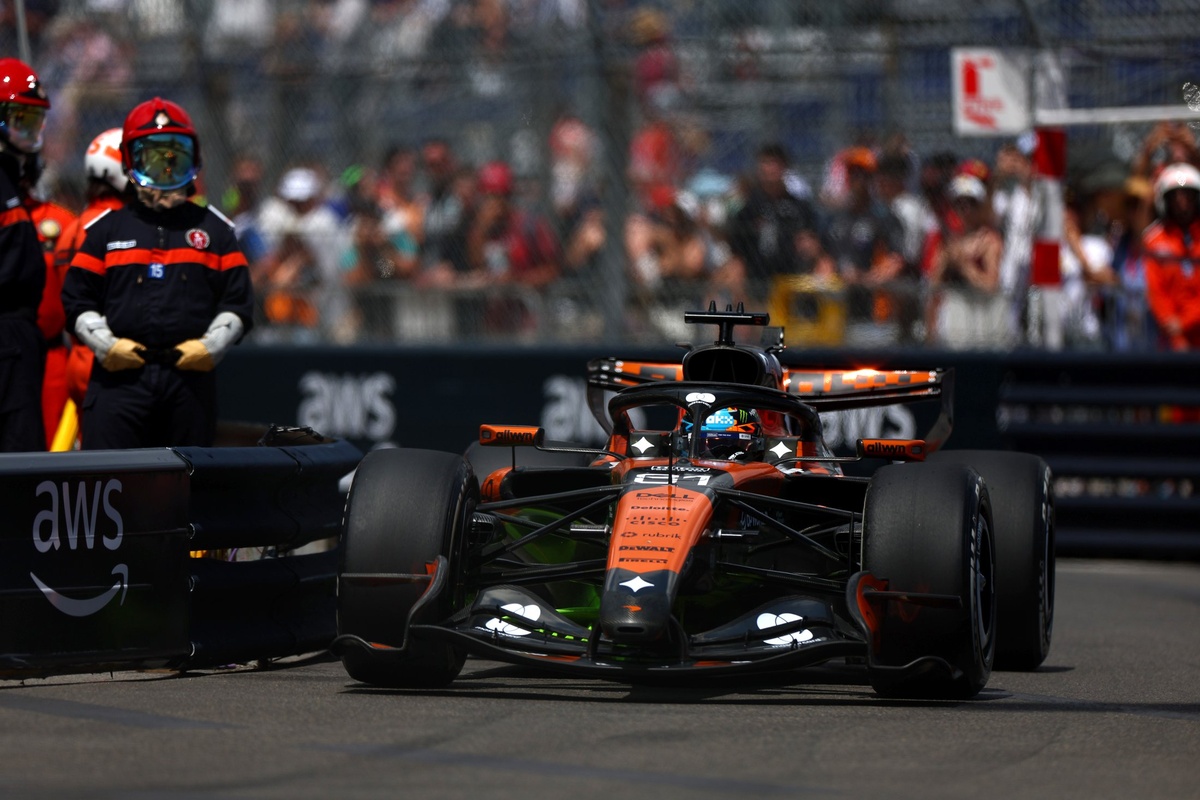
Oscar Piastri, McLaren
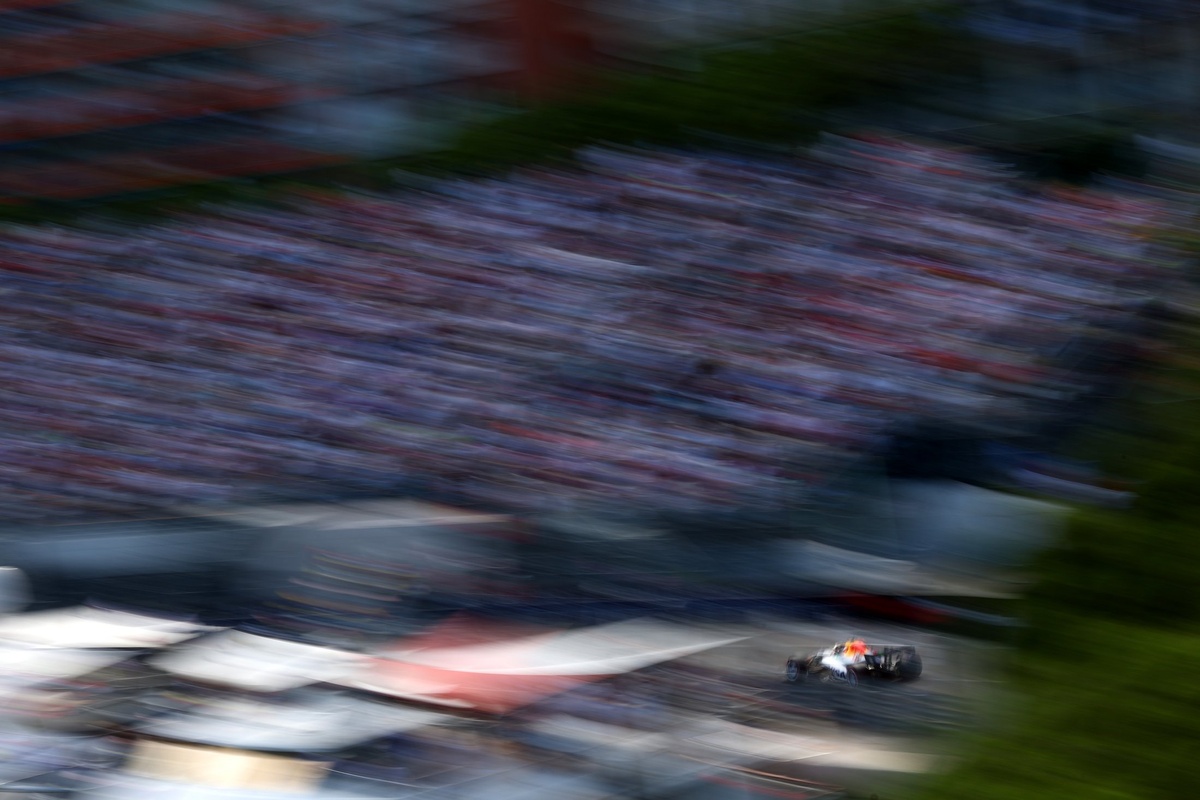
Arvid Lindblad, Racing Bulls
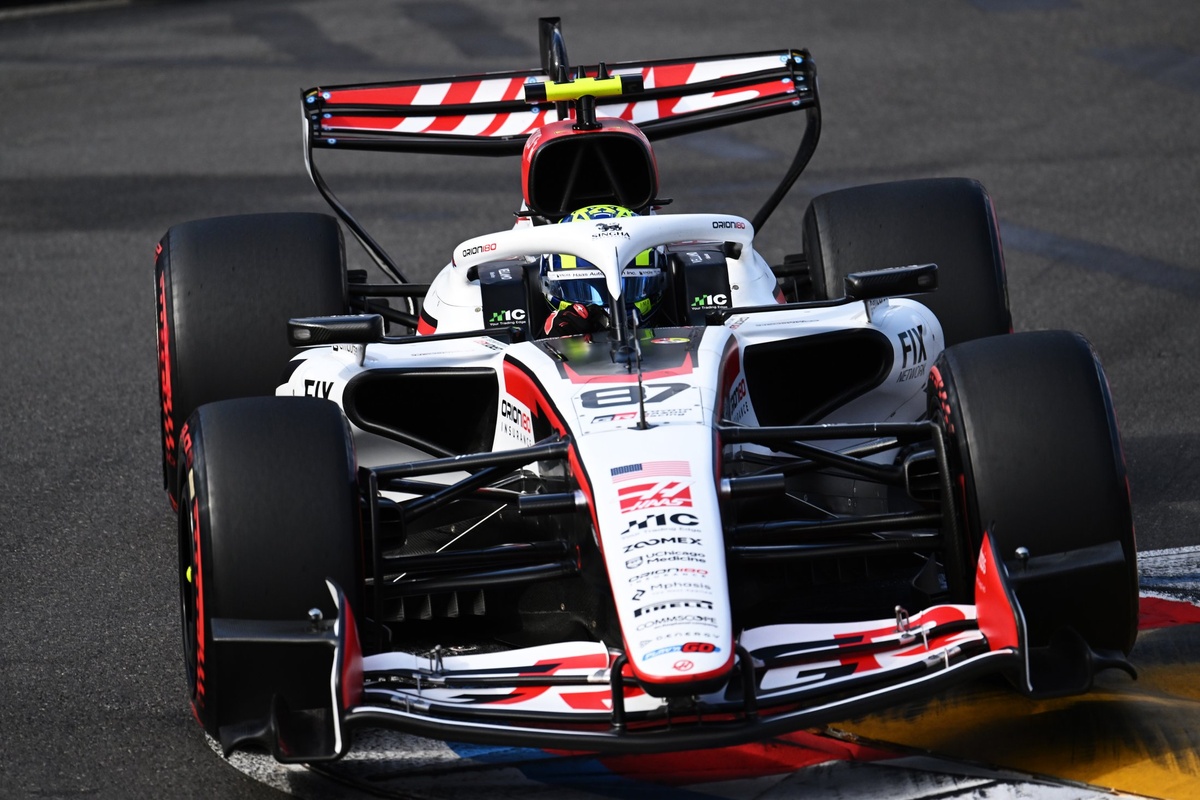
Oliver Bearman, Haas F1 Team
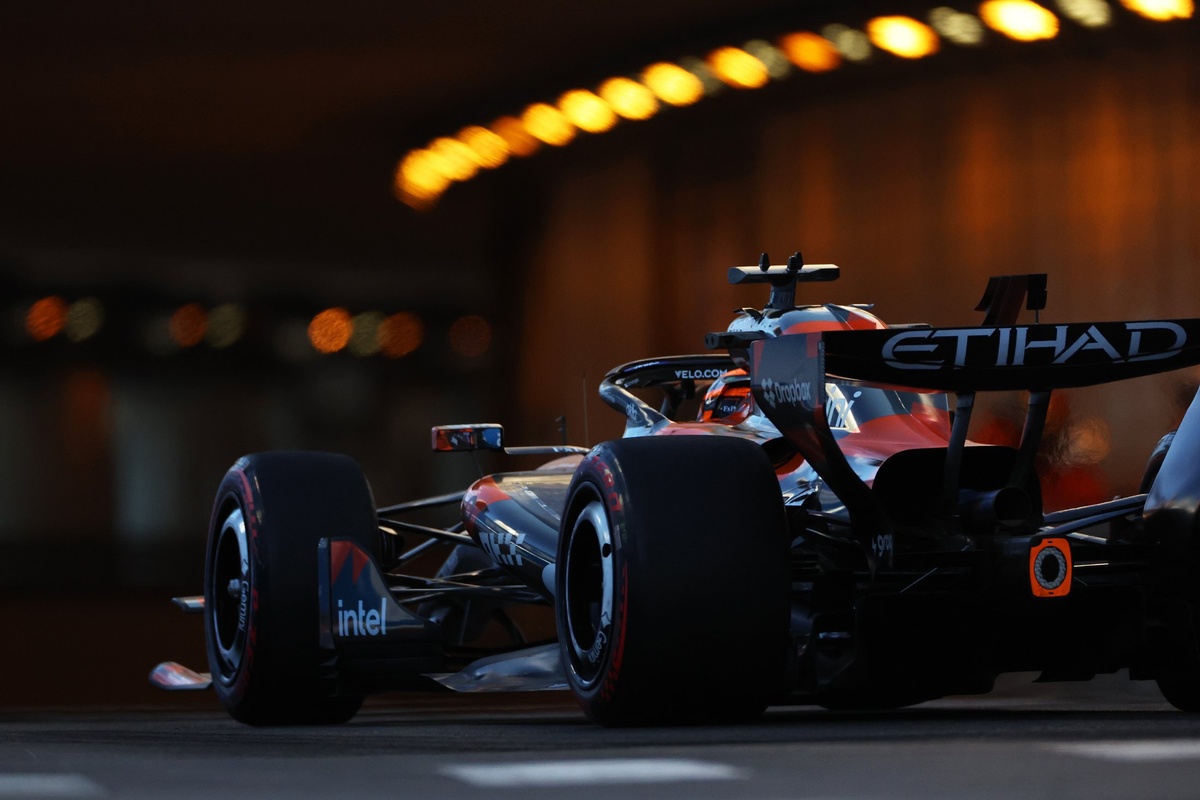
Oscar Piastri, McLaren
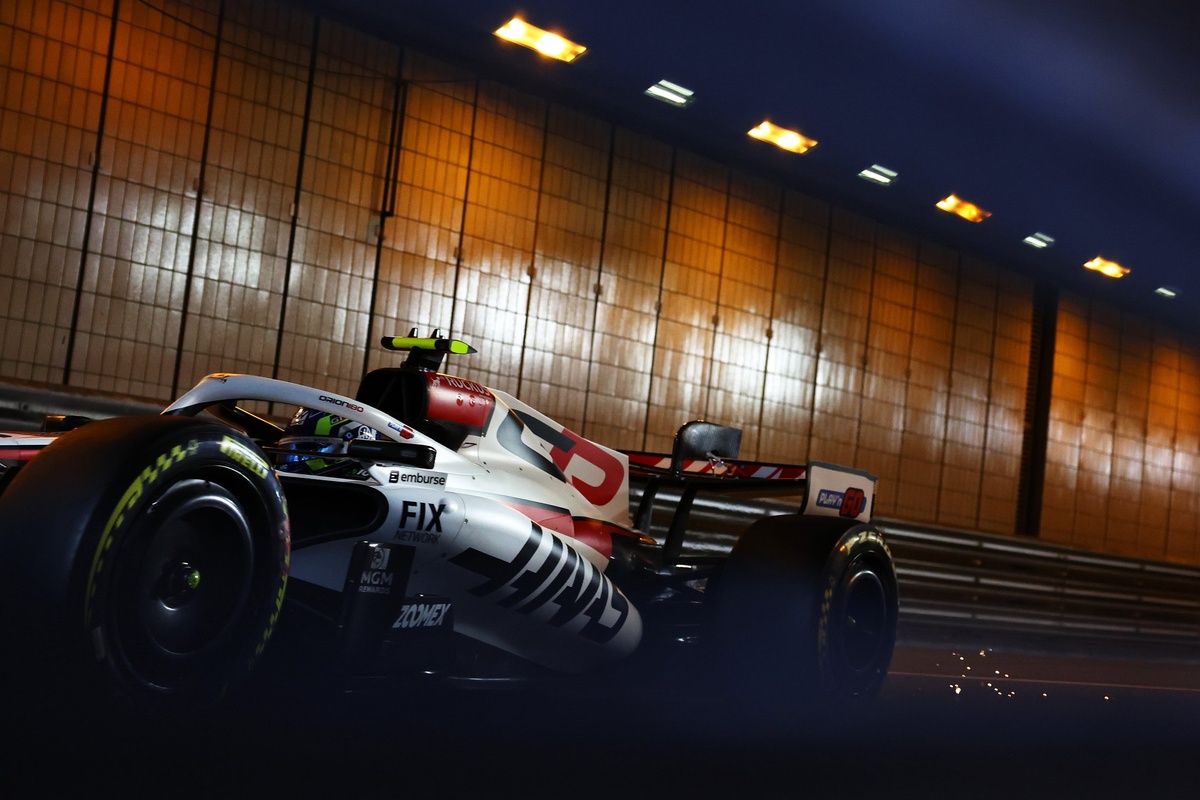
Oliver Bearman, Haas F1 Team
Read Also:
Formula 1
Formula 1
Formula 1