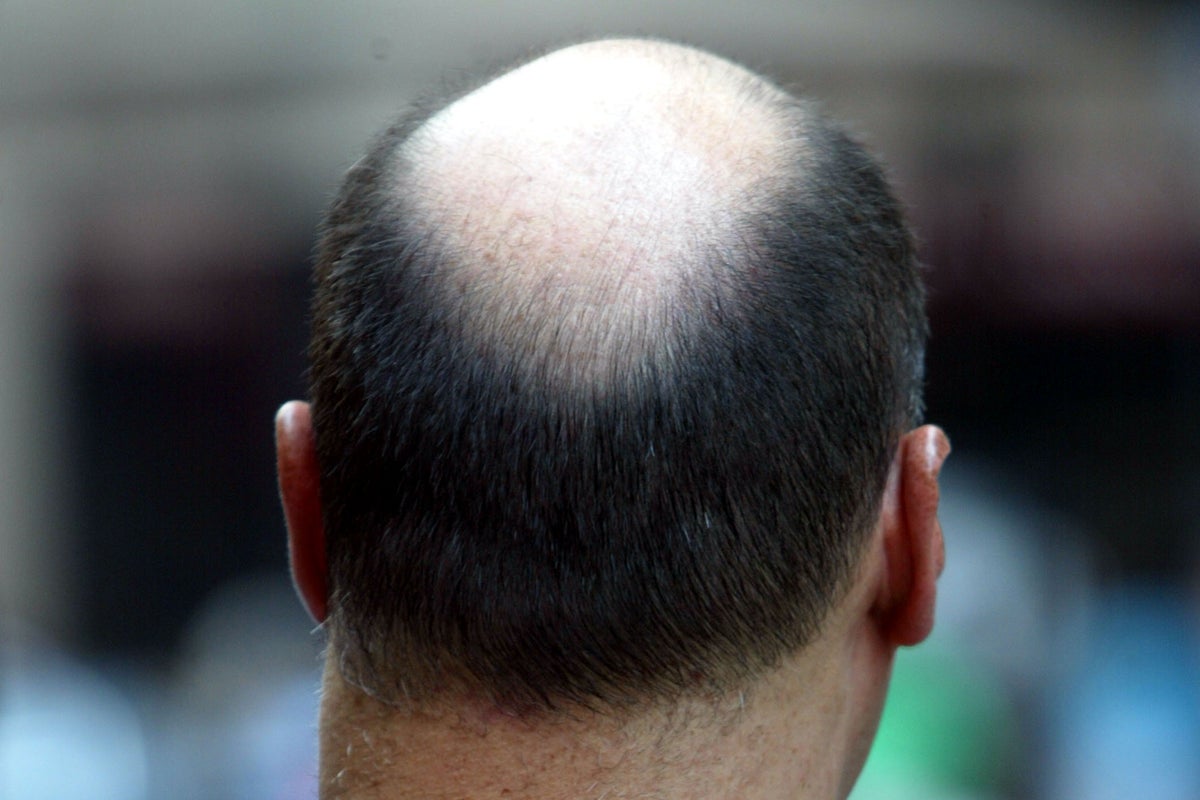
A plant root that has been used for centuries in traditional Chinese medicine might offer a new solution for male pattern baldness, according to a recent study. Androgenetic alopecia, commonly known as male pattern baldness, is the most prevalent form of hair loss, affecting millions of men globally. The condition typically progresses over time as hair follicles gradually shrink, leading to thinner and shorter hair, and eventually, halted growth.
Current treatments such as finasteride and minoxidil can be effective, but they may not suit everyone due to potential side effects like sexual dysfunction or scalp irritation. A new study suggests that a root traditionally used in Chinese medicine could provide an alternative treatment option for this widespread issue.
“Our analysis connects ancient knowledge with modern science,” said Han Bixian, an author of the study published in the Journal of Holistic Integrative Pharmacy.
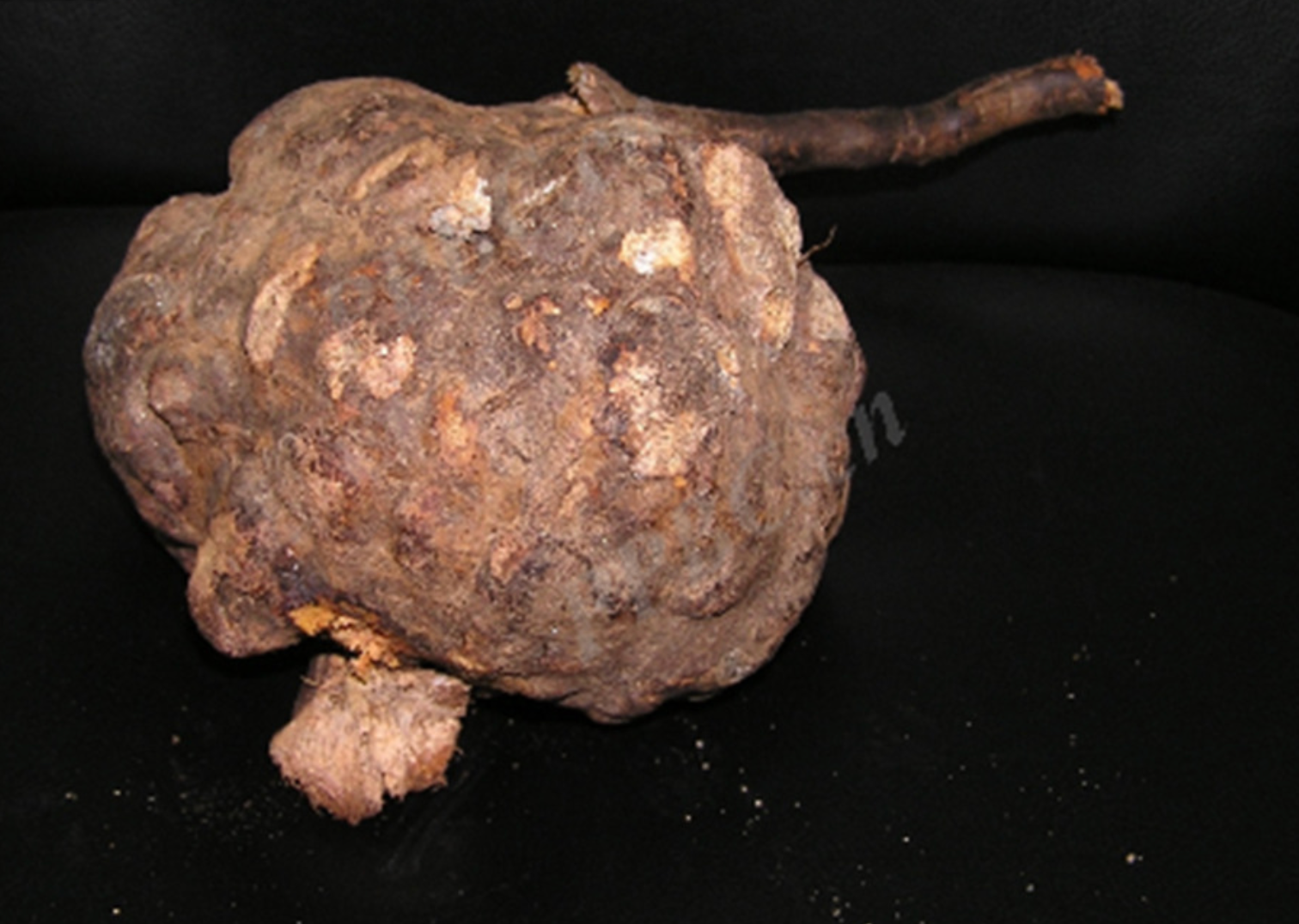
The herb Polygonum multiflorum, known in China as He Shou Wu, has been used for over 1,000 years and is traditionally associated with “blackening hair and nourishing essence.” However, the precise biological mechanisms by which it promotes hair growth have remained unclear until now.
Researchers believe that Polygonum multiflorum influences hair growth through multiple pathways involved in both hair loss and regrowth. In androgenetic alopecia, a hormone called dihydrotestosterone causes hair follicles to shrink, making it difficult for them to produce strong, healthy hair.
The latest review suggests that Polygonum multiflorum could help reduce the impact of this hormone, protecting follicles from one of the main causes of pattern hair loss. The herb may also prevent follicle cells from dying prematurely and improve blood flow to the scalp, which is crucial for maintaining active, healthy follicles.
Additionally, the herb activates key biological signals that are involved in tissue regeneration and cell communication. When these signals are stronger, hair follicles are more likely to re-enter the growth phase.
“What surprised us was how consistently historical texts—from the Tang Dynasty onward—described effects that align perfectly with today’s understanding of hair biology,” Dr. Bixian said. “Modern studies now confirm that this isn’t folklore; it’s pharmacology.”
In the study, scientists evaluated various sources of information about the plant, including laboratory research, clinical reports, and historical herbal records. The findings suggest that the herb not only slows hair loss but also creates conditions that support hair regrowth.
In contrast, many existing hair loss treatments are designed only to preserve existing hair. When properly processed—a critical step in traditional preparation—the herb shows a favorable safety profile, making it a more appealing option for patients concerned about the side effects of current medications.
Researchers hope that this study will guide the development of future hair regrowth therapies. The Independent is the world’s most free-thinking news brand, providing global news, commentary, and analysis for the independently-minded. We have grown a huge, global readership of independently minded individuals who value our trusted voice and commitment to positive change. Our mission, making change happen, has never been as important as it is today.