A Legacy of Courage and Hope
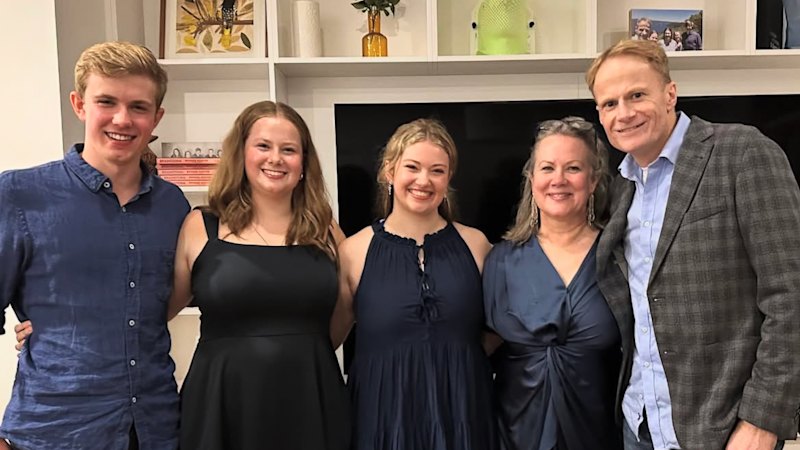
Professor Richard Scolyer, a former Australian of the Year, has passed away at the age of 59. His family confirmed his death in Sydney on Sunday, marking the end of a life that left an indelible mark on the world of cancer research and patient care.
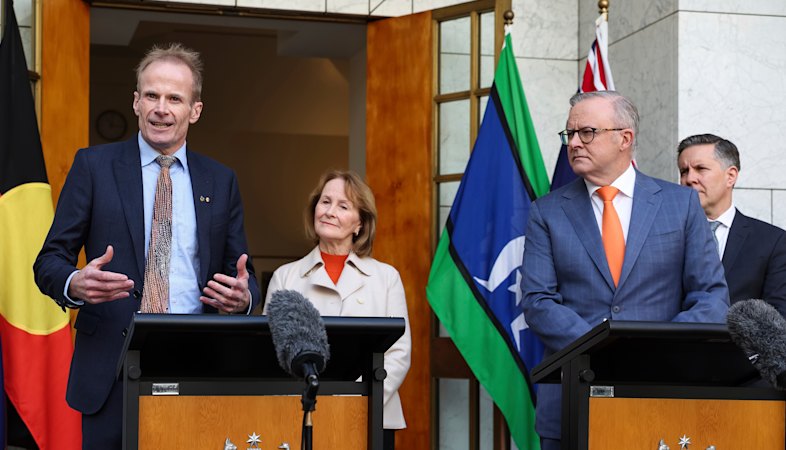
Prime Minister Anthony Albanese expressed his deep sorrow over the loss, calling Scolyer one of Australia’s brightest lights and biggest hearts. “Every day, this remarkable man – the cancer specialist who became his own subject – took us into his confidence, and he lifted us all in the process,” Albanese said. He highlighted Scolyer’s courage, determination, and grace, noting how his journey inspired many.
NSW Premier Chris Minns praised Scolyer as a pioneering scientist whose research transformed melanoma from a death sentence to a curable disease. “As a result of that breakthrough, in a country with the highest melanoma rates on earth, thousands of Australians are alive today,” Minns said. He also reflected on Scolyer’s resilience after being diagnosed with brain cancer, emphasizing his warmth, hope, and sense of purpose.
Defying Expectations
Scolyer was diagnosed with IDH wild type glioblastoma in mid-2023, a terminal form of brain cancer with a median survival of just 14 months. However, he defied expectations by living for three years. During this time, he shared his experiences openly, inspiring many Australians touched by cancer.
A world-renowned pathologist and skin cancer researcher, Scolyer was a senior staff specialist at Royal Prince Alfred Hospital and a conjoint professor at the University of Sydney. He co-founded the Melanoma Institute Australia with Professor Georgina Long. Knowing there was no cure for his glioblastoma, Long proposed an experimental treatment using immunotherapy, which Scolyer embraced wholeheartedly.
The treatment involved a combination of three immunotherapy drugs, a debulking operation, a personalized cancer vaccine, and radiotherapy. “For me, the decision to take on Georgina’s groundbreaking plan was a no-brainer,” Scolyer said. “Here was an opportunity for us to crack another incurable cancer and make a difference – if not for me, then for others.”
Recognition and Impact
In recognition of their work, Scolyer and Long were named 2024 Australians of the Year. Their efforts had saved tens of thousands of lives by revolutionizing melanoma treatment. Scolyer continued to lead a productive life even after learning that his tumour had returned in March last year.
“The prognosis is not good for something like this,” he said. “It’s in months, not years.” Despite this, Scolyer made the most of his remaining time, focusing on enjoying life with his family and pushing for more funding for brain cancer research.
He emphasized the need for better funding and more effective treatments for brain cancer, highlighting the challenges of targeting such a difficult disease. “It’s not funded well enough to push things along,” he said. “It’s a difficult tumour to get into – it’s inside your brain, it’s got big bones, skull, around it.”
A New Hope
In February, Scolyer was excited to hear that a world-first clinical trial had commenced in the US to test the effectiveness of the treatment he had undergone. “It takes a long time to get trials over the line, but to be actually recruiting patients in the United States – and, hopefully, here soon – means we can test out the drugs to see if they make a difference,” he said.
A keen triathlete, Scolyer continued to inspire others even after his recurrence. He reached his goal of completing 250 Parkruns, joined his family in running the City2Surf, and cycled four stages of the Tour de Cure in Tasmania just three months ago.
A Lasting Legacy
Scolyer’s legacy includes increased awareness of brain cancer and more funding for research into the disease. The federal government has committed $5.9 million to establish the Richard Scolyer Chair in Brain Cancer Research at the Chris O’Brien Lifehouse. The aim is to speed up research into the disease, expand clinical trials, and improve outcomes for patients.
Gail O’Brien, wife of Chris O’Brien, who was diagnosed with the same aggressive brain cancer as Scolyer 17 years prior, described working with him as a privilege. “He embodied a uniquely Australian approach to advocacy – deeply personal, highly collaborative, and relentlessly focused on improving outcomes for those facing the most challenging cancers,” she said.
University of Sydney Professor John Thompson praised Scolyer as a brilliant scientist and researcher whose work had benefited countless cancer patients worldwide. “Yet despite all the accolades that he received, Richard remained a humble man,” Thompson said.
Final Farewell
In a “final farewell” letter that he wanted to be published upon his passing, Scolyer wrote: “If my legacy was to continue beyond these words, I would be delighted and humbled to be remembered as a proud everyday Aussie who ‘gave it a crack’, and in doing so, inspired others to pursue their dreams and passions with humility, love and compassion.”
The family has asked for donations in Richard’s memory to be made to the Richard Scolyer Chair in Brain Cancer Research at Chris O’Brien Lifehouse or the Brain Cancer Group to support brain cancer patients.