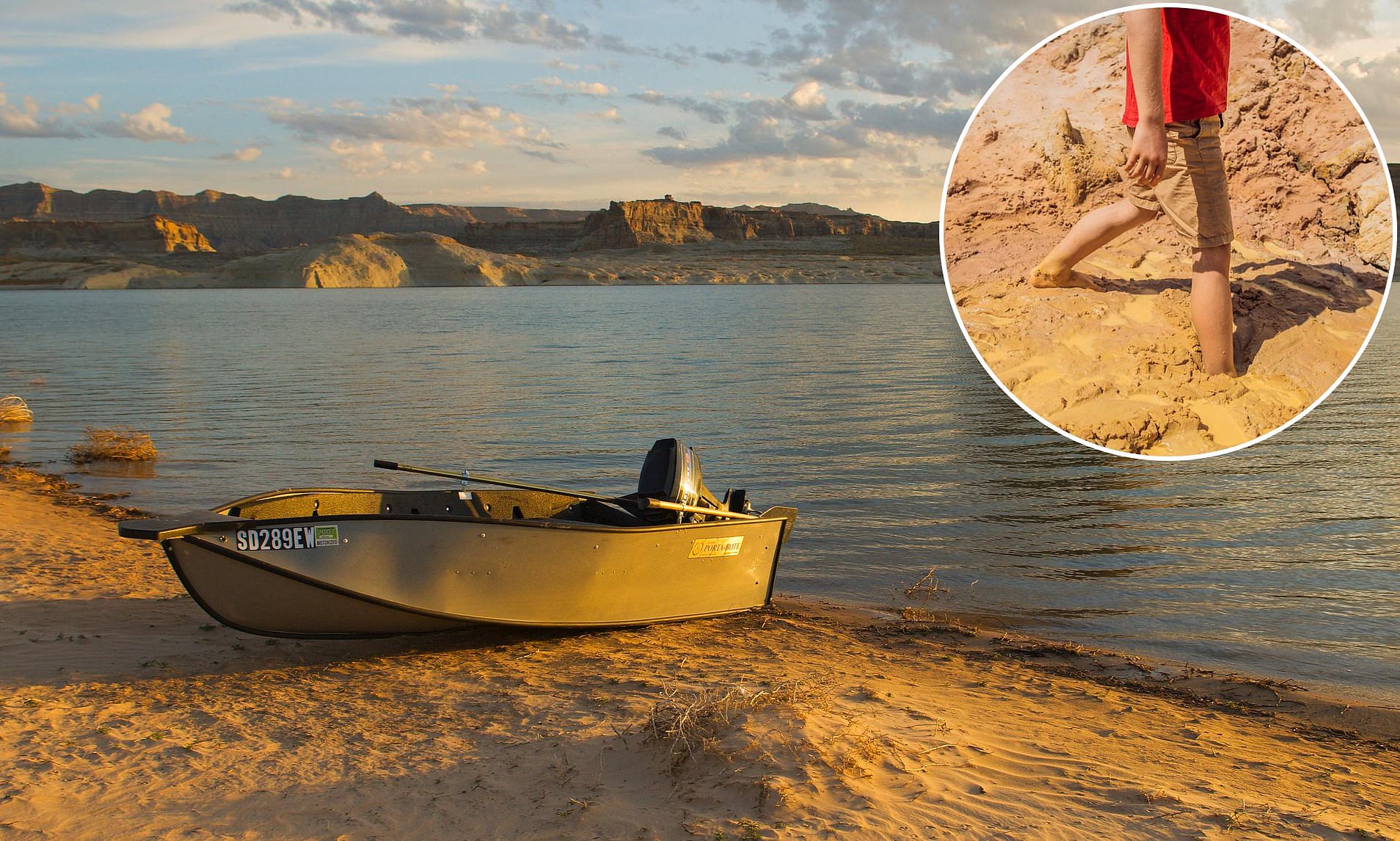
Warning Issued for Deadly Quicksand Pockets in Glen Canyon National Recreation Area
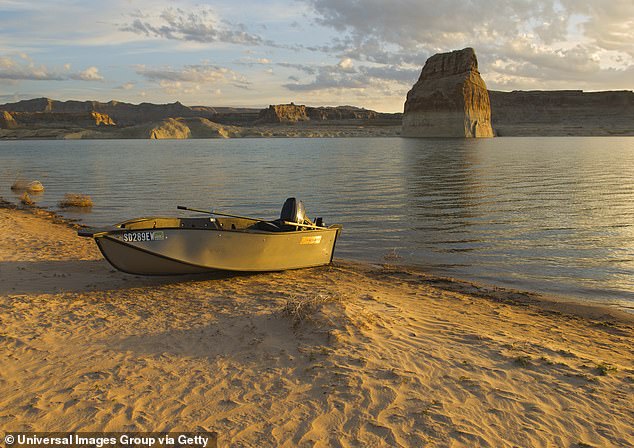
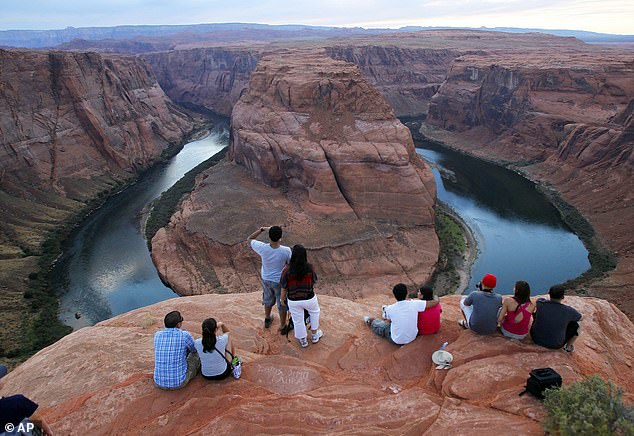
Park officials are urging travellers to exercise extreme caution when visiting the Glen Canyon National Recreation Area, a vast expanse covering parts of Arizona and Utah, due to the presence of potentially lethal quicksand. The National Park Service (NPS) has issued a public alert highlighting the dangers of these treacherous sandy areas that can form unexpectedly, particularly along shorelines and within drainage systems throughout the park.
The NPS warns that what might appear as dry and stable ground on the surface can, without warning, give way. Travellers are advised to be vigilant for any signs of unstable, shifting, or unusually soft terrain. Entering such areas without proper awareness and caution could lead to a perilous situation.
Understanding Quicksand
Quicksand is essentially a mixture of sand and water that has become oversaturated. While it can present a solid appearance from above, disturbances, such as the weight of a person or animal, can cause the sand grains to lose their structure, transforming the area into a liquid-like state. Once this liquefaction occurs, the mixture can rapidly re-solidify, effectively trapping anything caught within it.
Identifying the Dangers
The NPS has outlined several key indicators to help visitors spot potential quicksand hazards:
- Unusually Smooth and Wet Ground: Surfaces that appear exceptionally smooth and damp can signal underlying instability.
- Sudden Water Seepage: The emergence of water from the ground where it wasn’t previously present is a significant warning sign.
- Vibrating Soil: If the ground underfoot seems to vibrate or move subtly, it suggests a lack of firm support beneath the surface.
- Dry-Looking, Spongy Ground: Conversely, ground that appears dry but feels spongy when stepped on can also be a deceptive indicator of quicksand.
- Saturated Low Spots: Areas that are consistently damp or waterlogged, especially in depressions, are prime locations for quicksand formation.
- Fine Sediment Mixed with Water: The presence of fine sediment combined with water, particularly after rainfall or significant shifts in water levels, should raise concerns.
Buoyancy and the Reality of Quicksand
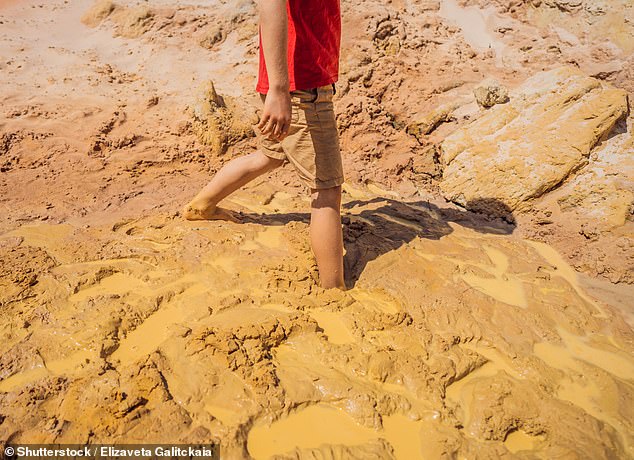
Contrary to dramatic portrayals in media, quicksand is not typically a death trap where individuals are completely submerged. According to National Geographic, the density of quicksand is roughly twice that of the human body. This means that a person caught in quicksand will usually only sink to about waist-deep. As one conservation spokesperson explained, “People who are caught in supersaturated sand remain buoyant – people don’t sink in quicksand – allowing them to float and wriggle themselves to safety.”
The Dangers of Panic
While sinking is unlikely, the real danger in quicksand lies in panic. Struggling and thrashing within the viscous mixture can exacerbate the situation, pulling the victim deeper and making escape more difficult. The key to survival is to remain calm. Because humans are less dense than the quicksand mixture, maintaining composure allows for buoyancy.
The “quick” in quicksand refers to its watery composition of sand, often mixed with clay and other fine materials. This creates a delicate structure where sand grains are loosely arranged, with watery pockets that can easily collapse under pressure.
Escaping the Trap
For those who find themselves in quicksand, a clear escape strategy is essential:
- Don’t Panic: This is the most critical first step. Frantic movements will only destabilise the sand and decrease your buoyancy.
- Lean Back: Spreading your body weight over a larger surface area by leaning back into a reclined position is crucial. This increases your buoyancy and reduces the downward pressure, preventing further sinking.
- Wiggle Your Legs: Gently move your legs in small back-and-forth motions. This action allows water to flow around your legs, helping to loosen the suction and break the grip of the sand.
- Backstroke to Safety: Once you have increased your buoyancy, you can slowly begin to backstroke your way towards solid ground.
- Avoid Standing Up: Do not attempt to stand until you are completely out of the quicksand.
- Use an Object for Support: If possible, reach for a sturdy branch, trekking pole, or other similar object to help maintain stability as you move. Never allow a friend to try and pull you out directly, as this could be dangerous for both individuals. The force required to extract someone from quicksand can be immense.
The NPS advises that once your legs are freed, you should continue to lean back and use your arms to inch your way towards firm ground. They also stress that while quicksand is rarely life-threatening, escaping can be physically demanding. Assistance may be necessary if the sediment is deep or if the individual is becoming fatigued.
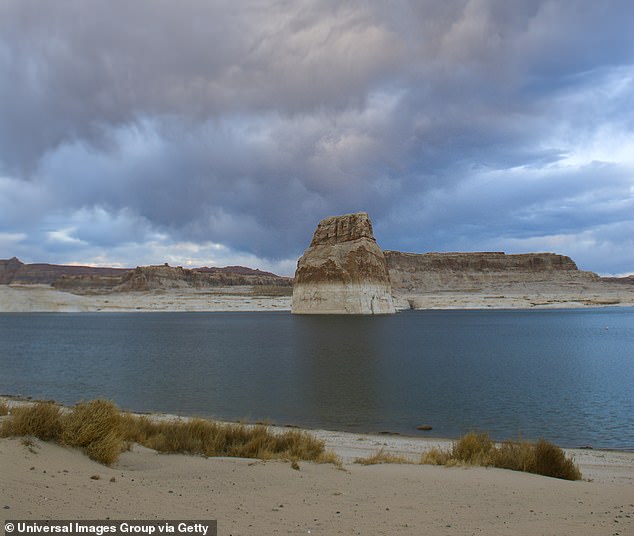
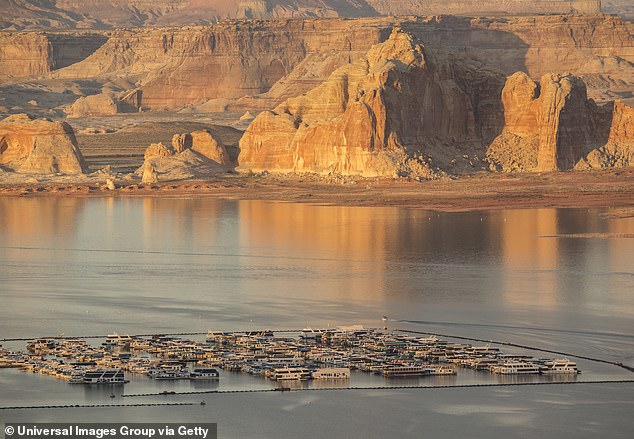
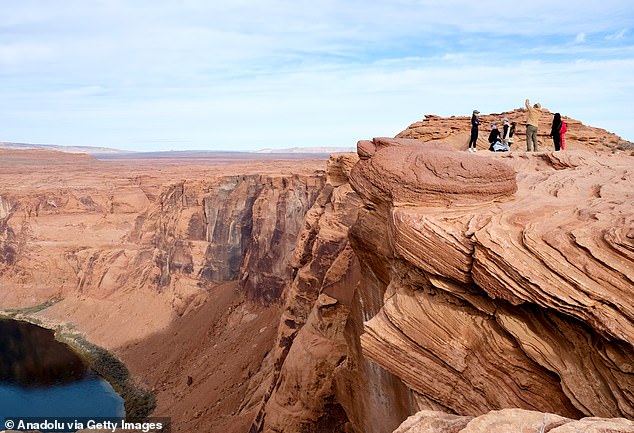
The Glen Canyon National Recreation Area, a sprawling 1.25-million-acre natural wonder stretching from Lees Ferry in Arizona to the Orange Cliffs in Utah, is a popular destination for a variety of outdoor activities, including water sports and backcountry exploration. Visitors are reminded to always be aware of their surroundings and heed all safety warnings issued by park officials.