
Navigating the Solo Journey: Embracing Life After Major Life Changes
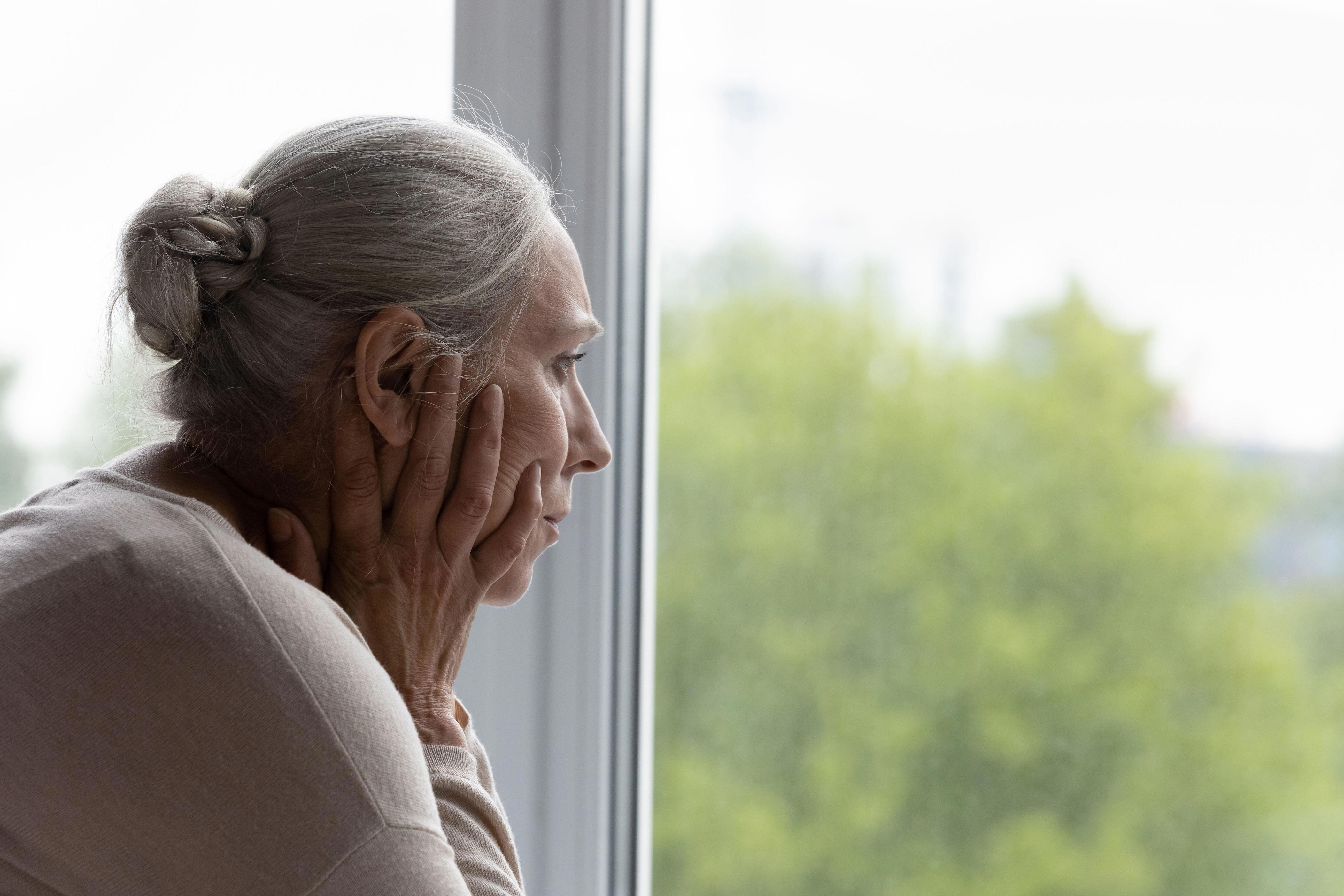
For many Australians, the prospect of living alone later in life, especially following significant life events like divorce, the passing of a loved one, or children leaving home – the dreaded “empty nest” – can be a deeply unsettling experience. This transition often ushers in a complex cocktail of emotions, including grief, profound loneliness, and intense introspection. However, while undeniably challenging, this new chapter also unfurls a unique tapestry of opportunities for personal growth, a chance to critically re-evaluate life aspirations, and to foster a more robust sense of self-reliance. Therapists are increasingly highlighting the common hurdles individuals face during this adjustment period, offering invaluable guidance not just on how to merely cope, but to genuinely flourish in this evolving phase of life.
The Common Fears and Challenges of Living Solo
What are the most prevalent anxieties and issues people grapple with when they first embark on the journey of living alone?
Susie Masterson, a BACP-registered psychotherapist and relationship coach at Ultraliving, explains, “Living alone creates less distractions and a lot more time and space to be with our own thoughts and feelings, and that can be quite confronting.” This abundance of solitary time frequently prompts individuals to reflect deeply on their lives, often leading to anxieties about the future.
“That can be quite destabilising for some people, particularly if things haven’t gone right, or if they have experienced a loss,” Masterson elaborates. “It can cause them to feel isolated and depressed about their current situation, and many people struggle to lift themselves out of this negative spiral.”
The absence of the comforting, physical presence of loved ones can be a significant adjustment. Masterson notes, “People get very used to sharing a space with somebody and having that companionship. Even small moments of acknowledgement, such as saying thanks for a cup of tea, can be very comforting.”
Furthermore, the reduction in frequent, casual communication at home can be a difficult void to fill. Debbie Keenan, a BACP senior accredited psychotherapist, observes, “Many of us rely on the people that we live with for communication, empathy and compassion, and for that to suddenly go can leave many people in limbo.” She adds, “When people have been in a partnership for a very long time, they might not know what direction to go in or how to exist on their own.”
Strategies for a Smoother Transition
Fortunately, there are proactive steps individuals can take to navigate this period with greater ease and optimism.
1. Establish a Routine
“Be consistent and proactive about putting things in place so you’ve got anchor points to feel safe, whether that’s taking the dog out for a walk in the morning or having lunch at the same time every day,” recommends Masterson. A structured day can provide a much-needed sense of normalcy and control.
2. Focus on the Upsides
Masterson encourages a shift in perspective: “When you live with a partner or children, there are always constraints as you have to fit your life around their lives. However, when you are on your own, the world is your oyster. You can really start to think about what is important to you and what pace you want to go at.” This is an opportune moment to prioritise personal desires and goals.
3. Cultivate Your Social Connections
Keenan stresses the importance of proactive engagement: “Be proactive about connecting to other people, because it’s very easy to become isolated. Keep reaching out to people to maintain and foster those relationships, because nobody will come and hand you it on a plate.” Nurturing existing friendships and building new ones is crucial.
4. Embrace New Experiences
“Treat things as an experiment,” advises Masterson. “It’s a brilliant opportunity to discover who you are, what you like, what you don’t like and when you do, the future will seem brighter.” Stepping outside your comfort zone can lead to unexpected joys and self-discovery.

5. Prioritise Physical Activity
“Get up and do something every day, whether it’s a 20-minute walk or some chair exercises,” recommends Keenan. Regular physical activity not only benefits physical health but also significantly boosts mental well-being and combats feelings of lethargy.
6. Build a Support Network
Recognising and addressing the fear of a lack of control is key. Masterson suggests, “Build your security network of family, friends and/or neighbours who you can ask for help or notify when you feel unsafe or lonely.” Having people to rely on can provide immense reassurance.

7. Leverage Technology
“Try to get involved in technology if you can, because it can help you stay connected with relatives and social connections from all over the world,” suggests Keenan. Video calls, social media, and online communities can bridge geographical distances and combat isolation.
8. Create a Welcoming Environment
Keenan advises, “Make your home a safe haven. Put some music on and do whatever gives you comfort. Stock up the cupboards with food that you enjoy and make yourself a comforting drink.” Personalising your living space to be a source of comfort and joy is paramount.

9. Consider a Pet
“Stroking a pet can help boost your endorphins, as well as other happy hormones like oxytocin,” says Keenan. “Pets, especially dogs, love you unconditionally no matter what kind of day you’re having, which can be really reassuring.” The companionship and unconditional love from a pet can be profoundly therapeutic.
10. Practice Mindfulness and Meditation
“It can be incredibly rewarding to be able to sit in stillness,” says Masterson. “Try to schedule meditation or mindfulness into your routine every day.” These practices can help calm a racing mind, reduce stress, and foster a deeper connection with oneself.
Navigating life alone after significant changes is a journey, not a destination. By embracing these strategies, individuals can transform potential challenges into powerful opportunities for self-discovery, resilience, and a fulfilling new chapter.