Salmon Antibiotic Use Halted Amidst Wild Species Contamination and Export Fears
The Australian salmon farming industry’s emergency use of a potent antibiotic, florfenicol, has been abruptly suspended. The decision comes after the medication was detected in wild marine species, raising significant concerns about the integrity of Australia’s lucrative export markets.
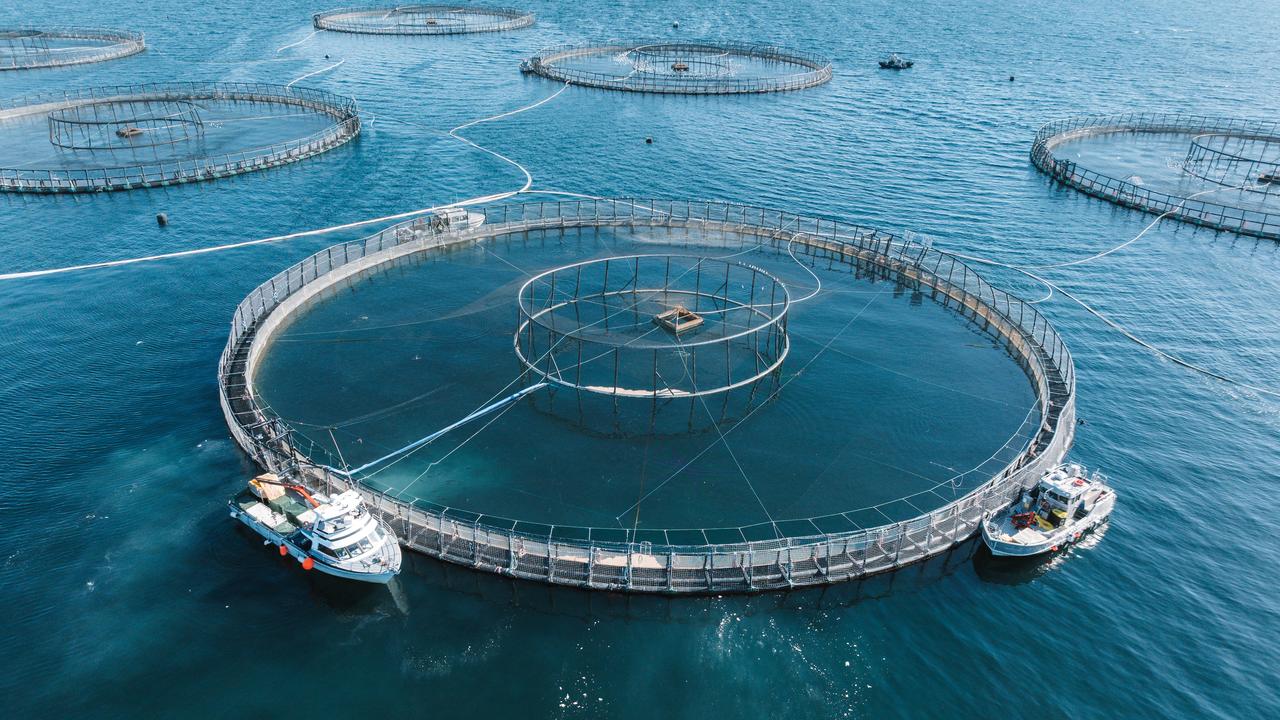
Initially, Tasmania’s salmon farmers were granted a special permit in November to deploy florfenicol. This measure was a direct response to a devastating bacterial disease, piscirickettsiosis, which had caused the catastrophic loss of four million farmed salmon in early 2025.
However, the Australian Pesticides and Veterinary Medicines Authority (APVMA) announced on Thursday that the permit had been suspended. The primary reason cited was an “unacceptable risk of residue exposure to non-target species.”
Concerns Over Residue Detection
Testing conducted and published in February revealed the presence of florfenicol in various marine organisms. These included abalone, lobsters, bryozoans, sea urchins, and whelk, all found up to 10 kilometres away from the salmon pens where the antibiotic had been administered. This widespread detection has triggered alarms, particularly given that some key international export markets maintain a zero-tolerance policy for antibiotic residues in seafood.

APVMA Chief Executive Scott Hansen clarified that the suspension was not based on any immediate human or environmental health risks. He noted that the detected levels of florfenicol in species like rock lobster, sea urchin, abalone, and whelk were “very low,” falling well below the maximum residue limits (MRLs) established for florfenicol in most species globally.
“It was very low level, but still present, and that creates a trade risk,” Mr. Hansen explained in an interview. “It’s against the trade criteria for which we have to consider any permit.” He further elaborated that “all governments around the world have set a maximum residue limit, a tolerance level for the detection of florfenicol in food products.”
Impact on Local Industries
The use of florfenicol at salmon farming sites in southern Tasmania had already led to significant economic repercussions. In November, two commercial rock lobster fishery zones were temporarily closed as a direct consequence of the antibiotic’s application. The rock lobster industry in Tasmania is a substantial contributor to the state’s economy, generating approximately $90 million annually.
The exact mechanisms by which florfenicol was accumulating in some wild species but not others remain unclear, according to Mr. Hansen.
Industry’s Future Plans
Salmon Tasmania, the peak industry body, has indicated its intention to reapply for a new permit later in 2026. The aim is to reintroduce the antibiotic, but this time with enhanced measures specifically designed to address the identified export-related concerns.
Mr. Hansen stressed that for any future permit to be considered, the industry will be required to demonstrate its capacity to effectively mitigate trade risks. Furthermore, it must provide robust assurances that no risks to human or environmental health will arise from its use.
Tasmanian Premier Jeremy Rockliff has expressed the state government’s support for the salmon industry in developing a comprehensive plan and pursuing a new permit.
Public and Political Reactions
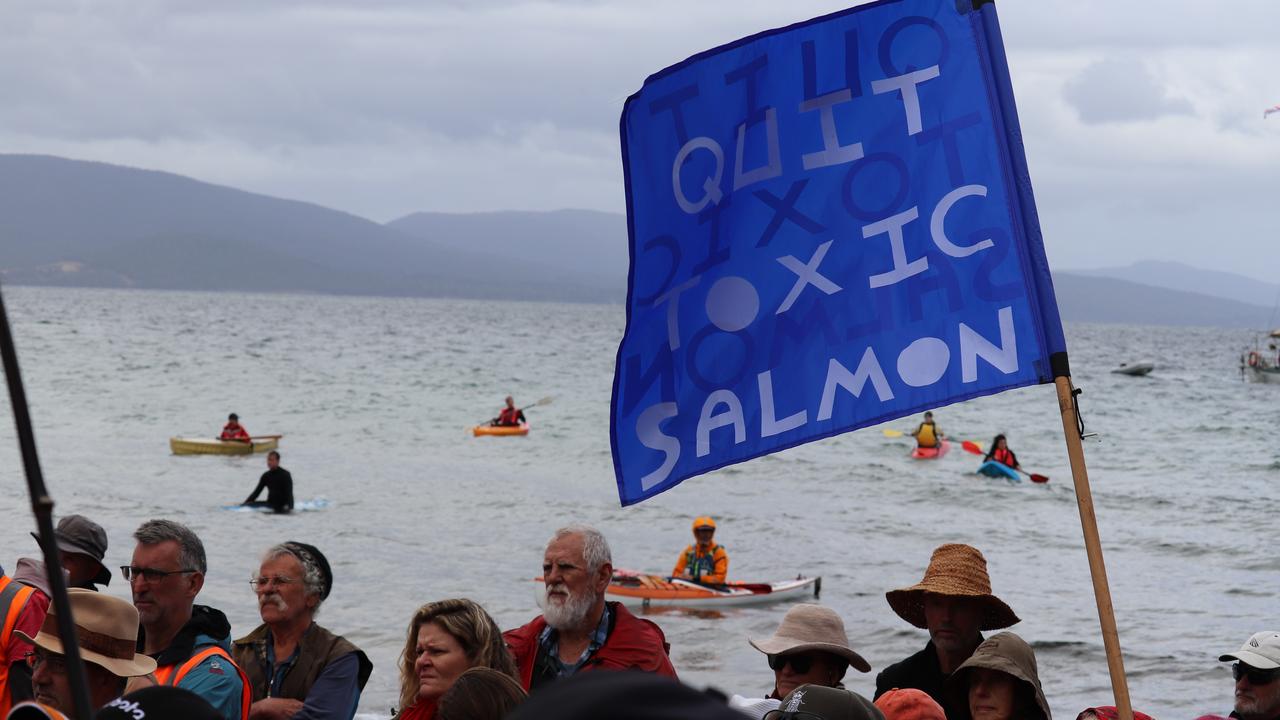
The mass die-offs of salmon that necessitated the use of florfenicol had previously sparked public outcry and protests, with globules of dead salmon washing ashore on nearby beaches.
Independent state Member of Parliament, Peter George, hailed the APVMA’s decision as a “victory for common sense.” He argued that the demands of multinational corporations had been prioritised over the health of marine life and the livelihoods of other fishers.
Meanwhile, environmental advocacy groups, including The Greens and the Bob Brown Foundation, are urging the Liberal state government to mandate that salmon companies reduce their stocking densities in pens as a more sustainable method for disease management.