The Surprising Link Between Makeup and Mental Health
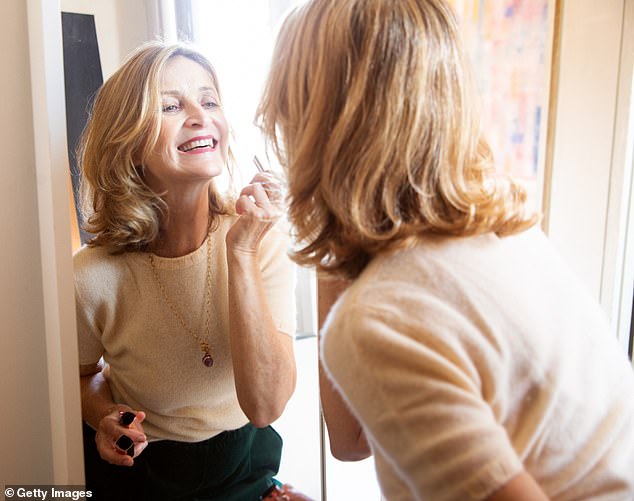
Applying a touch of lipstick and eye shadow can have more than just a cosmetic effect. A recent study suggests that regular use of makeup may significantly reduce the risk of depression, especially among older women. Researchers found that women who consistently wear makeup tend to experience better psychological well-being compared to those who do not.
In addition to mental health benefits, these women also showed improved physical attributes such as stronger grip strength and better balance. These indicators are essential for maintaining physical fitness, particularly in older age. Improved balance is crucial because it helps prevent falls, which can lead to serious injuries like hip fractures.
To explore this connection further, scientists from Kyoto Tachibana University in Japan conducted a study focusing on individuals over 65 years old. They aimed to determine how makeup usage affects both physical and mental health. The research involved 295 women, comparing those who regularly wore makeup with those who rarely or never did.
Each participant was asked about the types of cosmetics they used and how frequently. They also completed a mental health questionnaire. Separate tests were conducted to measure grip strength, which is an indicator of frailty, and balance by assessing their ability to stand on one leg for an extended period.
The results, published in the journal Healthcare, revealed that 72% of the women in the study regularly wore makeup, with foundation, lipstick, eye shadow, and blush being the most common choices. These women scored higher on mood, strength, and balance assessments compared to those who rarely used makeup.
Researchers noted that wearing makeup is a meaningful activity that can promote social participation among older women. It engages the senses of touch, smell, and sight, leading to psychological pleasure. Specifically, lipstick and eyebrow products were linked to better psychological function and dynamic balance. This could even contribute to greater physical independence in older women.
Women in the UK spend approximately £900 annually on makeup alone, according to surveys. This highlights the significant role that makeup plays in daily life, beyond just aesthetics.
Additional Insights into Makeup and Its Effects
Makeup has long been associated with self-expression and confidence. However, recent research has uncovered new dimensions of its impact on personality and behavior. One study explored why women who apply makeup extensively might score higher on narcissism traits. The findings revealed intriguing insights into the relationship between cosmetic choices and personality characteristics.
Another trend gaining attention is the rise of age-defying makeup lines that are becoming popular among older women. These products are praised for their ability to enhance skin appearance without the need for invasive procedures. Many users claim that these makeup lines are game-changers in their skincare routines.
Red lipstick, in particular, has been highlighted as a potential confidence booster for women aged 18 to 35. Its bold color and classic appeal make it a favorite choice for many, often symbolizing empowerment and self-assurance.
For those looking to refresh their appearance without undergoing cosmetic surgery, experts suggest using anti-ageing makeup tricks. These techniques can help achieve a more youthful look while maintaining natural beauty.
Interestingly, some studies have questioned whether certain makeup routines might actually make a person look older instead of younger. This prompts a deeper examination of how different application methods and product choices affect overall appearance.