
New Laws Target Unfair Trading Practices and Hidden Fees
Consumer groups have expressed support for the federal government’s initiative to eliminate unfair trading practices and intrusive hidden fees at checkout. The Labor Party has long pledged to ban specific deceptive fees, with new legislation now introduced in parliament.
On Wednesday, the federal Treasurer announced the government’s commitment to a crackdown on these practices. The legislation aims to eliminate issues like “subscription traps” and “drip pricing,” where the full cost is not immediately apparent, as well as dynamic pricing.
“The Albanese Government will introduce new legislation today to ease the cost of living and stop businesses ripping off Australians,” said Jim Chalmers.
This move is intended to address unfair deals that cost Australians money. If you’ve ever struggled to cancel a gym membership or watched a parent find it difficult to leave a Foxtel subscription, you understand the challenges businesses can create to retain customers. “Subscription traps” will be a key focus for the consumer watchdog.
Other practices, such as dynamic pricing, which can cause an item’s price to change during online shopping, will also be banned.
The new rules aim to provide consumers with greater clarity, helping them navigate the pressures of rising living costs by targeting unfair trading practices that erode purchasing power and budgeting abilities, according to the government.
“These practices chip away at household budgets and undermine trust in the marketplace,” said Assistant Minister for Productivity and Competition, Andrew Leigh, when the draft legislation was released in February.
What’s Being Banned?
Chalmers outlined four main changes that will affect consumers once the legislation takes effect:
- Subscription traps that make it difficult to cancel a subscription.
- Drip pricing practices where fees are hidden until the checkout.
- Dynamic pricing where a product’s price changes during the transaction.
- Requiring consumers to set up an account to make an online purchase.
Consumer Groups Welcome ‘Landmark’ New Laws
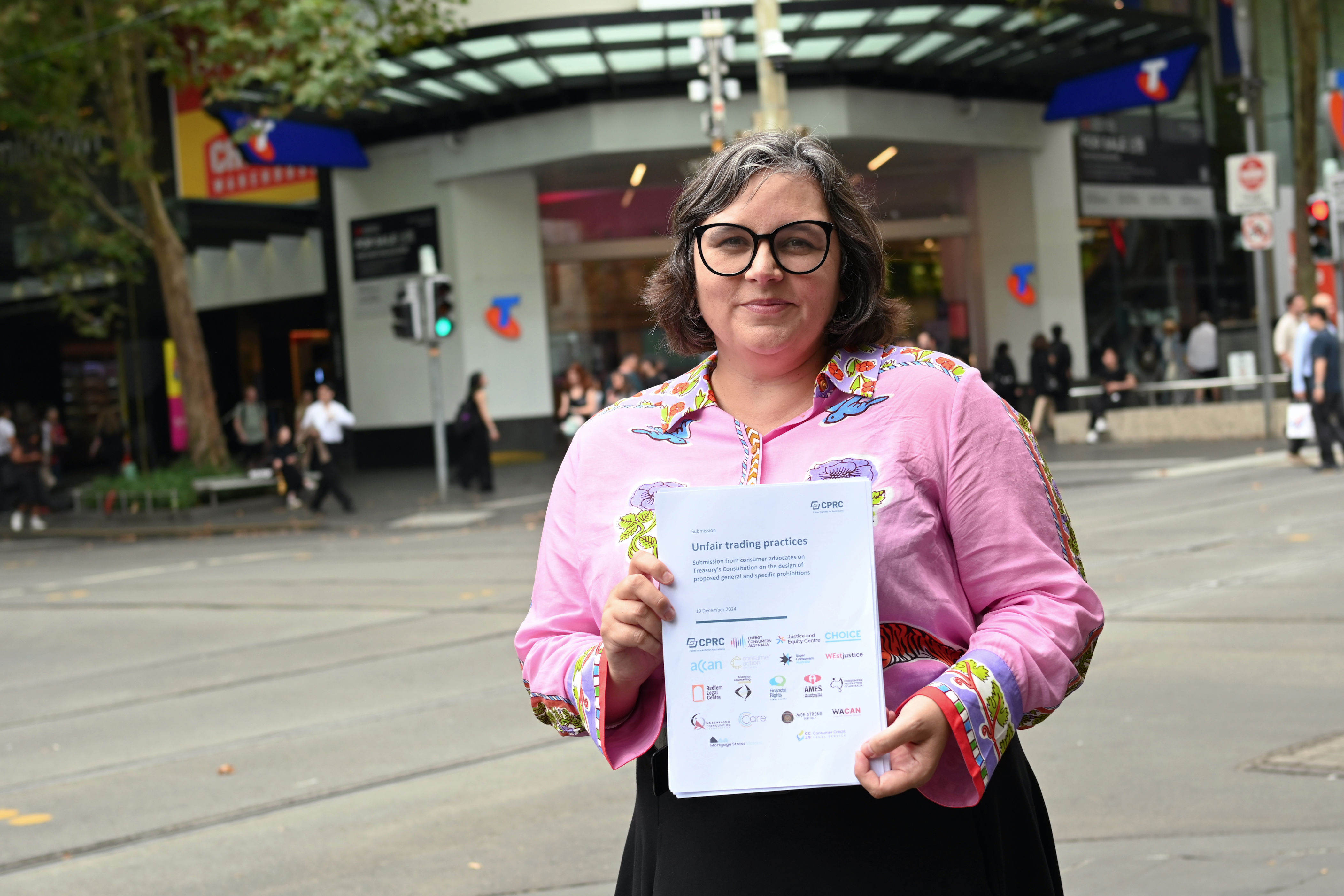
More than a dozen of the country’s largest consumer advocacy groups have welcomed the government’s move, with 17 groups supporting the “landmark” changes.
“A ban on unfair business practices has been a missing part of our Australian consumer law for a long time,” said Erin Turner, CEO of the Consumer Policy Research Centre.
“It’s shocking that businesses have been able to treat customers unfairly for so long, and we’re glad to see the Albanese Government take action to set a baseline for fair behaviour in Australian consumer markets.”
Stephanie Tonkin, CEO of the Consumer Action Law Centre, emphasized the importance of these laws as shopping habits become increasingly digital.
“Tackling unfair trading with these landmark laws and penalties will make Australia’s marketplace fairer for everyone, and this reform is incredibly important as our digital economy expands, with growing information asymmetries, use of AI and opaque lead generation and marketing hidden from scrutiny and obscuring choice,” she said.
Key Provisions of the Reforms
Under the reforms, businesses offering subscriptions will need to notify customers at critical points during a service and disclose key information before they sign up, such as any automatic renewal payments.
Such subscription services would also need to provide a simple and straightforward way for people to cancel. Additionally, all transaction fees must be prominently disclosed.
The government first announced its intention to outlaw such tactics back in October 2024.
The new laws are expected to come into effect on 1 July 2027.
This follows the Reserve Bank of Australia’s recent decision to officially ban card surcharges at the point of purchase and lower the cap on interchange fees paid by Australian businesses from October.