Martin Brundle Expresses Concerns Over 2026 F1 Engines
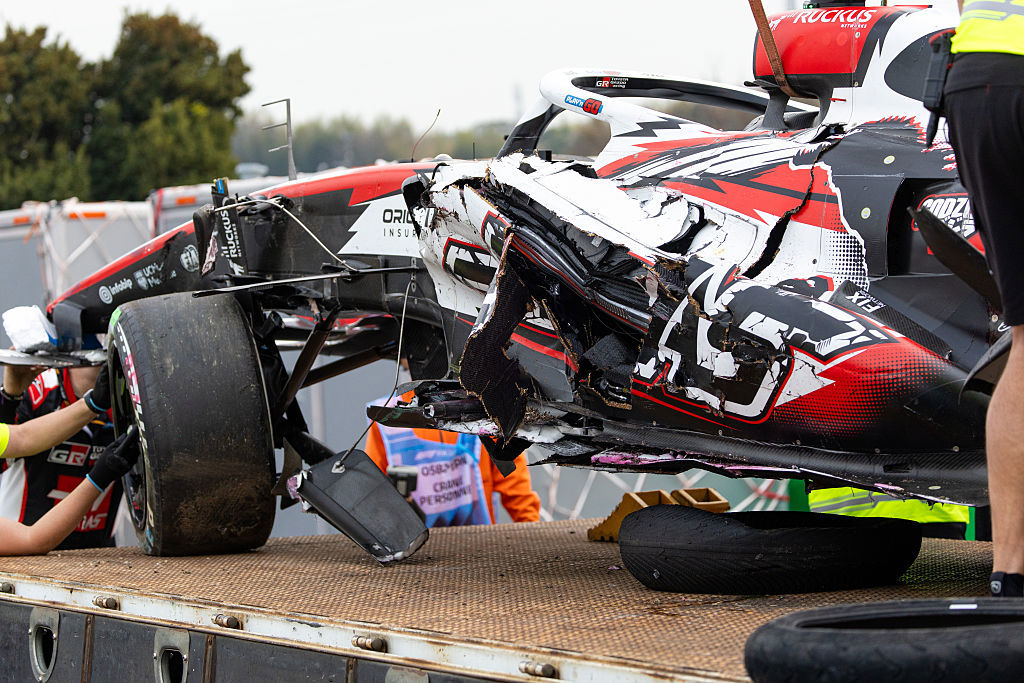
Martin Brundle, a well-known figure in Formula 1, has raised concerns about the future of the sport’s power units, particularly focusing on the 2026 engines. His comments come after Ollie Bearman’s crash in Suzuka, highlighting the growing risks associated with the increasing automation of the power unit.
Brundle admitted that the drivers are facing significant safety concerns due to behaviors in the power unit that seem automated and beyond their control. He shared an example from Lando Norris, who mentioned that his battery decided to overtake Lewis Hamilton without his input, leaving him with no means to defend himself.
Brundle emphasized that there is a long-standing regulation in Formula 1 that requires the driver to operate the car alone and unaided. He stressed that drivers should not face surprises from a self-learning car.
“The driver must drive the car alone and unaided. The driver shouldn’t have any surprises by a self-learning car,” he said.
He also pointed out that this issue extends beyond the drivers, involving track workers and paddock members in discussions with the FIA. Brundle highlighted that the FIA’s priorities include protecting fans, marshals, pitstop crew, and finally drivers.
“It’s a big issue for the FIA because its driver safety is sacrosanct. I think they’re fourth in line in terms of priorities,” he explained.
The top priority, according to Brundle, is the fans, followed by the marshals and pitstop crew. He noted that the FIA will need to make changes for Miami, as drivers have voiced their concerns through the Grand Prix Drivers’ Association.
Brundle also discussed the issue of superclipping, a term used to describe when new hybrid engines quickly harvest energy on straights, leading to a loss of speed for drivers. This phenomenon was evident in Franco Colapinto’s situation, where his car slowed significantly at the wrong place due to superclipping on the long chicane at Spoon.
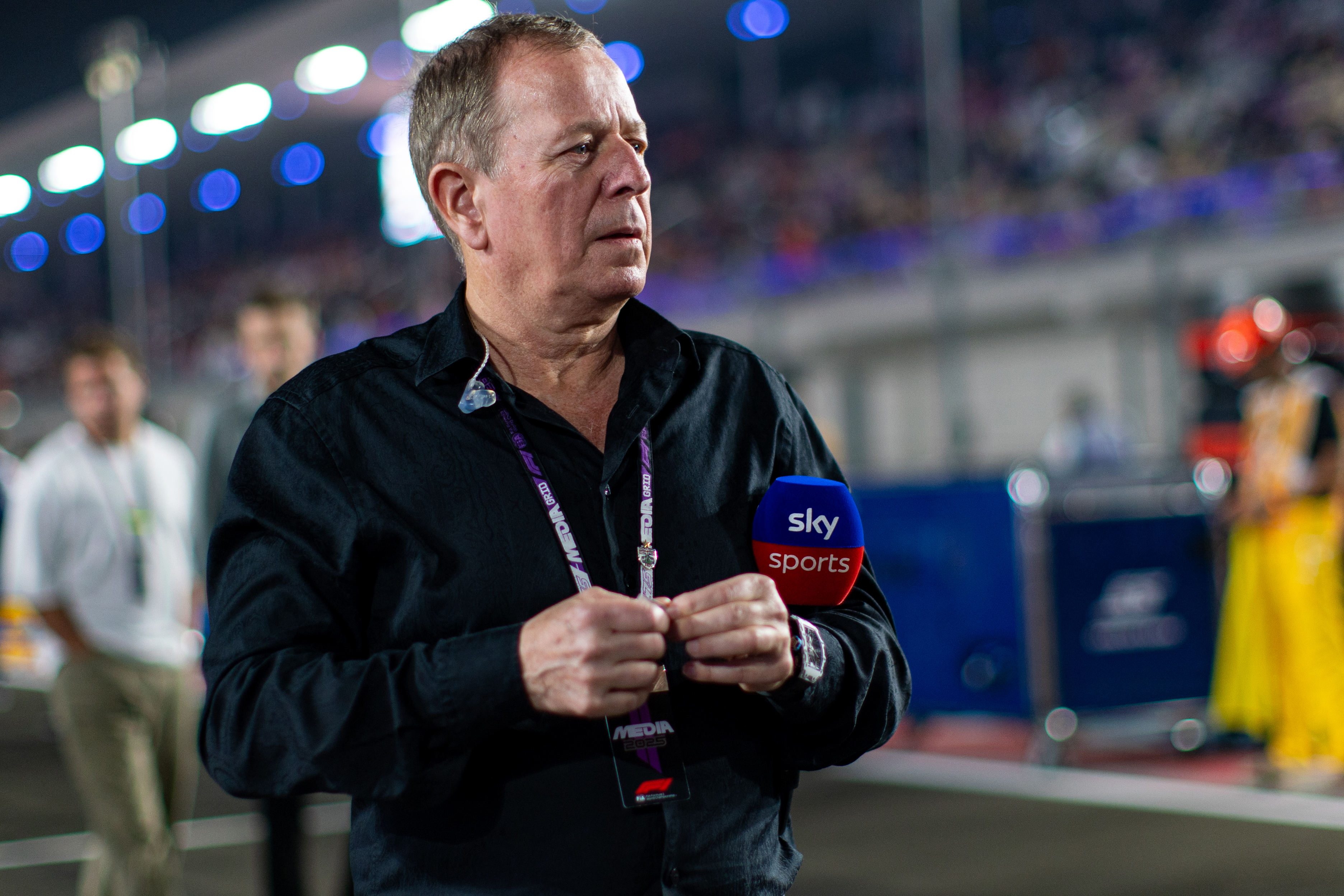
“Superclipping is when the new hybrid engines quickly decide to harvest energy on straights, leaving drivers with a profound loss of speed, even if they haven’t lifted off the throttle,” Brundle explained.
He noted that while the issue is not new, the lack of warning signs like oil burning or engine misfires makes it more dangerous. In the past, drivers could anticipate issues due to visible or audible cues.
“Back in the day, we probably had some clues that was going to happen. You could smell the oil burning, see some smoke, or hear an engine misfire,” he added.
Drivers and teams have until May 2 to change and tweak their power units before the sport descends on Miami. Brundle believes that while the current setup is fundamentally flawed, there is potential to smooth out some of these elements.
In conclusion, Brundle’s concerns highlight the need for the FIA and the teams to address the growing risks associated with the increasing automation of the power unit. As the sport moves forward, ensuring driver safety and maintaining the integrity of the race remain paramount.