CSL and Other Australian Pharmaceutical Companies Unaffected by US Tariffs
Australian blood products and vaccine giant CSL has stated that it does not expect to be impacted by the new US pharmaceutical tariffs. This sentiment is echoed by two smaller ASX-listed drug companies, indicating a broader sense of confidence among Australian firms in the sector.
CSL mentioned on Tuesday that it was still reviewing the details of US President Donald Trump’s tariff proclamation. However, its initial assessment suggests that most of its US product sales would not be subject to these tariffs. The president declared that most pharmaceutical imports into the US would face a 100 per cent tax unless the manufacturers had approved plans to move production to the US or if the products were made in countries with trade deals with the US.
Despite Australia’s 2005 free-trade agreement with America, the country did not receive a carve-out from the tariffs, unlike other nations such as Japan, South Korea, Switzerland, the United Kingdom, and the European Union.
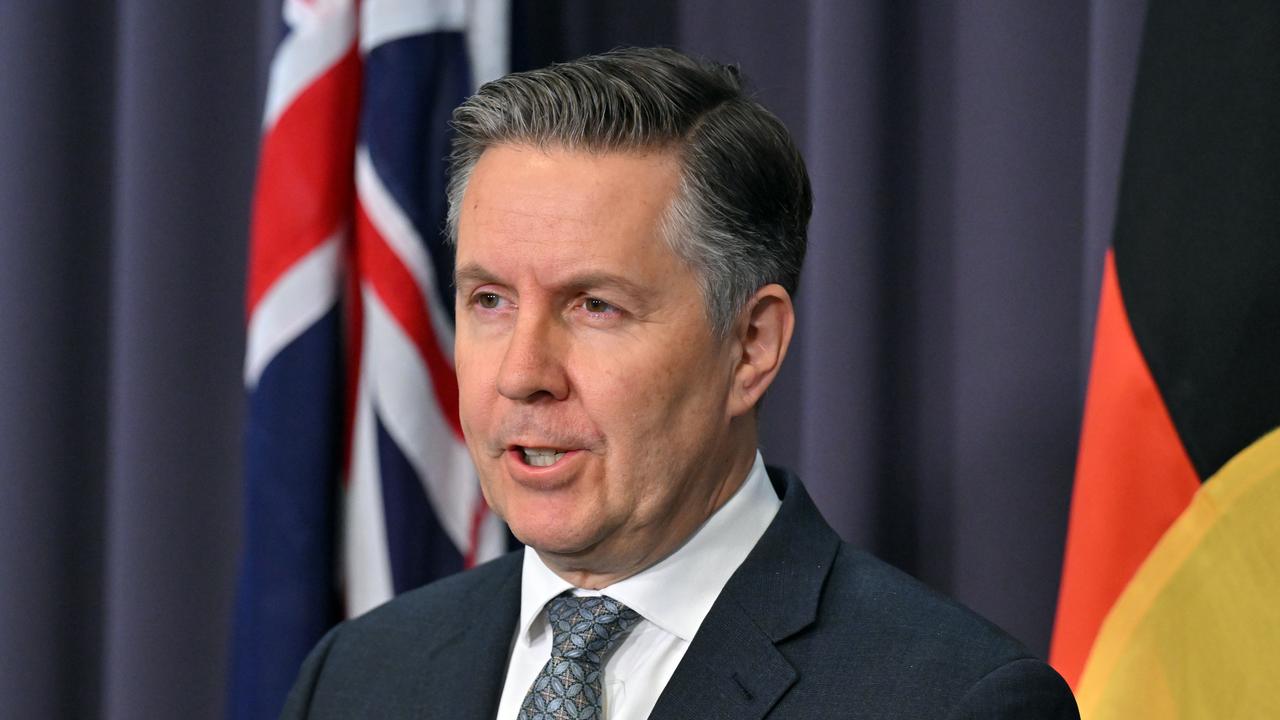
Australia’s Pharmaceutical Benefits Scheme (PBS), which requires pharmaceutical manufacturers to negotiate prices directly with the Australian government, has long been a point of contention for American drug companies. Health Minister Mark Butler emphasized that Australia would not back down on the PBS.
“We keep sending this clearest of possible messages to the US because we know they get the big drug companies in their ear trying to unpick the PBS here in Australia and equivalent schemes in other countries around the world,” he said during an appearance on Seven’s Sunrise.
The proclamation did exempt plasma-derived therapies, such as those produced by CSL, which are used to treat patients with rare bleeding disorders or immunodeficiency diseases. “This is consistent with the longstanding approach of special policy accommodations to ensure patient access to these life-saving therapies,” CSL stated.
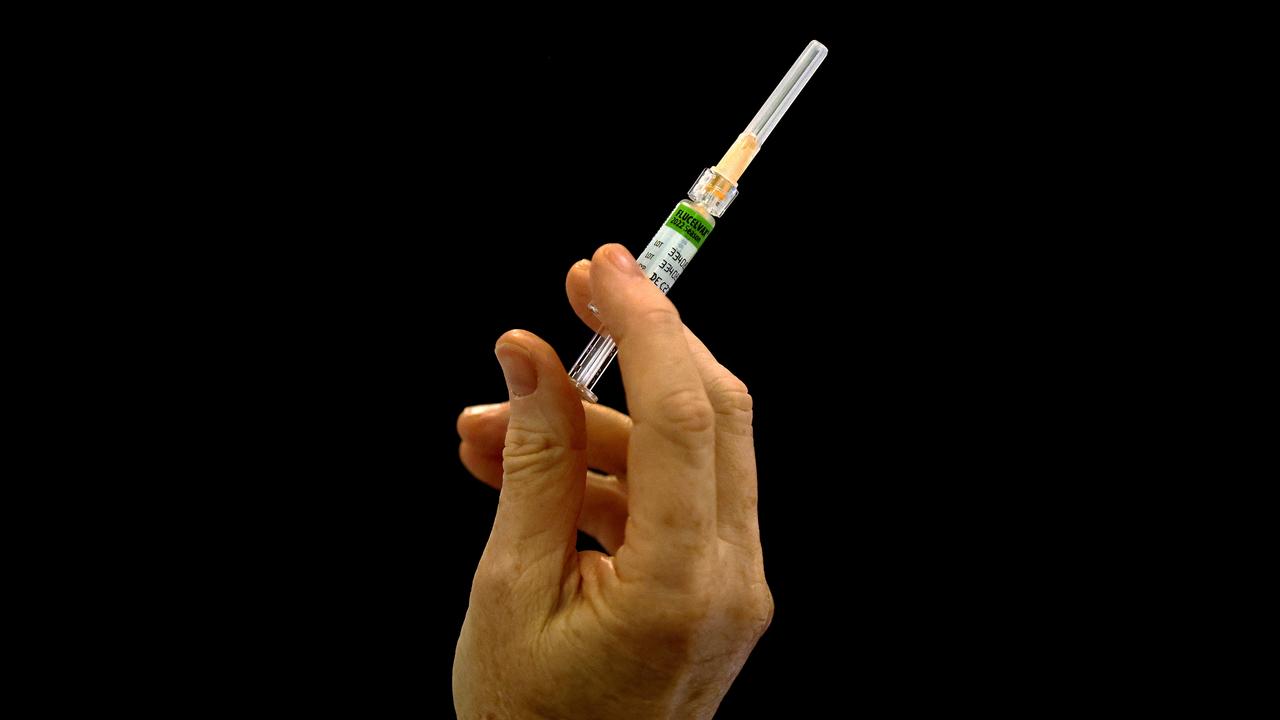
CSL also highlighted that its US plasma therapies are derived entirely from US-sourced plasma and noted that it recently announced plans to expand its plasma therapy manufacturing capabilities in Illinois. Additionally, the company sells a flu vaccine called Fluad in the US, but this product is manufactured in the United Kingdom.
Adelaide-based Mayne Pharma, which produces skin care and women’s health products, has also stated that it does not expect a significant impact from the tariffs. The products made for US export at its Adelaide manufacturing facility are mostly generics that are not targeted by Trump’s tariffs. Some of its branded dermatological products are largely manufactured in the US.
Melbourne-based Telix Pharmaceuticals has also indicated that it does not expect to be affected by the new tariffs. The company specializes in radiopharmaceuticals, which are products containing small amounts of radioactive substances used in diagnosing and treating disease.
Telix’s lead products are two imaging agents designed to attach to prostate cancer lesions, making them easier to detect on PET scans. The company states that these products are manufactured by third parties in the United States.
“Due to the ‘just-in-time’ nature of radiopharmaceutical products, such products are generally manufactured or radiolabelled in close proximity to the point-of-care,” Telix said in 2025. That will continue to be the case for the company’s new products.