The Allure of Monochrome Photography
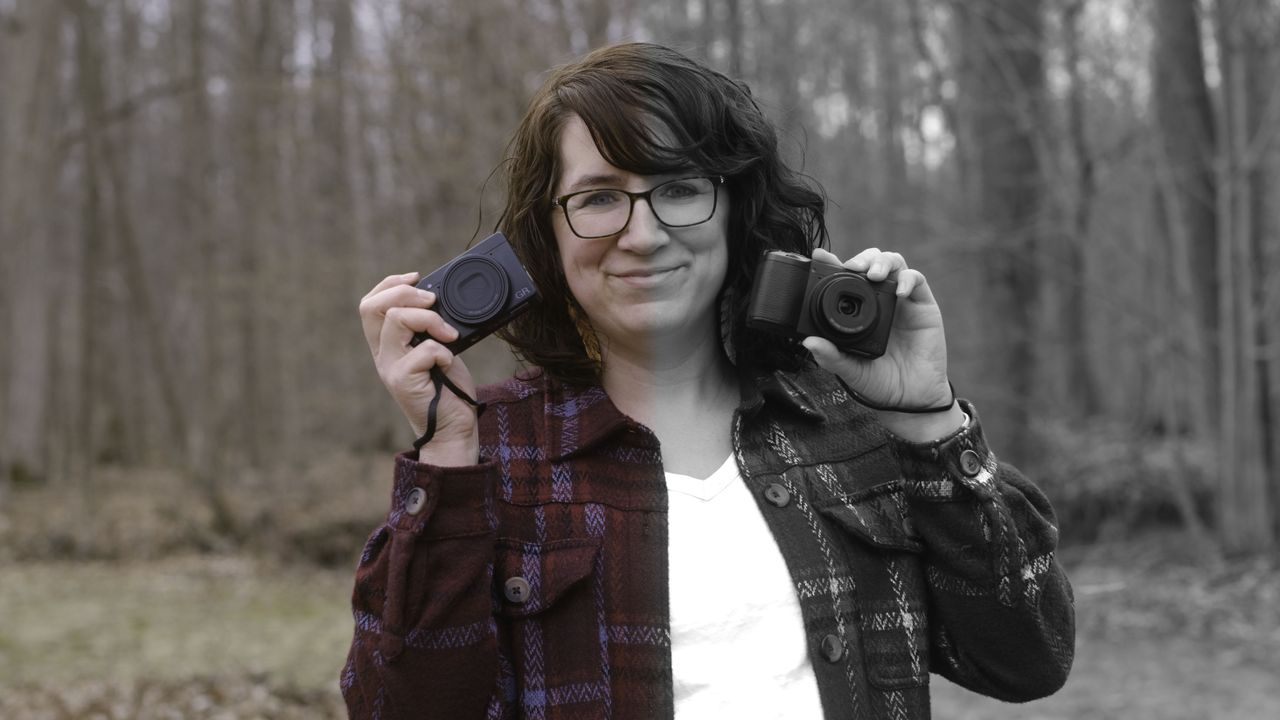
Black and white photography has always held a timeless appeal, and for many, it’s a style that never goes out of fashion. However, when I had the opportunity to try a camera with a dedicated monochrome sensor for the first time, I wasn’t entirely sure what to expect. To get a better sense of the differences, I decided to shoot with both the Ricoh GR IV HDF and the GR IV Monochrome at the same time.
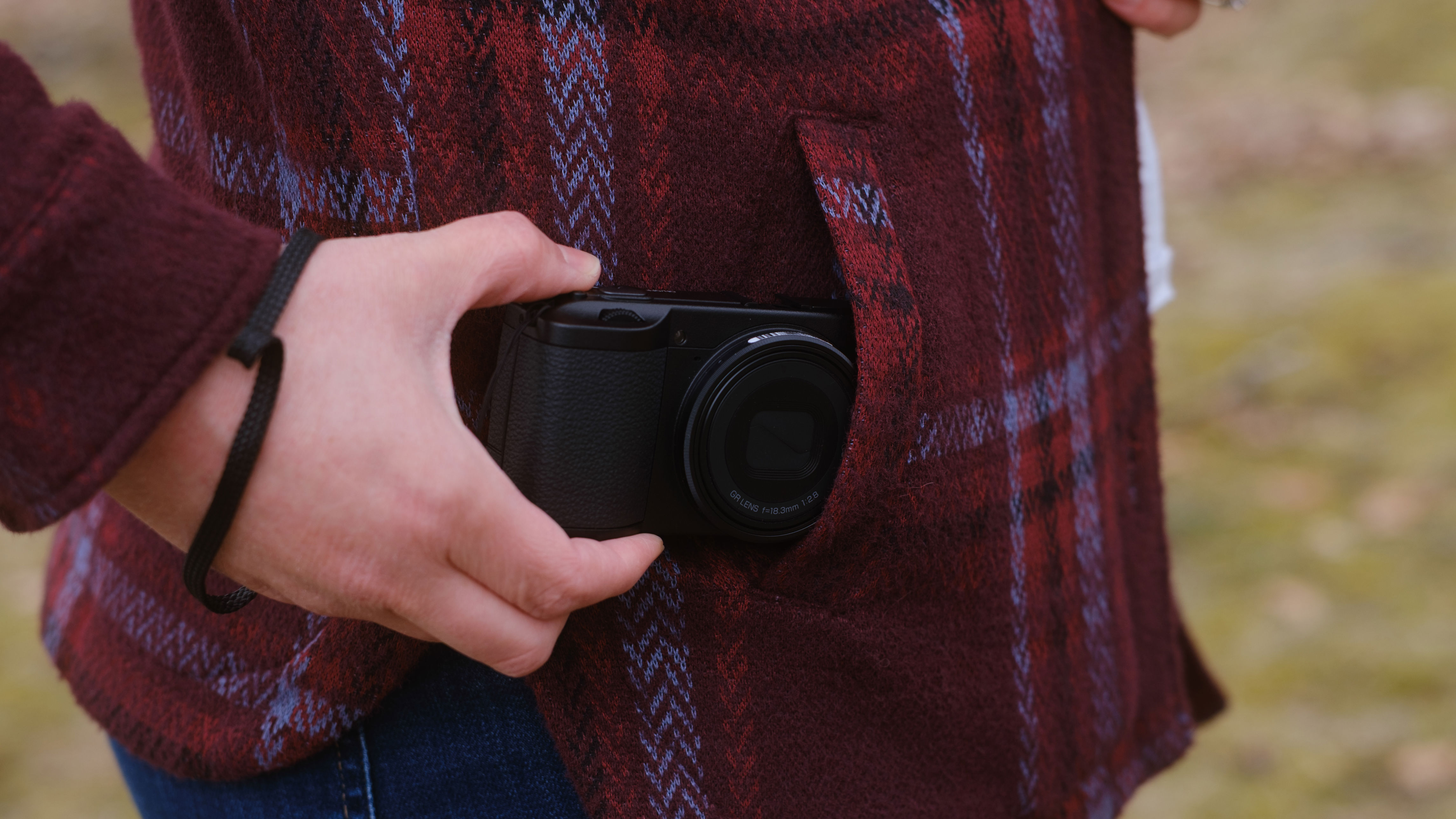
The Ricoh GR IV series looks almost identical, making it hard to distinguish between the two cameras at first glance. The only real giveaways are the absence of color on the GR logo on the front and the Red Filter shortcut on the back of the GR IV Monochrome.
How Monochrome Cameras Work
Most modern digital cameras can shoot in black and white by switching to a black-and-white color profile. However, the Ricoh GR IV Monochrome is different—it doesn’t have a color filter array, which means it can’t capture color at all. Instead, it relies on multiple monochrome color profiles to create images.
This design choice might seem odd at first, especially when compared to color cameras that also offer a monochrome mode. But there’s a reason behind it. By eliminating the color filter array, more light can reach the sensor, which can lead to better performance in low-light conditions.
Performance Differences
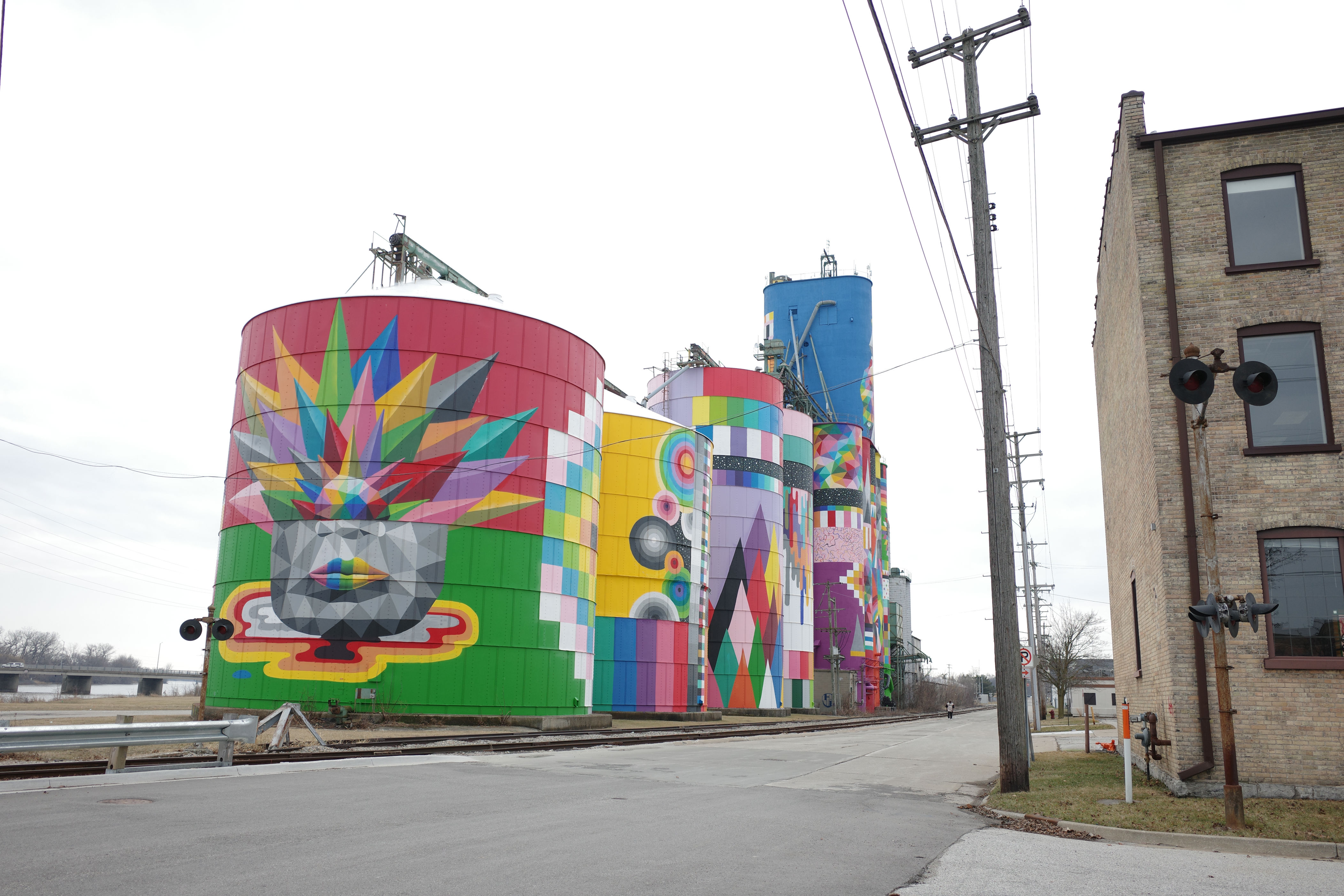
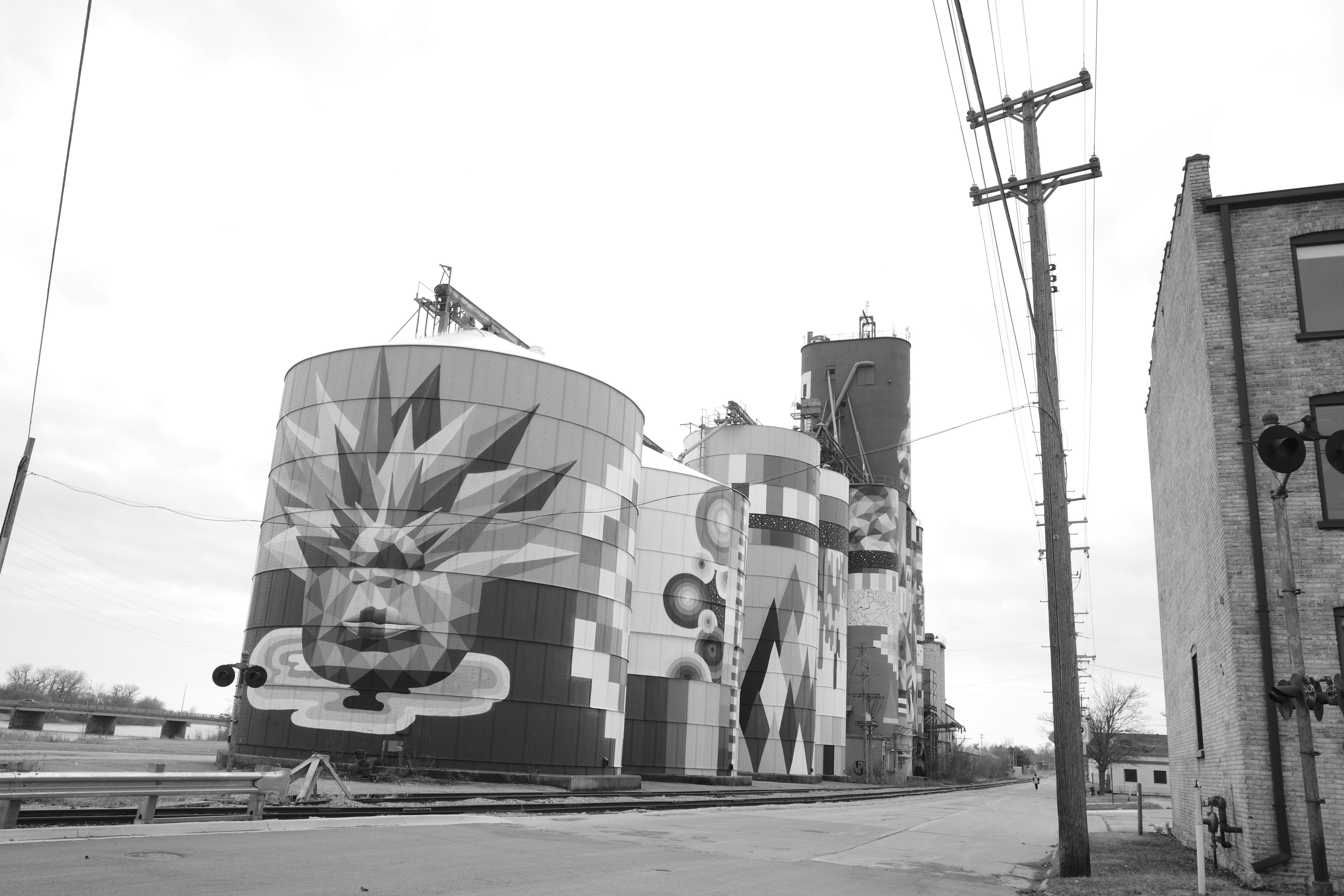
I wasn’t sure how much of a difference the missing color filter would make, but after examining the images up close, I was genuinely surprised. The images from the GR IV Monochrome were significantly cleaner, with less noise and smoother grain, especially in high ISO shots.
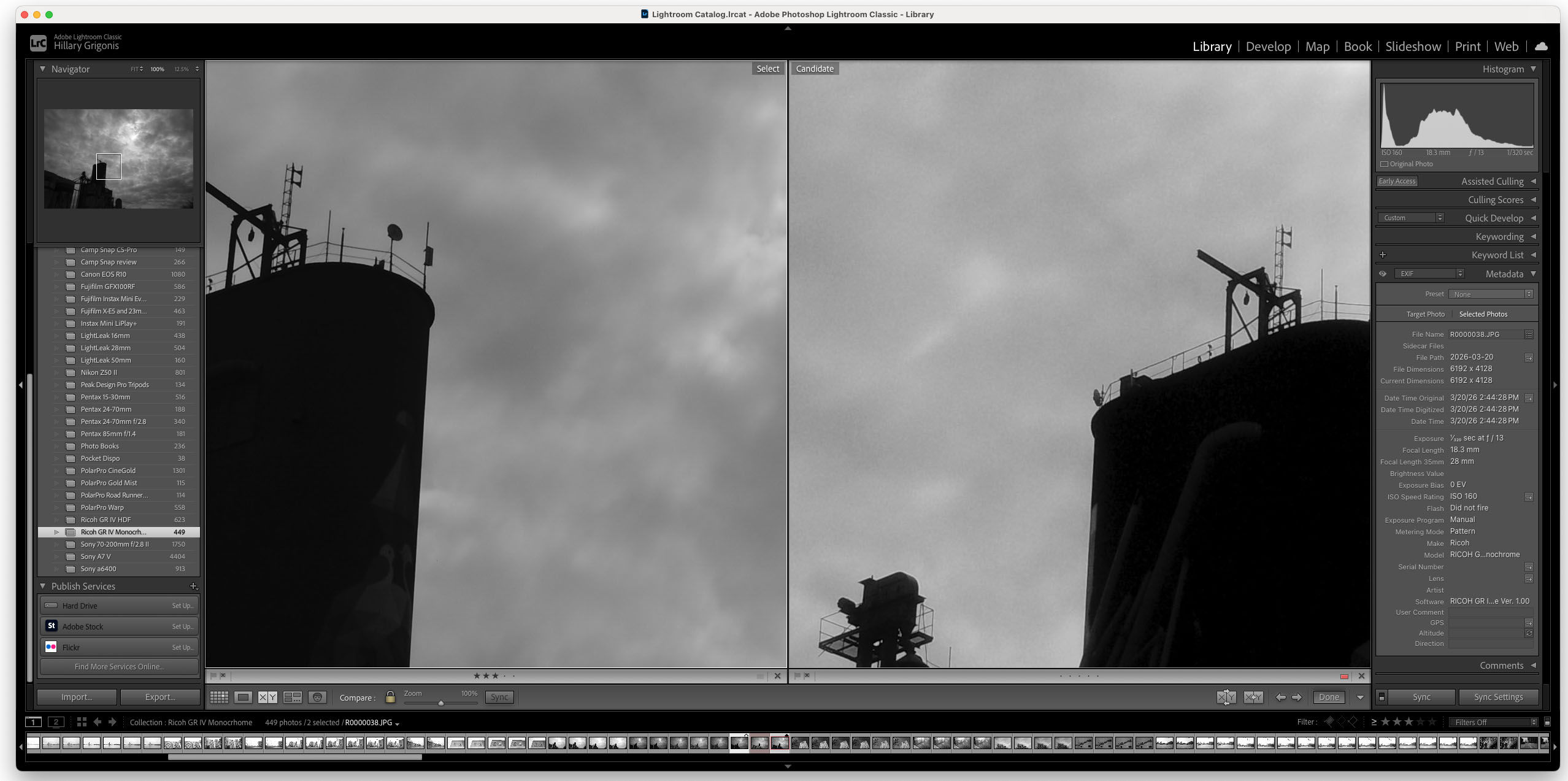
Even at base ISO, the difference was noticeable. While the GR IV Monochrome can shoot as low as ISO 160, the GR IV HDF starts at ISO 100. Despite this, the Monochrome camera produced far less noise.
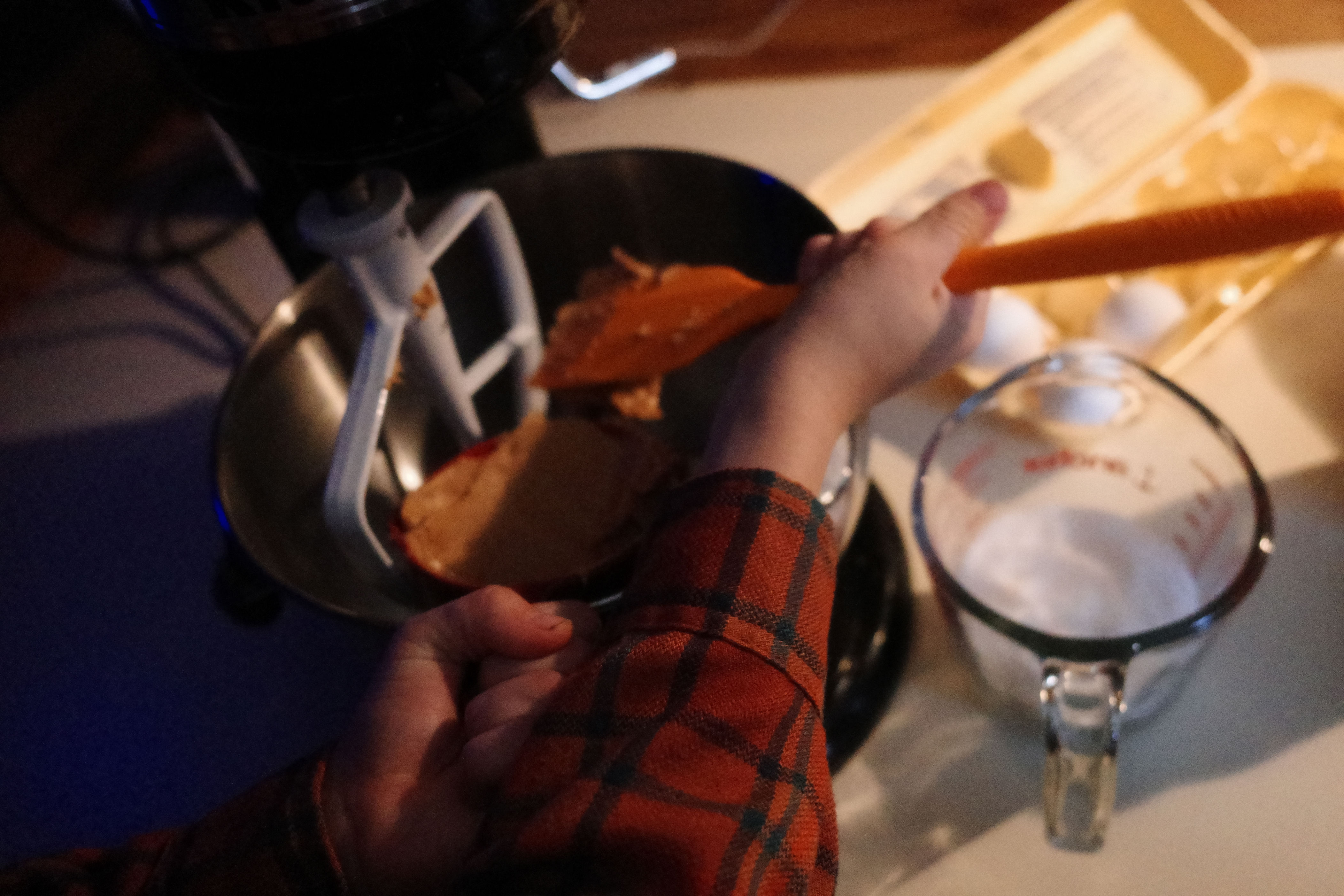
Looking at the RAW files, I could also brighten the shadows on the GR IV Monochrome more effectively than on the GR IV HDF, even when using a black-and-white profile on the color camera.
Visual Comparison
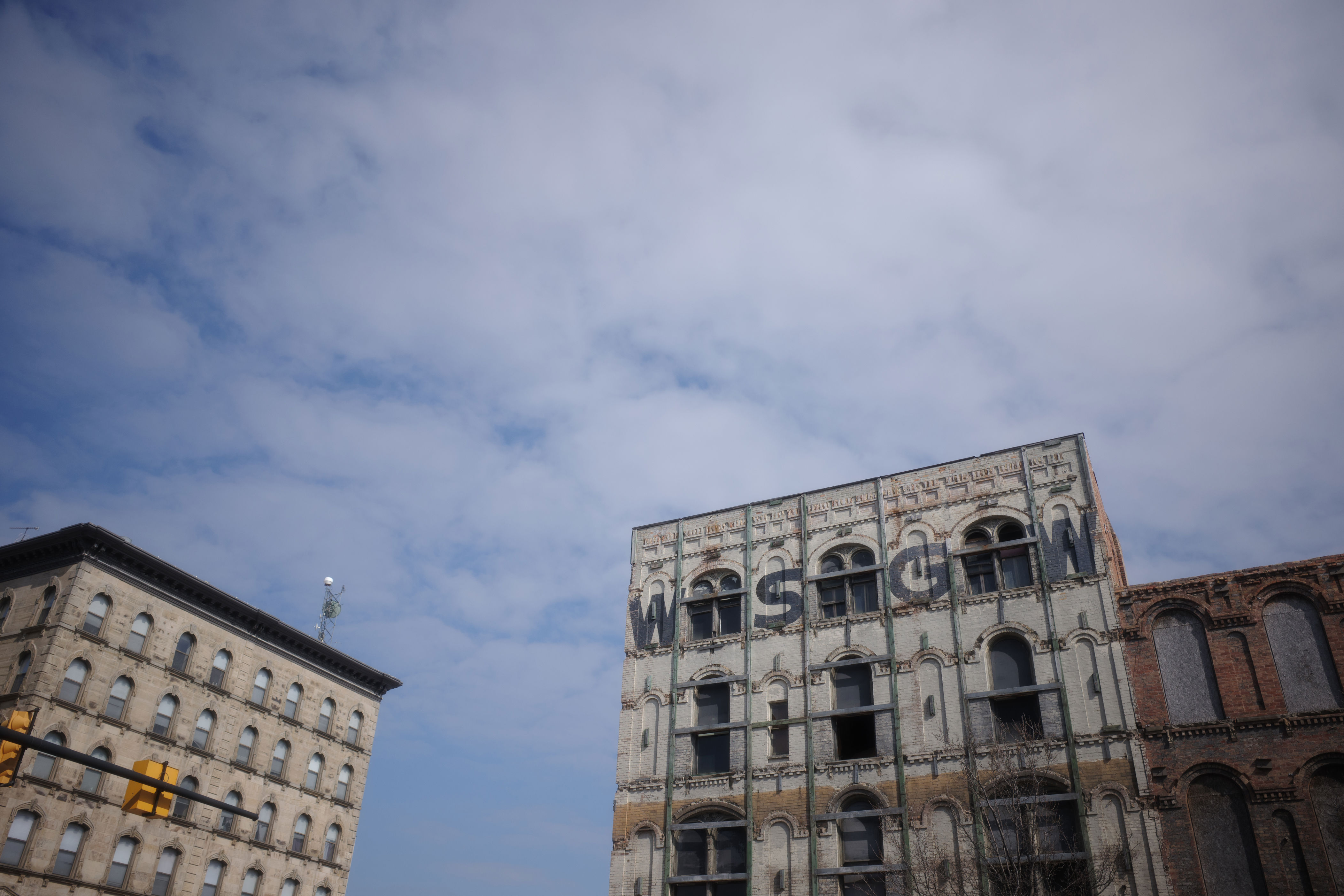
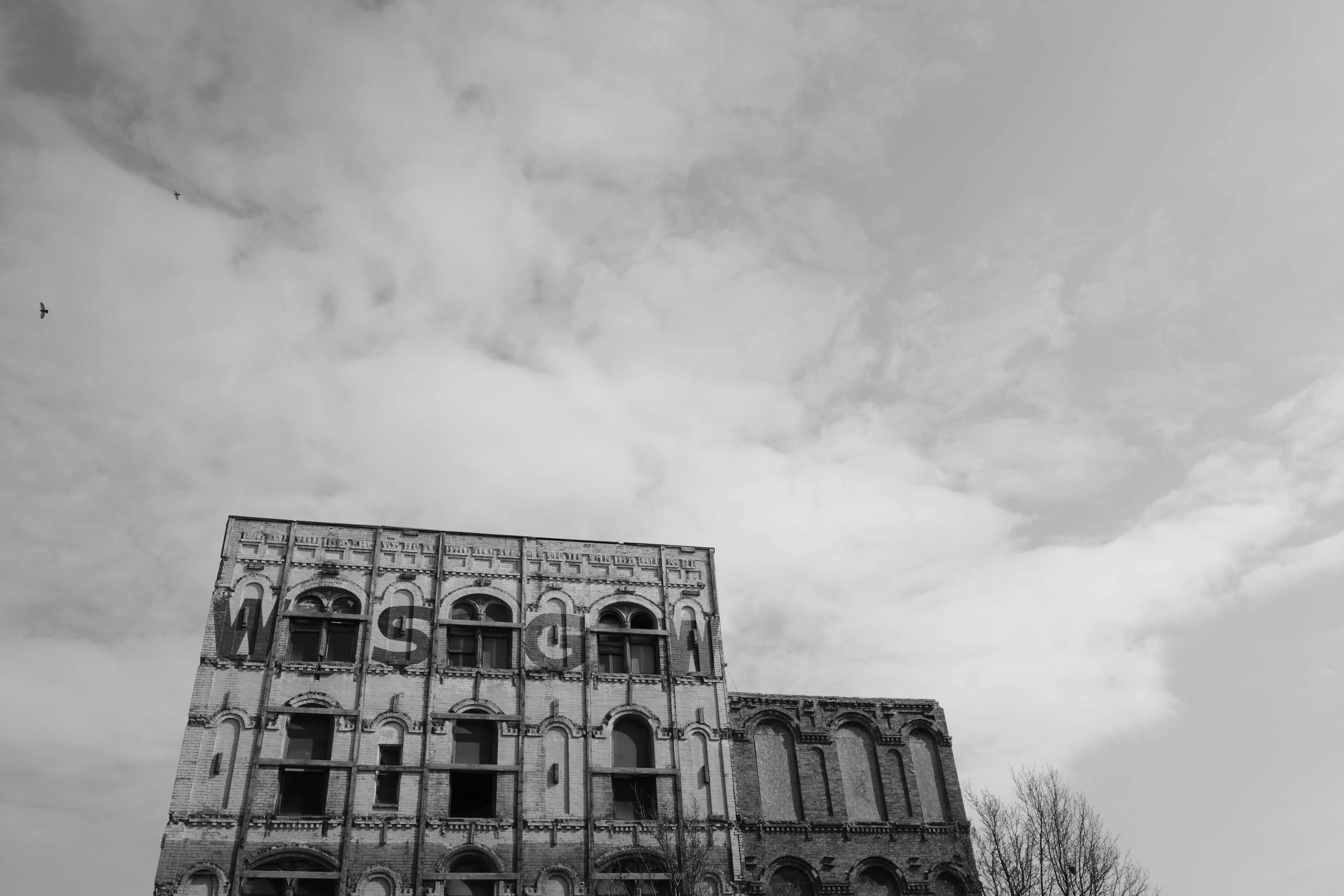
When viewing the photos at full resolution, the differences between the two cameras become more apparent. However, in smaller formats like an Instagram post, it would be hard to tell which photo came from which camera.
Final Thoughts
The Ricoh GR IV Monochrome was my first experience with a dedicated monochrome camera, and I certainly didn’t dislike it. If I were looking for a documentary-style camera that produces JPEGs without needing much retouching, the GR IV Monochrome would definitely be on my shortlist.
I also enjoyed shooting with the GR IV HDF, particularly its positive film color profile. Some scenes simply look better in color.
I never thought I’d struggle to choose between a more expensive monochrome camera and a more affordable one that can shoot in both color and black-and-white. But after trying both, I now understand why monochrome-only cameras have such a following.
For those interested in a deeper comparison between the two cameras, you can read the Ricoh GR IV Monochrome review. Alternatively, explore the Ricoh GR IV HDF review or, if you prefer a built-in ND filter over a diffusion filter, the Ricoh GR IV review.