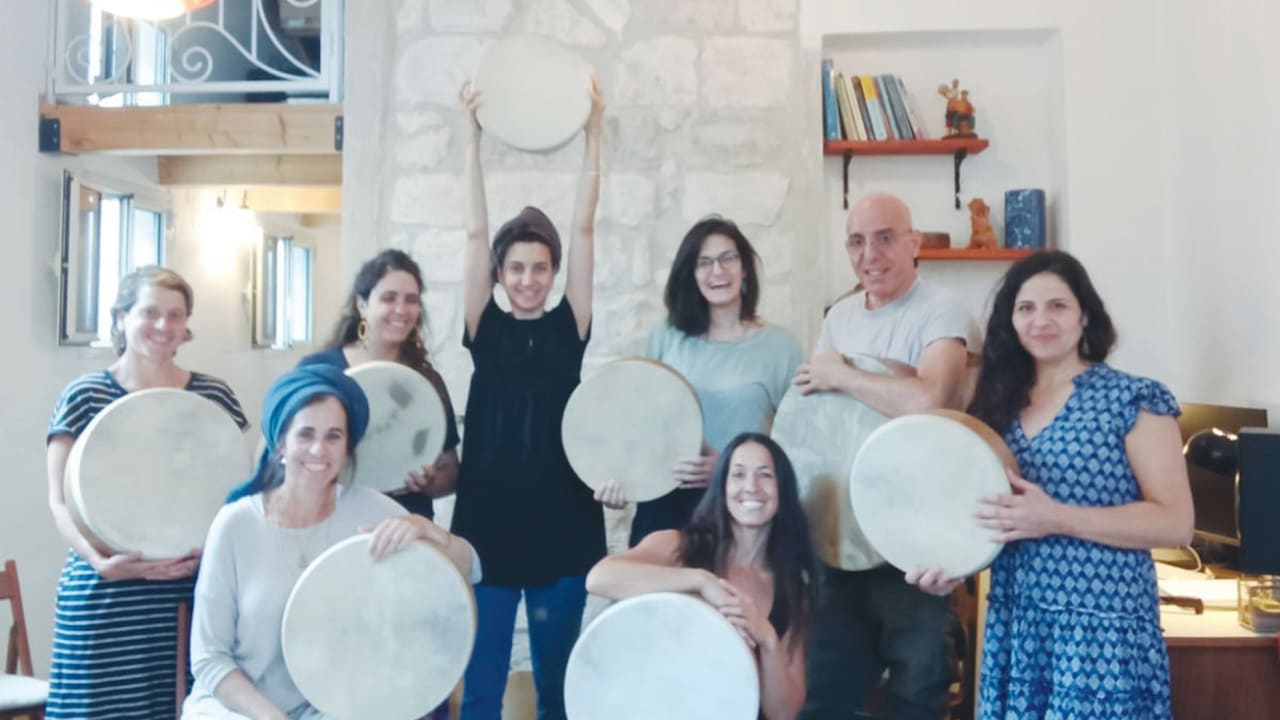
Drumming is often associated with a rugged, male-dominated activity in the world of rock music. Many percussionists are seen wearing casual clothing, showcasing their physical strength and energy. However, percussion is a diverse and multifaceted field that goes beyond just loud sounds and high energy levels. It is not solely the domain of men. The history of percussion can be traced back to biblical times, where women played an essential role.
According to the Book of Exodus, when the Israelites crossed the Red Sea, it was a woman named Miriam who initiated a celebration of gratitude and joy. She took a tambourine and led other women in dances. In Hebrew, the tambourine is called “Miriam’s drum,” highlighting the deep connection between women and this instrument.
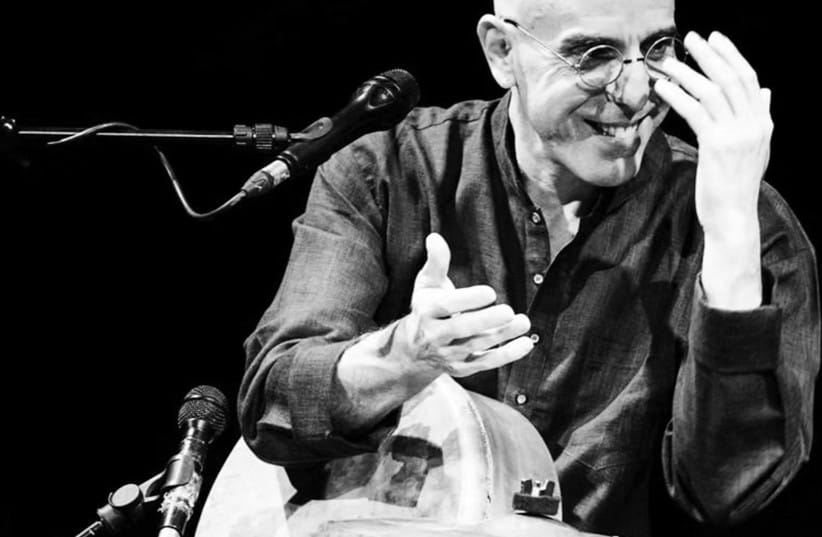
Zohar Fresco revives ancient tradition of women’s drumming
Zohar Fresco, a renowned percussionist, has dedicated himself to exploring the feminine side of percussion. He has been performing and recording for over 30 years, working with various artists and cultures. Fresco has been involved with a women’s circle called Pe’imat Miriam for 15 years, focusing on frame drums.
Fresco’s journey into women’s drumming began in the 1980s and 1990s, a time when there was little interest in this area. He studied Middle Eastern music and connected with people from different backgrounds, incorporating their techniques into his playing. Over time, he recognized the strong link between frame drums and his own heritage.
He wrote a song titled “Miriam the Moabite” to emphasize the cultural significance of these drums. His work with American percussionist Glen Velez and Layne Redmond further deepened his understanding of women’s drumming traditions.
Fresco’s efforts have led to the formation of Pe’imat Miriam, a group that performs music written by him. If peace is restored, they plan to perform at Confederation House in Jerusalem on April 25.

Women drummers find connection, faith, and voice through rhythm
Shir Lev, a member of Pe’imat Miriam, has been drumming under Fresco’s guidance for a decade. She believes there is a unique connection between women and frame drums. Lev feels that drumming together creates a sense of unity and power.
She grew up in a religious home but now relates to the stories in a different way, focusing on the heart rather than technical details. Lev sees Miriam as a symbol of hope and optimism, emphasizing the importance of finding inner freedom through drumming.
Liron Meyuhas, another performer, also found her passion for drumming through a journey of self-discovery. She felt constrained by traditional musical structures and found liberation through the drum. Meyuhas believes that the drum brings people together, creating a sense of unity and emotion.
Meyuhas cites research by Layne Redmond and Glen Velez, who highlighted the female essence of the frame drum. The round shape symbolizes the moon and the cyclical nature of women’s rhythms. Women have revived ancient techniques, bringing new life to this instrument.
From Sinai to the stage, rhythm becomes a language of freedom
Meyuhas connects the idea of freedom with the Passover theme. She believes that women’s drumming offers a powerful way to express themselves and find strength. Drumming allows for both meditative and ecstatic states, reflecting the emotional depth of the biblical story.
The frame drum’s intuitive nature makes it accessible to all, especially women. It provides a sense of security and releases inner joy that may have been repressed for generations. Today, there is a growing demand for women who play frame drums, highlighting their important role in music.
As we reflect on the story of the Exodus, paying attention to Miriam’s joyful musical exploits could be just what we need to find hope and inspiration in these challenging times.