Impact of the Middle East Conflict on Airline Pricing and Fuel Supply
The ongoing conflict in the Middle East has already begun to affect airline pricing, with many carriers adjusting their fees for checked baggage and ticket costs. This is primarily due to the disruption in the supply of jet fuel, which plays a crucial role in the aviation industry.
A significant portion of Europe’s jet fuel—approximately 40%—comes from the Strait of Hormuz, a critical maritime chokepoint that has been largely closed due to the conflict. The UK also relies on indirect supplies of jet fuel through countries such as Belgium and the Netherlands. However, the last known shipment of jet fuel from the Middle East to Britain is expected to arrive soon. Once this shipment arrives, it remains uncertain how the UK will replace its primary source of fuel, given the continued closure of the Strait of Hormuz.
Fuel Supply Challenges and Government Response
The Department for Energy Security and Net Zero recently confirmed to the Daily Mail that jet fuel shipments are still arriving in the UK. The country receives imports of jet fuel from India, the United States, and the Netherlands, along with smaller amounts from other nations. This diversification of sources is vital to maintaining the stability of the fuel supply.
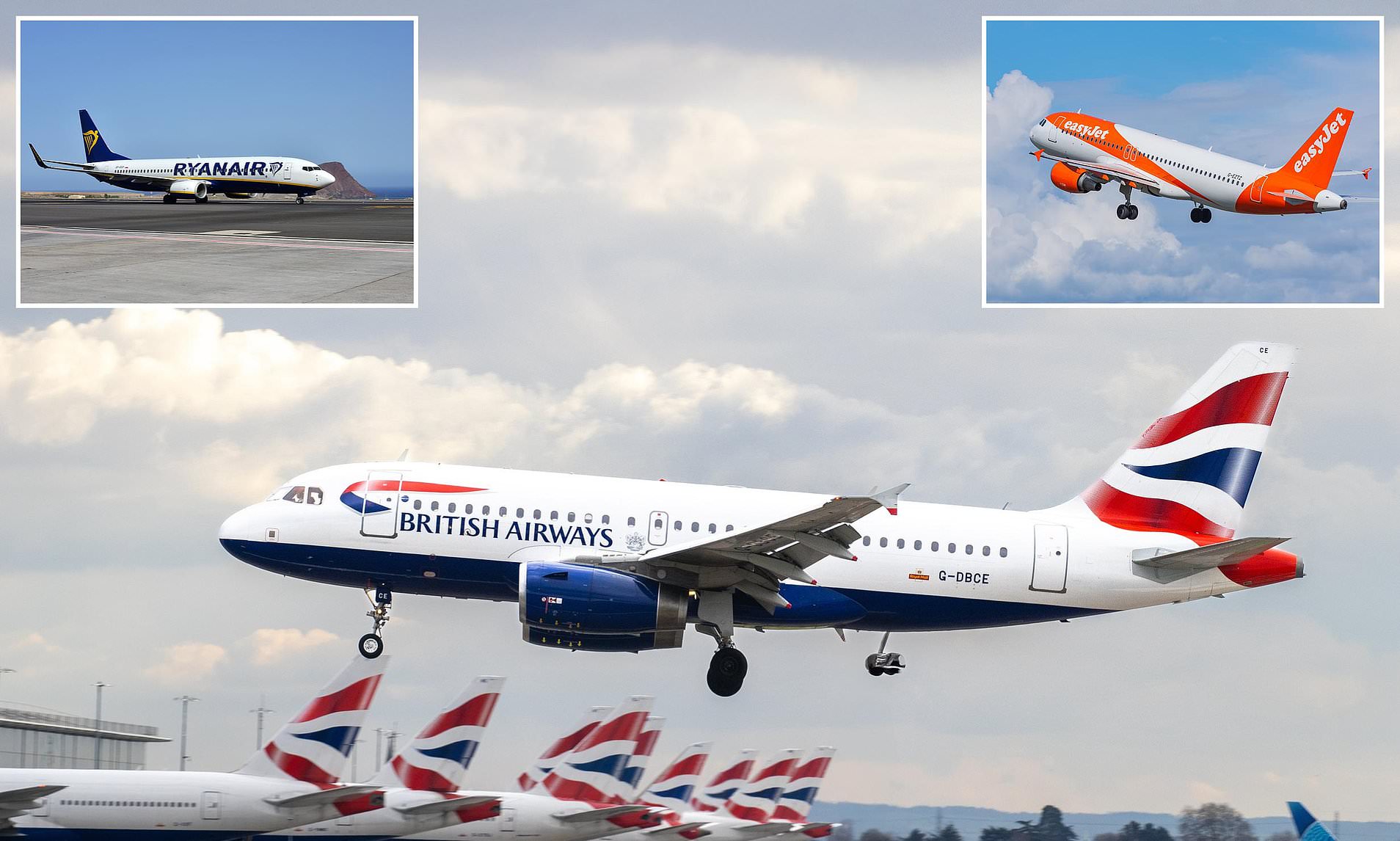
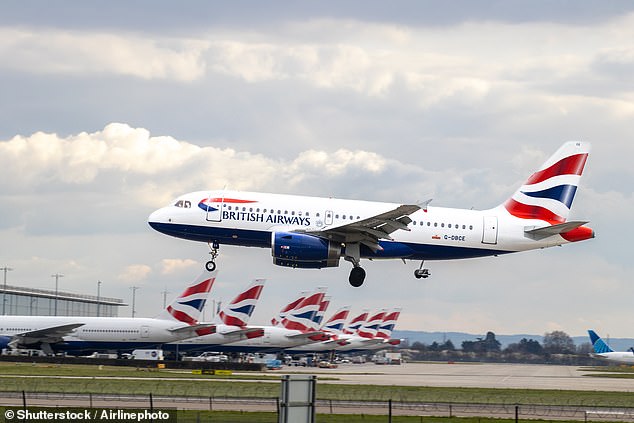
Travel expert Simon Calder has highlighted the potential impact of jet fuel rationing on airlines such as British Airways, Ryanair, and easyJet. He explored the hypothetical scenario of airlines needing to reduce their fuel consumption by 20%. According to Calder, British Airways may be better prepared for such a situation, as it is accustomed to reducing flights at London Heathrow due to weather conditions. The airline often cancels European trips, such as those to Amsterdam or Nice, and offers passengers the option to rebook their journeys before or after the original departure time.
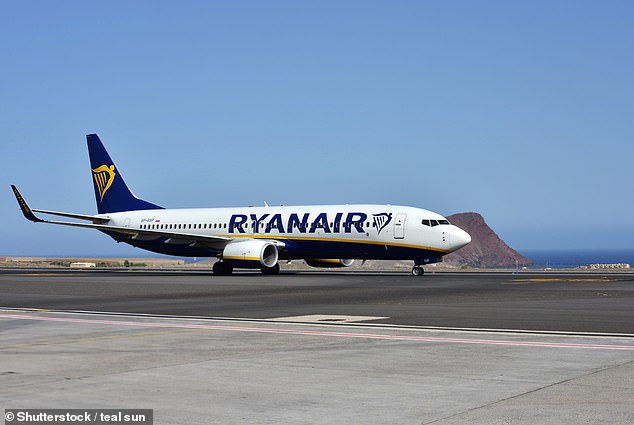
Calder suggests that similar strategies could be applied to long-haul destinations if necessary. For Ryanair, the budget airline’s CEO, Michael O’Leary, has warned that passengers might face disruptions starting in early May. He emphasized that if the war continues, there could be supply disruptions in Europe during May and June. However, Calder believes that Ryanair has the flexibility to adjust its operations if needed.
In 2017, Ryanair canceled around 20,000 flights due to errors in its pilot scheduling. Calder notes that the airline could easily make “tolerable” cuts to popular routes with frequent flights, such as Stansted to Barcelona. This approach would help save fuel without significantly affecting passengers.
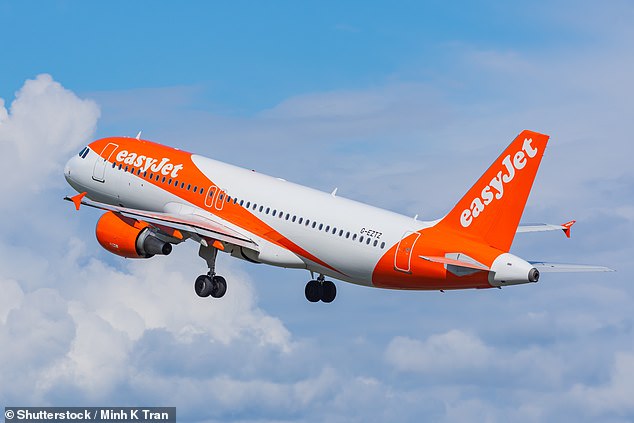
Similarly, easyJet could also implement route adjustments to conserve fuel. The airline operates several routes with multiple daily departures, such as Manchester to Amsterdam, which sees six flights each way. Calder believes that easyJet could easily reduce these routes without causing major inconvenience to travelers. However, some of its less frequent routes, such as Newcastle to Antalya, which only runs twice a week, could pose more challenges if altered.
Regional Airlines and Fuel Cost Pressures
Regional carrier Skybus has already been affected by rising fuel costs. Last week, the airline had to end its daily service between Newquay and London earlier than planned due to financial pressures. Managing director Jonathan Hinkles cited a “huge rise in the cost of fuel following the war in the Gulf” and a “significant drop” in bookings as reasons for the decision. Passengers affected by the cancellations will receive full refunds.
Former airline captain Emma Henderson MBE has warned that there could be a point where there is simply “not enough” fuel. She stated that some airports in Europe have already run out of jet fuel, and the situation could worsen if the Strait of Hormuz remains closed. Despite the uncertainty, Henderson advises holidaymakers not to panic but to remain informed about the potential impacts on travel.
She predicts that long-haul flights are most likely to be affected first due to their high fuel consumption and lower cost-effectiveness compared to short-haul flights. If the situation persists, she warns that airlines may need to reduce capacity, which could lead to higher flight costs in the long term.
Henderson also emphasizes the importance of planning ahead and considering alternative travel options. She personally continues to book flights for her work as a professional speaker but is also exploring other ways to reach her destinations, such as by sea or land. She views this as an opportunity for adventure rather than a blockage.
Conclusion
As the conflict in the Middle East continues to disrupt fuel supplies, airlines are adapting their operations to mitigate the impact. While there are concerns about potential flight disruptions and increased costs, experts suggest that travelers should remain informed and flexible in their plans. By staying aware of the situation and considering alternative travel methods, passengers can navigate the challenges posed by the current crisis.