

A Journey of Preparation and Hope
Farah and Mohamed were more prepared for their son Ali Hadi’s Cerebral Palsy (CP) diagnosis than most parents. Typically, the neurological condition isn’t diagnosed until children are toddlers and have missed crucial milestones. However, Farah, 22, shared that they had appointments leading up to his induction, and in the last two appointments, doctors couldn’t really see his growth because his twin, who passed in the womb, was blocking him when they were taking ultrasounds.
Doctors had already told Farah and Mohamed they suspected Ali Hadi had suffered a stroke and that he had brain damage as a result of this. They would need to wait until he was six weeks old to confirm the extent of this via an MRI. “We induced me at 37 weeks and it was a natural delivery, but he had very bad jaundice, so he had to have light therapy. He was in NICU for a week,” Farah says.
Ali Hadi was diagnosed with Quad Spastic CP when he was three months old. “It was confronting and full-on because we were already grieving the life that we had imagined with twin boys, because we knew that we were having twins from literally the first ultrasound.”

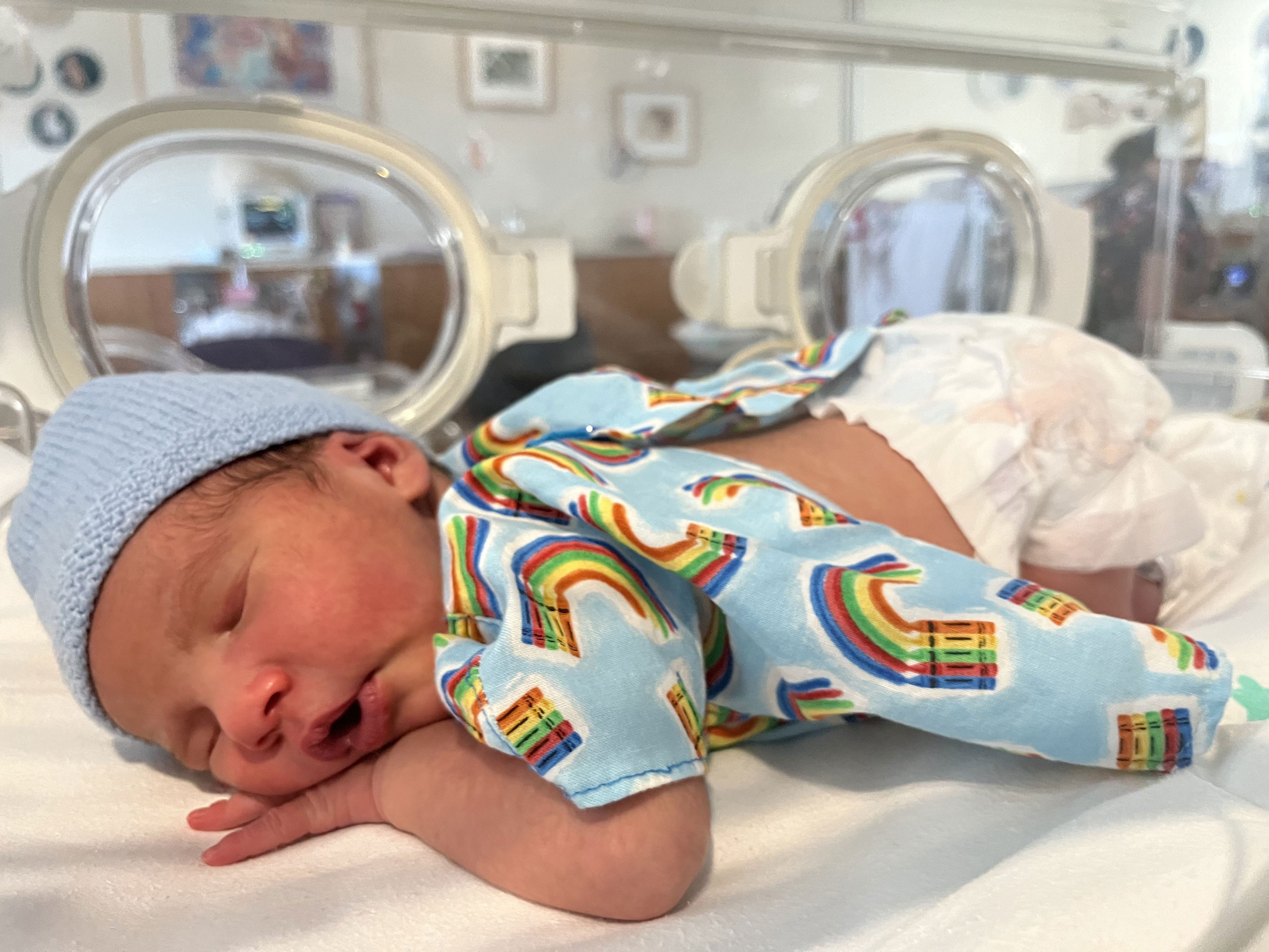
“Then, now we were grieving just the normal childhood in general. Basically, we lost what we had imagined, and it was very difficult to process.”
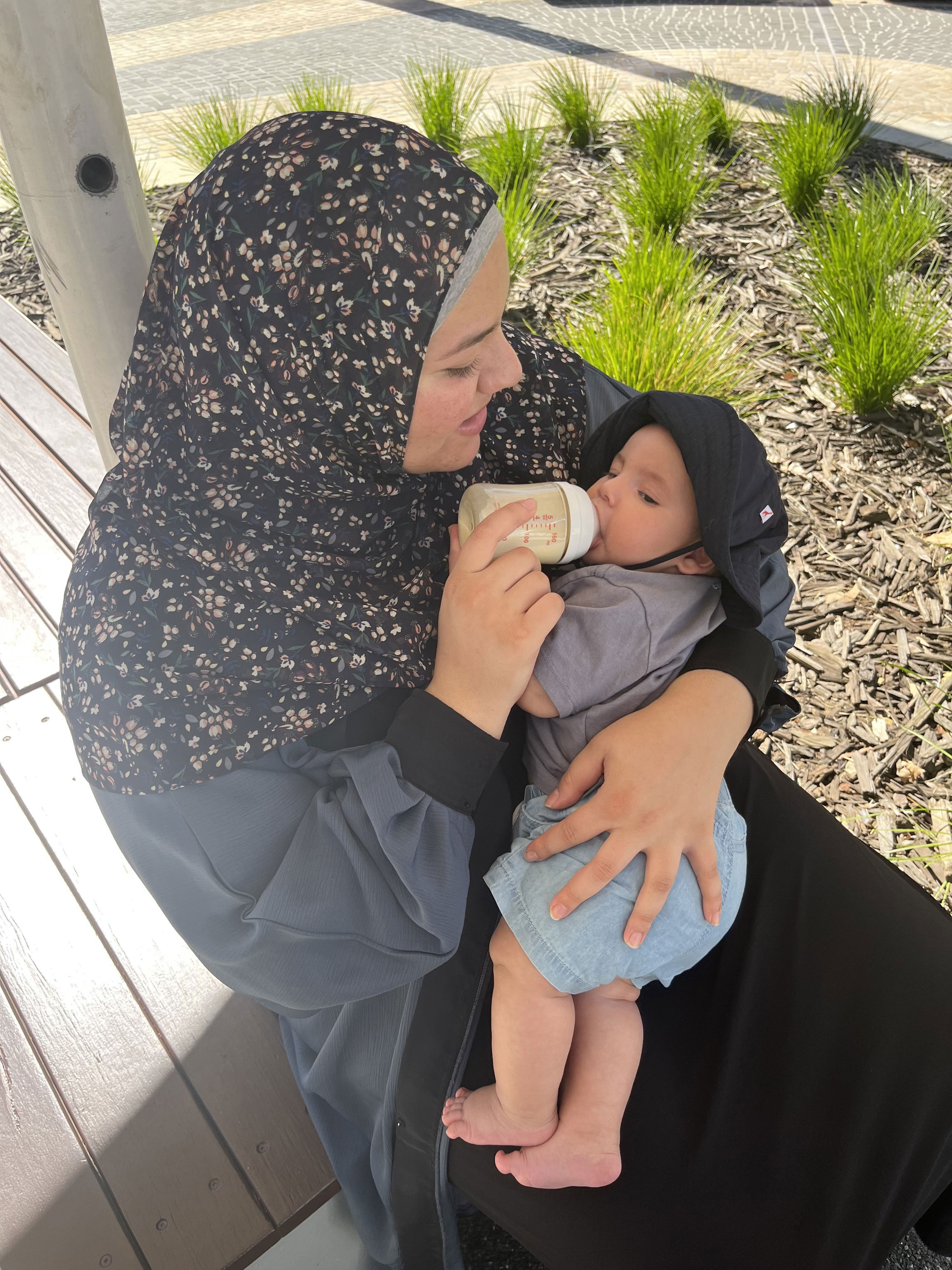
Because they already knew Ali Hadi had suffered brain damage in utero, they were able to start a crucial early intervention program. “We were in contact with speech therapists and physios and the whole team from Perth Children’s Hospital before he was even diagnosed. And then when he got diagnosed, it kind of made the process a lot easier.”
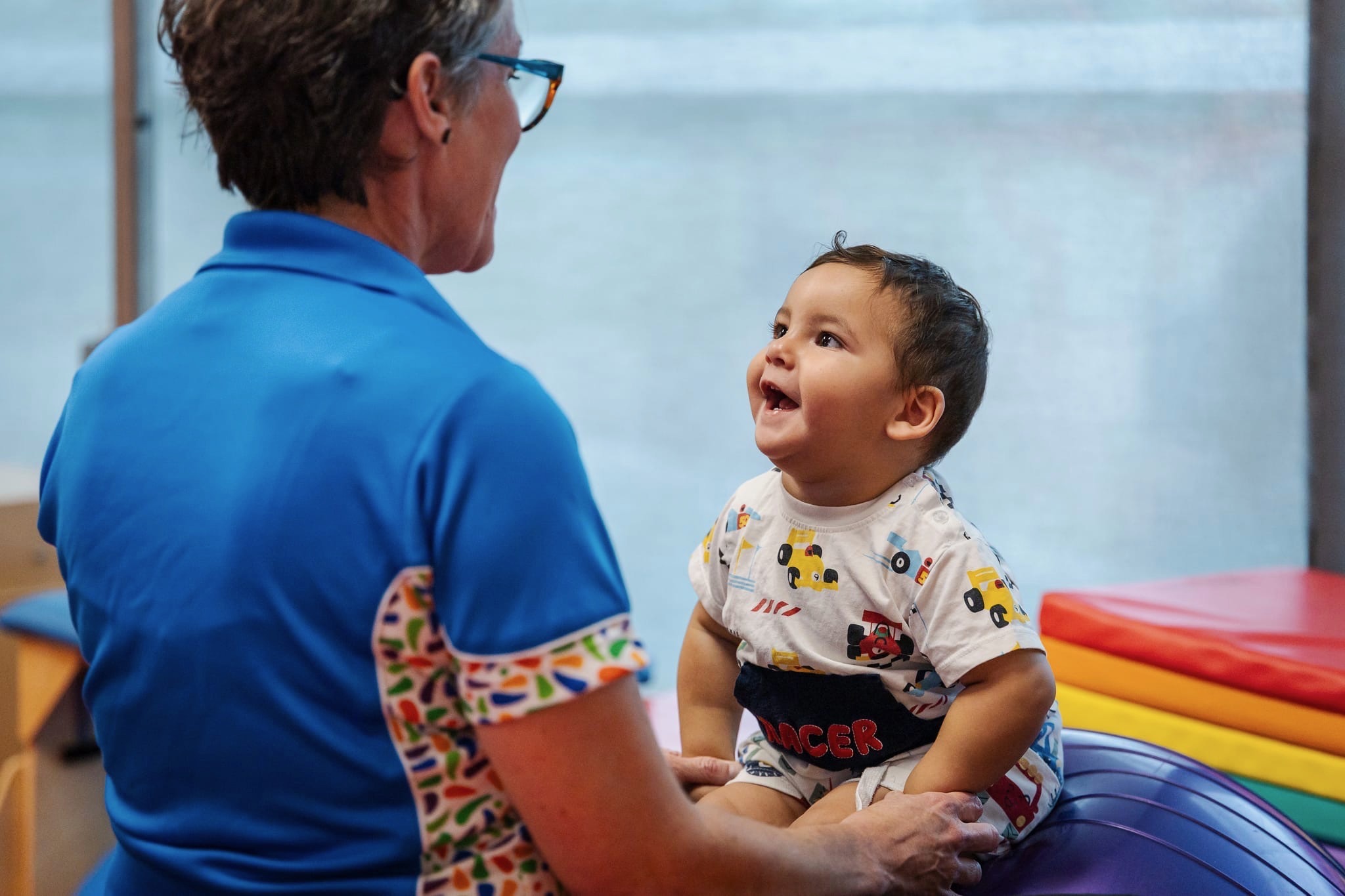
The family was put in touch with IBIS via Ability WA, also known as the In-home Baby Intervention Service. “This has been a huge help for the first few months of Ali Hadi’s life, and we’re still seeing them. We see them up until he’s two years old,” Farah says. “They also help so much with equipment that I never thought we’d ever need, but having it so easily accessible makes it just really great.”
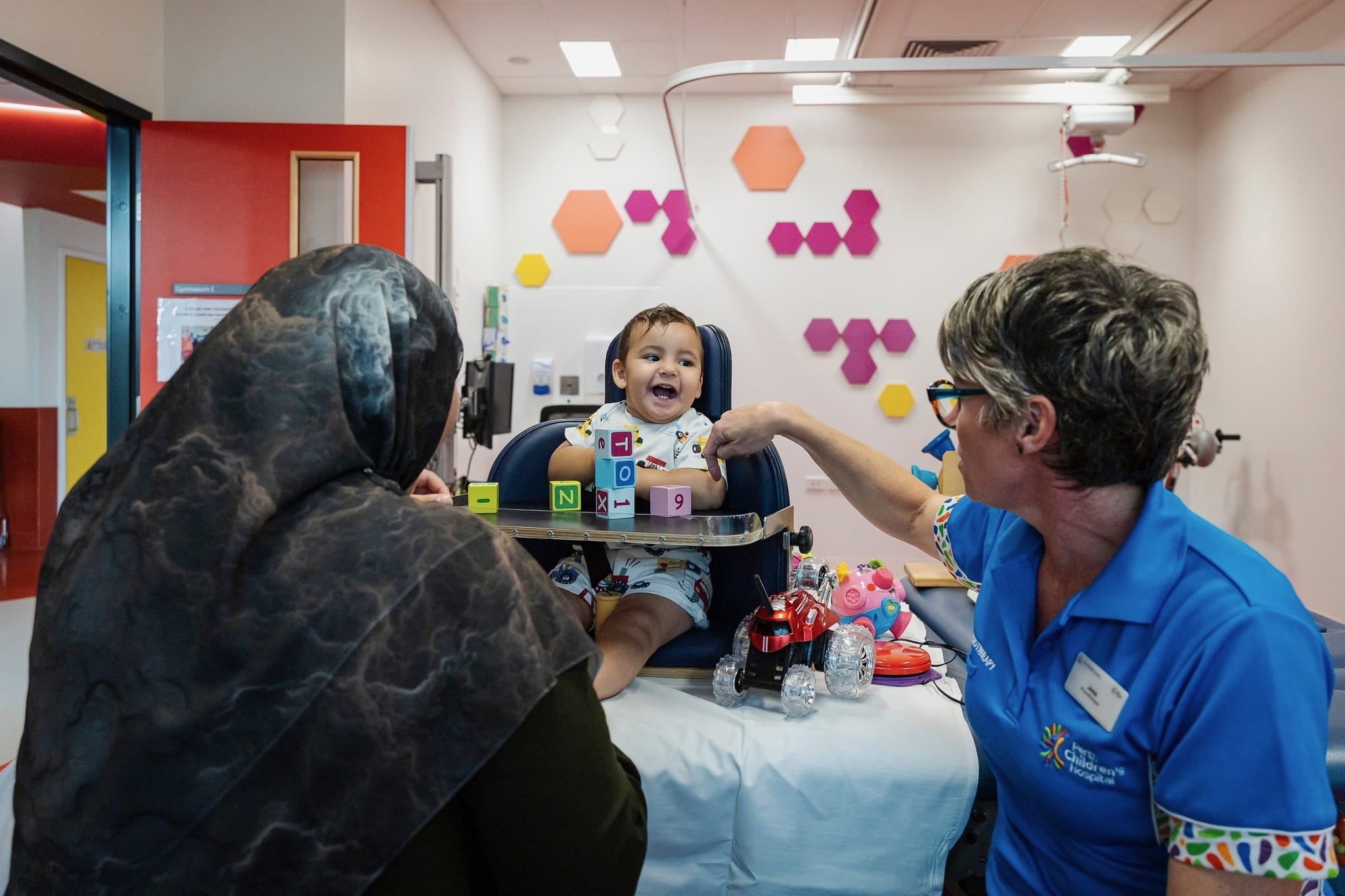
This equipment includes a corner chair Farah describes as “our absolute saving grace”.
“We use it literally every single day,” she said. “This is the one thing that he sits in, because it has all the right support for him to make him feel comfortable, and because he can’t sit on his own, he needs to have supported seating. It has a little table attachment as well, which we use for playing or for his eating.”
Ali Hadi has also started using a walking frame supplied by IBIS, and a range of toys to help him develop his motor skills.
“He’s at an age now where he just wants to really explore and see things. The walking frame gives him that independence so he can move on his own.”
Ali Hadi is now 16 months old, and isn’t able to roll, crawl, or walk without support and he struggles with speech. “I feel like he communicates in his own ways,” Farah says. “His main problem is that he cannot move his arms. He’s so tight in his arms, so he can’t practically reach out, and his legs are also quite tight.”
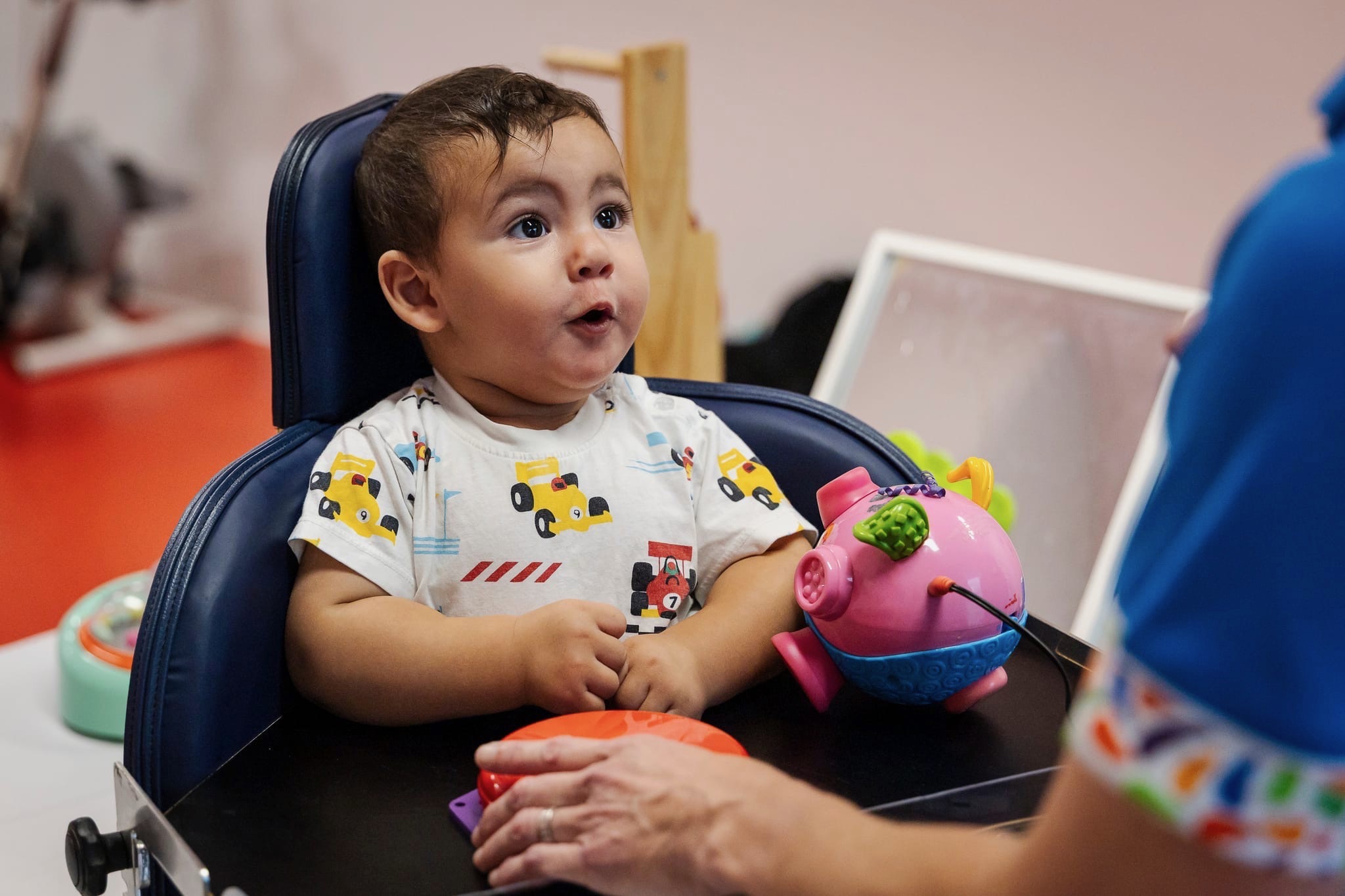
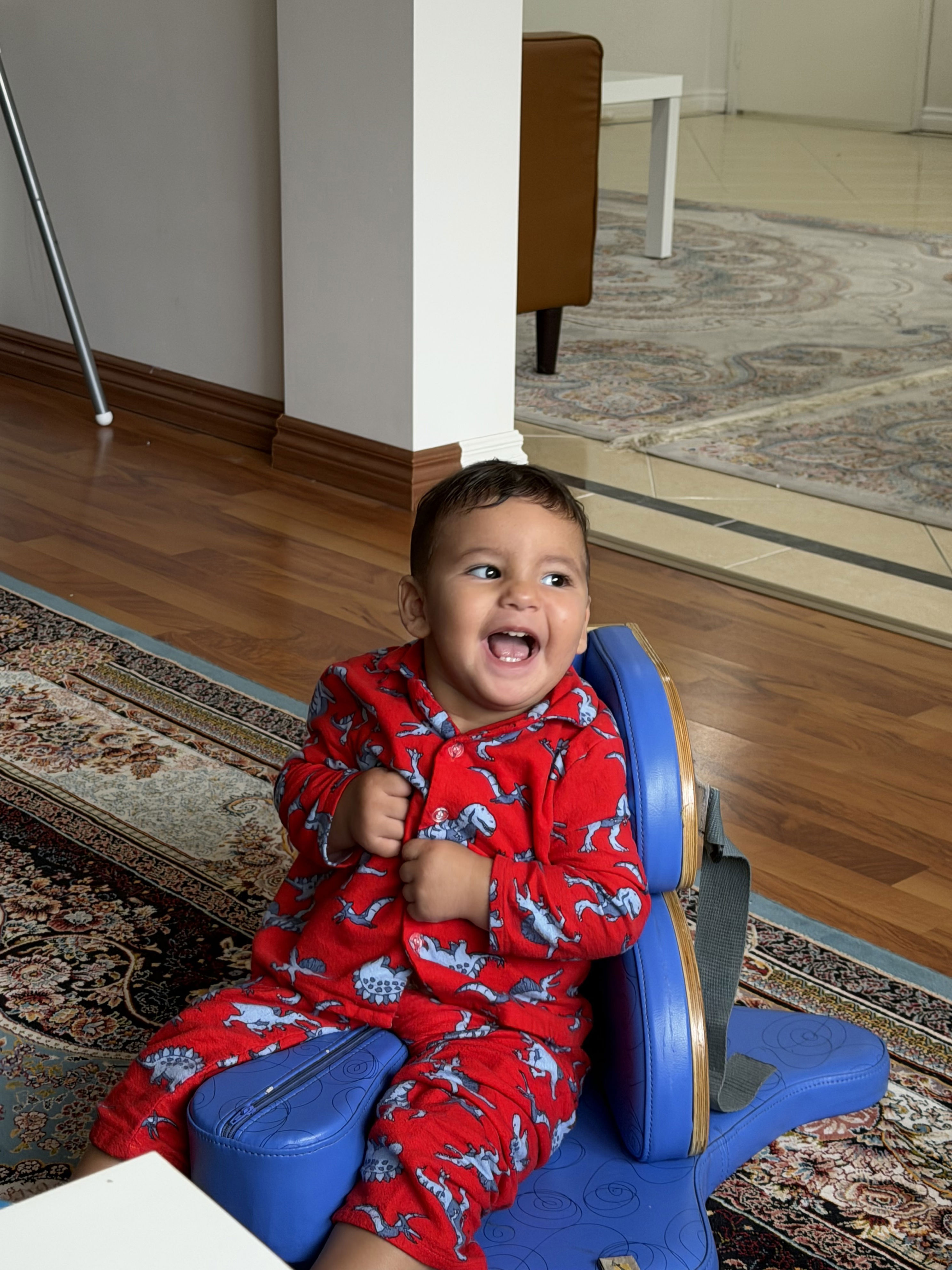
“This is probably the hardest thing to see as his mum, because he really wants to play and he can’t even play on his own. I have to play for him.”
Farah and Mohamed aren’t in touch with any other CP families for support, but she is hopeful “that’ll happen eventually”.
A typical day sees Ali Hadi wake up at around 7 or 8am, depending on how he has slept. “He is on medication three times a day, so the first thing he does is take his medication and then we just get right into playing,” Farah says.
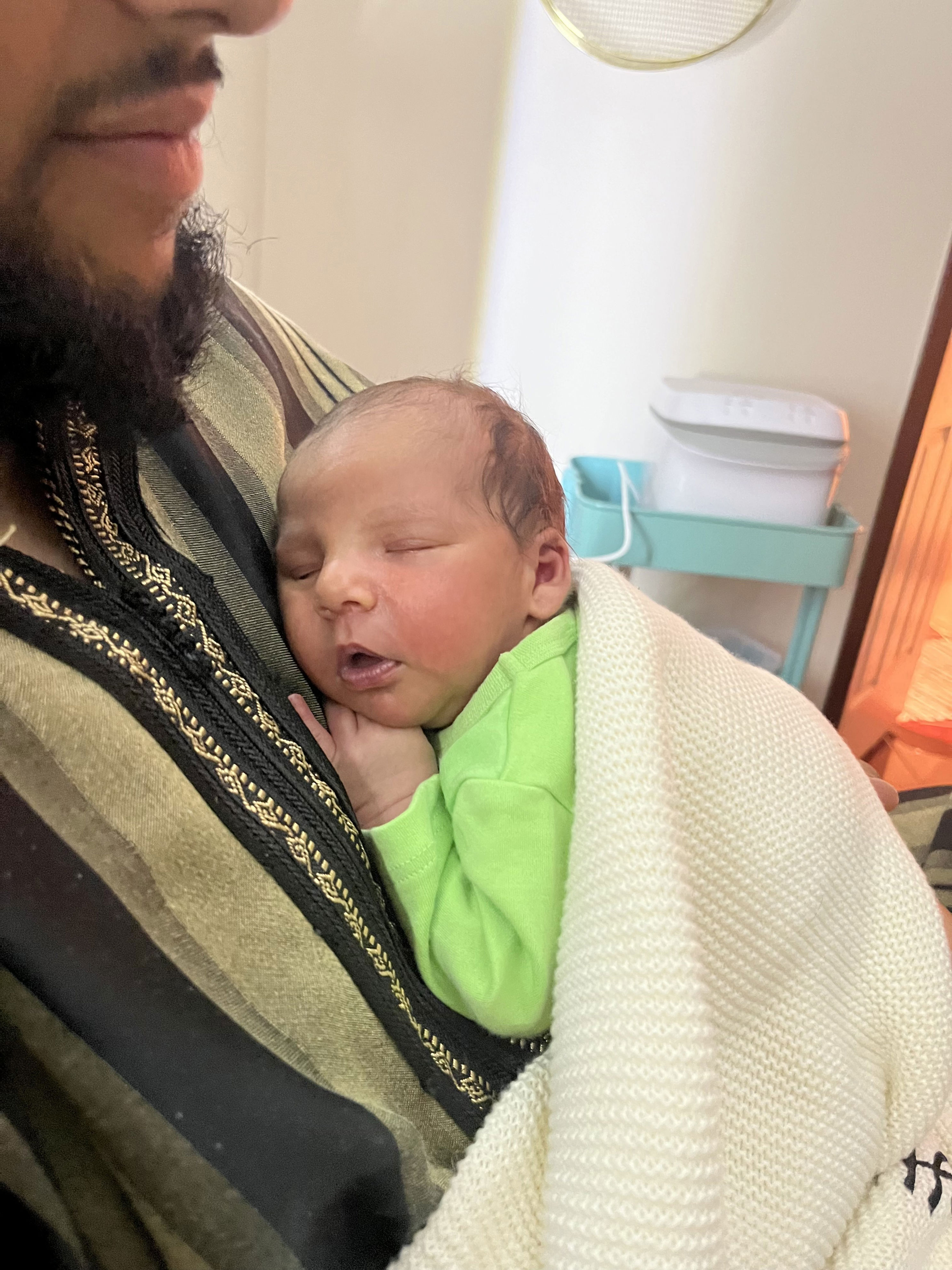
“He is at an age where he wants to explore and play, and he just seeks out so much external stimulation.”
Mid-morning, Farah will take Ali Hadi for a walk to the park or to the shops. He also does external therapy, including physio. Ali Hadi is able to eat normal food, but it needs to be cut into small pieces; he has had a few choking incidents because he struggles to chew, as the CP also affects his mouth function.
“He loves food and will eat literally anything, especially meat.”
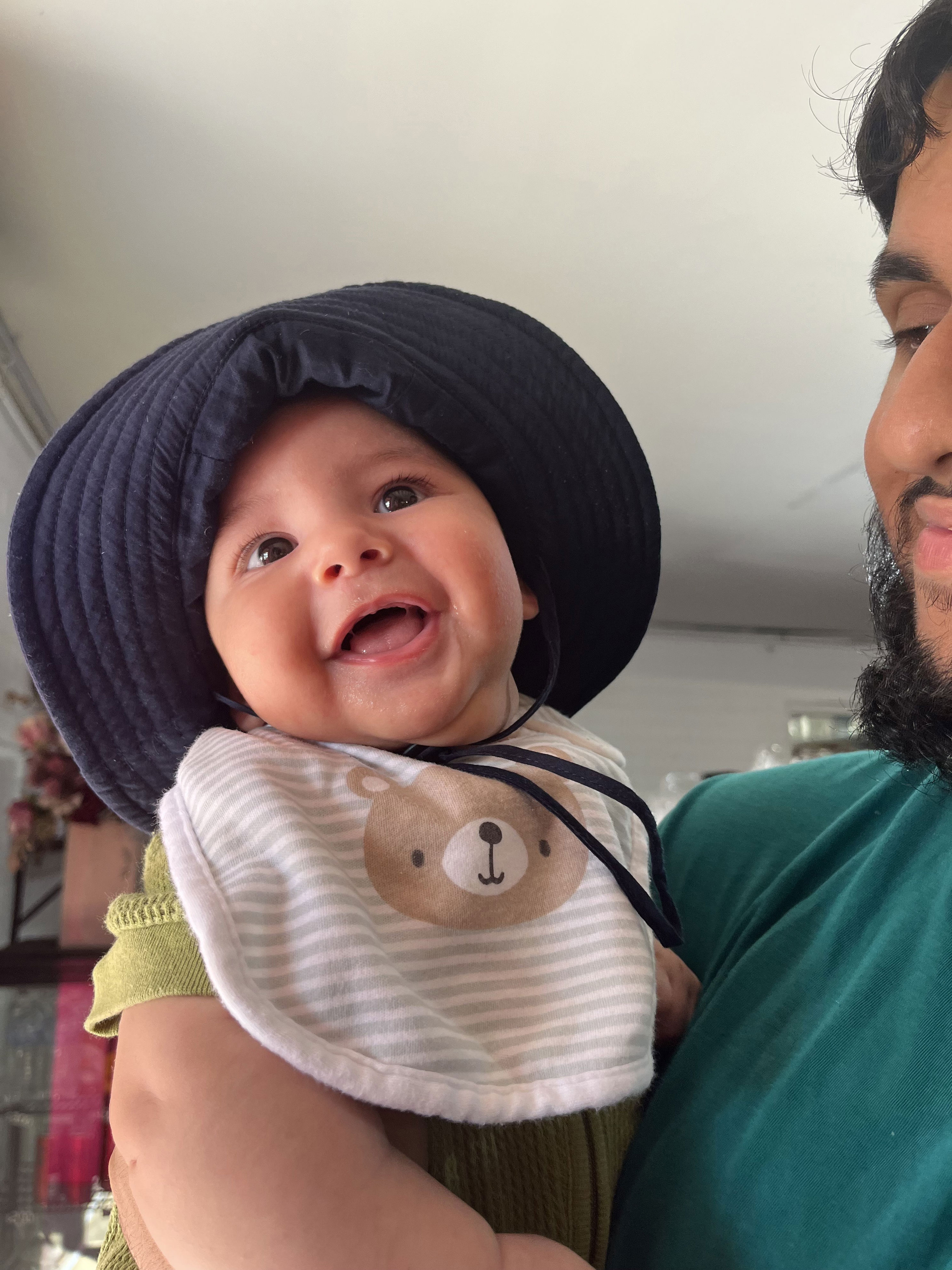
Farah is sharing her family’s story to explain the importance of early diagnosis and intervention when it comes to CP, as part of the Hospitals United for Sick Kids campaign with Coles. Fifty cents from over 170 participating products at Coles have been donated, with funds raised in WA supporting Perth Children’s Hospital Foundation and the CONNECT-CP program.
CP is the most common childhood disability in Australia, affecting 1 in 700 children. The average age of diagnosis is currently between 12 and 24 months.
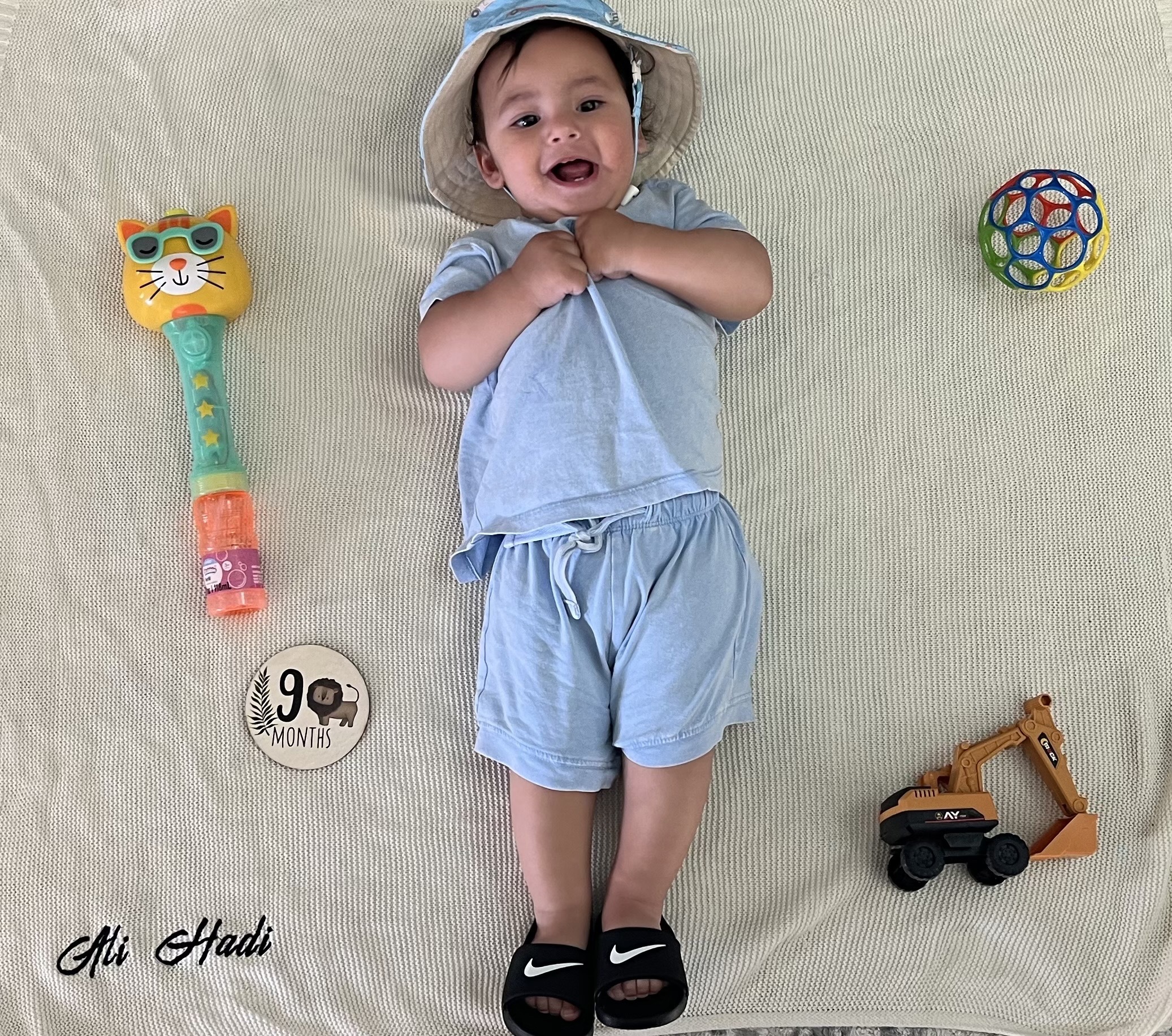
“Early intervention is so, so important in these kinds of things,” Farah said. “And obviously, walking will have to be assisted for now, so short-term we are focusing on assisted walking so Ali can be as independent as possible.”


